Lanciola
- 01CityImpruneta, Italy
- Falstaff Winery - 2 Stars · 2026
The approach to Lanciola belongs to the older Tuscan register: hills outside Florence, vines cut into slopes, olive groves, cypress lines, and a quieter rhythm than the restaurant streets of the city. Impruneta’s appeal has always been partly agricultural and partly architectural, but wine estates here work because the countryside is not a backdrop. It is the organizing principle. The table, cellar, agriturismo rooms, and event spaces all make more sense when read as extensions of mixed Tuscan farming rather than as separate hospitality businesses.
That matters in the Colli Fiorentini zone, where Sangiovese is often asked to carry both local identity and visitor expectation. The Florentine hills sit close enough to the city for a short rural escape, yet far enough into Chianti country for viticulture to set the pace. Lanciola fits that middle ground: not a city restaurant with a countryside costume, and not a winery stripped down to a tasting counter. Its format is estate-led, with wine, olive oil, traditional cooking, and stays folded into one rural property.
Colli Fiorentini fruit, Chianti Classico reach, and a cellar built around red wine
The estate’s wine identity is grounded in Tuscan red varieties, with Sangiovese joined by Cabernet Sauvignon, Merlot, Syrah, Canaiolo, and Colorino. That mix says a good deal about the region’s modern grammar. Sangiovese provides the local spine; Canaiolo and Colorino keep the language close to Chianti tradition; Cabernet Sauvignon, Merlot, and Syrah give the cellar broader blending tools without changing the fact that this is a red-wine property.
The land story is split across two Tuscan references. Impruneta places the estate in the Colli Fiorentini production area, while the Greve in Chianti side adds a Chianti Classico connection. The Greve holding is described at about 14 hectares, with 10 hectares under specialized vines, while broader estate context points to roughly 80 hectares overall, including 40 hectares of vineyard and the rest largely olive groves. South-west exposure and an altitude around 300 metres give the viticultural picture its practical shape: hillside drainage, sun access, and enough elevation to matter in ripening.
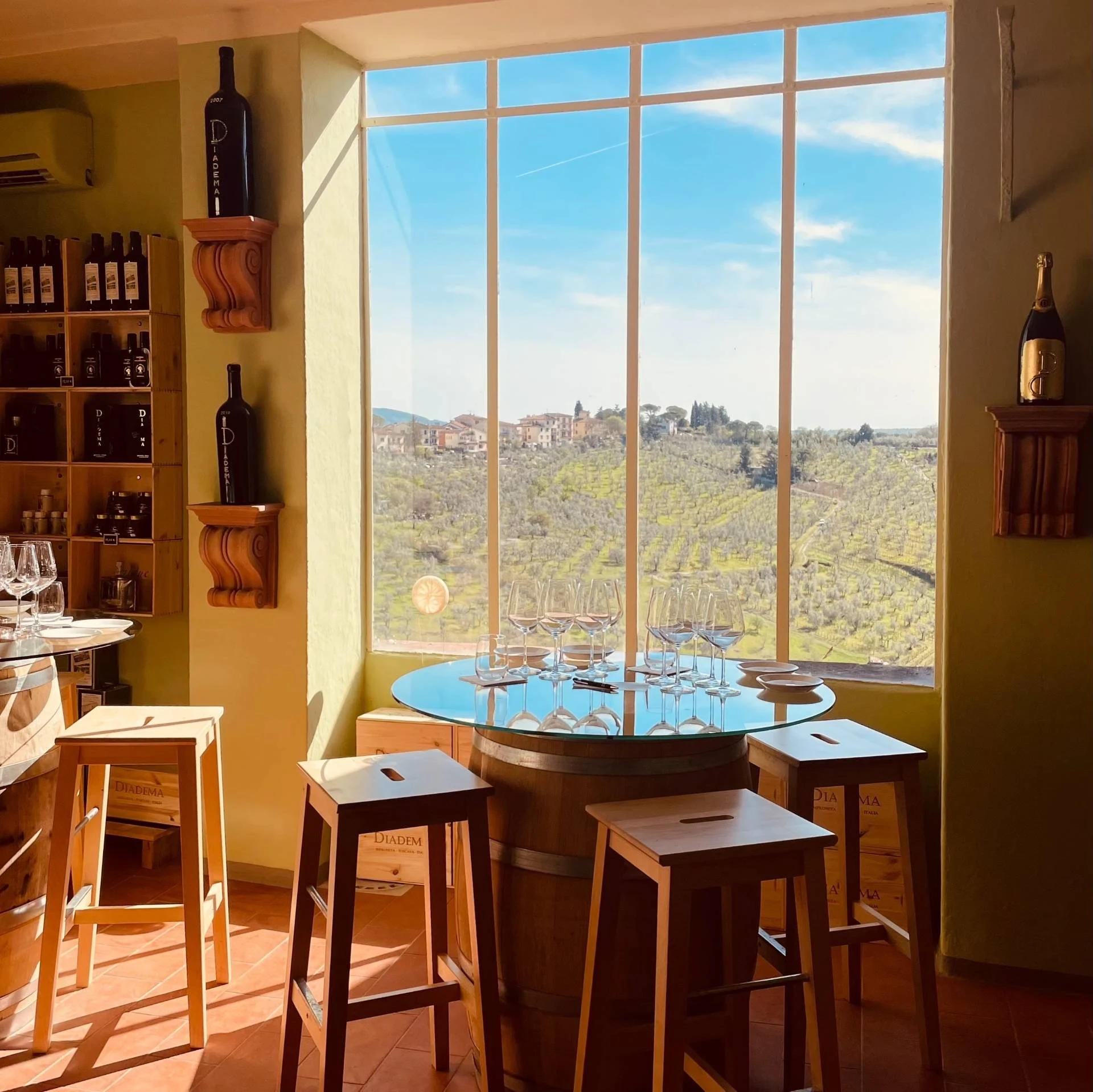
Named wine range is compact rather than encyclopedic: Chianti Colli Fiorentini, Chianti Classico Le Masse di Greve, and Chianti Classico Le Masse di Greve Riserva. That hierarchy is useful for visitors because it shows the estate working across two adjacent identities rather than presenting a loose tasting of unrelated bottles. Colli Fiorentini keeps the Florence-facing side in view; Chianti Classico and Riserva move the conversation into a stricter, more historically weighted zone. For readers mapping the area before a trip, Our full Impruneta wineries guide gives the broader local context, while nearby winery pages such as Champagne Diadema, La Querce, and Tenuta Collazzi help map how varied the Impruneta wine scene can be without forcing a direct comparison.
Estate hospitality here is about food, oil, and the pace of a working property
In Tuscany, the stronger agriturismo addresses tend to avoid separating lunch from land. Lanciola’s restaurant format follows that logic. The cooking is framed around traditional Tuscan home cooking, estate wines, and local products, with the private restaurant space, Cucina de’ Ricci, acting as the domestic counterweight to the cellar. The point is not spectacle. It is a controlled, rural table where wine is not treated as an accessory to a menu but as part of the same agricultural system as the olive oil and kitchen.
The hospitality model is planned rather than drop-in. Tastings are by reservation, the restaurant operates on a reservation basis, and the property also supports private events, receptions, and family-oriented gatherings. That structure suits estates where the visitor experience has to coexist with agriculture, accommodation, and cellar sales. It also changes the mood: quieter, more deliberate, and better suited to people who want the estate context around the glass rather than a fast tasting-room circuit.
The historical layer adds weight without needing costume drama. The property’s past reaches back to Medicean-era ownership by the Ricci family, with current stewardship associated with the Guarnieri family. In a region where heritage is often overplayed, the more useful fact is continuity of land use: vines, olive groves, hospitality, and cooking remain tied to the same rural economy. The sustainability language attached to the estate is broad, but the mixed-use model, vineyards, olive groves, agriturismo, and direct cellar sales, points to a form of stewardship based on keeping the property economically active as farmland.
For a fuller Impruneta itinerary, the surrounding are the sensible planning layer: Our full Impruneta restaurants guide, Our full Impruneta hotels guide, Our full Impruneta bars guide, and Our full Impruneta experiences guide. For readers building a broader Italian wine map beyond Tuscany, useful reference points include 3GP SRL in Treviso, 47 Anno Domini in Trebaseleghe, A Mano Wine in Noci, a6mani in Fragagnano, and Abbadia Ardenga in Torrenieri. Wider European winery browsing can continue with »der Steiner« Hans Steiner in Podersdorf am See and & Handwein in Mannheim.
Who should choose this kind of Tuscan estate table
Lanciola is strongest for travelers who want terroir expressed through a complete rural setting: red wines, olive oil, countryside lodging, and traditional food in one property. It is less suited to anyone chasing formal restaurant theatrics or trophy-led wine tourism. The price band sits at $$, and the tone is casual, which aligns with the estate’s home-cooking language rather than a polished tasting-menu frame.
The estate’s recognition is not built on medals or formal ratings. Its credibility comes from more concrete signals: a defined appellation identity, named Chianti bottlings, known grape varieties, a family-run agricultural model, and a hospitality structure that connects cellar, table, and land. In Impruneta, that is a persuasive proposition. The wines are not being asked to perform in isolation; they are read against hillsides, olive groves, Tuscan cooking, and the slow commercial logic of a working estate near Florence.
Questions
Frequently asked
How expensive is Lanciola?
Lanciola is listed at a price level of $$.
The field
How it compares
| Place | Notes |
|---|---|
| Lanciola | Pozzolatico, $$ |
| Champagne Diadema | Impruneta |
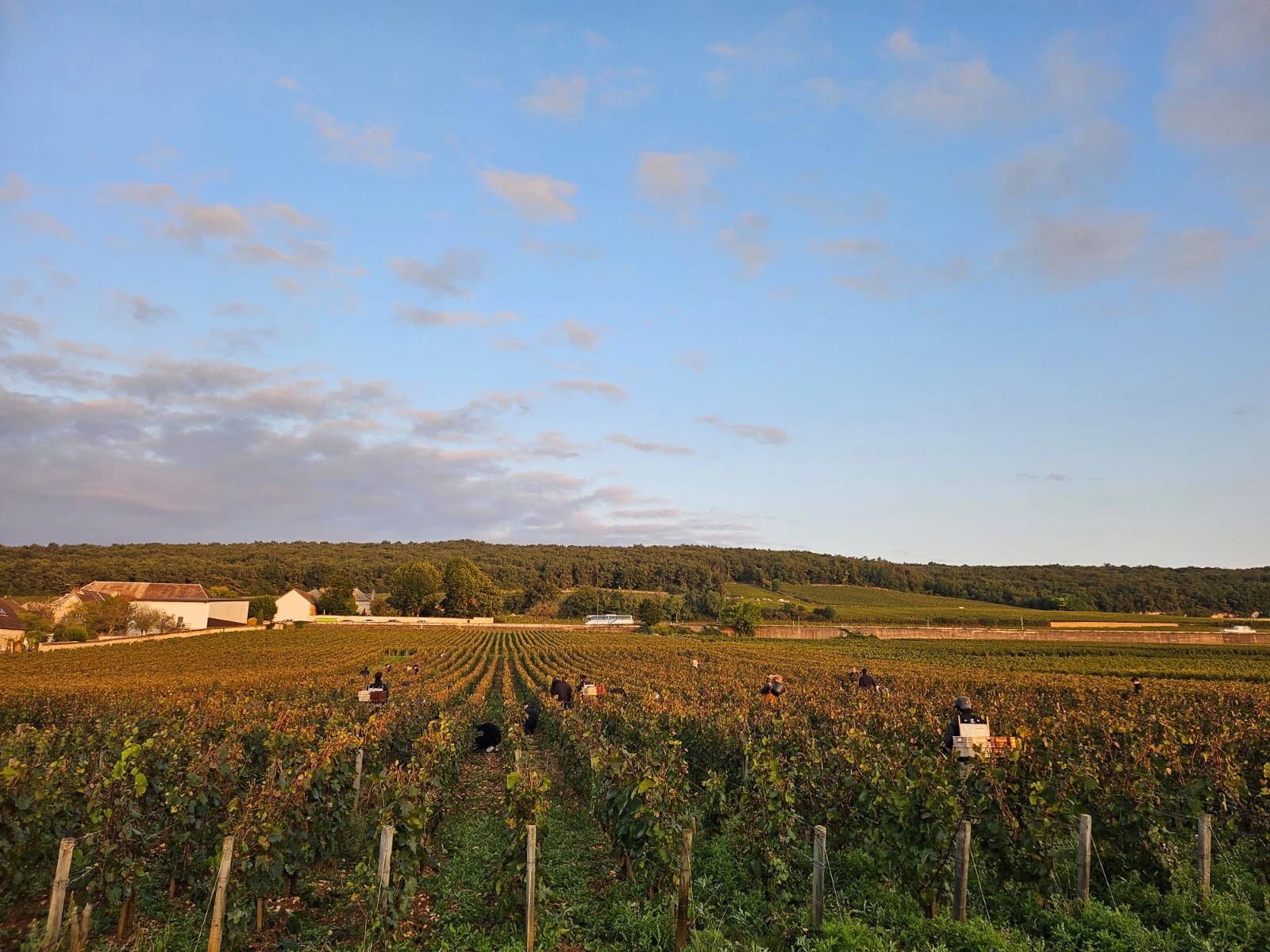
| Domaine du Comte Liger-Belair | Vosne-Romanée |
| La Querce | Impruneta |
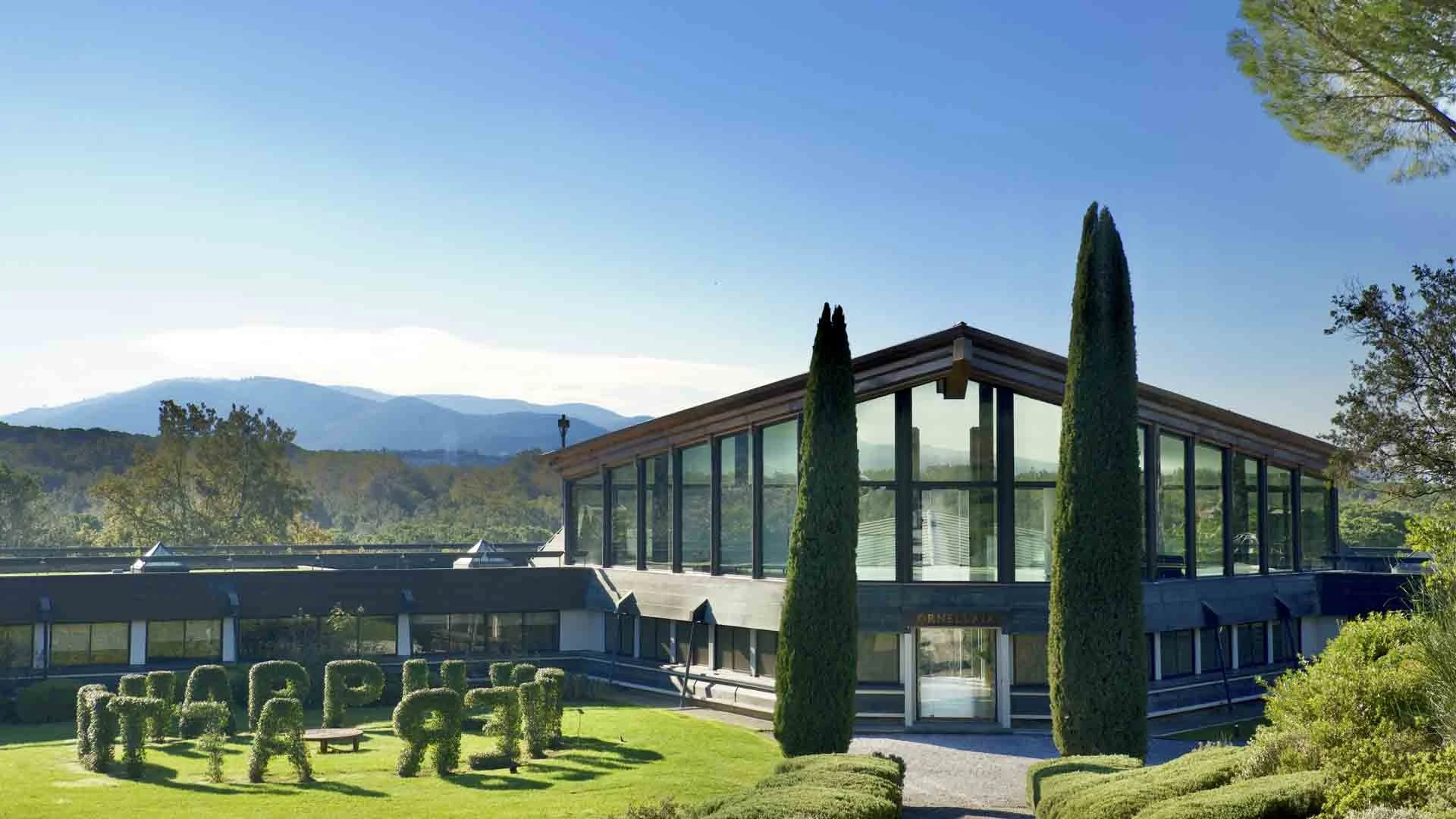
| Ornellaia | Castagneto Carducci |
| Tenuta Collazzi | Impruneta |
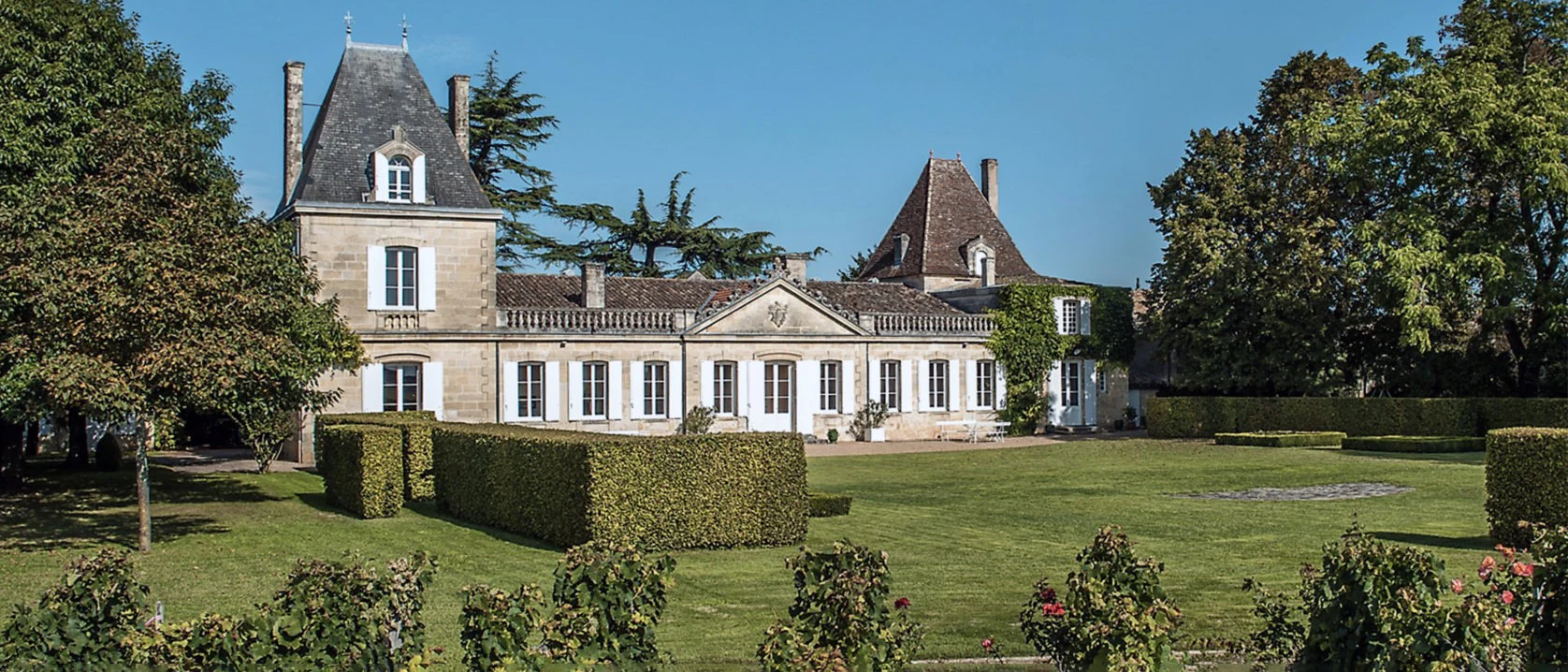
| Vieux Château Certan | Pomerol |