Le Clos d'un Jour
- 01CityDuravel, France
- Falstaff Winery - Listed · 2026
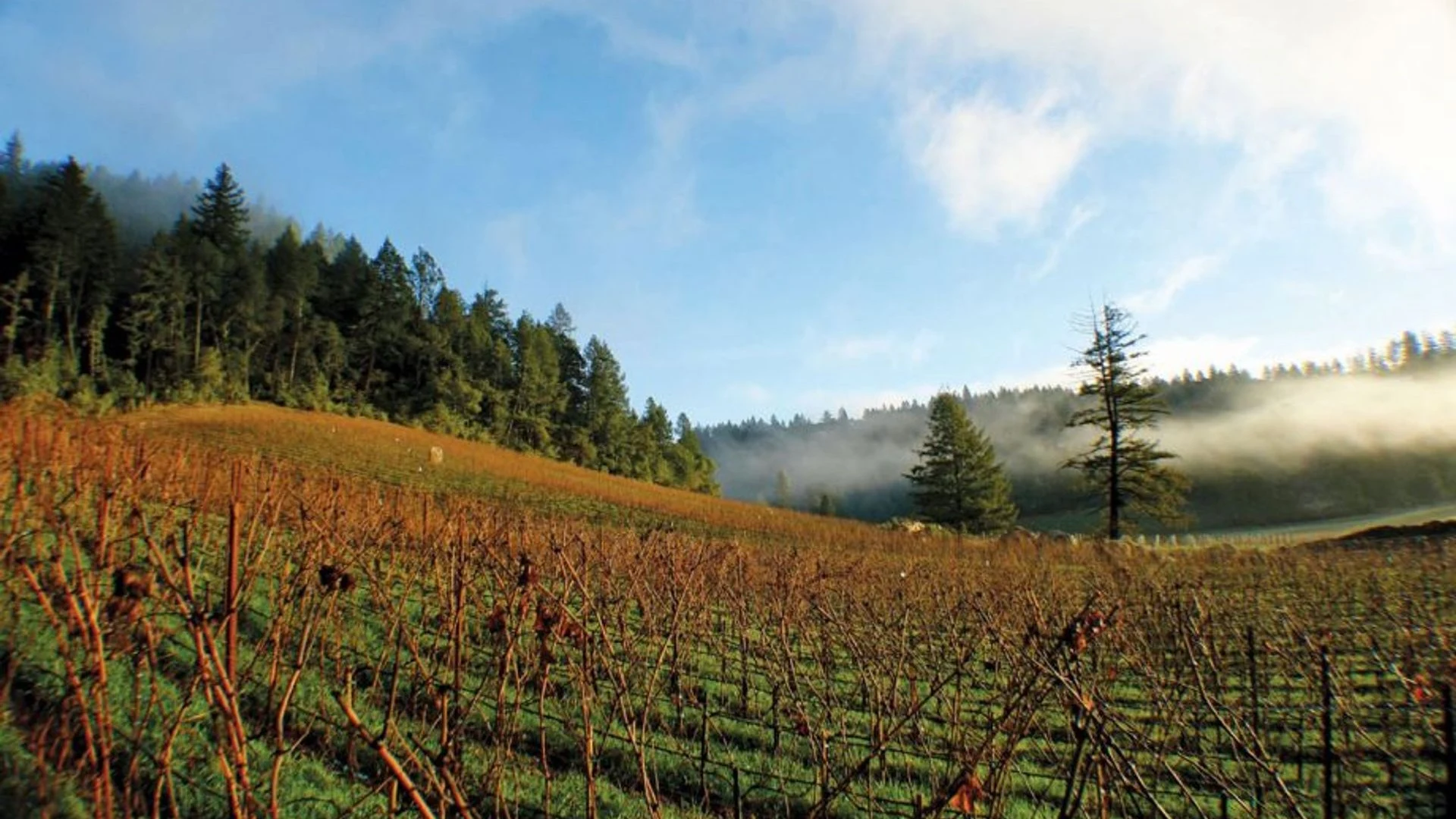
On the third terrace of the Lot, the Cahors story at Le Clos d’un Jour is best understood through setting and restraint: an organic, artisanal estate in Duravel, a quiet cellar and vineyard environment, and a focus on Malbec rather than spectacle. The visit is not framed here as a broad hospitality production; it is a private, appointment-based tasting experience built around the estate, the cellar and the materials used in the winemaking. That narrower frame matters, because it sets expectations before arrival: the point is not to be entertained at a distance, but to spend time with the place and the choices that shape the wine.
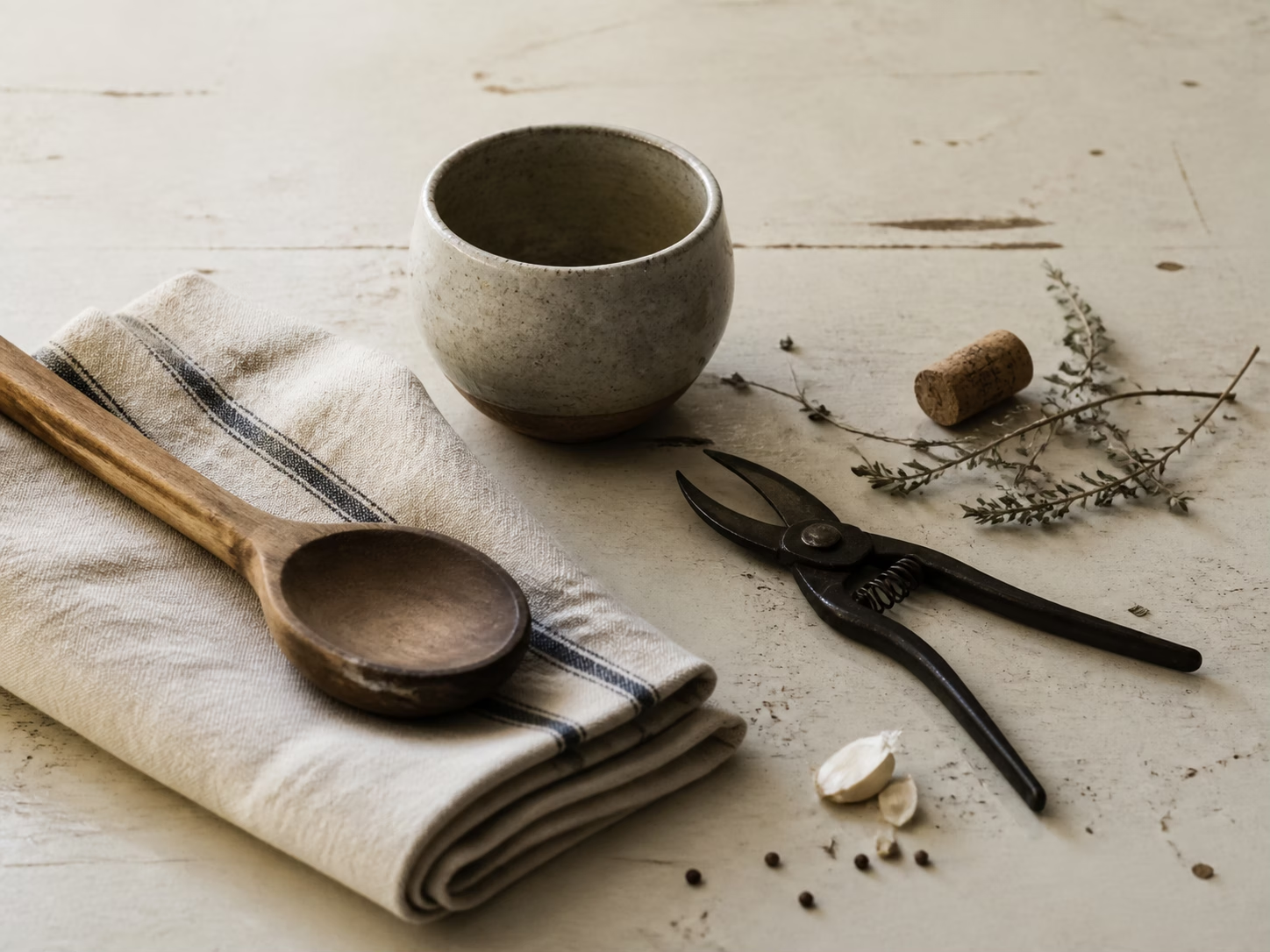
For travelers interested in Cahors, the appeal is the chance to approach Malbec in a more intimate way. Le Clos d’un Jour is presented as a small-feeling estate experience where traditional equipment and ceramic jars are part of the conversation, and where the tasting is oriented toward education rather than showmanship. In that sense, the estate is most compelling for visitors who want the region explained through practical details and direct observation, rather than through a generalized wine-tour format.
Malbec on the Lot's third terrace, read through soil rather than spectacle
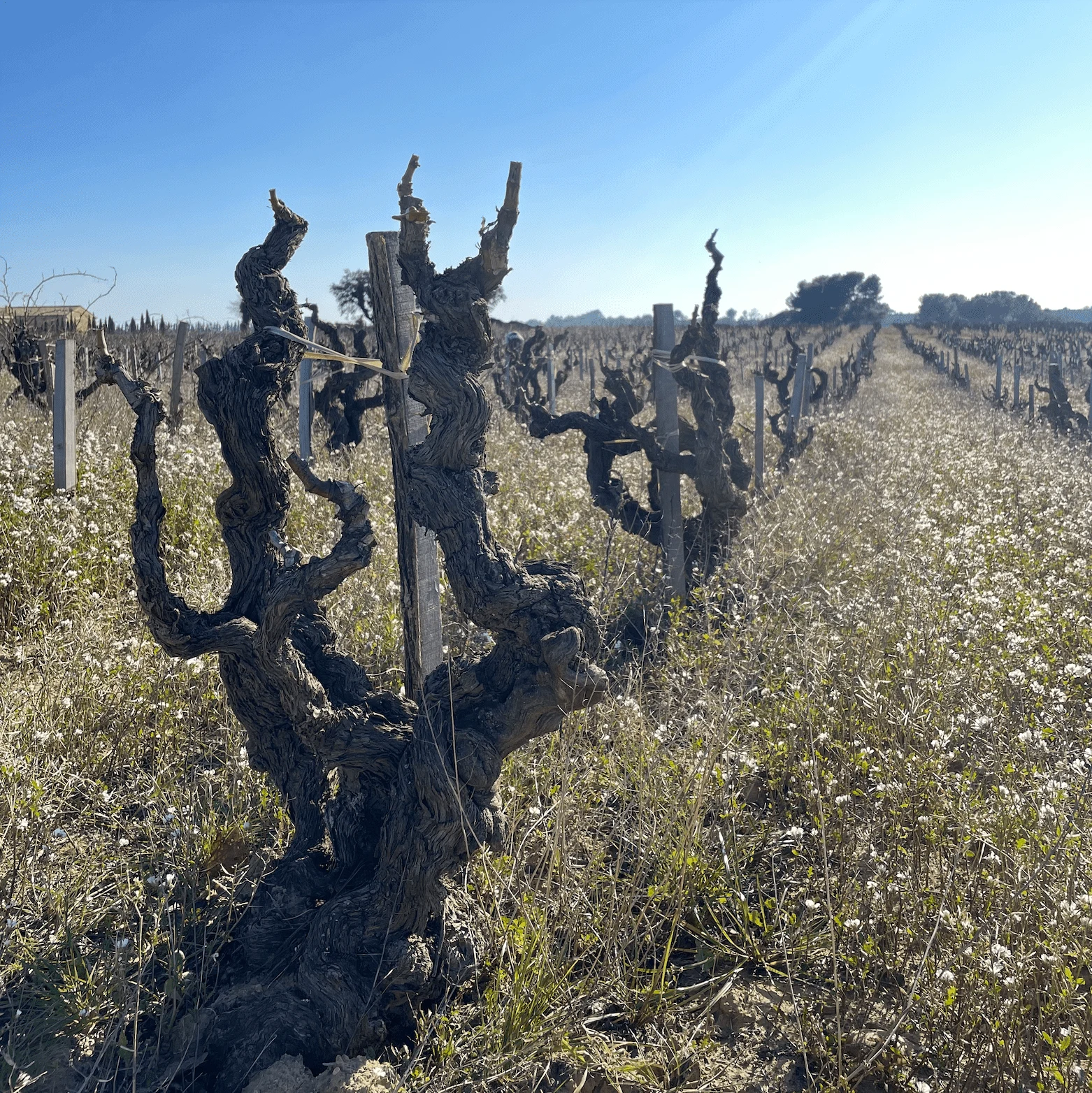
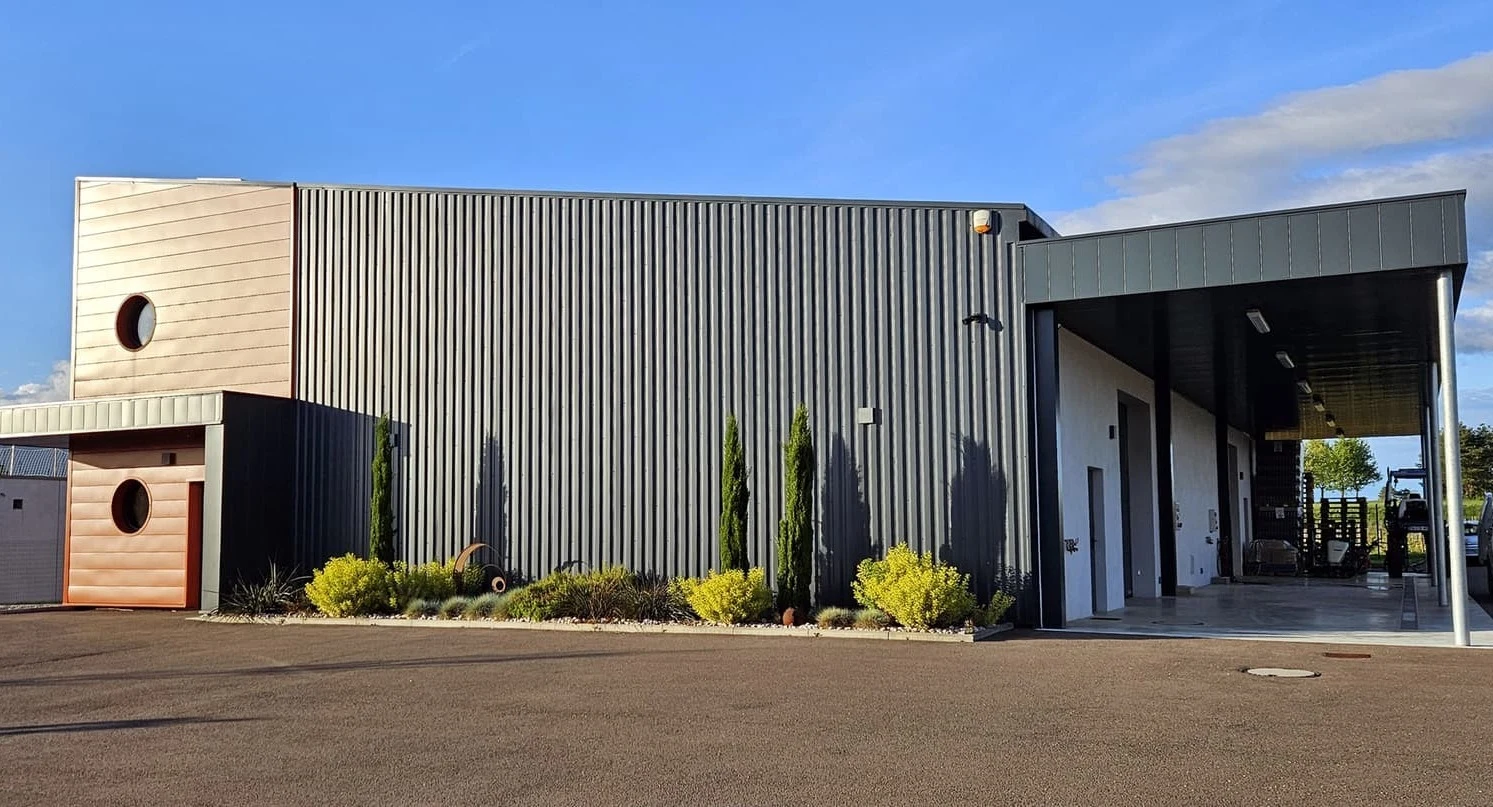
The estate’s position on the Lot’s third terrace is central to its identity. Rather than relying on a polished visitor-center atmosphere, Le Clos d’un Jour is grounded in a vineyard and cellar setting that keeps attention on Cahors, Malbec and the work behind the wine. The terrace context gives the visit a sense of location: this is not just a tasting in isolation, but a way of reading the wine through the ground, the cellar and the estate’s restrained rhythm.
The profile is concise: this is an organic artisanal Cahors estate in Duravel, with a quiet, intimate environment and private tastings by appointment. The emphasis is on learning how the estate approaches Malbec, including the role of traditional equipment and ceramic jars, without turning the visit into a theatrical production. The result is a deliberately modest kind of encounter, where the interest comes from method, material and explanation rather than from a staged sense of occasion.
For a broader Duravel planning frame, treat Le Clos d’un Jour as a wine-focused estate visit rather than a general dining or nightlife listing. Other food, lodging and evening plans should be considered separately, with this stop centered on Cahors, Malbec, the cellar and the vineyard setting. It is the sort of visit to anchor around conversation and attention, leaving the rest of the day’s itinerary to carry the more social or logistical parts of a trip.
Traditional equipment and ceramic jars shape the tasting conversation
Le Clos d’un Jour is best approached as an educational Cahors stop rather than as a venue defined by a large published menu of experiences. The grounded details point to Malbec, traditional cellar equipment and ceramic jars, which give the tasting a clear technical focus without requiring inflated claims about specific cuvées, scores or awards. Those elements are useful because they make the discussion tangible: visitors can connect the wine in the glass with the tools, vessels and cellar thinking described on site.
That makes the visit useful for travelers who want to ask practical questions about how vessel choice, cellar work and estate setting affect the final impression of Cahors wine. The atmosphere is described as rustic and intimate, so the strength of the experience lies in direct explanation and close contact with the place rather than scale. It is a format that rewards curiosity, especially from drinkers who prefer to understand process instead of simply moving through a list of pours.
The price level is listed as $$, but the most important planning detail is access: tastings are private and appointment-based. Visitors should treat Le Clos d’un Jour as a planned estate visit in Duravel, not as a casual drop-in stop. That practical distinction is part of the character of the experience, reinforcing the sense that the tasting is arranged around attention, availability and the estate itself.
A quiet Cahors visit for drinkers who want the mechanics explained
The mood is rustic, quiet and educational, closer to an organic estate than a destination venue built around design. The main pleasure is the sequence of place, cellar and Malbec, with ceramic jars and traditional equipment giving the conversation a concrete point of reference. Nothing in the description suggests excess; the value comes from the clarity of the subject and the closeness of the setting.
Its appeal is specific. It suits drinkers interested in Cahors, organic estate work, Malbec and the technical choices behind a small, appointment-based tasting. Because the public record is limited, claims about specific dishes, extended services, awards, exact production details or fixed tasting formats should not be assumed from this guide. The safer and more accurate reading is that Le Clos d’un Jour offers a focused estate encounter, best judged by how well it explains its wine through the details already present.
The editorial verdict is simple: Le Clos d’un Jour is for travelers who want Cahors explained through an intimate estate setting, not dressed up as rural theatre. Its strongest grounded argument is the disciplined Malbec focus, with organic estate context, traditional equipment and ceramic jars giving the visit a clear educational spine. For the right visitor, that restraint is precisely the attraction: a quiet way into Cahors that leaves the wine, the cellar and the vineyard setting at the center.
Questions
Frequently asked
How expensive is Le Clos d'un Jour?
Le Clos d'un Jour is listed at a price level of $$.
The field
How it compares
| Place | Notes | Awards |
|---|---|---|
| Le Clos d'un Jour | Duravel, $$ | · |
| Château Pichon-Longueville-Comtesse-de-Lalande | Pauillac | · |
| Château Pontet-Canet | Pauillac | · |
| Domaine La Barroche | Châteauneuf-du-Pape | · |
| Domaine Roulot | Meursault | · |
| Hundred Acre | Napa | · |
| Quinta do Noval | Pinhão | World's 50 Best |