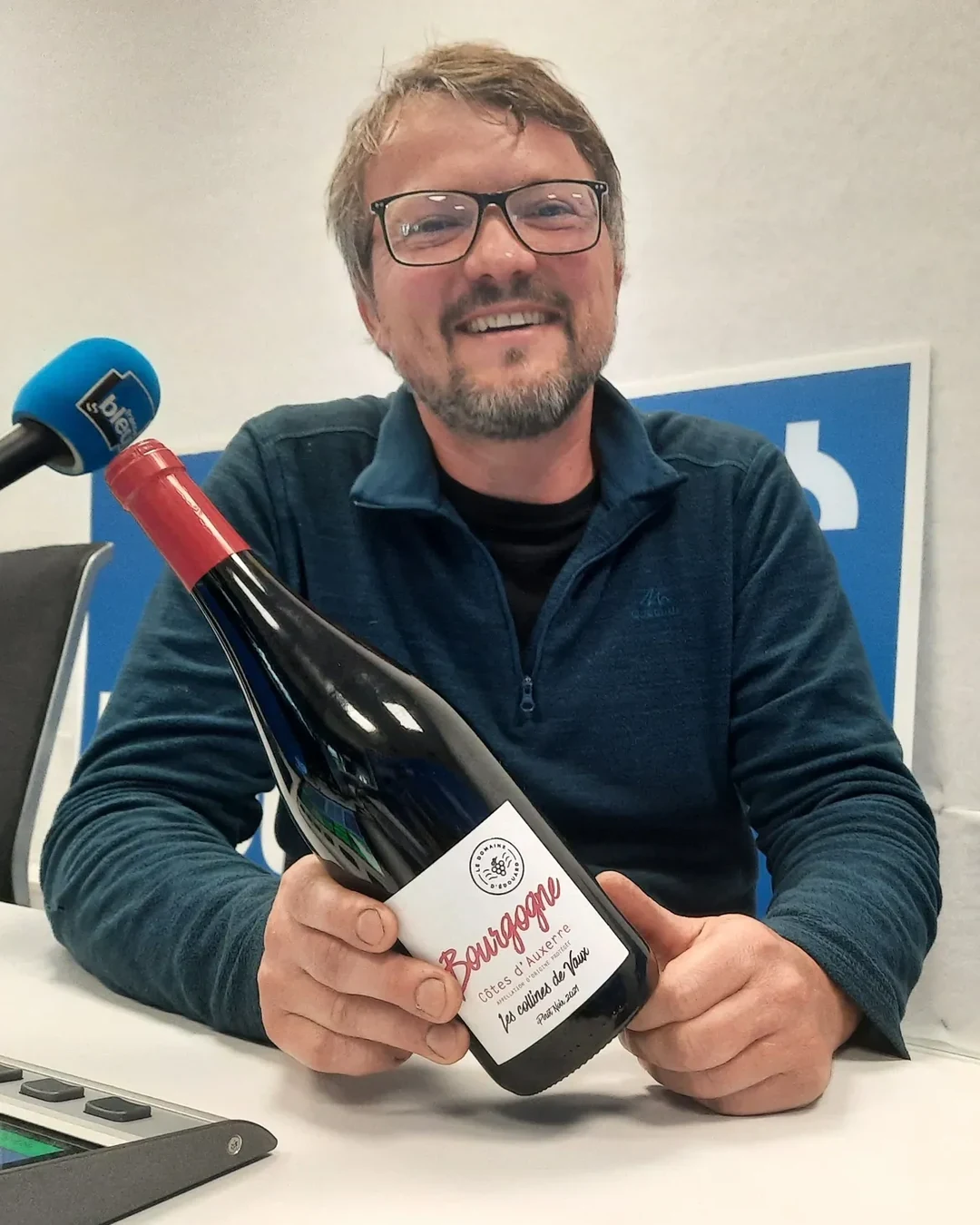
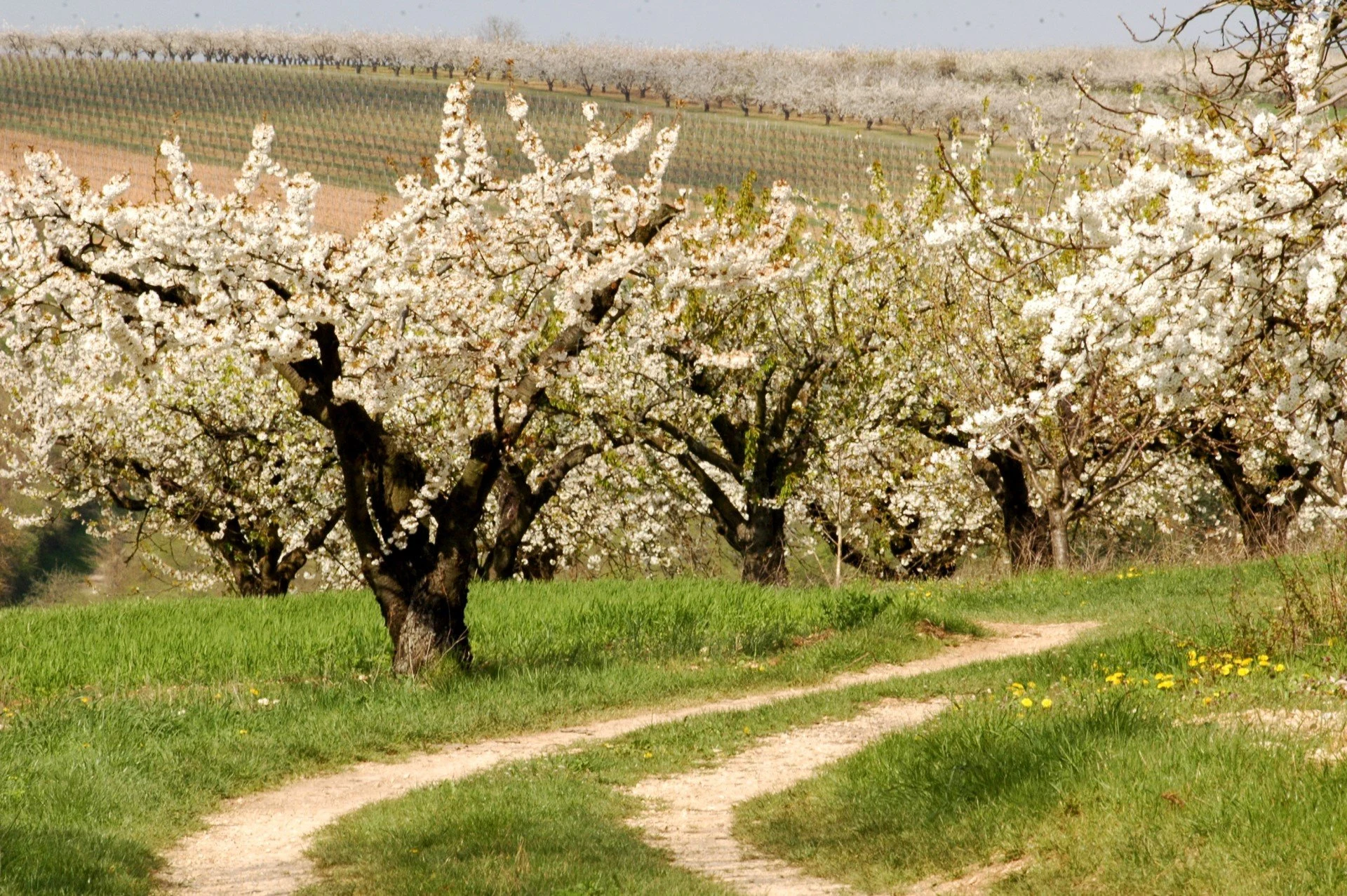
Le Domaine d'Edouard occupies a quiet corner of Burgundy's broader Auxerrois production zone, positioned within the Pearl prestige tier as recognised through La Paulée 2026. For those tracing the northern arc of Burgundian terroir, where limestone and cool continental temperatures shape wines of marked mineral precision, this address in Vaux rewards investigation.
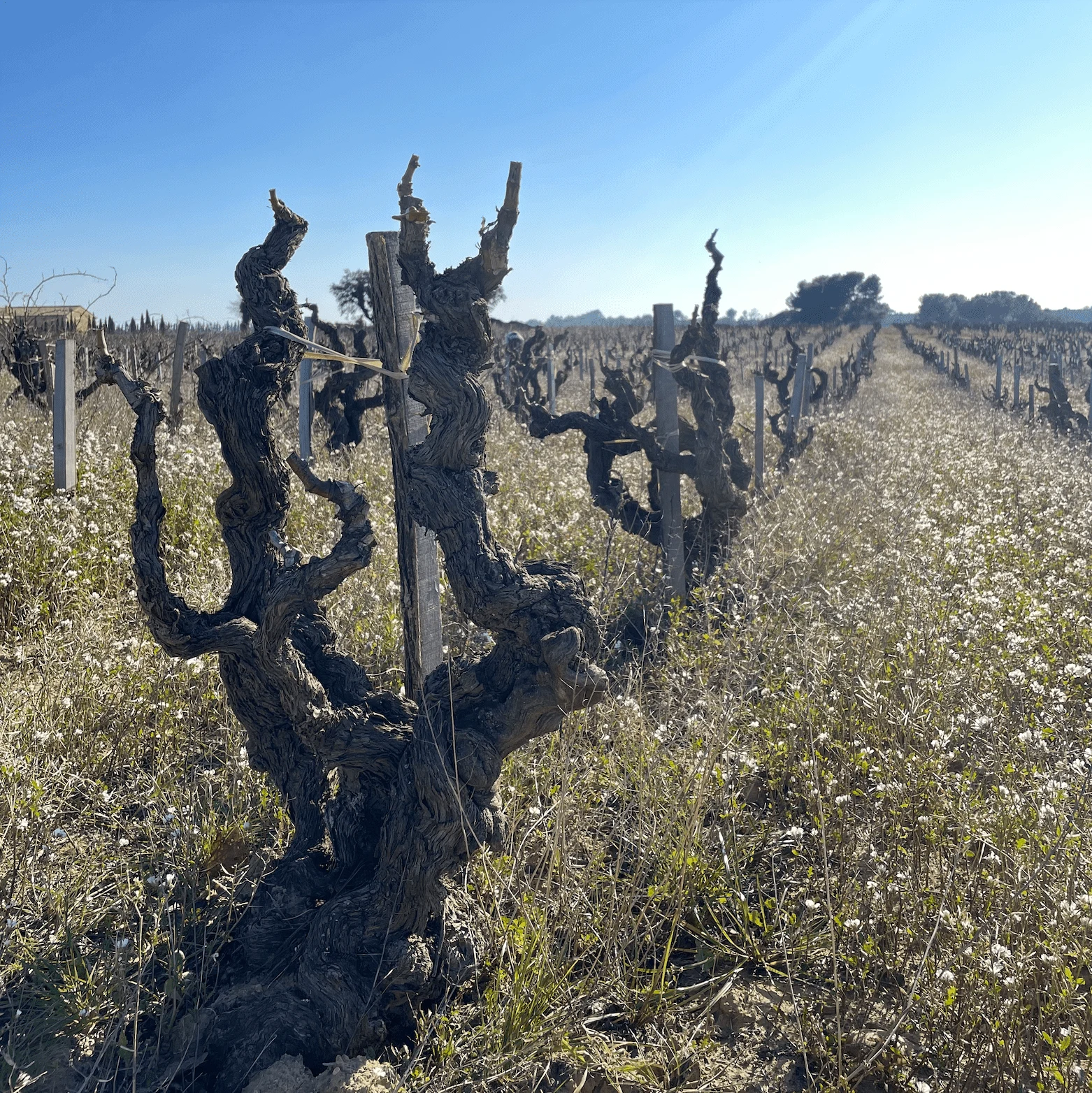
<h2>Limestone Country, Northern Burgundy's Quiet Arc</h2><p>The Auxerrois sits at Burgundy's northern edge, where the appellations grow smaller, the producers fewer, and the soils speak in a register that is genuinely distinct from the Côte d'Or's more celebrated communes. The villages around Auxerre, Chablis to the northeast, and the scattered plots of Irancy and Saint-Bris to the south form a belt of production that has long operated in the shadow of the grands crus corridor to the south. That relative obscurity has, for a certain type of wine drinker, become the draw. Vaux, a small commune in the Yonne department, sits inside this geography. Le Domaine d'Edouard, addressed at 43 Rue de Vallan, belongs to this northern expression of Burgundy's vine-growing tradition.</p><h2>Terroir as the Argument</h2><p>What distinguishes the northern Burgundy arc from the more documented Beaune corridor is primarily a matter of climate and subsoil. Average temperatures in the Yonne department run lower through the growing season than in the Côte de Nuits or Côte de Beaune, which pushes phenolic ripeness later into autumn and tends to produce wines with higher natural acidity, more pronounced minerality, and a leaner structural profile. This is not a deficit. In vintages where the Côte d'Or sees heat accumulation that tips fruit registers toward richness, the Auxerrois can produce wines of sharper definition and longer aging trajectories.</p><p>The limestone-dominant soils of the Yonne share geological ancestry with Chablis's celebrated Kimmeridgian beds, though the expression varies by plot elevation, aspect, and clay content. Producers working this terrain are, in effect, working in dialogue with the land in ways that more heavily managed estates elsewhere in Burgundy sometimes suppress. Le Domaine d'Edouard's recognition at La Paulée 2026 places it within a curated cohort of producers whose wines are considered worthy of that event's serious collector and trade audience.</p><p>For context on how other French estates operate within different terroir registers and prestige frameworks, the comparison set is broad. <a href="https://www.enprimeurclub.com/wineries/chateau-bastor-lamontagne">Château Bastor-Lamontagne in Preignac</a> and <a href="https://www.enprimeurclub.com/wineries/chateau-branaire-ducru-st-julien">Château Branaire Ducru in St-Julien</a> operate within Bordeaux's classification hierarchy, where soil and appellation prestige interact with a centuries-old ranking system. Burgundy operates differently, with the land itself carrying classification rather than the château, which means an estate's reputation is inseparable from the vineyards it farms.</p><h2>Placing Le Domaine d'Edouard in the Northern Burgundy comparable set</h2><p>Northern Burgundy's smaller estates frequently operate without the infrastructure of négociant relationships or the export machinery of the more famous Côte d'Or houses.</p><p>Le Domaine d'Edouard is placed in a bracket that includes producers recognised for consistent quality signals rather than a single standout vintage or a single celebrated vineyard parcel. This kind of sustained tier placement, rather than a spike driven by one harvest, is generally considered a more reliable indicator of an estate's overall approach to viticulture and vinification. Compare this with how <a href="https://www.enprimeurclub.com/wineries/chateau-belair-monange-saint-emilion-winery">Château Bélair-Monange in Saint-Emilion</a> or <a href="https://www.enprimeurclub.com/wineries/chateau-clinet-pomerol">Château Clinet in Pomerol</a> are assessed within Bordeaux's right bank, where single-vineyard concentration and appellation prestige interact in well-documented ways. Burgundy's northern estates are assessed by a different calculus, one rooted in soil type, altitude, and the producer's capacity to translate those variables into the glass without over-intervention.</p><p>Other estates working at the intersection of terroir fidelity and prestige recognition include <a href="https://www.enprimeurclub.com/wineries/albert-boxler-niedermorschwihr-winery">Albert Boxler in Niedermorschwihr</a>, whose Alsatian grand cru holdings demonstrate how northern French viticulture at its most precise can command serious critical attention, and <a href="https://www.enprimeurclub.com/wineries/accendo-cellars">Accendo Cellars in St. Helena</a>, which represents a different hemisphere's approach to single-vineyard expression. The through-line connecting these estates across geographies is a commitment to letting site conditions dictate the wine's structure rather than correcting away from them in the cellar.</p><h2>The Case for Auxerrois Producers at This Tier</h2><p>The argument for paying attention to estates like Le Domaine d'Edouard rests on a direct pattern observable across the last two decades of Burgundy pricing and availability. As the Côte d'Or's premier and grand cru wines have moved into price brackets that put them beyond the reach of most private buyers, collectors and trade professionals have methodically worked outward through the map, first to village and regional appellations, then to the satellite zones including the Mâconnais, Chablis, and the Auxerrois. This progression is not simply about value substitution; it reflects a genuine critical reassessment of what the northern and southern fringes of Burgundy can produce at their own level of expression.</p><p>The Yonne's producers have benefited from this reassessment, and those who have maintained consistent quality across vintages have seen their allocation lists lengthen accordingly. Recognition at events such as La Paulée, which draws a global audience of Burgundy's most committed buyers, accelerates this trajectory by introducing estates to a network that operates primarily on personal recommendation and allocation-based relationships. Le Domaine d'Edouard's presence within that structure places it at the intersection of regional identity and broader critical visibility, a position that is harder to achieve without genuine site quality behind it.</p><p>For broader context on French prestige producers across categories and regions, the EP Club library covers estates from <a href="https://www.enprimeurclub.com/wineries/chateau-boyd-cantenac-cantenac-winery">Château Boyd-Cantenac in Cantenac</a> to <a href="https://www.enprimeurclub.com/wineries/chateau-cantemerle-haut-medoc">Château Cantemerle in Haut-Médoc</a>, as well as Sauternes properties including <a href="https://www.enprimeurclub.com/wineries/chateau-d-arche-sauternes-winery">Château d'Arche</a> and <a href="https://www.enprimeurclub.com/wineries/chateau-batailley-pauillac-winery">Château Batailley in Pauillac</a>. Across all of these, the relationship between defined terroir and sustained prestige recognition follows consistent logic. For spirit producers and other categories in the French premium tier, <a href="https://www.enprimeurclub.com/wineries/chartreuse-voiron-winery">Chartreuse in Voiron</a> and <a href="https://www.enprimeurclub.com/wineries/aberlour-aberlour-winery">Aberlour</a> illustrate how provenance and production tradition intersect with reputation in non-wine categories.</p><h2>Planning a Visit</h2><p>Le Domaine d'Edouard is located at 43 Rue de Vallan in Vaux, within the 89290 postal zone that covers Auxerre and its surrounding communes in the Yonne department. Advance contact is recommended before planning a visit. Rosé producer <a href="https://www.enprimeurclub.com/wineries/chateau-desclans">Château d'Esclans in Courthézon</a> similarly operates within a direct-relationship model for its upper-tier allocations, a structural parallel worth noting for buyers accustomed to the access patterns of southern French premium production.</p>
Le Domaine d'Edouard is a working estate in Vaux, a small commune in the Yonne department near Auxerre. The address at 43 Rue de Vallan places it in the kind of rural northern Burgundy setting typical of family-scale producers in the Auxerrois zone, where the operation centres on the vineyard rather than visitor amenities. Come with the expectation of a producer visit, not a tasting room experience.
Le Domaine d'Edouard has received recognition including: Pearl prestige tier backfill for La Paulée 2026 event-item producer import (la_paulee_missing_wineries_awards_20260224). Calibrated against existing winery prestige distribution..
Specific wines and vintages from Le Domaine d'Edouard are not confirmed in the current public sources, so no particular bottlings are recommended here.What can be said is that the estate earned Pearl prestige tier recognition calibrated against the broader northern Burgundy producer set for La Paulée 2026, which positions it among the Auxerrois estates worth seeking out.Contact the domaine directly at 43 Rue de Vallan, Vaux, to confirm current availability.
Le Domaine d'Edouard is located at 43 Rue de Vallan, 89290 Auxerre, Vaux.
The case is regional as much as it is about the estate itself. Northern Burgundy's Auxerrois sits outside the main Côte d'Or circuit, meaning producers here receive less export attention despite operating on comparable limestone soils and with similar winemaking seriousness. Le Domaine d'Edouard's Pearl prestige tier calibration for La Paulée 2026 places it within a recognised comparable set of smaller estates that merit attention before wider coverage catches up.
43 Rue de Vallan, 89290 Auxerre
Vaux