- Michelin Plate · 2026
- Opinionated About Dining Casual in North America Recommended · 2026
- Opinionated About Dining Casual in North America Ranked #573 · 2025
- Michelin Plate · 2025
- Opinionated About Dining Casual in North America Ranked #480 · 2024
- Opinionated About Dining Casual in North America Highly Recommended · 2023
The Rhythm of the Season at Montreal's Seafood Counter
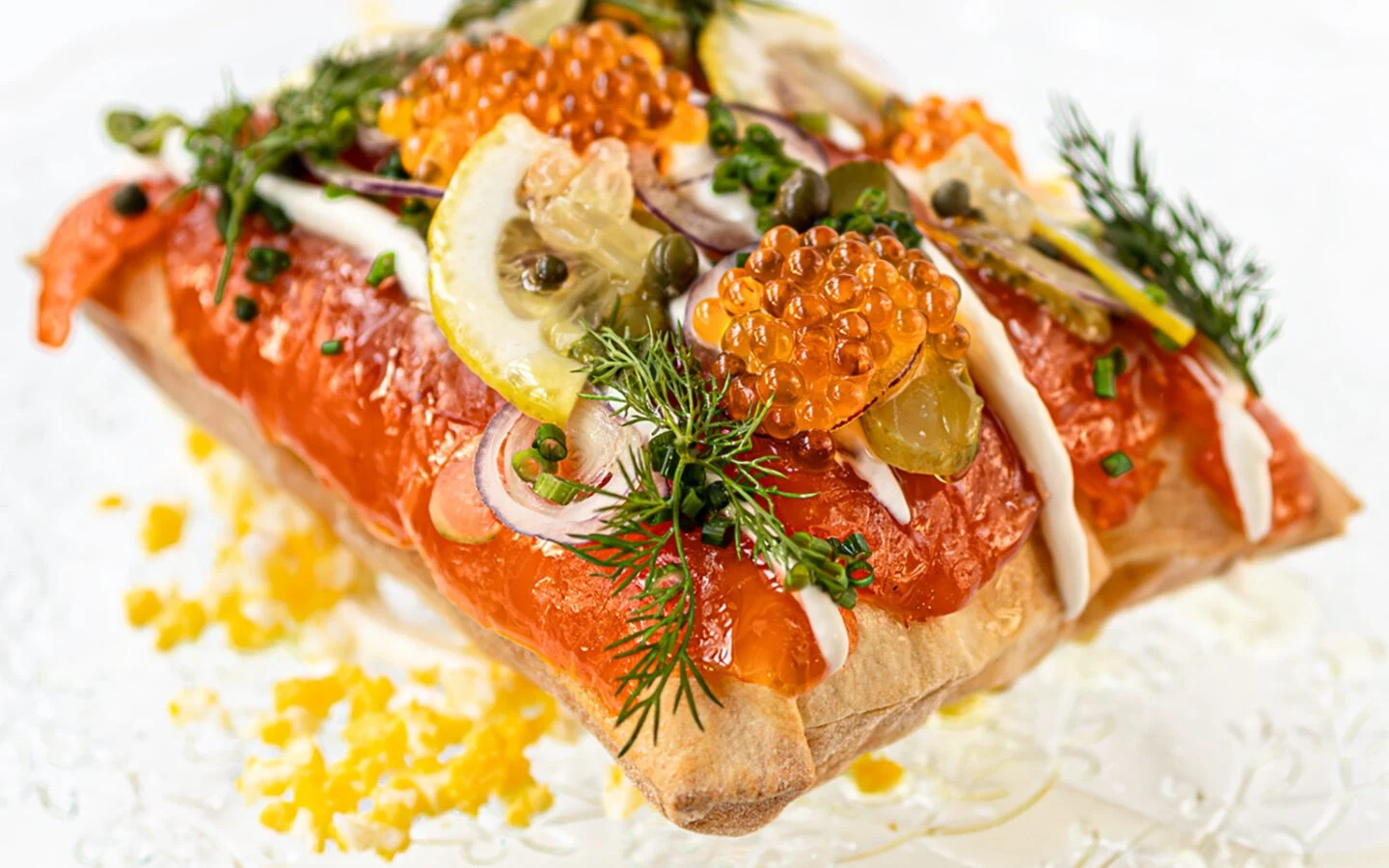
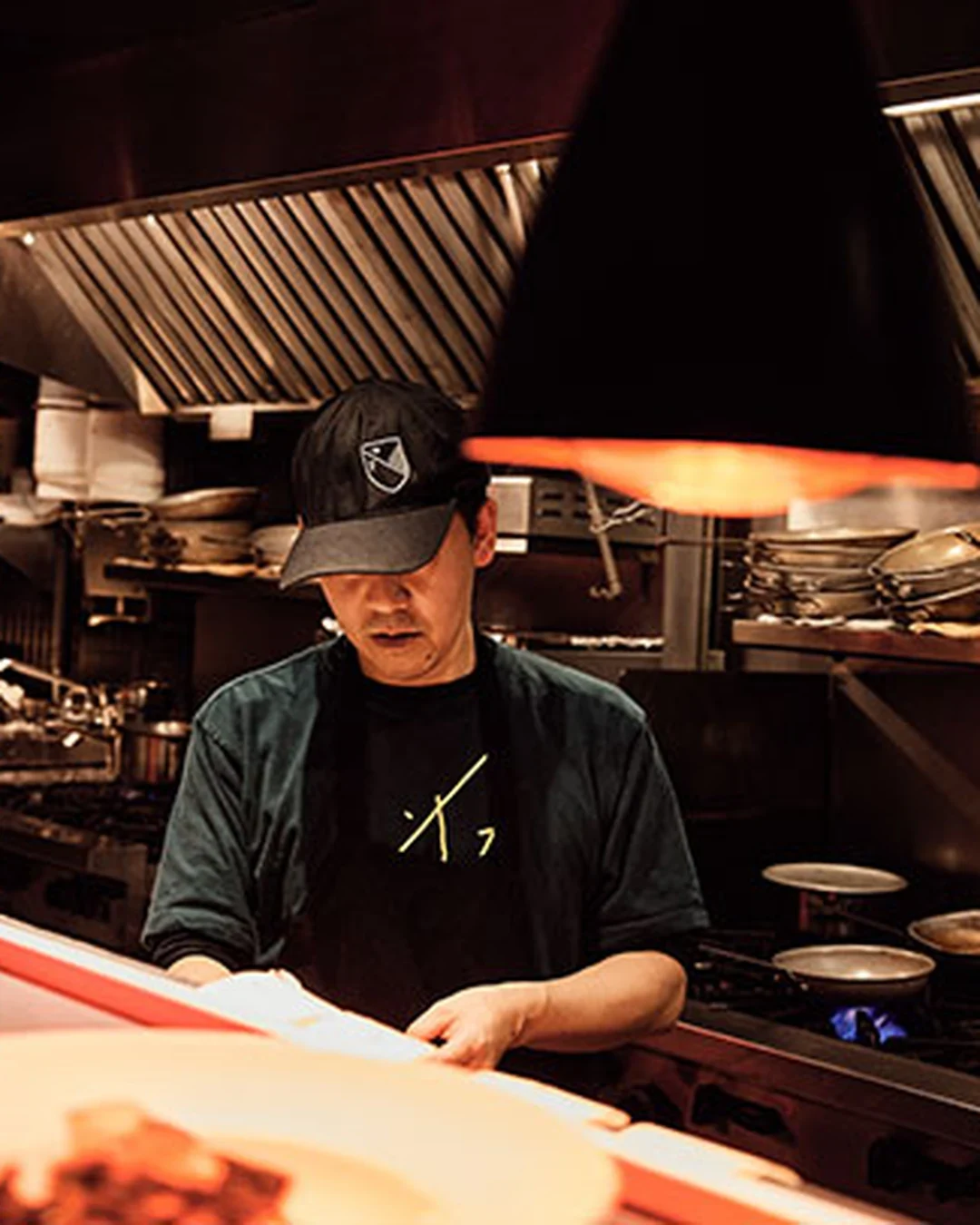
Montreal's serious dining scene has long organised itself around two poles: the grand French houses of downtown, places like Jérôme Ferrer's Europea and Sabayon, and the more constrained, market-led rooms that have proliferated across the Plateau and Mile End over the past decade. Le Filet is a Montreal restaurant serving Modern French-Japanese Fusion, led by chef Yasu Okazaki, with a 4.7 Google rating and a price level of about US$150 per person. Le Filet, at 219 Mont-Royal Ave W, belongs firmly to the second group. This is a kitchen that sets its own calendar rather than accommodating the broadest possible audience.
For visitors building a Montreal itinerary, that means planning around the kitchen's week rather than your own convenience.
Where Le Filet Sits in the Montreal Seafood Conversation
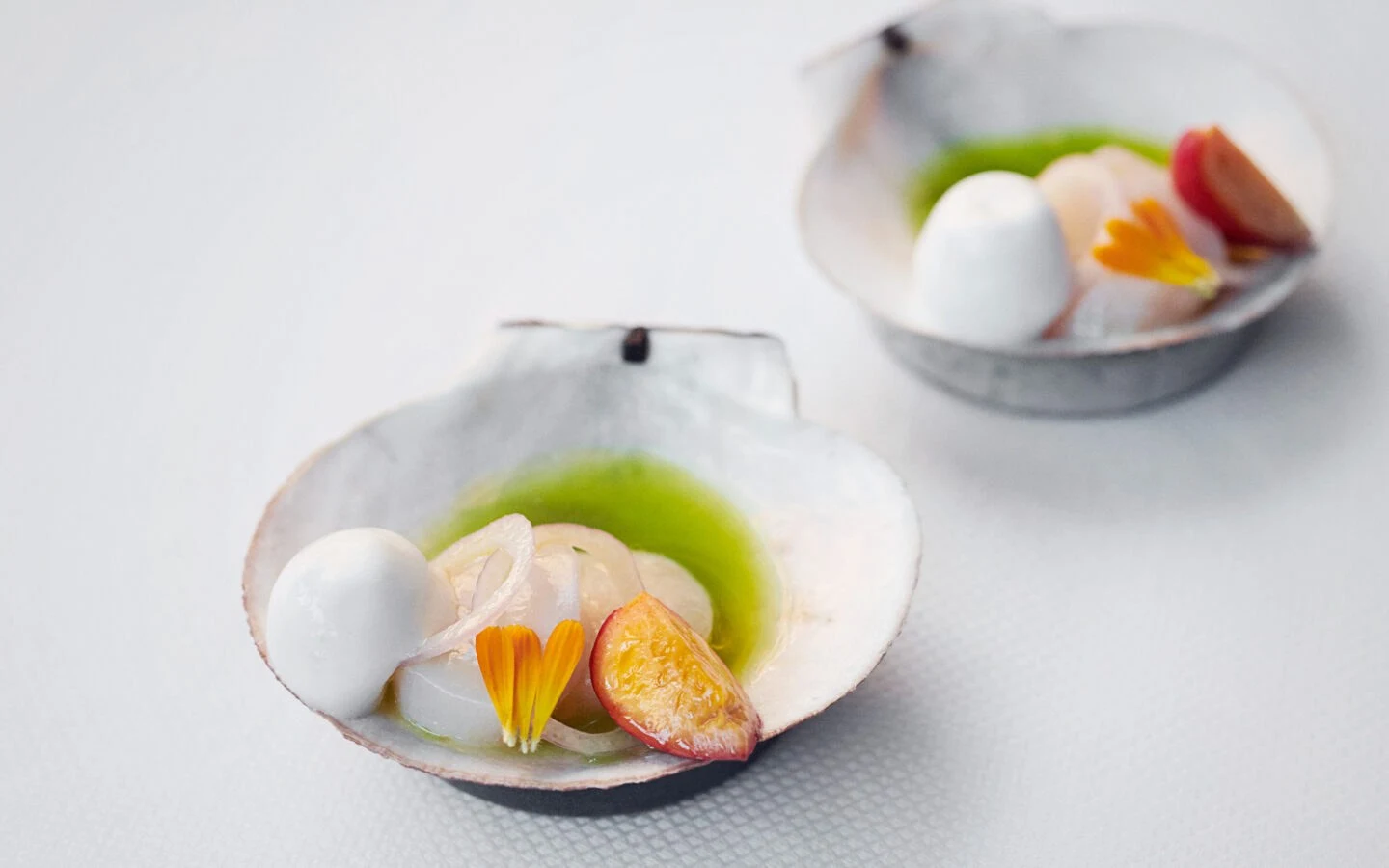
French seafood as a restaurant category sits in an interesting position in North America. It draws on a tradition, butter-poached fish, shellfish in cream and wine, the careful handling of raw product, that requires both technical precision and consistent access to supply. In Quebec, that supply picture is genuinely strong: the Gulf of St. Lawrence and the broader Atlantic seaboard offer scallops from the Îles-de-la-Madeleine, lobster from the Gaspésie coast, and a rotation of fish species that tracks the seasons more honestly than most urban seafood menus admit. A kitchen that works within that rhythm, rather than importing around it, produces a different kind of menu from month to month.
Le Filet's Michelin Plate recognition in 2025 places it in a cohort of Montreal restaurants that meet a defined quality threshold without necessarily operating at the full tasting-menu tier occupied by addresses like Alma. The Michelin Plate designation signals consistent cooking worth a stop; it does not imply the ceremony or price architecture of a starred room. That distinction matters for how you read the experience: this is somewhere to eat well and eat seafood specifically, not a vehicle for a multi-hour occasion.
Compare that consistency to the broader Montreal modern-cuisine tier, where Mastard and Annette bar à vin represent a busier, more wine-forward approach to the same general price bracket.
The Seasonal Tide: What the Calendar Means at a French Seafood Table
The editorial angle that matters most here is timing. French seafood cooking is not a cuisine that performs equally in every month, and in Quebec the seasonal shifts are pronounced. Spring brings the first run of Atlantic lobster from the Maritime provinces, typically from late April through June. Scallop season from the Îles-de-la-Madeleine runs a tighter window. Late summer and early autumn shift the focus toward fin fish, halibut from further north, turbot, the various flatfish that move through cooler Atlantic waters as temperatures drop. Winter menus at a kitchen like this tend to lean on cured, preserved, and braised preparations, working with what cold-water species remain available and what the kitchen has had time to develop in house.
This seasonal logic is not unique to Le Filet, it describes how any serious French seafood kitchen operates when it is paying attention. But it does mean that a visit in May and a visit in October produce genuinely different meals, not just different specials bolted onto a static menu. For readers accustomed to kitchens where the menu shifts in name only, that distinction is worth sitting with. The strongest argument for a second visit here is not novelty for its own sake but the fact that the product base has changed.
For a broader reference on how Quebec's seafood-forward kitchens handle this seasonal discipline along the river corridor, Narval in Rimouski operates in a similar register but with even more direct access to Gulf supply. The comparison is instructive: urban French seafood rooms like Le Filet must negotiate supply chains that coastal kitchens bypass entirely, which is part of why relationships with specific fishers and distributors matter so much at this level.
Chef Yasu Okazaki and the French-Japanese Inflection
The convergence of Japanese technique and French seafood tradition has become one of the more productive creative tensions in North American fine dining over the past fifteen years. A chef with Japanese training and a French seafood framework brings a particular set of instincts to the question of how fish is handled: the emphasis on temperature, on the precision of a cut, on restraint with heat. Without specific dish-level data confirmed from the kitchen, it would be speculative to describe individual preparations, but the combination of French culinary structure and Japanese product sensitivity tends to produce menus that treat raw and barely-cooked preparations as seriously as braised and reduced ones. That balance, where applicable, distinguishes this category from both the classical French poissonnerie and the purely Japanese approach.
For comparison at the higher ceremony end of Canadian seafood cooking, Alo in Toronto and AnnaLena in Vancouver represent how similar technical foundations play out in different coastal supply contexts. In Quebec City, Tanière³ applies a different, more territory-focused lens to the same province's ingredients. Each represents a distinct answer to the same underlying question about what serious Canadian cooking looks like when it engages honestly with its supply chain.
For the European reference point on French seafood as a category, Hôtel de la Plage in Sainte-Anne-la-Palud and L'Oursin in Le Lavandou represent the Breton and Provençal traditions that French seafood cooking ultimately traces back to. Montreal's version of this cuisine operates at some remove from those sources, which is precisely what makes the successful versions here worth attention.
Planning a Visit
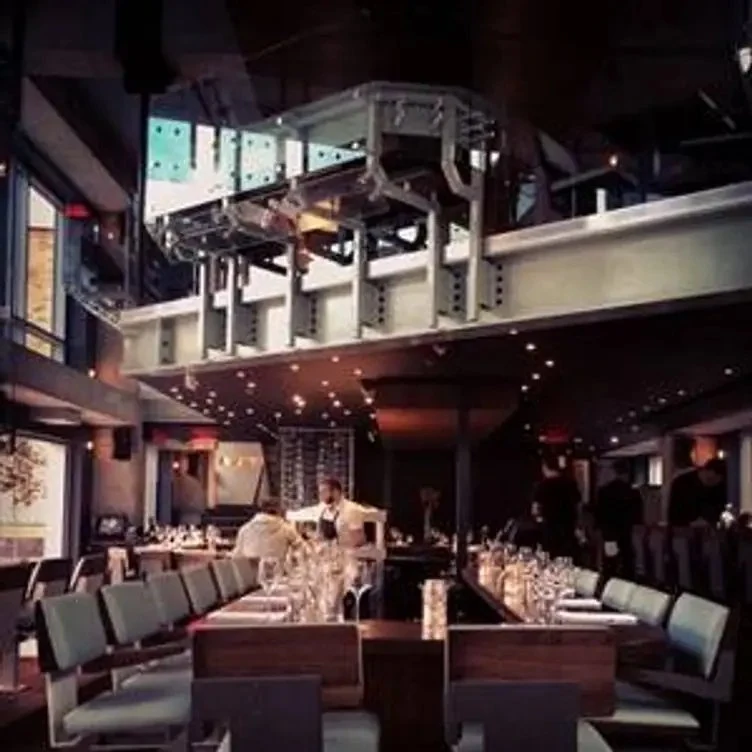
Le Filet operates from its Mont-Royal Ave W address in the Plateau-Mont-Royal, one of the more walkable and restaurant-dense neighbourhoods in the city. The compressed weekly schedule, four evenings only, means booking ahead is sensible, particularly on Fridays and Saturdays. The 4.7 rating across 806 Google reviews suggests a consistent rather than polarising experience.
For visitors building a broader Montreal programme, the city's restaurants, hotels, bars, wineries, and experiences cover the wider itinerary. For those extending the trip toward Ontario's wine country, Restaurant Pearl Morissette in Lincoln and The Pine in Creemore offer a different register of Canadian seasonal cooking worth the detour.
Questions
Frequently asked
Who works at Le Filet?
Made By profiles Yasu Okazaki (Chef) at Le Filet.
How expensive is Le Filet?
Le Filet is listed at a price level of $$$$.
Where is Le Filet and what does it serve?
Le Filet is in Mile End, Montréal, serving Modern French-Japanese Fusion.
The field
How it compares
| Place | Cuisine | Notes | Awards |
|---|---|---|---|
| Le Filet | Modern French-Japanese Fusion | Mile End, $$$$ | · |
| Beba | Modern Iberian-Italian Fusion | Montréal | World's 50 Best |
| Joe Beef | French Bistro with Québec Terroir | Montréal | · |
| Mastard | Modern Quebec Terroir Fine Dining | Montréal | Michelin 1 Star |
| Mon Lapin | Modern Quebecois Bistro | Montréal | World's 50 Best |
| Montréal Plaza | Modern French-Canadian with Japanese Flair | Montréal | World's 50 Best |
| Toqué | Modern Quebecois Fine Dining | Montréal | · |
In residence
Similar places
Modern Iberian-Italian Fusion
Beba
Montréal, Canada
50 Best
French Bistro with Québec Terroir
Joe Beef
Montréal, Canada
Modern Quebec Terroir Fine Dining
Mastard
Montréal, Canada
★
Modern Quebecois Bistro
Mon Lapin
Montréal, Canada
50 Best
Modern French-Canadian with Japanese Flair
Montréal Plaza
Montréal, Canada
50 Best
Modern Quebecois Fine Dining
Toqué
Montréal, Canada