Le Jardin de France im Stahlbad
In Residence
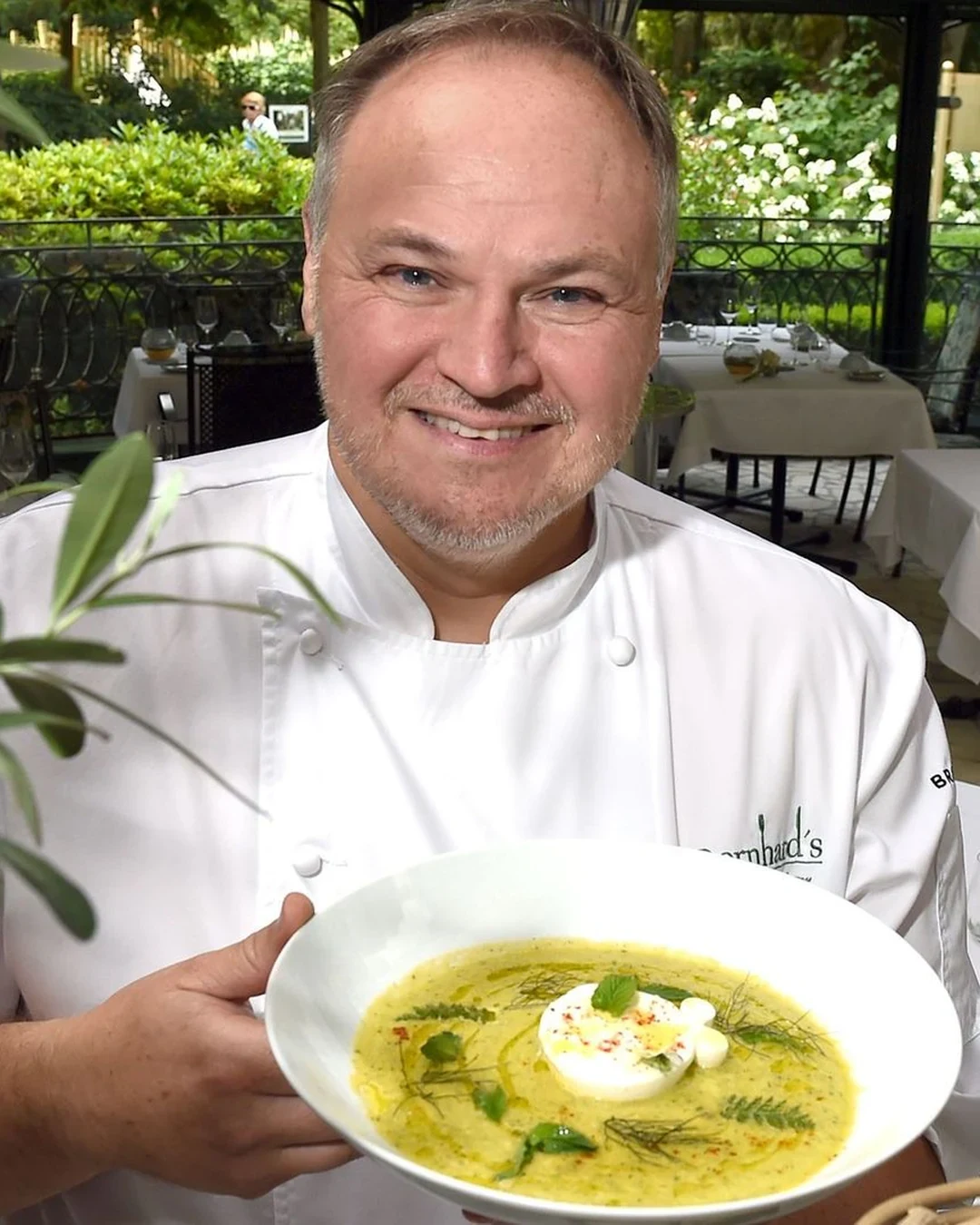
Stéphan Bernhard
Chef
- 01CuisineClassic French Fine Dining
- 02CityBaden-Baden, Germany
- 03RecognitionOne Michelin Star
Lièvre à la Royale at the pass
- 1 Michelin Star · Michelin Guide
- Michelin 1 Star · 2026
- Opinionated About Dining Newly Added European Restaurants · 2026
- Opinionated About Dining Classical in Europe Highly Recommended · 2026
- Michelin 1 Star · 2025
- Michelin 1 Star · 2024
The royale before the pass
Lièvre à la Royale sets the tempo at Le Jardin de France im Stahlbad in Baden-Baden before the plate reaches the pass. The dish belongs to a French kitchen that still trusts structure: deep sauce, controlled richness, and the patience to let a classic carry its own weight.
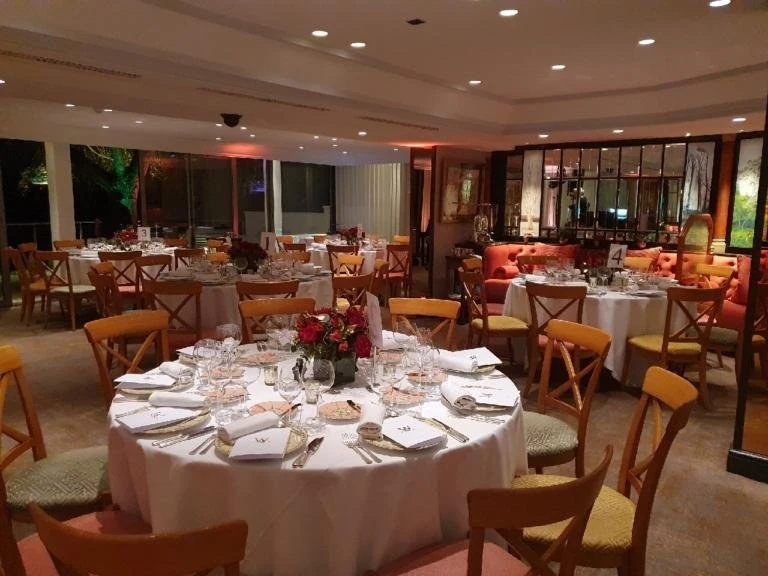
The frame is classic French fine dining inside the Stahlbad, a 19th-century bathhouse at Augustaplatz 2, where the restaurant has been associated with high-level French cooking since 1998 and marked twenty-five years of it around 2023. The house carries 1 Michelin star, and the cooking reads through produce, reduction, seasoning and restraint rather than display. At this address the old grammar has to stay legible while the plate keeps enough life for Baden-Baden now, in a town whose dining runs from French to Mediterranean and modern.
French structure, seasonal pressure
The program moves between à la carte and prix fixe, with seasonal produce doing much of the steering. A five-course format appears in the restaurant's own orbit, but the deeper point is not the count. It is the sequence. Fish soup with spices and crunchy croutons asks for heat and clarity before texture enters; lobster with vegetables depends on the cut, the cuisson, and the sauce landing together; cod and flounder fillet keep the kitchen honest because there is little room to hide. Truffles and chestnut purée sit in the richer register, where balance matters more than generosity.
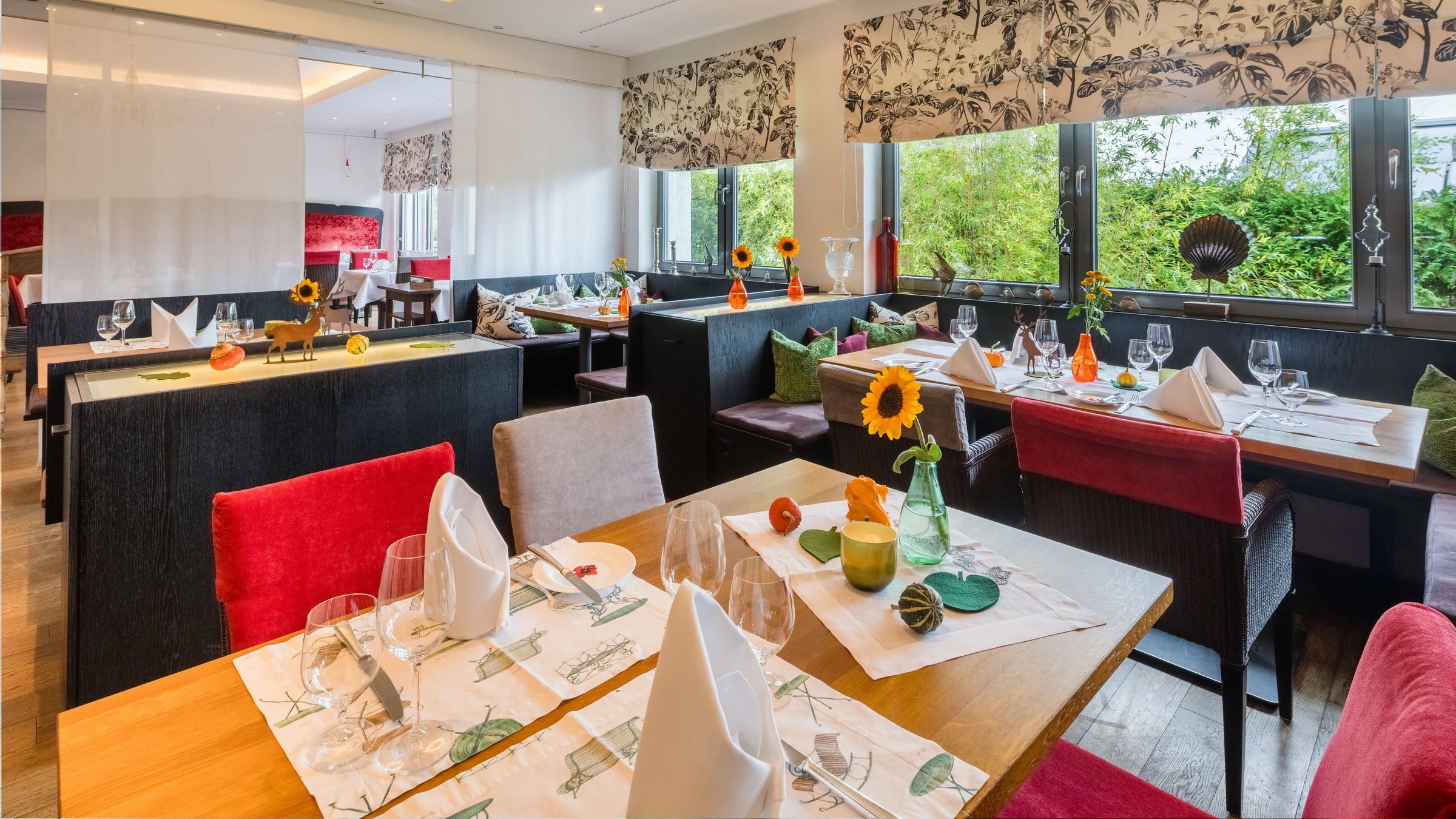
Wine has its own weight here. The list is treated as an exceptional program, with Black Forest bottles alongside the French table it supports. That pairing matters in a restaurant whose cooking leans on harmony rather than surprise. The glass has to meet the sauce without flattening it. The wintergarten, with its green view, gives the program a particular softness in daylight; upstairs, the smaller rooms draw the meal closer to the hand, the stem, the plate, the quiet exchange at the table.
A bathhouse room with a green edge
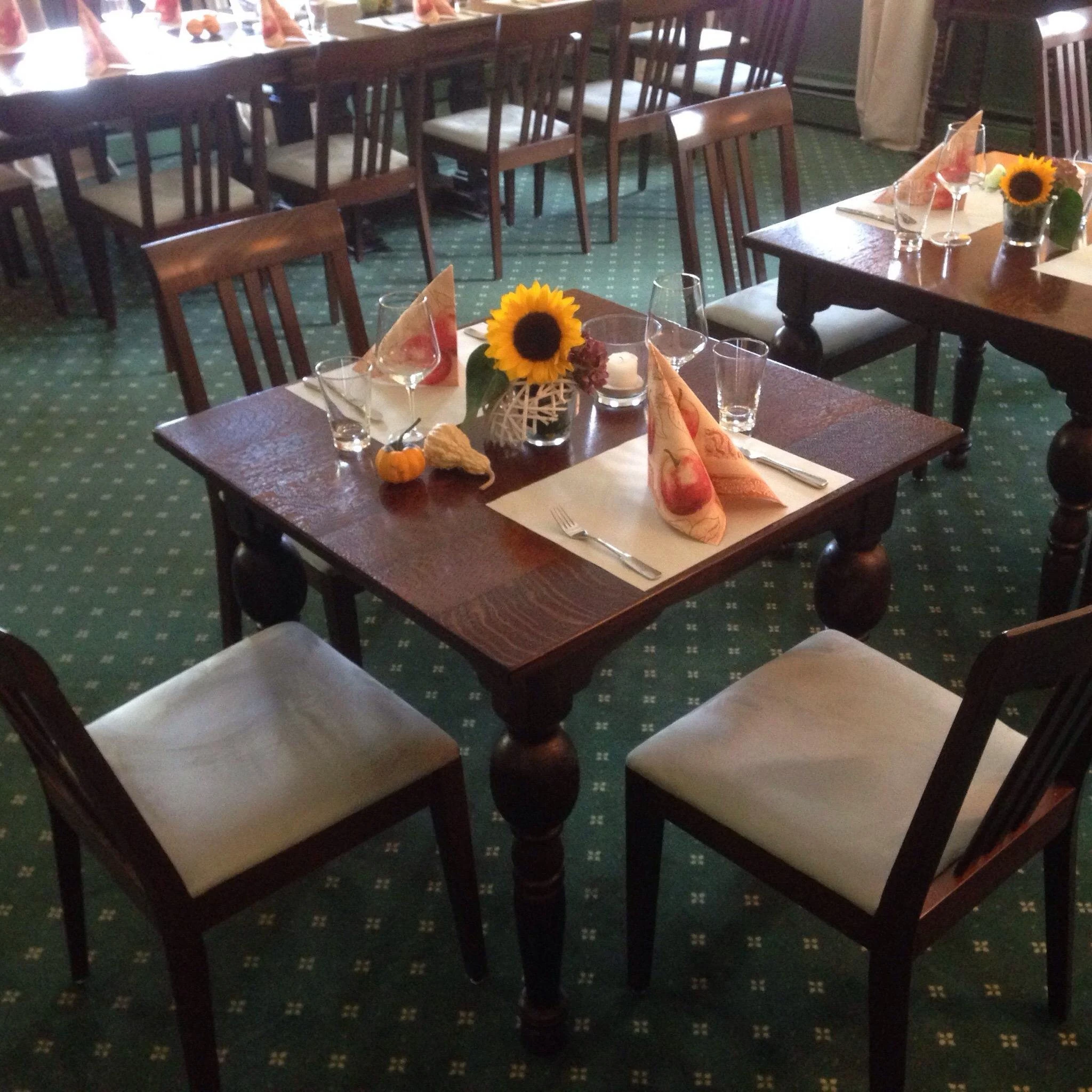
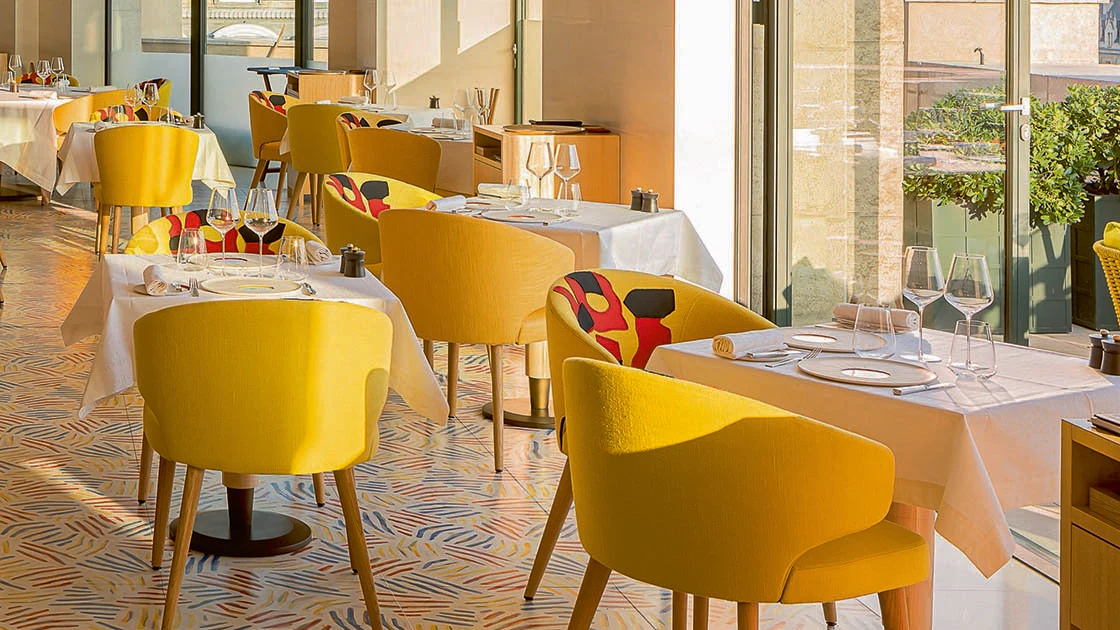
The Stahlbad gives the restaurant a frame that a newer dining room would have to imitate. The building's 19th-century bones hold a light wintergarten, garden views, and upper rooms that tighten the scale without making the service stiff. It is elegant, but not cold. The room suits a formal style because the formality has somewhere to settle: folded linen, polished glass, a plate arriving from the pass without hurry, a wine recommendation made as part of the meal rather than as performance.
At lunch, the place can still have life in it, the kind that comes from wine being poured and French dishes moving steadily through the room. At dinner, the quiet suits the food. The discipline belongs to the address: a kitchen working in a historic bathhouse, keeping sauce, season and service in line. The memory it leaves is not an abstraction; it is the dark pull of Lièvre à la Royale.
Questions
Frequently asked
What kind of cooking is Le Jardin de France im Stahlbad known for?
It serves classic French fine dining, with cooking that leans on structure, reduction, seasoning and restraint rather than display. The house signature is Lièvre à la Royale.
What recognition does the restaurant hold?
Le Jardin de France im Stahlbad holds 1 Michelin star.
Is booking required?
Reservations are essential, and the booking platform listed is thefork.
What is the setting like?
The restaurant is in the Stahlbad, a 19th-century bathhouse at Augustapl. 2 in Baden-Baden's city center. The room includes a wintergarten with garden views and upper rooms that make the dining feel more intimate.
What are the opening hours?
It is closed on Monday and Sunday. It opens Tuesday and Wednesday from 12 pm to 3 pm and 6:30 pm to 11 pm, Thursday from 12 pm to 3 pm, Friday from 12 pm to 3 pm and 6:30 pm to 11 pm, and Saturday from 12 pm to 3 pm and 6:30 pm to 11 pm.
The field
How it compares
| Place | Awards | Cuisine | Notes |
|---|---|---|---|
| Le Jardin de France im Stahlbad | Michelin 1 Star | Classic French Fine Dining | City Center, $$$$ |
| Auberge de l'Ill | Michelin 2 Stars, World's 50 Best | Classic French Fine Dining | Illhaeusern |
| Guy Savoy | Michelin 2 Stars, World's 50 Best | Classic French Fine Dining | Paris |
| L'OSIER | Michelin 3 Stars | Classic French Fine Dining | Tokyo |
| Maltes hidden kitchen | Michelin 1 Star | Modern German with Asian Influences | Baden-Baden |
| Waterside Inn | Michelin 3 Stars, World's 50 Best | Classic French Fine Dining | Bray |
| Weinstube zum Engel | · | Modern Regional Baden Cuisine | Baden-Baden |
In residence
Similar places
Classic French Fine Dining
Auberge de l'Ill
Illhaeusern, France
★★ · 50 Best
Classic French Fine Dining
Guy Savoy
Paris, France
★★ · 50 Best
Classic French Fine Dining
L'OSIER
Tokyo, Japan
★★★
Modern German with Asian Influences
Maltes hidden kitchen
Baden-Baden, Germany
★
Classic French Fine Dining
Waterside Inn
Bray, United Kingdom
★★★ · 50 Best
Modern Regional Baden Cuisine
Weinstube zum Engel
Baden-Baden, Germany