Le Mange-Tout
In Residence
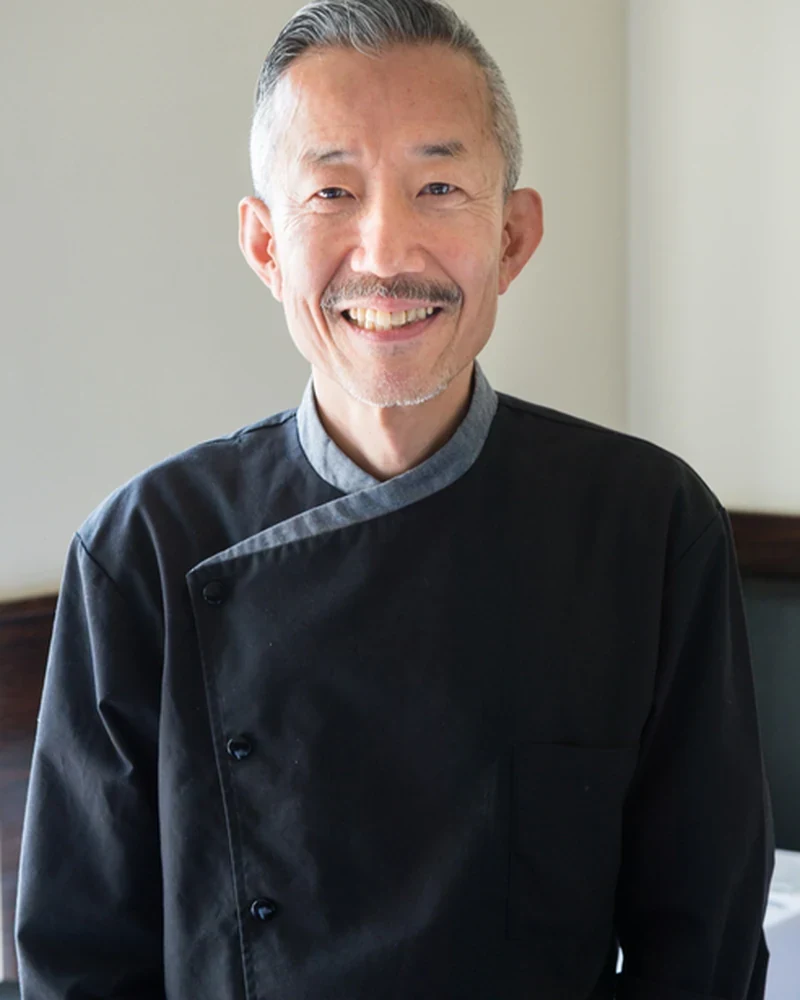
Noburo Tanu
Chef
- 01CuisineModern French with Japanese influences
- 02CityTokyo, Japan
- Opinionated About Dining Top Restaurants in Japan Recommended · 2026
- Opinionated About Dining Top Restaurants in Japan Ranked #471 · 2025
- Tabelog 100 #59: 3.9pts · 2025
- Opinionated About Dining Top Restaurants in Japan Ranked #428 · 2024
- Opinionated About Dining Top Restaurants in Japan Recommended · 2023
A Decade of Consistency in Tokyo's French Dining Scene
Tokyo's French restaurant scene has been reshaped several times over the past two decades, first by the arrival of grand hotel dining rooms in the 1990s, then by a wave of Japanese chefs returning from France with stage experience at marquee addresses, and most recently by a generation of smaller, chef-led rooms that compete on precision rather than theatre. Le Mange-Tout is a restaurant in Shinjuku City, Tokyo, serving Modern French with Japanese influences. Its Tabelog Bronze Award record stretches back to at least 2017, a run of consecutive recognition that places it among the most durably regarded French tables in the city at this price tier.
The Tabelog system rewards sustained quality over time rather than novelty, and a consecutive Bronze run through 2017 to 2026, combined with selection for the Tabelog French TOKYO 100 in 2021, 2023, and 2025, represents a meaningful signal within Tokyo's French comparable set. For context, the Tabelog scale is compressed at the leading: the difference between a 3.7 and a 3.89 reflects a materially different volume and consistency of positive reviews.
Kagurazaka and the House-Restaurant Format
The geography matters here. Kagurazaka is one of the few Tokyo neighbourhoods where a French address feels structurally appropriate rather than imported. The area developed a strong French-speaking expatriate community during the postwar decades, and the density of French-owned bakeries, bistros, and cultural institutions that followed has given the neighbourhood a culinary identity that sits apart from the more self-consciously international character of Ginza or Minami-Aoyama. A house restaurant in this context, rather than a glass-fronted space on a shopping street, is consistent with the neighbourhood's tendency toward discretion.
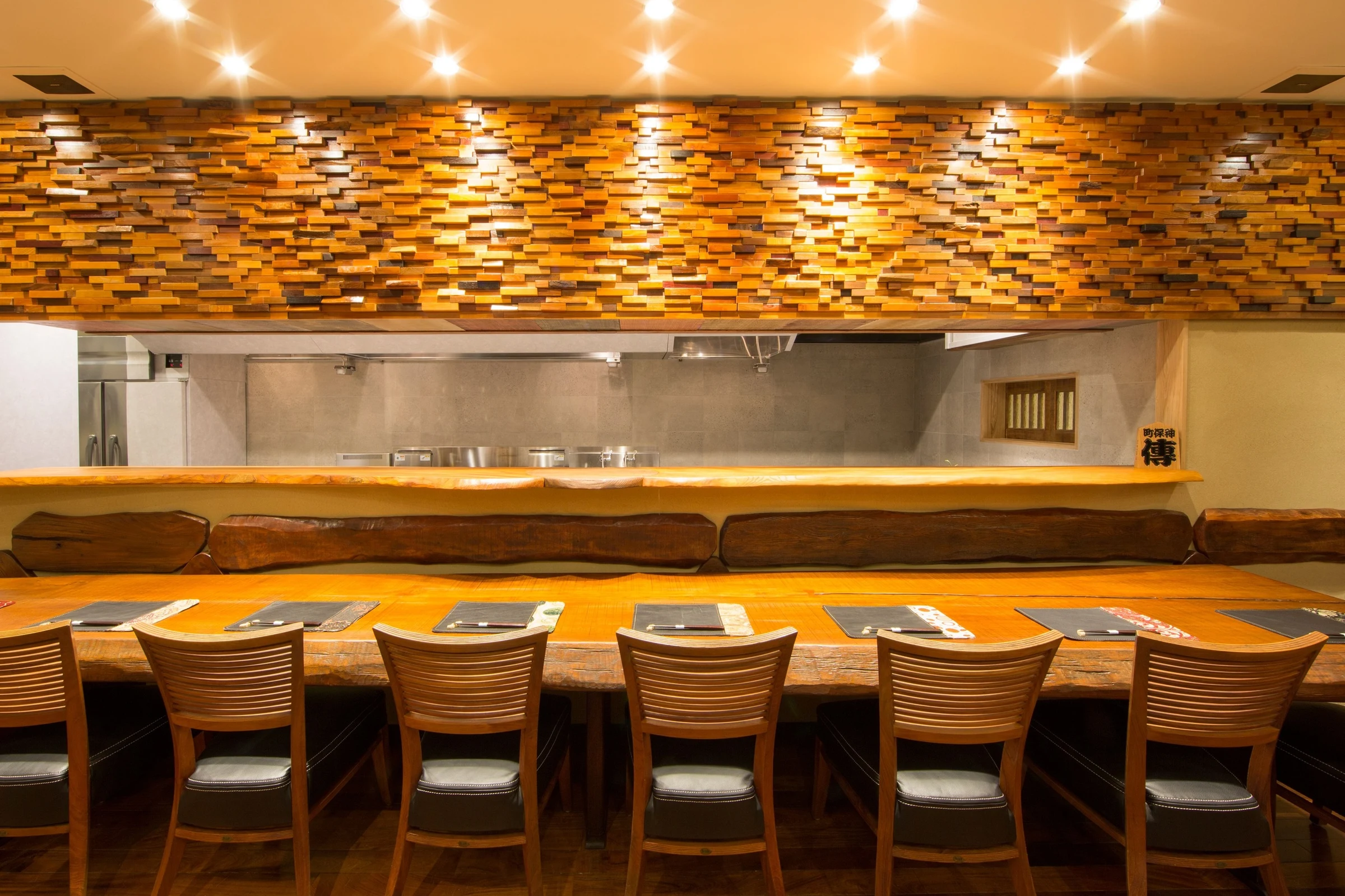
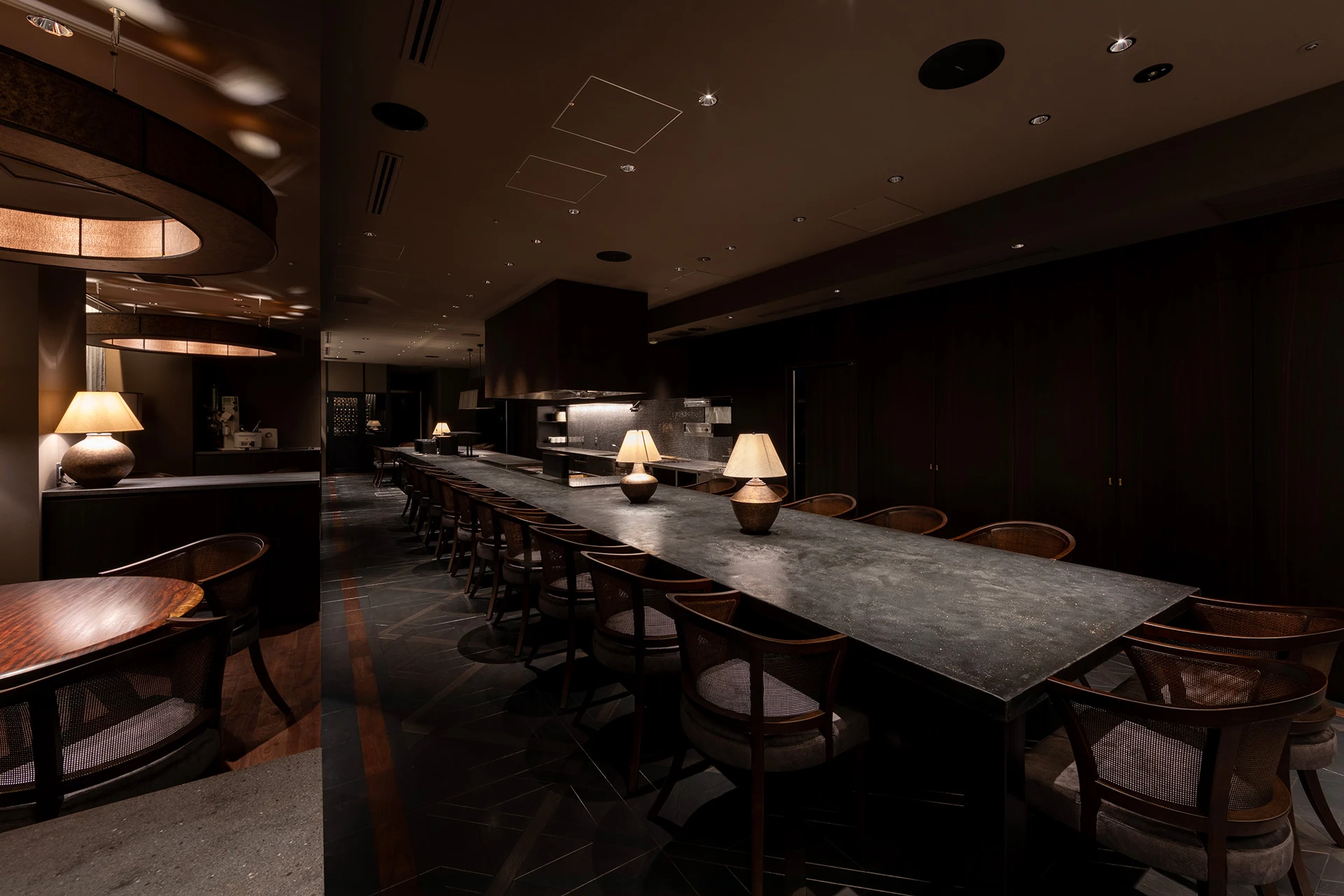
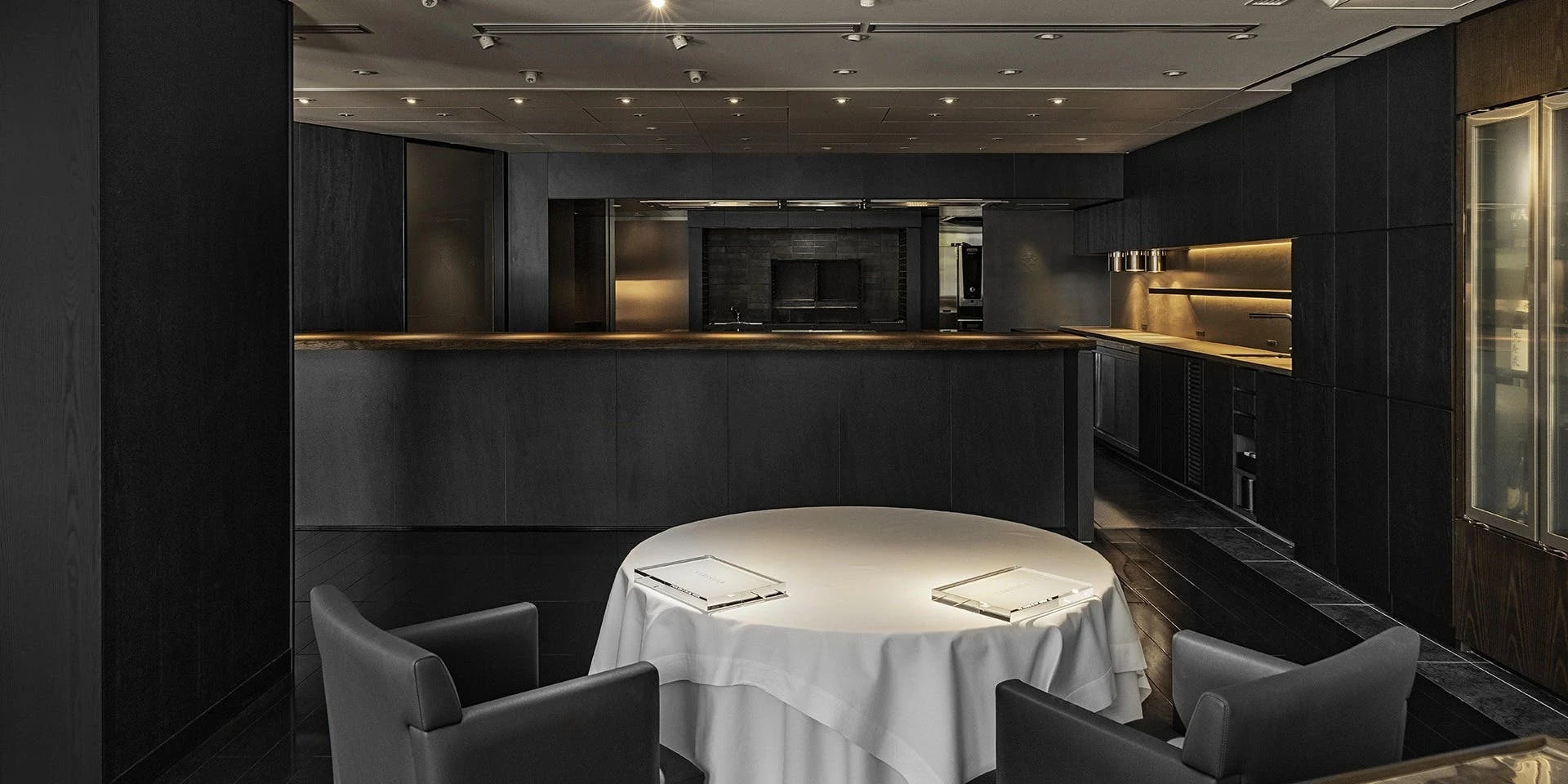
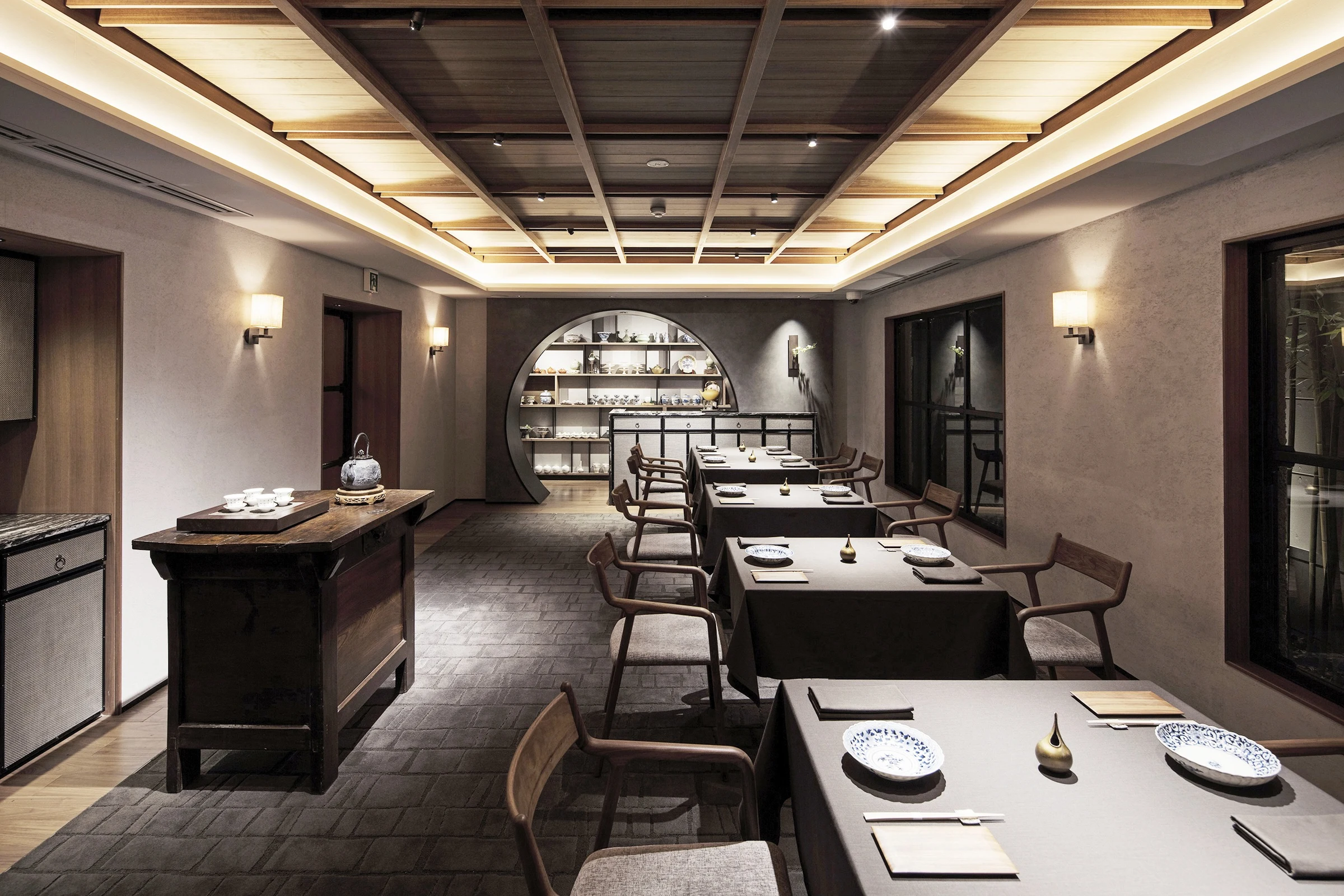
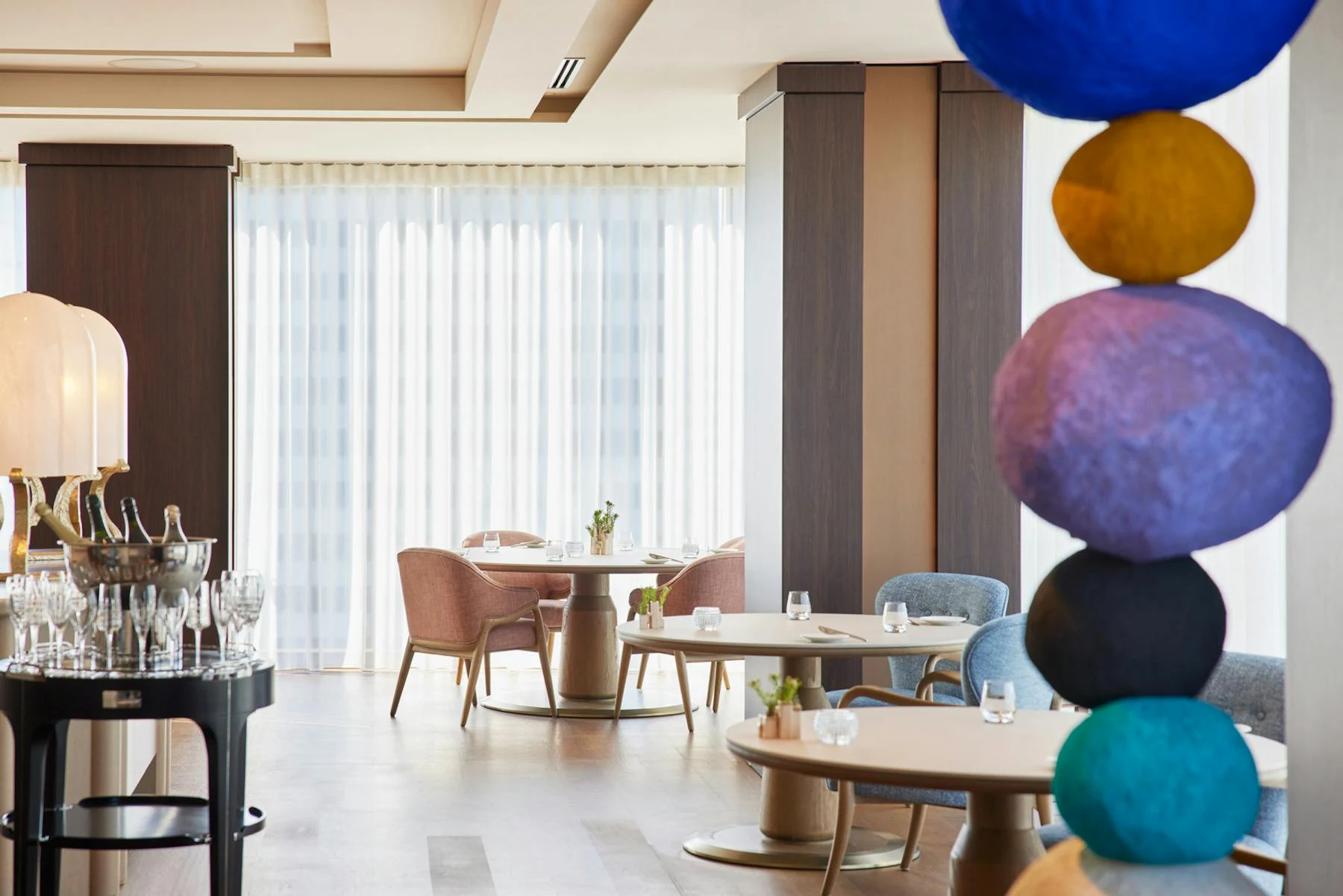
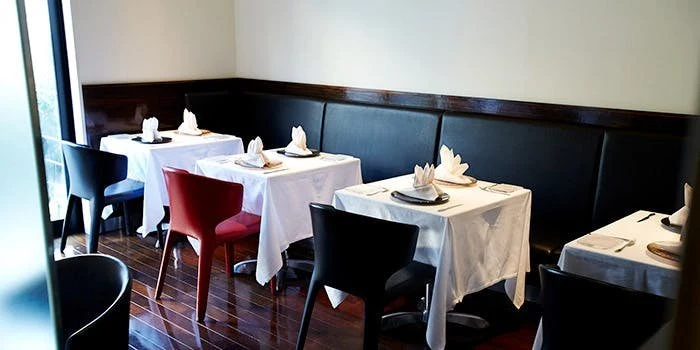
Le Mange-Tout operates from 22 Nandomachi, Shinjuku City, Tokyo 162-0837, Japan. No parking is available, which is standard for house restaurants in this part of Shinjuku City. The format, 14 seats across table seating with no private rooms, means that the dining room functions more like a formal salon than a partitioned restaurant floor. This is not the architecture of a brasserie in the grand Parisian sense, but the underlying service values place it in the same institutional tradition of considered hospitality that the great brasserie format codified in France.
The French Tradition Le Mange-Tout Sits Within
The brasserie as institution has always been less about a specific cooking style and more about a contract between kitchen and guest: reliable technique, a wine program taken seriously, service that does not require the diner to perform enthusiasm in order to receive attention. Tokyo's French fine-dining sector applies a version of that contract at a higher price point, where the room is smaller and the cooking more involved, but the underlying commitment to sustained quality over novelty holds. Le Mange-Tout's price band, dinner averaging JPY 30,000 to JPY 39,999, positions it below the upper tier of Tokyo French dining, where addresses like Sézanne or Château Restaurant Joël Robuchon operate at significantly higher averages, but above the middle tier where approachable tasting menus target a broader audience.
At this price point, the comparison set includes rooms like L'Effervescence, which works a more natural, produce-forward French register, and ESqUISSE, which operates in a more contemporary idiom. Le Mange-Tout, by contrast, signals through its Tabelog description a French program grounded in strong convictions rather than seasonal repositioning. That is a different kind of offer: craft and consistency as the proposition, rather than evolution and surprise. For diners who track Tokyo's French scene across its various registers, Florilège provides a useful reference point for how a chef-led French room can integrate Japanese ingredient sensibility; Le Mange-Tout operates in a more classically aligned mode.
What the Awards Record Actually Tells You
Ten consecutive Tabelog Bronze Awards, running from 2017 through 2026, is not a minor achievement. A restaurant that maintains Bronze across a full decade has, by definition, held its scoring above the award threshold through staff changes, ingredient cost pressures, and the shifting tastes of a demanding Tokyo reviewing base. Many highly regarded restaurants receive a Bronze one or two years and then fall out of the bracket; Le Mange-Tout has not.
The Tabelog French TOKYO 100 selections in 2021, 2023, and 2025 add a separate layer. The 100-list is a curated selection of the leading French tables in the Tokyo area, and repeated inclusion across three editions signals that the restaurant has maintained relevance within a competitive category, not merely a loyal local audience. Japan's broader restaurant landscape, which includes addresses like HAJIME in Osaka, Gion Sasaki in Kyoto, akordu in Nara, Goh in Fukuoka, 1000 in Yokohama, and 6 in Okinawa, demonstrates how much serious dining has decentralised beyond Tokyo in recent years. The fact that Le Mange-Tout holds its position within the capital's French-only list while that broader competitive field grows is worth noting.
For international reference, the tradition Le Mange-Tout inhabits connects to houses like Hotel de Ville Crissier in Switzerland or Les Amis in Singapore, both of which operate as long-running French institutions that have maintained authority through consistency rather than reinvention. The model is not fashionable in the way that tasting-menu innovation is fashionable, but it has its own durable appeal.
Planning Your Visit
Le Mange-Tout serves dinner only, Tuesday through Saturday, with service running from 18:30 to 21:00. The restaurant is closed on Sundays and Mondays. With 14 seats in a format described as a house restaurant, booking ahead is advisable, and reservations are available through the restaurant directly at +81-3-3268-5911 or via the website at le-mange-tout.com. The restaurant accepts VISA, JCB, American Express, and Diners Club; electronic money and QR code payments are not accepted. A 10 percent service charge applies. Children are welcome from age 13. The dress code is not formally specified, but the format and price point suggest smart dress as appropriate. A sommelier is on the floor, and the wine program is described as a point of particular focus. The full dinner average sits at JPY 30,000 to JPY 39,999 before service charge. No parking is available on site.
our full Tokyo restaurants guide, our full Tokyo hotels guide, our full Tokyo bars guide, our full Tokyo wineries guide, and our full Tokyo experiences guide.
Questions
Frequently asked
Who works at Le Mange-Tout?
Made By profiles Noburo Tanu (Chef) at Le Mange-Tout.
How expensive is Le Mange-Tout?
Le Mange-Tout is listed at a price level of $$$$.
Where is Le Mange-Tout and what does it serve?
Le Mange-Tout is in Shinjuku, Tokyo, serving Modern French with Japanese influences.
The field
How it compares
| Place | Cuisine | Notes | Awards |
|---|---|---|---|
| Le Mange-Tout | Modern French with Japanese influences | Shinjuku, $$$$ | · |
| Den | Modern Japanese Kaiseki | Tokyo | Michelin 2 Stars, World's 50 Best |
| Florilège | Modern French-Japanese Plant-Based Fine Dining | Tokyo | Michelin 2 Stars, World's 50 Best |
| Narisawa | Modern Japanese Satoyama Fine Dining | Tokyo | Michelin 2 Stars, World's 50 Best |
| Quintessence | Modern French Fine Dining | Tokyo | Michelin 3 Stars |
| Sazenka | Modern Chinese Fine Dining | Tokyo | Michelin 3 Stars, World's 50 Best |
| Sézanne | Modern French Fine Dining | Tokyo | Michelin 3 Stars, World's 50 Best |
In residence
Similar places
Modern Japanese Kaiseki
Den
Tokyo, Japan
★★ · 50 Best
Modern French-Japanese Plant-Based Fine Dining
Florilège
Tokyo, Japan
★★ · 50 Best
Modern Japanese Satoyama Fine Dining
Narisawa
Tokyo, Japan
★★ · 50 Best
Modern French Fine Dining
Quintessence
Tokyo, Japan
★★★
Modern Chinese Fine Dining
Sazenka
Tokyo, Japan
★★★ · 50 Best
Modern French Fine Dining
Sézanne
Tokyo, Japan
★★★ · 50 Best