Le Petit Cornichon
In Residence
Erwann Lance
Owner
- 01CuisineModern French Bistronomique
- 02CityMarrakech, Morocco
- 03RecognitionWorld's 50 Best — No. 21
- World's 50 Best · #21 · World's 50 Best Restaurants
- World's 50 Best MENA's Best Restaurants #21 · 2026
- World's 50 Best MENA's Best Restaurants #46 · 2025
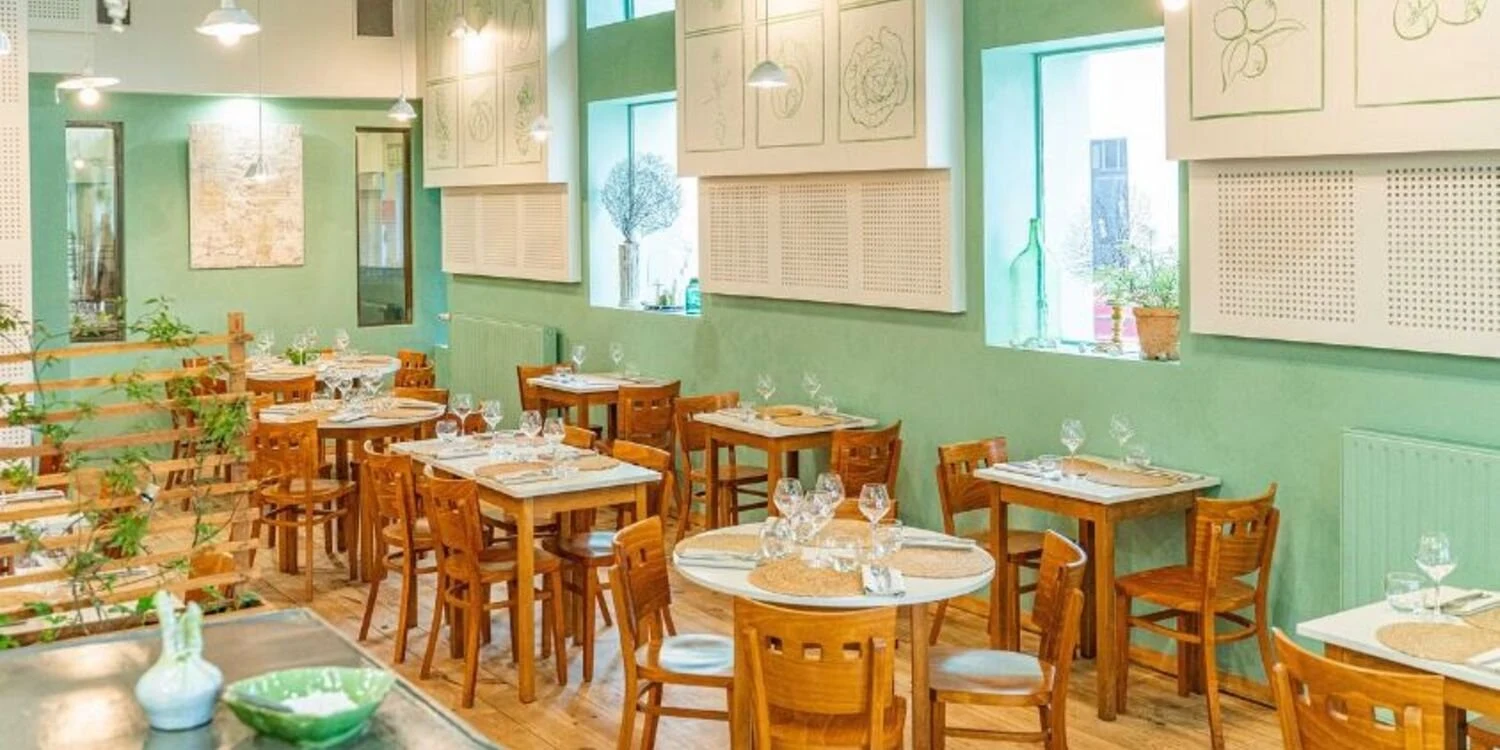
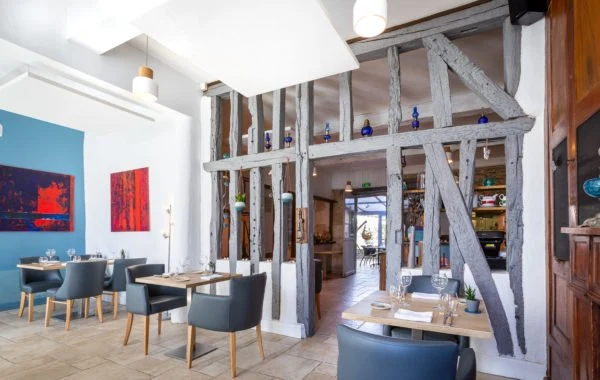
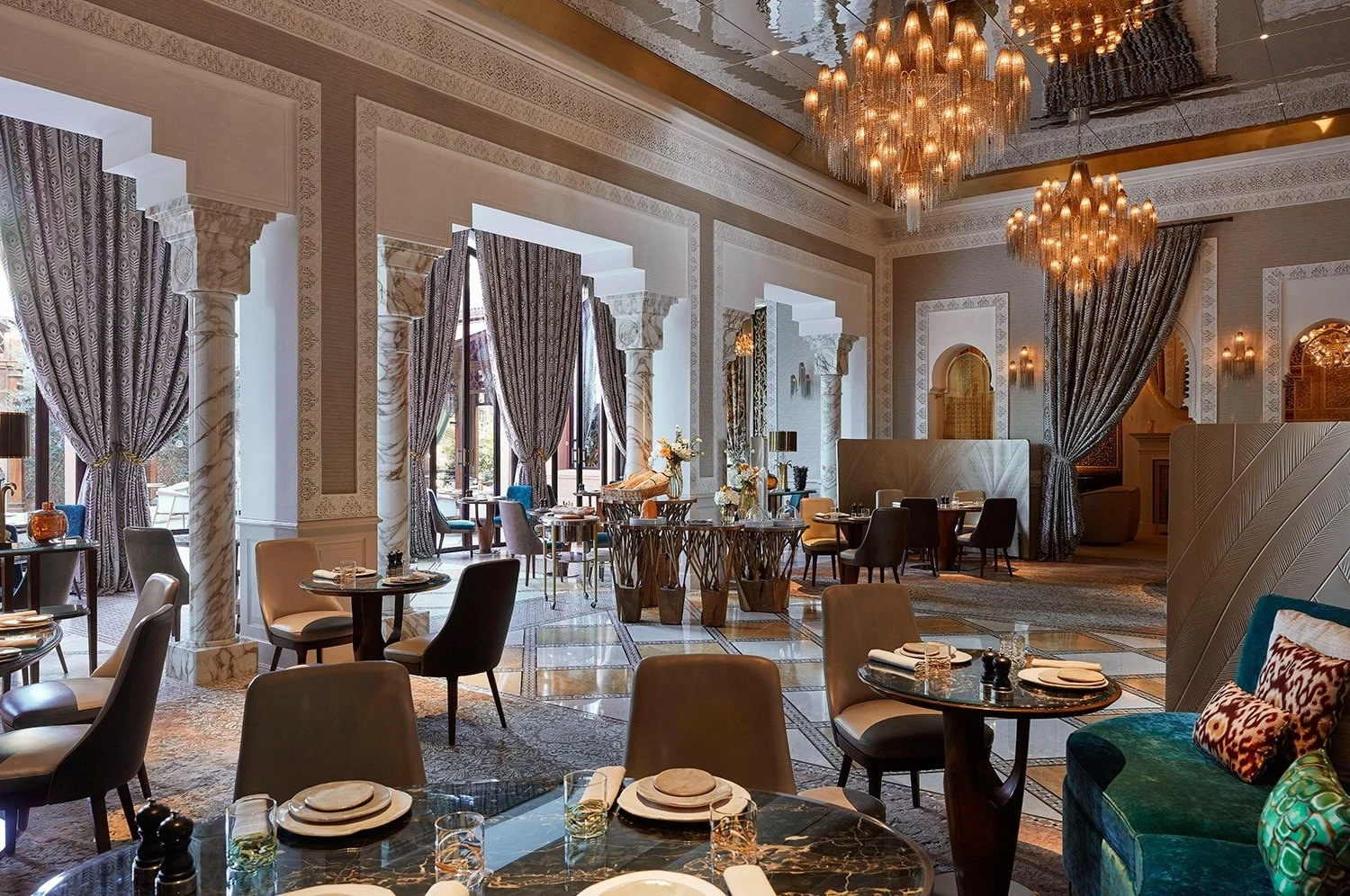
The medina lanes around Rue Moulay Ali operate at a pace that larger, riad-facing restaurants rarely achieve. There is less theatre of arrival here, fewer lantern-lit archways designed for photographs. What you find instead is the kind of quiet address that signals its confidence through restraint: a room that does not need to perform before the food arrives. Le Petit Cornichon is a restaurant in Marrakesh, Morocco, on Rue Moulay Ali, with a Google rating of 4.6 and a price tier of about $80 per person. Le Petit Cornichon, at number 27, occupies exactly that register. The name itself is a tell, borrowing the diminutive French bistro vocabulary that implies a particular seriousness about ingredients and technique without the grandeur of a formal dining room.
Where the Produce Comes From
Marrakech sits within reach of several of Morocco's most productive growing regions. The Souss-Massa plain to the south supplies citrus and tomatoes. The Ourika Valley and the foothills of the Atlas push seasonal vegetables and aromatic herbs into the city's souks with a regularity that large hotel kitchens can absorb in bulk but smaller restaurants can curate more selectively. The broader Moroccan larder also includes coastal fish from Agadir and Essaouira, argan-producing groves in the southwest, and an olive belt that runs through the Meknès plain and into the Middle Atlas. For context, L'Oliveraie in El Hajeb and Château Roslane in Icr Iqaddar both operate within this northern Moroccan agricultural corridor, where ingredient provenance is treated as a primary credential rather than a footnote.
Le Petit Cornichon frames its menu through that same logic. The kitchen's stated orientation toward freshness and seasonal produce positions it alongside a small group of Marrakech restaurants where sourcing decisions precede and shape the cooking, rather than following from a fixed repertoire. That approach is more common in European fine dining contexts, where chefs like those at Alain Ducasse at Louis XV in Monte Carlo have long treated supplier relationships as foundational. In Marrakech, the bistro format that applies a similar discipline to local produce occupies a niche that is smaller and, for that reason, more worth knowing.
The Bistro-Gastronomy Divide in Marrakech
The city's restaurant scene has long clustered around two poles: the theatrical Moroccan set-piece dinner, abundant with tagines and brass tea services, and the international hotel restaurant that serves as a reliable fallback for guests who want familiar reference points. Between those poles, a smaller cohort of restaurants has developed, working with French technique applied to Moroccan and North African produce. +61 in Marrakesh and Table III (La Table) both operate in this blended register, as does the Marrakech outpost of French-Moroccan cooking that draws on the same produce networks but scales the formality up.
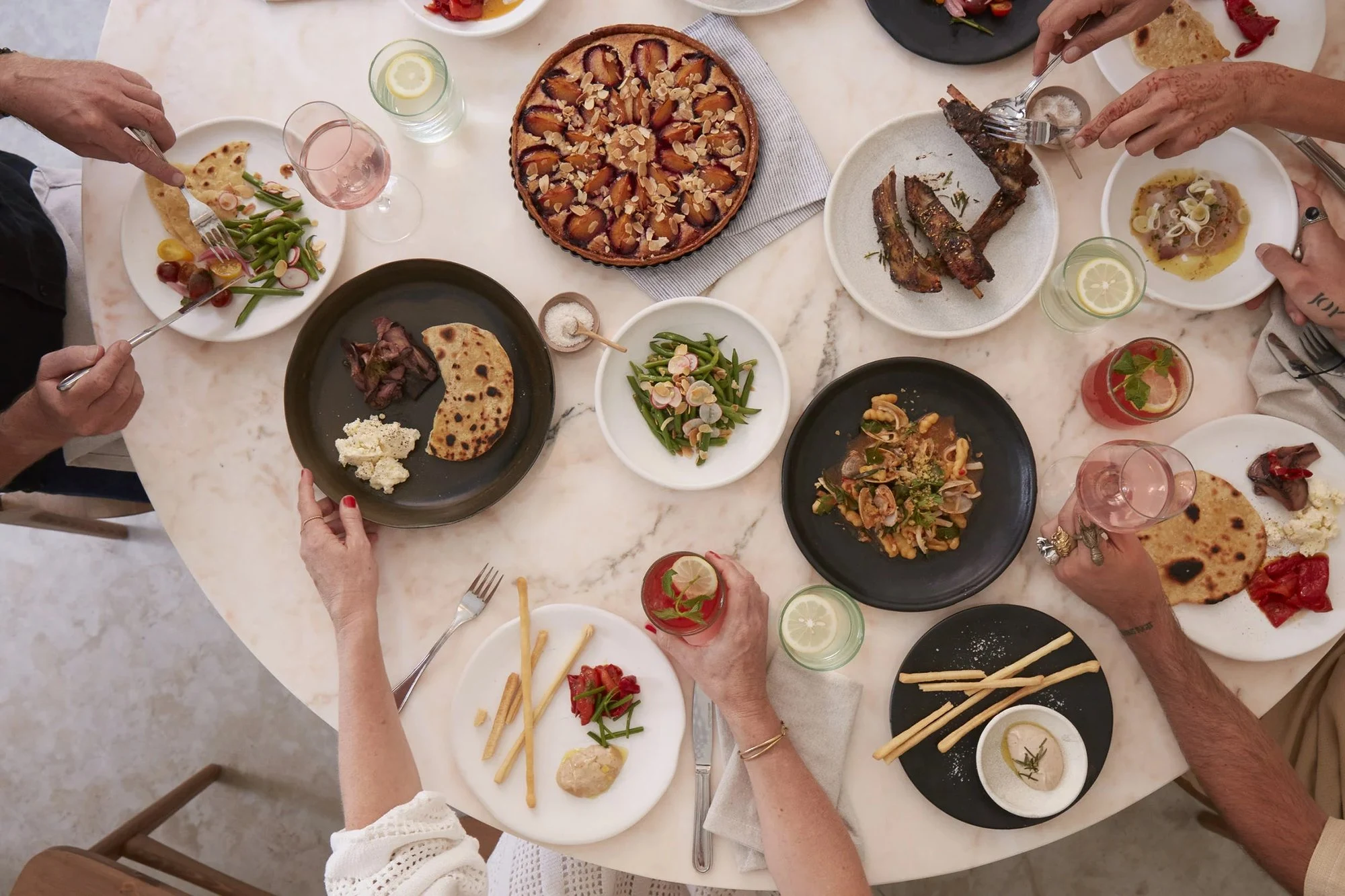
Le Petit Cornichon's positioning within this space is defined by the bistro frame. The bistro format, as understood in French culinary tradition, carries specific expectations: a menu that changes with the market, cooking that is technically grounded but not ceremonial, and a room that supports conversation over contemplation. Applied to Marrakech's ingredient supply, that format has particular advantages. Souk purchasing is inherently day-to-day, responding to what arrives and what is genuinely at its peak, which suits the bistro model far better than a fixed fine-dining menu that needs to hold for weeks.
Technique and Tradition in the Same Kitchen
The question any kitchen faces when operating between two culinary traditions is which one governs at the moment of decision. Le Petit Cornichon's description as a place where creativity is rooted in both tradition and innovation suggests the kitchen holds both in deliberate tension rather than defaulting to one. That is a harder position to sustain than it sounds. In practice, it means French classical method applied to spice profiles and ingredient combinations that belong to a different canon, which produces a distinctive style when it works. Restaurants operating in a similar mode elsewhere in Morocco, including Gayza in Fès and Heure Bleue Palais in Essaouira, face the same creative negotiation, and the most credible of them resolve it through ingredient logic: let the produce determine where the traditions meet rather than imposing a formula.
At the high end of the global spectrum, similar ingredient-first reasoning underpins the most rigorous kitchens. Le Bernardin in New York City built its reputation on sourcing discipline applied to seafood. Atomix in New York City structures its tasting sequences around Korean ingredient narratives. Lazy Bear in San Francisco and Emeril's in New Orleans each built distinct identities around what their respective regions produce. The principle scales down to a bistro in a Marrakech medina lane without losing its logic: a kitchen that knows its ingredients has a clearer brief than one that starts from an abstract style.
Planning Your Visit
Le Petit Cornichon is located at 27 Rue Moulay Ali in Marrakech's medina, a part of the city where street navigation often requires either local knowledge or a patient walk from the nearest landmark. The address places it within the medina's residential fabric rather than on any of the main tourist-facing thoroughfares, which is consistent with the kind of restaurant this appears to be. Reservations are recommended, and the restaurant opens Monday through Friday from 12 to 3 PM and 7 to 10:30 PM, with Saturday and Sunday closed.
For broader planning across the city, For a comparable French-Moroccan kitchen with a different format and scale, Hôtel Le Doge in Casablanca and 8½ Otto e Mezzo Bombana in Hong Kong illustrate how the bistro-to-fine-dining tension plays out in different contexts.
Questions
Frequently asked
What recognition does Le Petit Cornichon hold?
Le Petit Cornichon holds a place on the World's 50 Best list at number 21.
Who works at Le Petit Cornichon?
Made By profiles Erwann Lance (Chef propriétaire (chef-owner)) and Hamza Fattoumi (Pastry chef) at Le Petit Cornichon.
How expensive is Le Petit Cornichon?
Le Petit Cornichon is listed at a price level of $$$.
Where is Le Petit Cornichon and what does it serve?
Le Petit Cornichon is in Gueliz, Marrakech, serving Modern French Bistronomique.
The field
How it compares
| Place | Awards | Cuisine | Notes |
|---|---|---|---|
| Le Petit Cornichon | World's 50 Best #21 | Modern French Bistronomique | Gueliz, $$$ |
| +61 | World's 50 Best | Modern Australian Fusion | Marrakech |
| Bergamote | · | Modern French Bistronomique | Lyon |
| La Grande Table Marocaine | World's 50 Best | Traditional Moroccan Fine Dining | Marrakech |
| Le Marocain - La Mamounia | · | Traditional Moroccan | Marrakech |
| Lune d’Elles | · | Modern French Bistronomique | Lannepax |
| Sesamo | World's 50 Best | Modern Italian Fine Dining | Marrakech |
In residence
Similar places
Modern Australian Fusion
+61
Marrakech, Morocco
50 Best
Modern French Bistronomique
Bergamote
Lyon, France
Traditional Moroccan Fine Dining
La Grande Table Marocaine
Marrakech, Morocco
50 Best
Traditional Moroccan
Le Marocain - La Mamounia
Marrakech, Morocco
Modern French Bistronomique
Lune d’Elles
Lannepax, France
Modern Italian Fine Dining
Sesamo
Marrakech, Morocco
50 Best