Leeward
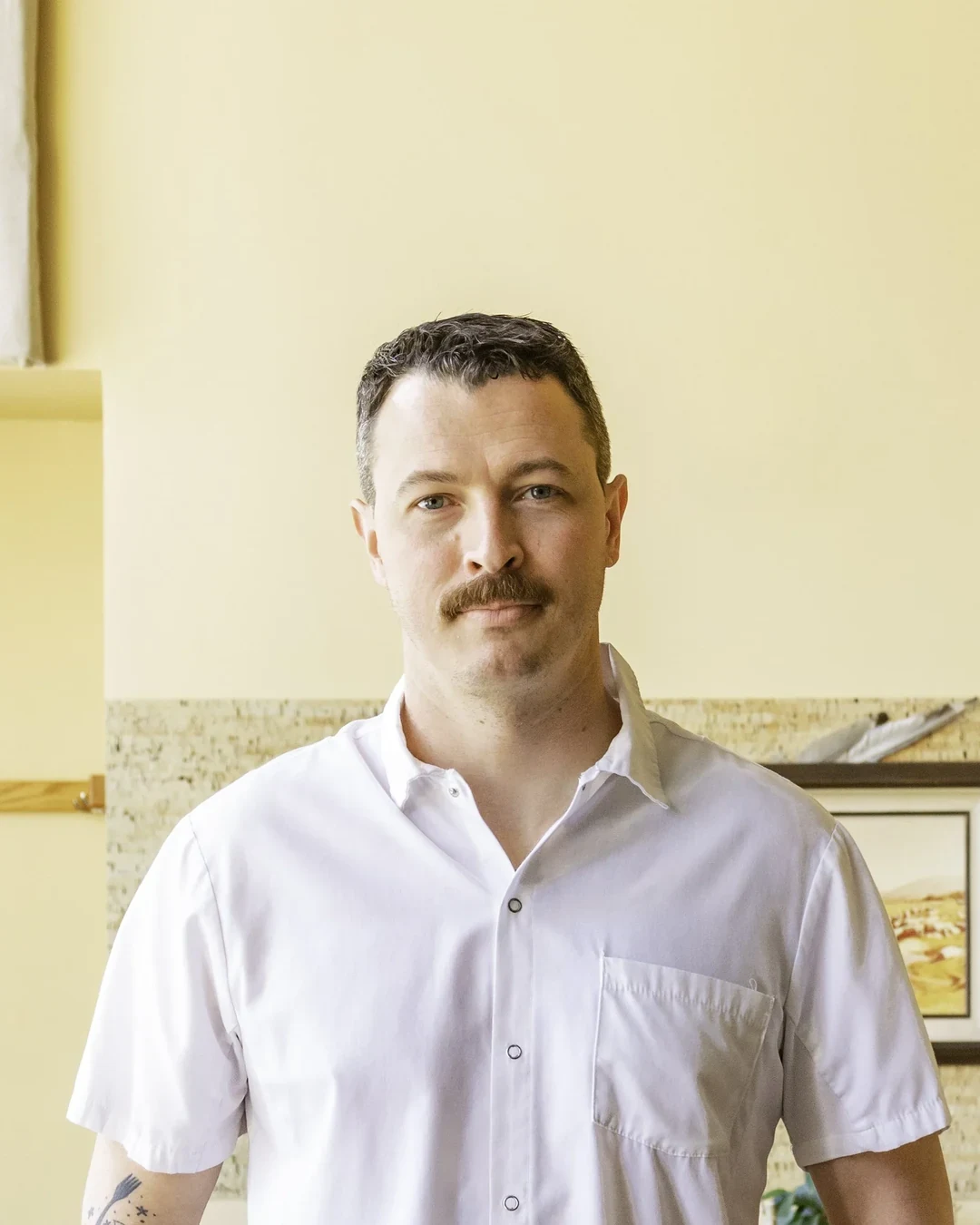
In Residence
Jake Stevens
Chef
- 01CuisineItalian-Inspired Seasonal
- 02CityPortland, United States
- 03RecognitionJames Beard Award
- James Beard Winner · James Beard Foundation
- James Beard Award Semi Finalist · 2026
- James Beard Award Semi Finalist · 2025
What Free Street Tells You Before You Walk In
Portland's restaurant geography sorts itself by neighborhood in ways that matter. The Old Port draws volume; Congress Street draws ambition; and Free Street, in the West End, draws the kind of deliberate, lower-register dining that tends to age better than the places that open louder. Leeward is an Italian-Inspired Seasonal restaurant at 85 Free St in Portland, Maine, priced around $60 per person. Leeward sits at 85 Free St, which is less an address than a signal. Restaurants that choose the West End are usually choosing against the easy foot traffic of the waterfront, betting instead on a clientele that comes specifically, not incidentally.
That geographic positioning matters because it shapes what a space can do. Without the churn of tourist foot traffic, a room can be designed for the experience of being inside it rather than for throughput. The West End's residential scale, its narrower streets and lower buildings, sets a ceiling on volume and a floor on intention that the Old Port cannot reliably offer. For a restaurant with a name that points to sailing and open water, the choice of a quieter inland street reads as deliberate restraint.
The Sunday letter
Find new places through the people who run them.
Our Sunday email brings you the chefs, winemakers and hoteliers behind our newest stories. See a sample before you subscribe.
See a sample of the Sunday emailOne email a week. Unsubscribe from any issue.
The Physical Container
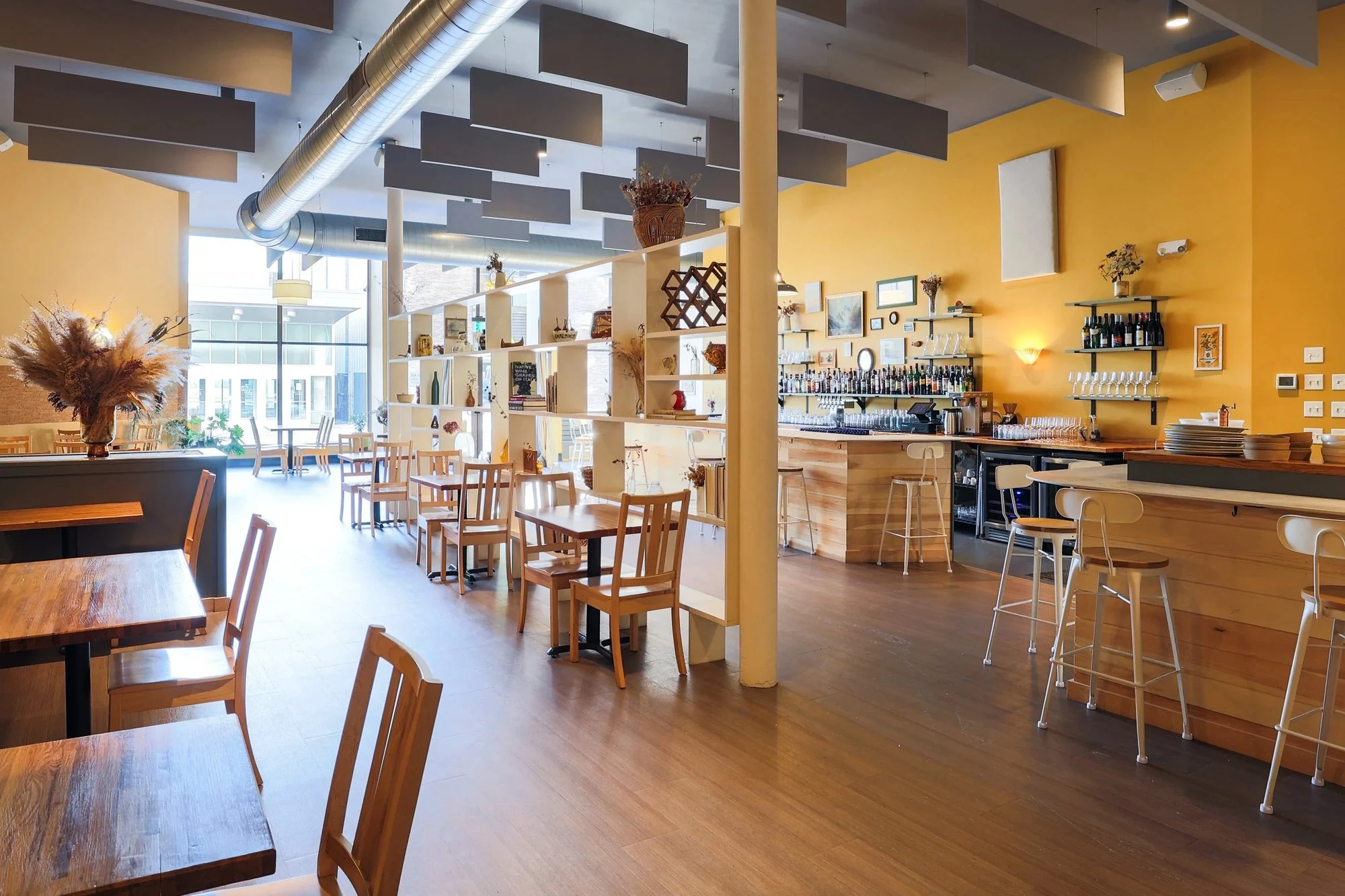
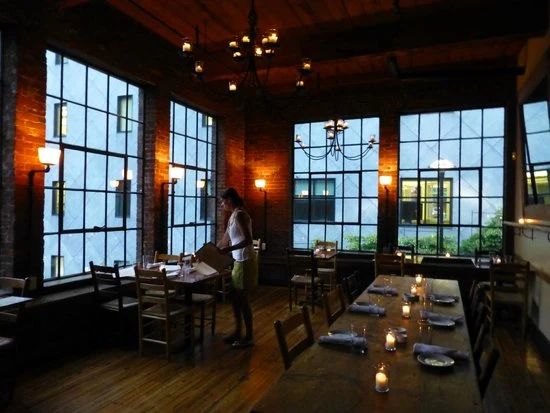
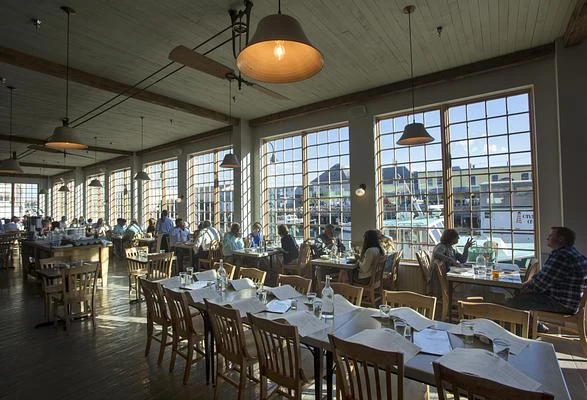
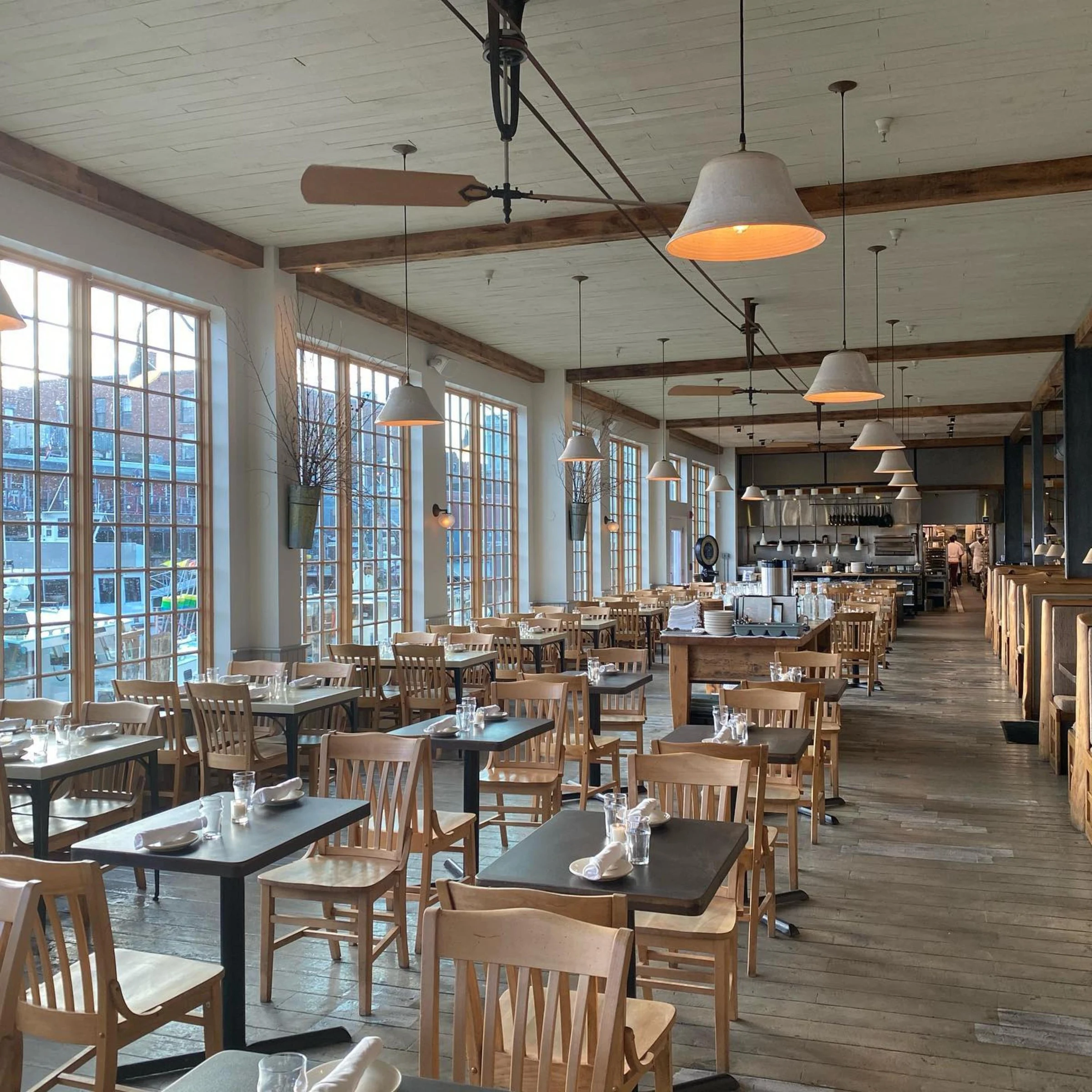
Portland's dining rooms tend toward one of two registers: the rough-hewn, reclaimed-wood aesthetic that became shorthand for New England coastal sincerity in the early 2010s, or the pared-back, considered interiors that mark the current generation of more serious American restaurants. Leeward reads as the latter. The Free Street address places it in a neighborhood where the architecture is Federal and Victorian rather than converted warehouse, and a well-considered interior in that context tends to work with the building's proportions rather than against them.
The spatial logic of a well-designed dining room does specific editorial work: it determines sightlines, acoustic character, and the social texture of an evening. Rooms that seat fewer guests tend to create more accountability on the plate, because there is nowhere to hide a mediocre dish in a 30-cover room the way you can in a 120-seat hall. Portland's most discussed restaurants, including Langbaan and Berlu, have leaned into tighter, more focused formats precisely because constraint produces clarity. Leeward's West End location suggests a similar orientation,
Portland's Current Dining Moment
Maine's food culture has shifted considerably over the past decade. What was once a regional scene defined almost entirely by lobster shacks and chowder houses now includes a tier of restaurants engaging seriously with fermentation, foraged ingredients, and the kind of technique-meets-terrain thinking that drives the most interesting American cooking from farm-to-table programs like Blue Hill at Stone Barns to tightly sourced West Coast formats like Single Thread Farm in Healdsburg.
Portland sits at an interesting position in that national conversation. It is small enough that a single well-regarded restaurant changes the character of a neighborhood, but confident enough in its own food identity that it does not need to import a culinary framework from New York or San Francisco to feel legitimate. That confidence shows up in places like Kann, which has brought Haitian cooking into serious American dining without diluting it for a broader audience, and in the consistent ambition of Nostrana on the Italian end of the spectrum. Leeward enters that scene at a moment when Portland can sustain genuine diversity of format and cuisine without the market thinning out.
The comparison set that matters for understanding where Leeward fits is not the tourist-facing seafood establishments of the Old Port, but the reservation-circuit restaurants that draw diners willing to plan ahead and pay for precision. At that tier nationally, the benchmark restaurants range from Le Bernardin in New York City and Providence in Los Angeles on the formal end, to Lazy Bear in San Francisco and Atomix in New York City in the more intimate, experiential format. Portland does not yet have a restaurant in that national conversation at the level of Alinea in Chicago or The French Laundry in Napa, but the direction of travel for its serious restaurants is clearly toward that tier of intentionality, if not yet that tier of recognition.
Ingredient Sourcing and the Maine Advantage
One structural advantage Portland restaurants share is proximity to one of the more coherent regional food systems in the United States. Maine's fishing industry, its dairy farms, its foraged mushroom and fiddlehead culture, and its growing number of serious vegetable farmers give chefs working here a sourcing context that restaurants in larger cities have to work much harder to replicate. Addison in San Diego and The Inn at Little Washington have built significant reputations partly on the strength of their local sourcing relationships. In Portland, that access is more democratic; it is available to a mid-tier restaurant in the West End just as readily as to a destination fine dining room.
That structural advantage tends to show up most clearly in the kind of ingredient-forward cooking that does not require imported luxury products to make its case. A Portland restaurant working with dayboat catch from the Gulf of Maine, local dairy, and foraged coastal ingredients is working with material that can compete with anything available to kitchens in much larger markets. The name Leeward, with its nautical reference to the sheltered side of a vessel, suggests an attunement to that coastal context, though the specific menu approach is not publicly documented in detail.
Planning Your Visit
Leeward is located at 85 Free St in Portland's West End, a short walk from the Congress Street corridor and accessible from the downtown hotel cluster For visitors building a Portland itinerary around the city's serious restaurants, the West End rewards the detour: the neighborhood's residential character means that dining there feels less like an event and more like eating well in a city that knows how to do it.
Ken's Artisan Pizza to the more ambitious reservation-required rooms. If your travel extends beyond the Pacific Northwest, the same tier of considered, ingredient-focused cooking appears in different regional idioms at Emeril's in New Orleans and at 8½ Otto e Mezzo Bombana in Hong Kong, though the Portland version of this sensibility is grounded in a distinctly northern New England sense of what a meal should cost in effort, attention, and provenance.
Questions
Frequently asked
What recognition does Leeward hold?
Leeward holds a James Beard award.
Who works at Leeward?
Made By profiles Jake Stevens (Chef) and Kate Fisher Hamm (Other) at Leeward.
How expensive is Leeward?
Leeward is listed at a price level of $$$.
Where is Leeward and what does it serve?
Leeward is in Arts District, Portland, serving Italian-Inspired Seasonal.
The field
How it compares
| Place | Awards | Cuisine | Notes |
|---|---|---|---|
| Leeward | James Beard | Italian-Inspired Seasonal | Arts District, $$$ |
| Central Provisions | · | Modern Small Plates | Portland |
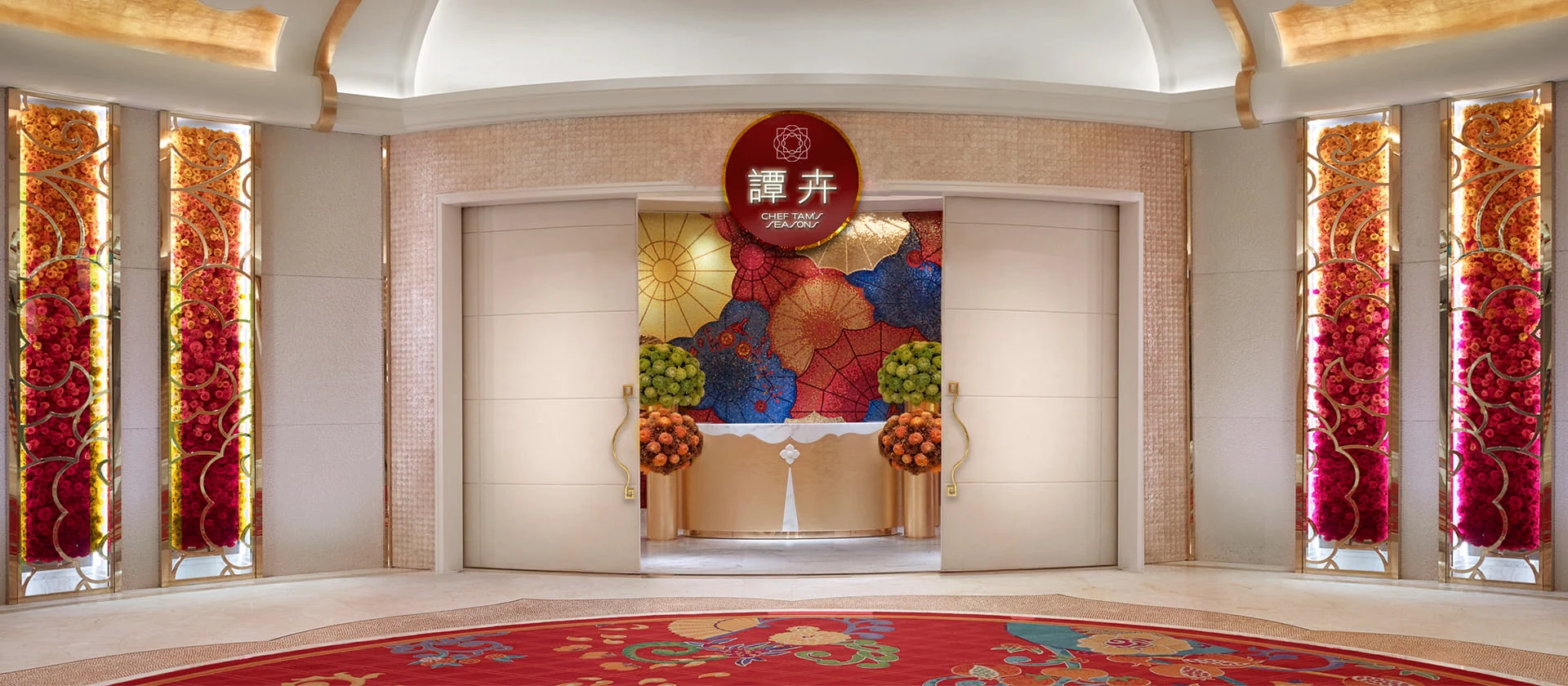
| Chef Tam's Seasons | Michelin 2 Stars, World's 50 Best | Modern Cantonese Fine Dining | Macau |
| Fore Street Restaurant | · | Maine Farm-to-Table Wood-Fired | Portland |
| Scales | · | Modern Maine Seafood | Portland |
| Standard Baking | · | Artisanal French-Inspired Bakery | Portland |
| Ynyshir Hall | Michelin 2 Stars | Modern Fusion Fine Dining | Machynlleth |
In residence
Similar places
Modern Small Plates
Central Provisions
Portland, United States
Modern Cantonese Fine Dining
Chef Tam's Seasons
Macau, Macau
★★ · 50 Best
Maine Farm-to-Table Wood-Fired
Fore Street Restaurant
Portland, United States
Modern Maine Seafood
Scales
Portland, United States
Artisanal French-Inspired Bakery
Standard Baking
Portland, United States
Modern Fusion Fine Dining
Ynyshir Hall
Machynlleth, United Kingdom
★★
The Sunday letter
Get the next Made By story in your inbox.
We send one email every Sunday morning with the places and people we covered that week.
See a sample of the Sunday emailOne email a week. Unsubscribe from any issue.