- Michelin Plate · 2026
- Opinionated About Dining Casual in North America Recommended · 2026
- Michelin Plate · 2025
- Opinionated About Dining Casual in North America Ranked #641 · 2025
- Opinionated About Dining Casual in North America Ranked #567 · 2024
- Opinionated About Dining Casual in North America Recommended · 2023
Avenue Laurier and the French Bistro Tradition in Montreal
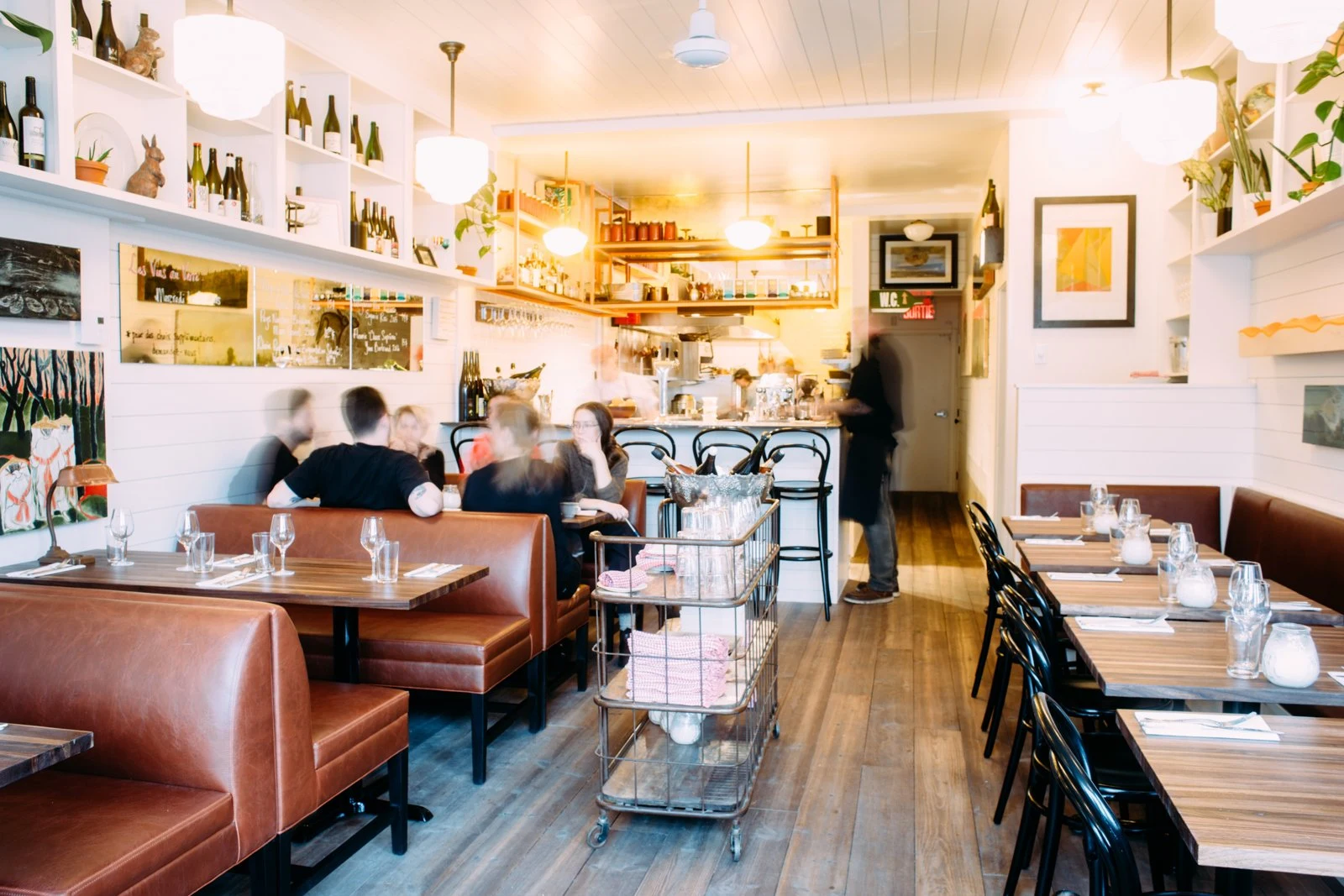
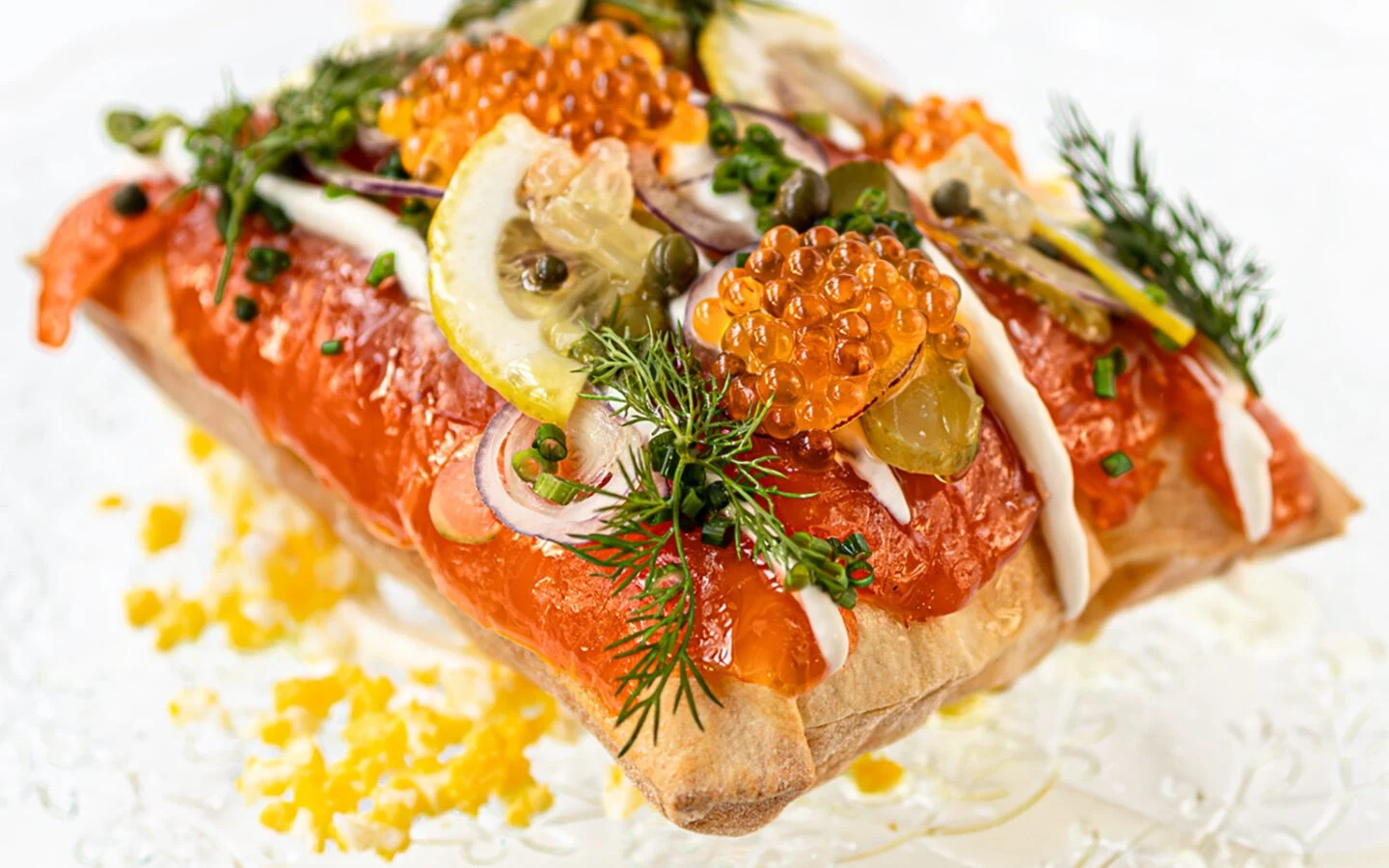
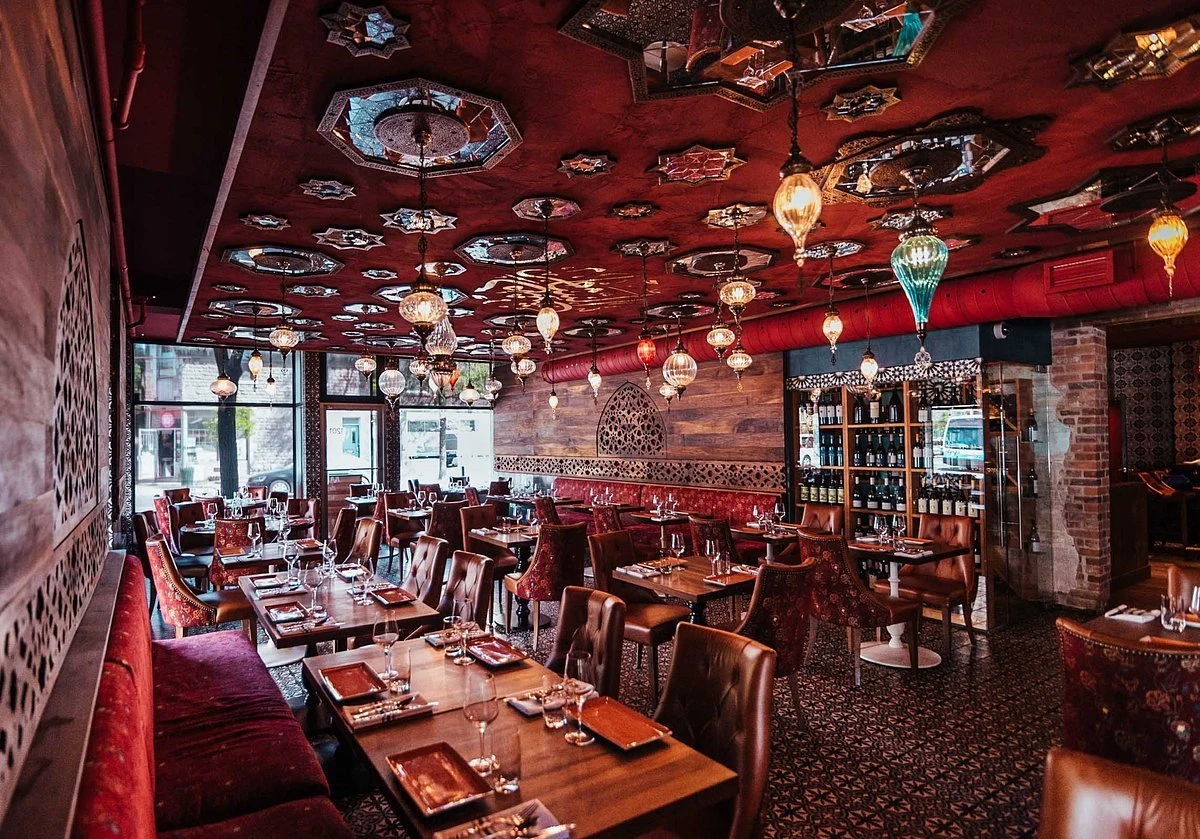
Leméac is a Montreal restaurant in Outremont serving classic French brasserie cooking. The neighbourhood has long carried a francophone bourgeois character that distinguishes it from the more tourist-facing corridors of the Plateau or Old Montreal, and the bistros that line this stretch behave accordingly: fewer concessions to novelty, more investment in the kind of steady, well-executed cooking that fills a room on a Tuesday as reliably as a Saturday. Leméac, at 1045 Av. Laurier O, sits inside that tradition without apology.
Montreal's French bistro category has always been more credible than in most North American cities, partly because the linguistic and cultural gravity of Quebec sustains a genuine appetite for the format rather than a nostalgic approximation of it. L'Express, operating on Saint-Denis with its zinc bar and checked floors, has historically anchored the tier. Leméac competes in the same bracket but from a different neighbourhood register, quieter, more residential, with the particular confidence of a place that doesn't need to be discovered.
Where Leméac Sits in the Current Montreal Scene
Montreal's dining scene has developed two distinct upward pressures over the past decade. The first runs through modern French-influenced tasting menus, Jérôme Ferrer's Europea and venues like Mastard and Sabayon, operating at price points and formality levels removed from the bistro format. The second runs through chef-driven neighbourhood rooms that treat the bistro or brasserie not as a fallback but as a fully considered format. Leméac belongs to this second current.
The venue holds a Michelin Plate for 2025, and its OAD record shows a Recommended listing in 2023, a ranked position at #567 in the Casual North America category in 2024, and a ranking of #641 in 2025. More telling is the Opinionated About Dining trajectory: a Recommended listing in 2023, a ranked position at #567 in the Casual North America category in 2024, and a ranking of #641 in 2025. The slight numerical movement across years reflects the expanding OAD pool as much as any shift in kitchen quality; the sustained presence across three consecutive cycles is the signal that matters. Among French bistros in Canada, that kind of consistent critical attention is not common.
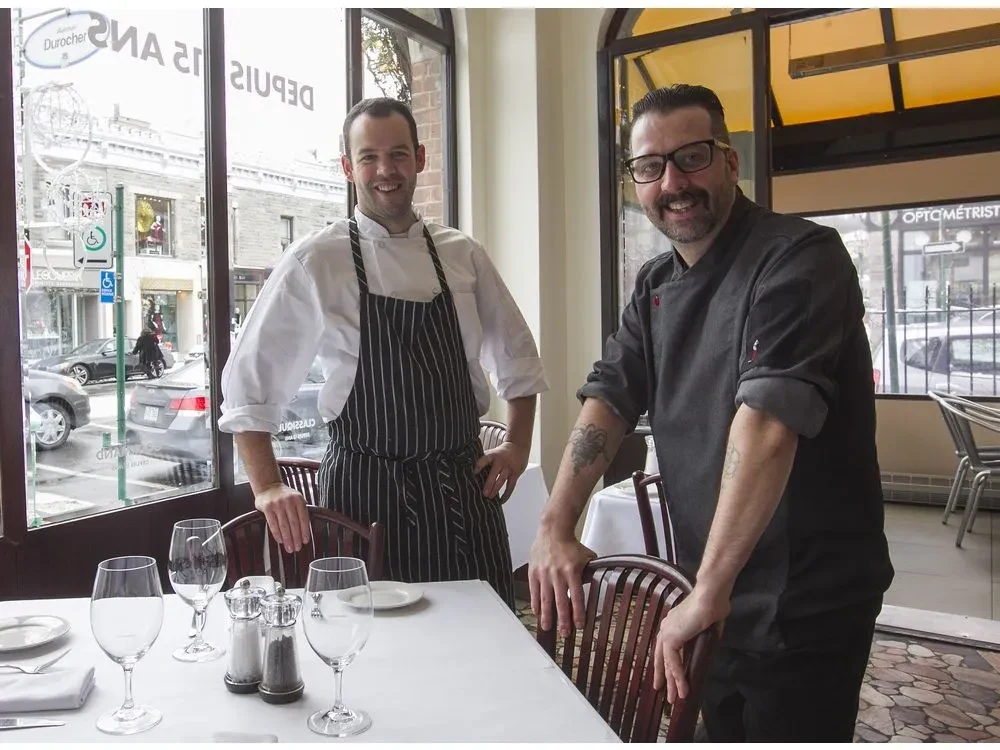
The Kitchen: Maxim Vadnais and Olivier Belzile
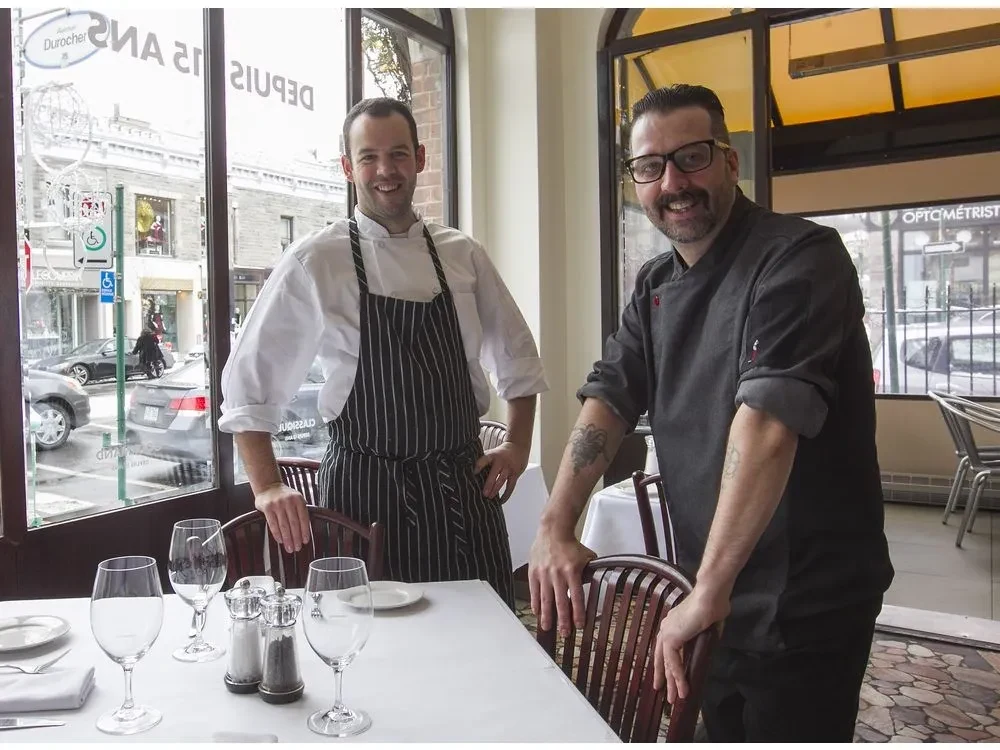
The bistro format is harder to execute well than it appears. The constraints are self-imposed but rigid: a relatively short menu, cooking that references a shared European vocabulary, and a room that must feel lived-in rather than designed. The gap between a bistro that works and one that merely resembles the idea is almost entirely a kitchen question. At Leméac, the kitchen operates under Maxim Vadnais and Olivier Belzile, a dual-chef arrangement that is more common in Quebec's serious mid-tier than in other Canadian provinces, where single-chef identity tends to dominate the narrative.
What the awards record implies about the approach is consistency under the kind of service pressure that a full lunch-and-dinner operation across seven days creates. Leméac is open Monday through Friday from 11:30 am to 3 pm and 5 to 11 pm, with Saturday and Sunday brunch extending the opening to 10 am. That schedule, roughly split-service, seven days, with weekend brunch added, is demanding on any kitchen team. The OAD recognition across multiple years suggests the output holds through that pressure rather than peaking for special occasions.
The broader trend in Quebec's serious kitchens has been toward cooking that acknowledges both the French lineage and the specific agricultural calendar of the province. Tanière³ in Québec City represents one pole of that tendency, deeply terroir-focused, almost archival in its sourcing. Leméac operates at the more accessible bistro register, but the critical validation it has received positions it clearly above restaurants that treat French cooking as purely a style exercise.
Outremont as Context
The address matters more than it might seem. Outremont is not a dining destination in the way that the Plateau or Mile End are indexed by visitors, which means the room's regulars are disproportionately neighbourhood residents rather than tourists or expense-account diners arriving by taxi from a hotel. That audience demographic tends to produce more honest critical calibration: a bistro on Avenue Laurier cannot survive on novelty or hype, only on repeated visits from people who live within walking distance. A 4.5 Google rating across 2,652 reviews reflects that kind of sustained, repeat-customer approval.
For visitors staying in central Montreal, the neighbourhood is easily reachable but feels distinct from the downtown core.
How Leméac Compares to the French Bistro Format Elsewhere
The French bistro has been reinterpreted across North American cities with mixed results. In Los Angeles, Republique operates at a scale and architectural ambition that shifts the format toward event dining. In Chicago, Au Cheval has borrowed bistro aesthetics while moving the menu considerably toward American comfort cooking. Montreal's version of the format, at its most credible, stays closer to the original brief: a room that functions as a neighbourhood institution, cooking rooted in French technique, and pricing that allows for regular rather than occasional visits.
Within Canada's broader chef-driven mid-tier, the comparison set for Leméac's format and critical position runs through rooms like Alo in Toronto, AnnaLena in Vancouver, and more rurally, Restaurant Pearl Morissette in Lincoln and The Pine in Creemore, though those venues operate at higher formality and ambition levels. At the neighbourhood-scale end, Narval in Rimouski and Alma Montreal share a similar commitment to serious cooking at an accessible register.
Planning a Visit
Leméac runs lunch and dinner service seven days a week, with brunch on weekends from 10 am. The kitchen closes at 11 pm nightly, which makes it one of the later kitchens on the Avenue Laurier strip. For visitors with limited time in the city, the lunch service on a weekday offers the most direct access to the room without navigating weekend reservation pressure. The combination of Michelin Plate recognition and multiple OAD rankings means demand is consistent; booking ahead is sensible for dinner, particularly Thursday through Saturday.
Questions
Frequently asked
Who works at Leméac?
Made By profiles Maxim Vadnais (Chef) and Olivier Belzile (Chef) at Leméac.
How expensive is Leméac?
Leméac is listed at a price level of $$$.
Where is Leméac and what does it serve?
Leméac is in Outremont, Montréal, serving Classic French Brasserie.
The field
How it compares
| Place | Cuisine | Notes | Awards |
|---|---|---|---|
| Leméac | Classic French Brasserie | Outremont, $$$ | · |
| Beba | Modern Iberian-Italian Fusion | Montréal | World's 50 Best |
| Joe Beef | French Bistro with Québec Terroir | Montréal | · |
| Mastard | Modern Quebec Terroir Fine Dining | Montréal | Michelin 1 Star |
| Mon Lapin | Modern Quebecois Bistro | Montréal | World's 50 Best |
| Montréal Plaza | Modern French-Canadian with Japanese Flair | Montréal | World's 50 Best |
| Toqué | Modern Quebecois Fine Dining | Montréal | · |
In residence
Similar places
Modern Iberian-Italian Fusion
Beba
Montréal, Canada
50 Best
French Bistro with Québec Terroir
Joe Beef
Montréal, Canada
Modern Quebec Terroir Fine Dining
Mastard
Montréal, Canada
★
Modern Quebecois Bistro
Mon Lapin
Montréal, Canada
50 Best
Modern French-Canadian with Japanese Flair
Montréal Plaza
Montréal, Canada
50 Best
Modern Quebecois Fine Dining
Toqué
Montréal, Canada