Leone de Castris
- 01CitySalice Salentino, Italy
- Falstaff Winery - 4 Stars · 2026
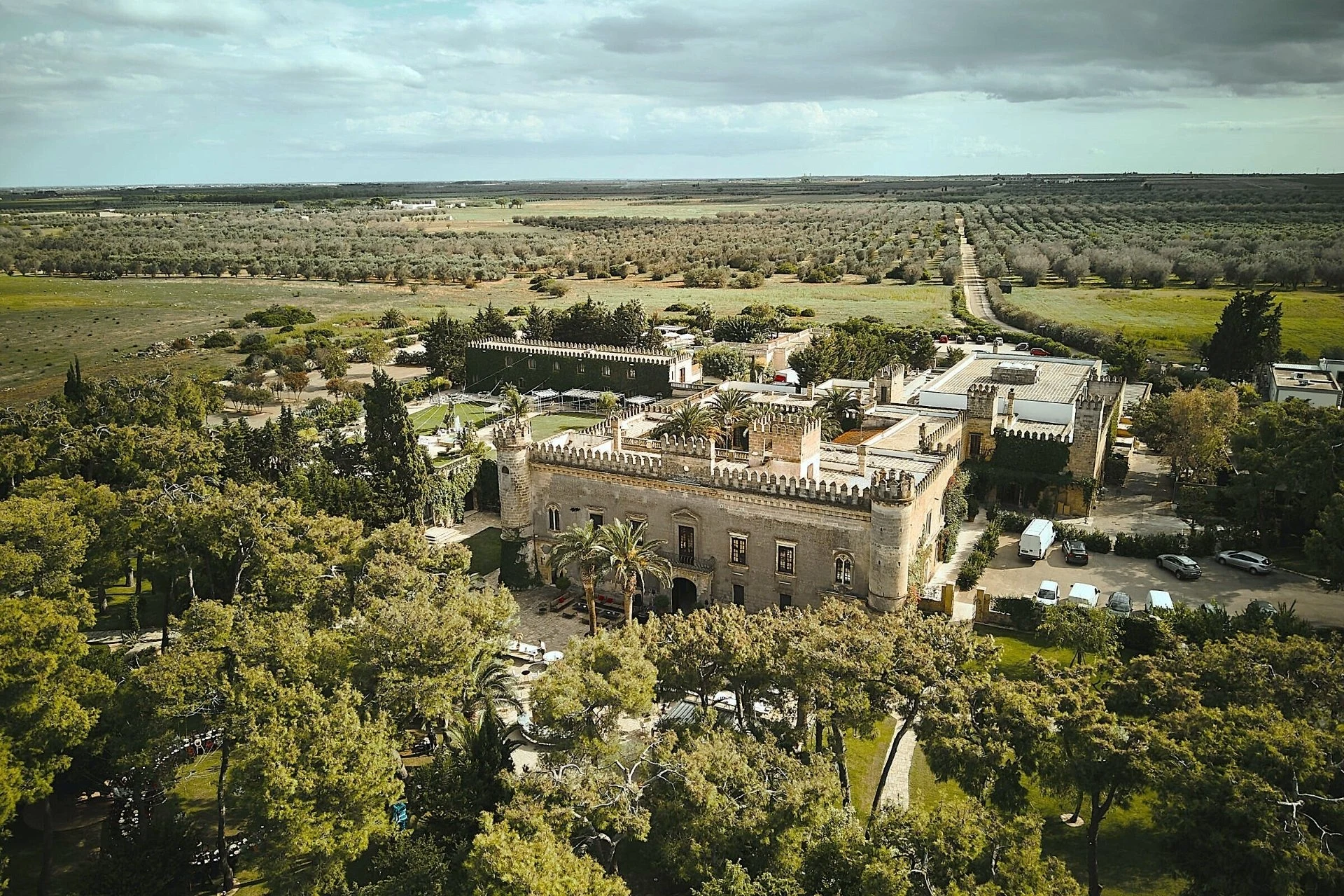
Leone de Castris in Salice Salentino is best understood through its setting: historic, museum-like cellars housed in a 17th-century patrician palazzo. The atmosphere combines classic Salento architecture with the feel of a working winery, keeping the focus on local grapes and tradition rather than a staged hospitality concept. Its appeal is therefore less about a checklist of add-ons and more about the impression created by old masonry, cellar spaces and a place that still reads as part of the local wine landscape.
The profile is deliberately simple. The venue is in Salice Salentino, the price level is listed as $$, and the mood is historic, classic, iconic and sophisticated, with a romantic old-building character. More detailed claims about specific services, menus, tour formats, opening dates, production scale, named wines or critical scores are not confirmed here. That restraint matters: the clearest way to describe the venue is as a heritage-led winery setting, not as a fully specified tasting product.
Local grapes and the Salice Salentino signal
The grounded appeal of Leone de Castris is its connection to Salice Salentino and to local grape tradition. Rather than relying on claims about particular bottles, blends or awards, the clearest reason to consider it is the way the setting presents regional wine culture inside a historic palazzo and cellar environment. The local emphasis gives the visit its identity, especially for travelers who are trying to understand wine through place, architecture and continuity rather than through a list of labels.
That makes it a useful stop for travelers who want a sense of place: classic Salento architecture, a working winery atmosphere and a focus on tradition. The experience should be approached as a historic winery visit in Salice Salentino, not as a venue defined here by specific ratings, named cuvées or detailed tasting formats. In practical terms, that means the strength of the listing is the setting and regional signal, while the particulars of any visit should be treated as subject to confirmation.
Confirm current visit options, availability and any tasting details directly with the venue before building an itinerary around a specific format. This is especially important if the visit is meant to fit a tight schedule or if a traveler is expecting something beyond the general historic winery experience described here.
A cellar setting built around history rather than spectacle
The strongest confirmed detail is the setting itself. Leone de Castris occupies historic, museum-like cellars in a 17th-century patrician palazzo, giving the visit an architectural and traditional frame. The tone is classic and sophisticated, with the atmosphere of a working winery rather than a purely decorative venue. That distinction is important: the cellar context is not presented as theatrical staging, but as the main reason the venue feels rooted, old-world and specific to Salento.
This makes it most relevant for travelers who value heritage, local wine culture and a sense of place. It is not possible, from the information here, to confirm language options, group formats, food pairings, accessibility details, children or pet policies, or exact visit duration. Those omissions should not be filled in by assumption, particularly because winery visits can vary widely depending on season, staffing and format.
For that reason, the safest expectation is a historic winery environment in Salice Salentino with a focus on local grapes and tradition. Anything more specific should be checked with Leone de Castris before visiting. Approached on those terms, the venue fits travelers looking for atmosphere, context and a classic cellar setting more than those seeking a precisely documented service structure in advance.
How to place it in a Salento wine itinerary
For travelers planning around Salice Salentino, Leone de Castris can serve as a historic anchor: a classic palazzo-and-cellar setting with a working winery atmosphere and a regional focus. Its price level is $$, which helps position it without implying a specific tasting price or package. In an itinerary, it works well as a place chosen for its heritage character and its connection to local grapes, rather than for extras.
Within the wider area, pair the visit with broader Salice Salentino dining, lodging, bar, winery and experience research. Other dining in Salice Salentino can be considered generically alongside the winery, but the comparison set here does not support naming additional local venues. Keeping that broader research separate helps avoid overstating what is confirmed about Leone de Castris itself.
For a broader itinerary, keep the focus on what is confirmed: Leone de Castris in Salice Salentino, housed in a 17th-century patrician palazzo, with historic, museum-like cellars and a working winery atmosphere centered on local grapes and tradition. That concise frame is the most reliable way to use the venue: as a classic Salento wine stop where the setting carries much of the experience.
Questions
Frequently asked
How expensive is Leone de Castris?
Leone de Castris is listed at a price level of $$.
The field
How it compares
| Place | Notes | Awards |
|---|---|---|
| Leone de Castris | Salice Salentino, $$ | · |
| Castello Monaci | Salice Salentino | · |
| Domaine Bruno Clair | Marsannay-la-Côte | · |
| Marqués de Murrieta | Logroño | World's 50 Best |
| Nyetimber | Horsham | World's 50 Best |
| Viña Montes | Santa Cruz | World's 50 Best |
| Vini Minicune | Salice Salentino | · |