Les Celliers Jean d’Alibert
- 01CityRieux Minervois, France

- Falstaff Winery - Listed · 2026
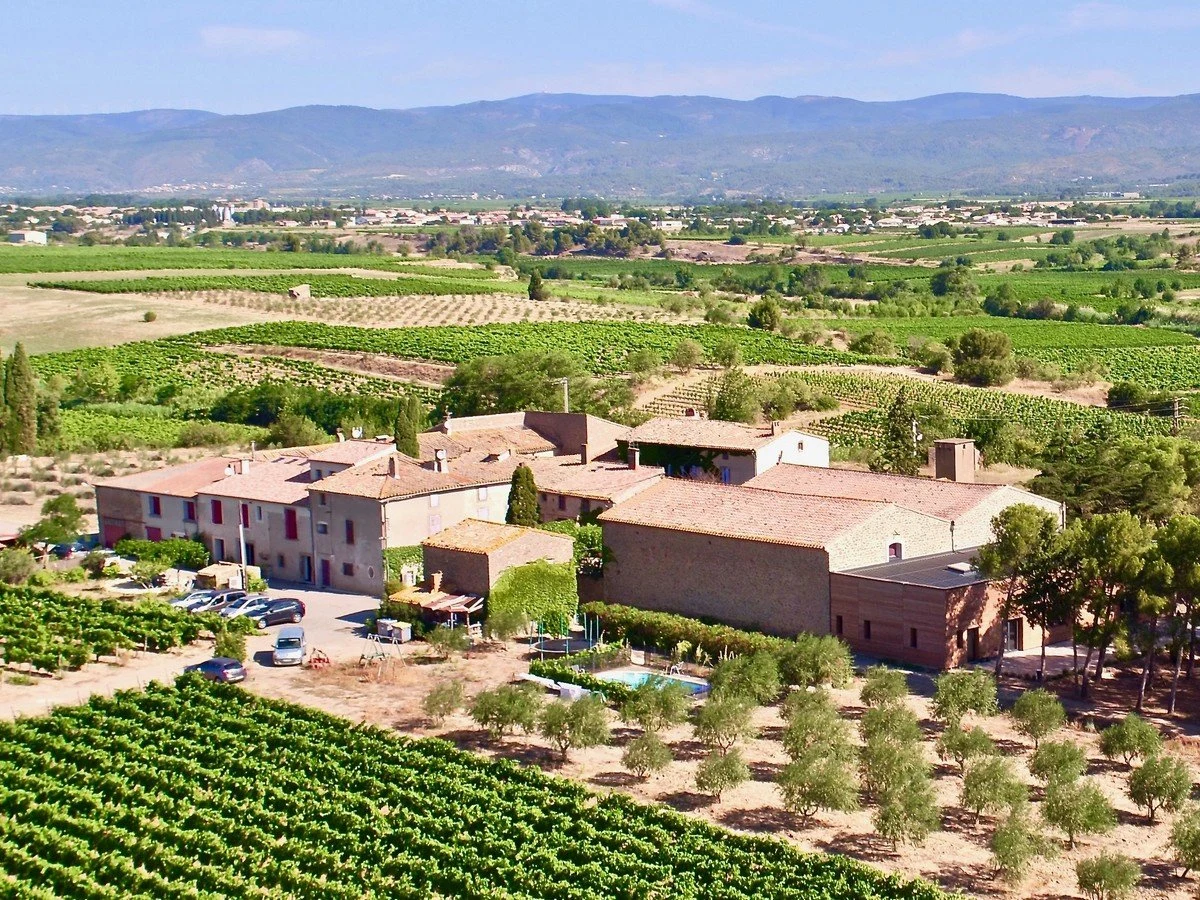
Approach Les Celliers Jean d’Alibert in Rieux Minervois as a working wine-production setting rather than a hospitality-led venue. The character is industrial and rustic, with a cooperative-winery atmosphere focused on wine production, bottling, and export. That distinction shapes almost everything about how the venue should be read: less as a polished destination built around the visitor, and more as a place whose identity is tied to the practical movement of wine through a production system.
That framing is important for expectations. This is not a page where specific visitor services, tasting formats, opening arrangements, dishes, or event capacities can be confirmed. The grounded picture is simpler: Les Celliers Jean d’Alibert is best understood as part of the practical infrastructure of wine in Rieux Minervois. Any visit or comparison should therefore begin with that modest, production-minded understanding rather than with assumptions imported from estate tasting rooms, restaurants, or curated wine-tour formats.
Minervois terroir seen through a cooperative lens
The useful distinction here is atmosphere and function. Many wine visits are marketed through estate romance or polished hospitality. Les Celliers Jean d’Alibert is described instead by its industrial cooperative-winery character, with production, bottling, and export closer to the centre of the story. In that sense, its value lies in a different register: it points toward the collective, operational side of local wine rather than toward a highly staged experience of place.
Travellers should read the venue through what is confirmed: a rustic, industrial production environment in Rieux Minervois. The wording matters because it keeps the emphasis on setting and purpose, not on extras. Rustic here should not be inflated into a promise of charm, and industrial should not be softened into a hospitality concept. Together, the terms describe a functional wine environment whose atmosphere comes from work, scale, and utility.
For context, compare it only in general terms with other dining or wine-related options in Rieux Minervois. Les Celliers Jean d’Alibert stands out on this page for its production-first character rather than for a documented hospitality format. That makes it a different kind of reference point: not necessarily the place to assess by menus, service style, or curated tasting structure, but by the way it represents the less decorative side of the local wine economy.
Where production replaces tasting-room theatre
What can be said is that the venue’s atmosphere is closer to a working cooperative winery than to a decorative tasting-room experience. The emphasis is on the visible logic of production rather than on performance: wine being made, handled, bottled, and prepared for movement beyond the immediate setting. This gives the place a plainspoken identity that is useful precisely because it does not need to be dressed up as something else.
That makes Les Celliers Jean d’Alibert most legible for people interested in the practical side of wine: production, bottling, and export. The appeal is not a confirmed menu, pairing program, seating setup, or guided format, but the industrial and rustic identity of the place. For some travellers, that may be less immediately romantic than a hospitality-led address; for others, it may be the more revealing angle, because it places attention on the processes that sit behind bottles and labels.
Price level is listed as $, placing it at the accessible end of the guide’s price scale. Beyond that, no specific public-facing service details should be inferred from this listing. The price marker should be treated as a broad guide indicator, not as evidence of particular offers, inclusions, tasting arrangements, or visitor infrastructure. The safest reading remains the same: a production-first cooperative setting with an accessible price classification, but without confirmed detail on how, when, or whether a visitor experience is structured.
A useful stop for understanding scale in French wine
The critical case for Les Celliers Jean d’Alibert is not based on confirmed awards, rankings, or a named chef or hospitality team. Its relevance comes from the description of the venue as an industrial cooperative winery atmosphere focused on production, bottling, and export. That is a narrower claim, but also a clearer one. It positions the venue within the working fabric of wine rather than within the language of accolades, destination dining, or lifestyle hospitality.
For a Rieux Minervois itinerary, it is best understood as a production-minded reference point rather than a fully documented visitor venue. If comparing options, keep the comparison general and local: other Rieux Minervois dining or wine stops may offer different kinds of hospitality, while Les Celliers Jean d’Alibert is defined here by its working-winery character. Its usefulness lies in that contrast. It reminds travellers that wine regions are not made only of tasting counters and scenic narratives, but also of cooperative structures, practical facilities, bottling work, and export activity. Read on those terms, the venue adds context without requiring claims the listing does not support.
Questions
Frequently asked
How expensive is Les Celliers Jean d’Alibert?
Les Celliers Jean d’Alibert is listed at a price level of $.
The field
How it compares
| Place | Notes | Awards |
|---|---|---|
| Les Celliers Jean d’Alibert | Rieux-Minervois, $ | · |
| Céllier d'Eole | Rieux Minervois | · |
| Château Les Carmes Haut-Brion | Bordeaux | · |
| Château Montrose | Saint-Estèphe | · |
| Domaine des Homs | Rieux Minervois | · |
| Domaine François Raveneau | Chablis | · |
| Ridge Vineyards | Cupertino | World's 50 Best |