Domaine des Homs
- 01CityRieux Minervois, France
- Falstaff Winery - Listed · 2026
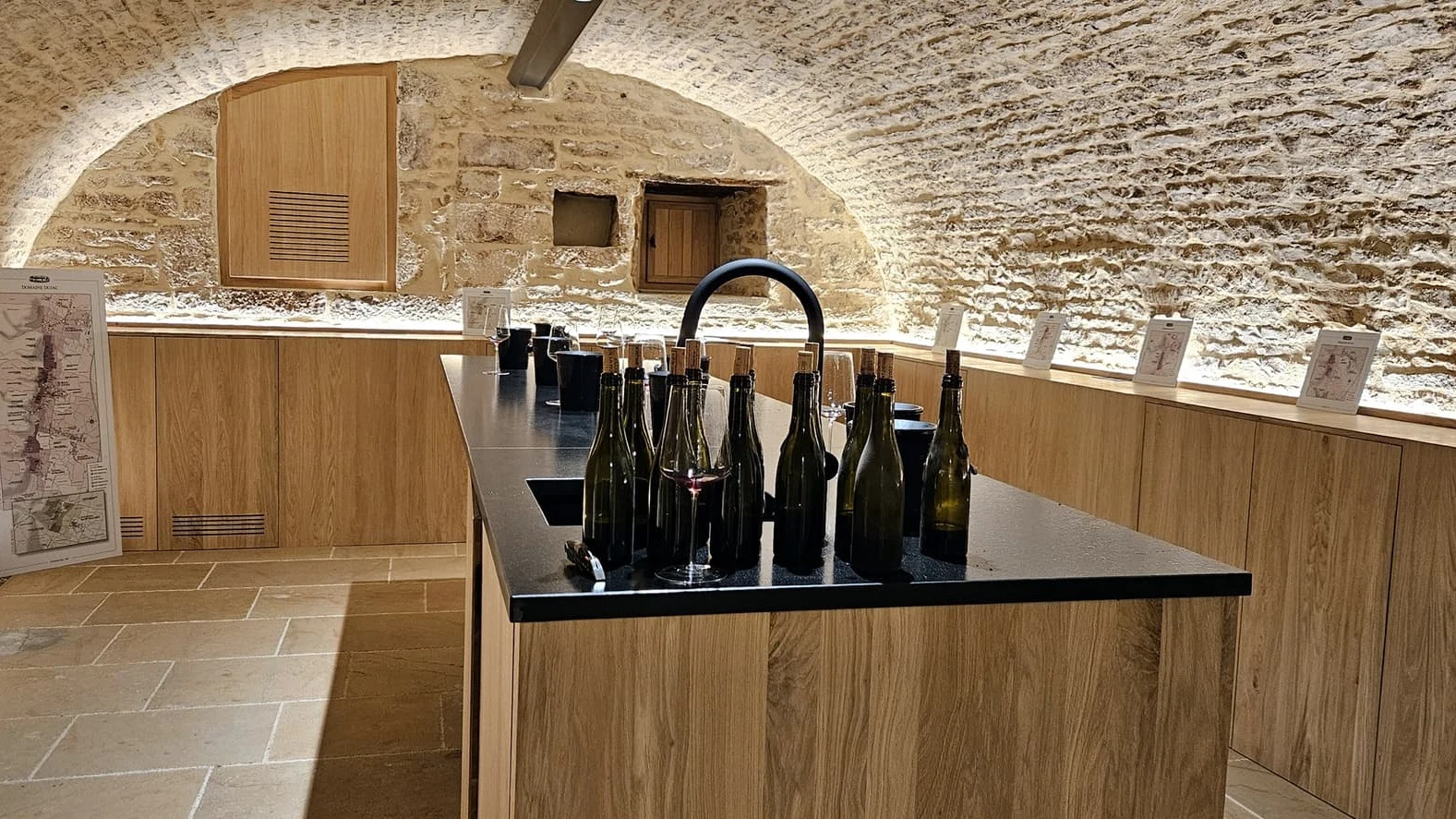
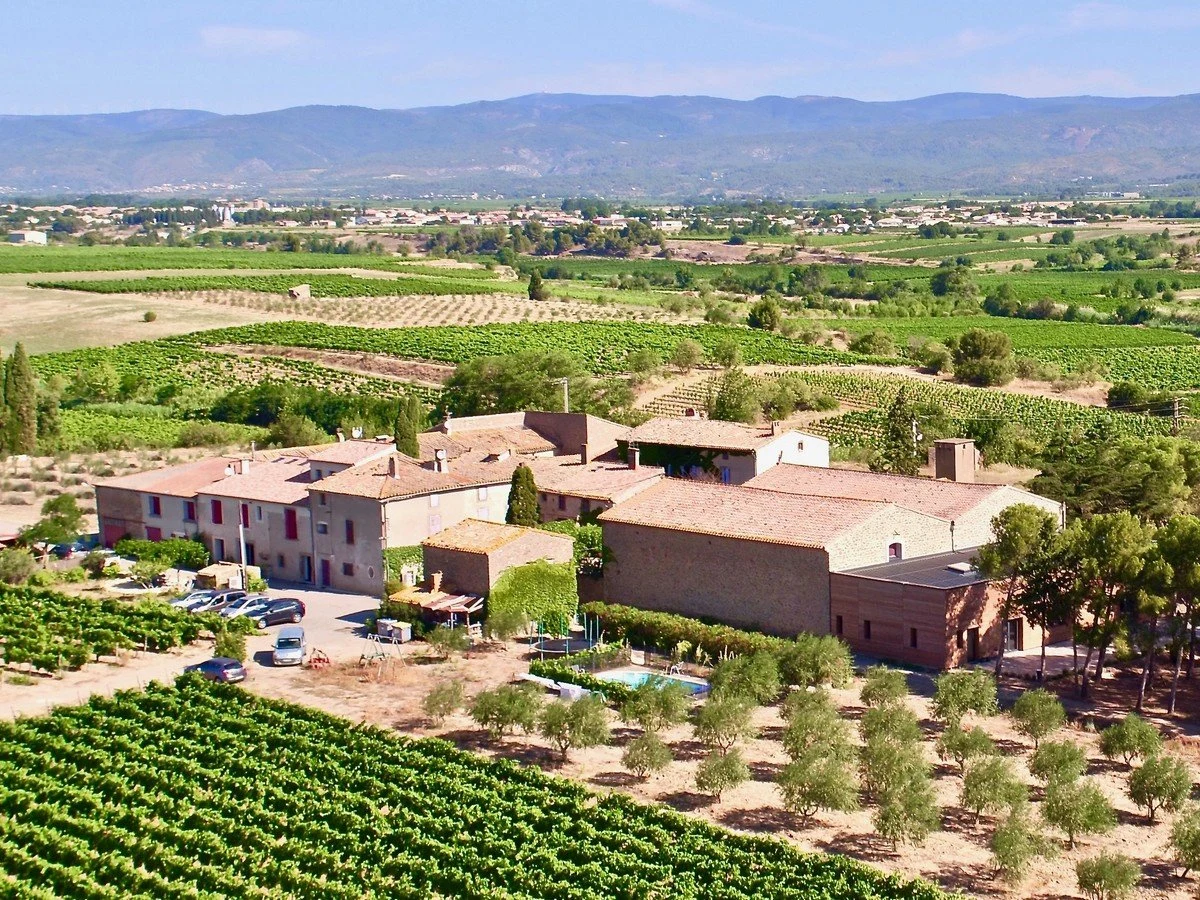
Approach Rieux Minervois and Domaine des Homs reads first as a place in the landscape: rural, quiet and set among vineyards at the foot of the Montagne Noire. The draw is not a polished urban tasting room or a highly staged destination experience. It is a relaxed cellar atmosphere on an organic, family-run Languedoc estate, where the setting itself carries much of the appeal and sets the pace before any tasting begins.
The picture is deliberately simple. Domaine des Homs is an organic estate in Rieux Minervois, connected to historic Roman farm land and shaped by a scenic vineyard environment. That combination gives the venue its strongest editorial identity: rustic, classic, intimate and a little hidden away, with informal tastings rather than a formal dining-room style of service. It feels best described through texture rather than flourish: vineyard views, rural quiet and the sense of a working estate rather than a designed showpiece.
Montagne Noire foothills, organic farming and the Minervois frame
The location matters. Rieux Minervois sits in a part of the Languedoc where vineyard landscapes and the Montagne Noire frame the experience. For visitors, Domaine des Homs is best understood through that rural context: a quiet estate stop where the conversation naturally turns to land, farming and the character of the surrounding area. The foothill setting gives the visit a sense of place that is difficult to separate from the wines themselves.
Rather than overstate those specifics, the safer way to describe Domaine des Homs is as an organic family-run Languedoc estate with a cellar atmosphere that remains informal and grounded. That wording matters because it keeps the focus on what is actually supported: the estate identity, the agricultural setting and the modest, rural tone of the visit.
That restraint is part of its charm. The venue’s appeal is not based on a long list of amenities or a named restaurant-style format. It is the kind of stop that suits travelers who want a quiet vineyard setting, a sense of local agriculture and a less performative encounter with the Minervois landscape. In that context, the simplicity is not a weakness; it is the reason the place can feel rooted rather than overproduced.
A small estate visit built around land, not theatre
Domaine des Homs works well when approached as a rural cellar visit rather than a luxury production. The atmosphere is relaxed, rustic and intimate, with informal tastings in a quiet vineyard setting. If you are looking for a high-gloss hospitality concept, this is not the useful frame; if you want a calm estate atmosphere in Rieux Minervois, it fits naturally. The experience is better read as a pause in the landscape than as a programmed attraction.
The historic Roman farm-land setting gives the property a sense of continuity without requiring unsupported claims about exact dates, acreage or family chronology. What can be said with confidence is that the estate presents itself through land, cellar and vineyard surroundings rather than through spectacle. That makes the visit feel connected to a longer rural story, while still leaving the details appropriately open.
The useful expectation is broader and more honest: an informal organic estate experience in Rieux Minervois. It should be approached for atmosphere, quiet and a direct sense of place, not for an elaborate hospitality script.
Price level is listed as $$, which places Domaine des Homs in a moderate bracket for the guide. That rating is a general price indicator, not a promise of specific tasting fees, bottle prices or package costs.
How to place it within a Rieux Minervois itinerary
Domaine des Homs makes sense as a quiet anchor for time in Rieux Minervois. Its strongest qualities are the organic family-run estate identity, the historic Roman farm-land context, the relaxed rural cellar atmosphere and the scenic vineyard setting at the foot of the Montagne Noire. Those qualities make it especially useful as a slower counterpoint to more structured stops elsewhere in a trip.
For planning, pair the visit with other Rieux Minervois dining, lodging or local experiences in a general way rather than building an itinerary around services at the estate itself. The confirmed profile supports a calm vineyard stop, not a detailed promise of tours, meals, special activities or particular bottles. In practical terms, it is best treated as part of a wider day in the area rather than as a stand-alone production with fixed expectations.
The editorial case is therefore direct: Domaine des Homs is a classic, quiet and scenic Languedoc estate in Rieux Minervois. It is most compelling for travelers who value atmosphere, place and informal tasting over spectacle. Keep expectations grounded, and the appeal is clear: a modest, intimate vineyard setting where the land remains the main event.
Questions
Frequently asked
How expensive is Domaine des Homs?
Domaine des Homs is listed at a price level of $$.
The field
How it compares
| Place | Notes | Awards |
|---|---|---|
| Domaine des Homs | $$ | · |
| Céllier d'Eole | Rieux Minervois | · |
| Château La Mission Haut-Brion | Talence | · |
| Château Pichon Longueville Baron | Pauillac | World's 50 Best |
| Domaine Coche-Dury | Meursault | · |
| Domaine Dujac | Morey-Saint-Denis | · |
| Les Celliers Jean d’Alibert | Rieux Minervois | · |