Little Washington
In Residence
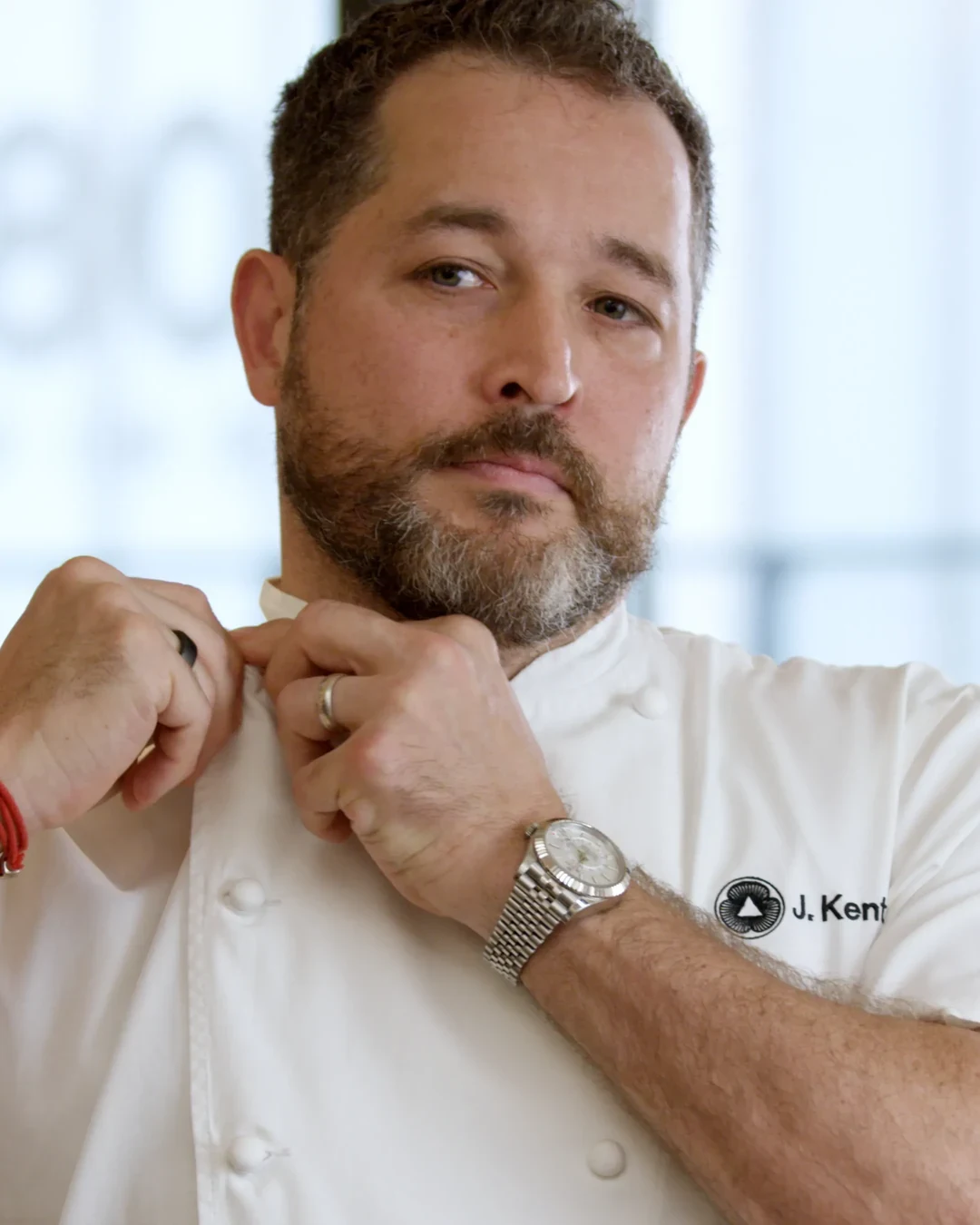
James Kent
Chef
- 01CuisineContemporary American Fine Dining
- 02CityWashington DC, United States
- 03RecognitionWorld's 50 Best — No. 23
- World's 50 Best · #23 · World's 50 Best Restaurants
- Opinionated About Dining Top Restaurants in North America Ranked #46 · 2025
- Michelin Plate · 2025
- La Liste Top Restaurants: 96.5pts · 2025
- Opinionated About Dining Top Restaurants in North America Ranked #77 · 2024
- Michelin Plate · 2024
- Opinionated About Dining Top Restaurants in North America Ranked #32 · 2023
- World's 50 Best Best Restaurants #23 · 2002
Where American Fine Dining Holds Its Ground
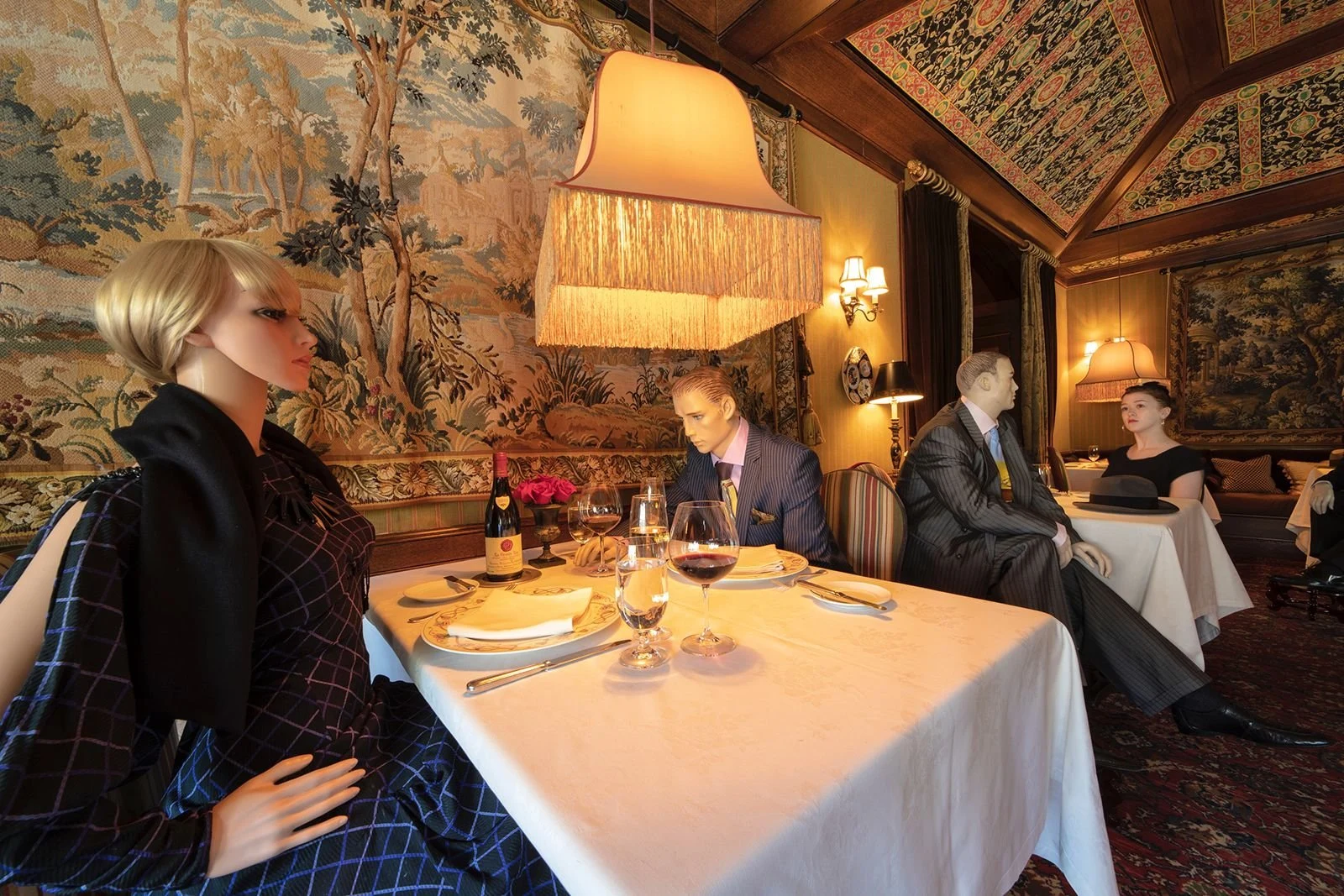
There is a particular weight to dining rooms that have outlasted the trends they once defined. Little Washington is a contemporary American fine dining restaurant in Washington, D.C., priced at about $388 per person, and it carries that kind of gravity. The room signals a specific moment in American hospitality, one where classical European formality was reinterpreted through local produce and American directness, producing a hybrid format that the industry spent decades trying to categorize. Little Washington sits at the older end of that tradition, and in a city where the tasting menu conversation has fractured into a dozen competing formats, that position is worth examining closely.
Washington, D.C.'s fine dining tier has broadened considerably in the years since Little Washington first defined what upscale American cooking could look like in the capital. Jônt now occupies the modernist French-inflected end of the spectrum, while minibar by José Andrés operates as the city's clearest statement of molecular and avant-garde technique. Albi and Causa have expanded the definition of what premium tasting-menu dining looks like when it draws on non-European culinary traditions. Against that backdrop, Little Washington represents something different: a restaurant that helped write the rules before the conversation about rules became fashionable.
The Sunday letter
Find new places through the people who run them.
Our Sunday email brings you the chefs, winemakers and hoteliers behind our newest stories. See a sample before you subscribe.
See a sample of the Sunday emailOne email a week. Unsubscribe from any issue.
The Tasting Menu Format and Its American Lineage
The American tasting menu did not arrive fully formed. It developed across several decades, drawing from French gastronomic structure while substituting European ingredients for regional American produce and French service codes for something warmer and less rigid. The format's most durable practitioners, The French Laundry in Napa, Le Bernardin in New York, Charlie Trotter's in Chicago, share a common characteristic: they were built around a single authorial voice and then sustained across transitions that would have ended lesser operations.
Chef Patrick O'Connell's name defines the kitchen here, and his presence in the American fine dining conversation extends across multiple generations of practitioners. His credentials function as evidence for a broader point about the category: in a restaurant tier where institutional continuity is rare, sustained authorial identity over decades represents a form of competitive differentiation that awards bodies have consistently recognized. La Liste placed Little Washington at 96.5 points in its 2025 rankings, a score that positions the restaurant among the leading performing fine dining addresses globally. The earlier World's 50 Best placement at number 23 in 2002 establishes the long arc of that recognition.
The comparison set for Little Washington is not the current D.C. scene alone. It maps against houses like Alinea in Chicago and Single Thread Farm in Healdsburg, operations that have built international recognition around a committed tasting-menu format with strong authorial identity. It also sits in conversation with Lazy Bear in San Francisco and Emeril's in New Orleans as evidence that American fine dining's geographic spread was never confined to the coasts or the obvious urban centers.
Format Discipline and the West End Address
The American tasting menu format has fragmented significantly since 2000. On one end, high-volume spectacle operations have pushed into experiential territory where the food competes with atmosphere for attention. On the other, a small cohort of low-capacity specialist formats has doubled down on technique, sourcing, and sequence as the primary communication. Little Washington occupies the latter position, where the mechanics of a multi-course progression carry the evening rather than supplementary programming.
West End location places the restaurant within easy reach of D.C.'s embassy corridor and the central hotel district, which partly explains the international dining profile that long-standing fine dining addresses in this geography tend to attract. The address differs from the younger crop of D.C. tasting-menu operations, which have gravitated toward neighborhoods with more visible foot traffic and ambient restaurant culture. At this end of the market, destination dining draws its own audience independent of neighborhood energy, and Little Washington's decades of operation have produced exactly that kind of destination gravity.
For comparison, the neighborhood cohort that includes Oyster Oyster and the city's newer sustainability-forward addresses represents a different entry point into D.C.'s premium dining tier, one that foregrounds provenance and environmental positioning as primary signals. Little Washington's signals are older and more classically organized: awards depth, chef reputation, and format discipline rather than sourcing narrative.
What the Awards Score Signals
A 96.5 on La Liste's 2025 rankings is a data point worth contextualizing. La Liste aggregates scores from multiple sources including Michelin, national guides, and online review platforms, weighting them against each other to produce a composite ranking. A score in the 96-97 range places a restaurant inside the top tier of that composite, where peer-set competition is with other globally recognized fine dining addresses rather than with regional market leaders. The Google review average is 4.6 across 359 reviews.
The 2002 World's 50 Best placement at number 23 predates the list's current influence and global scope, but it functions as a historical credential that establishes Little Washington's place in the longer American fine dining narrative. Properties that appeared in early editions of that list at high rankings include some of the most durable addresses in the category globally. The presence there confirms that the restaurant's current recognition is not a late-career reemergence but a continuation of standing that predates most of the present D.C. fine dining generation.
Planning Your Visit
Little Washington operates as a reservation-focused dining destination at 1190 22nd St NW in D.C.'s West End. Advance reservations are essential.
Know Before You Go
- Address: 1190 22nd St NW, Washington, DC 20037
- Cuisine: American Fine Dining, tasting menu format
- Chef: Patrick O'Connell
- Awards: La Liste 2025, 96.5 points; World's 50 Best #23 (2002)
- Google Rating: 4.6 (359 reviews)
- Booking: Advance reservations strongly advised
- Comparable addresses: The French Laundry, Alinea, Le Bernardin
Questions
Frequently asked
What recognition does Little Washington hold?
Little Washington holds a place on the World's 50 Best list at number 23.
Who works at Little Washington?
Made By profiles James Kent (Chef) at Little Washington.
How expensive is Little Washington?
Little Washington is listed at a price level of $$$$.
Where is Little Washington and what does it serve?
Little Washington is in West End, Washington DC, serving Contemporary American Fine Dining.
The field
How it compares
| Place | Awards | Cuisine | Notes |
|---|---|---|---|
| Little Washington | World's 50 Best #23 | Contemporary American Fine Dining | West End, $$$$ |
| Albi | Michelin 1 Star, World's 50 Best | Modern Levantine Fine Dining | Washington DC |
| Dōgon | World's 50 Best | Modern Afro-Caribbean | Washington DC |
| Jônt | Michelin 2 Stars | Modern Japanese Fine Dining | Washington DC |
| minibar | Michelin 2 Stars | Avant-Garde Molecular Gastronomy | Washington DC |
| Moon Rabbit | World's 50 Best | Creative Vietnamese-Cajun Fusion | Washington DC |
| Oyster Oyster | Michelin 1 Star | Modern Vegetable-Focused Tasting Menu | Washington DC |
In residence
Similar places
Modern Levantine Fine Dining
Albi
Washington DC, United States
★ · 50 Best
Modern Afro-Caribbean
Dōgon
Washington DC, United States
50 Best
Modern Japanese Fine Dining
Jônt
Washington DC, United States
★★
Avant-Garde Molecular Gastronomy
minibar
Washington DC, United States
★★
Creative Vietnamese-Cajun Fusion
Moon Rabbit
Washington DC, United States
50 Best
Modern Vegetable-Focused Tasting Menu
Oyster Oyster
Washington DC, United States
★
The Sunday letter
Get the next Made By story in your inbox.
We send one email every Sunday morning with the places and people we covered that week.
See a sample of the Sunday emailOne email a week. Unsubscribe from any issue.