One of Burgundy's oldest négociant houses, Maison Champy has operated from the heart of Beaune since 1720, placing it among the most historically grounded addresses on the Côte de Beaune. Awarded a Pearl 3 Star Prestige rating in 2025, it sits in the upper tier of Beaune's wine trade alongside names like Drouhin and Bouchard. For those tracing Burgundy's appellations at source, Rue du Grenier à Sel is a logical starting point.
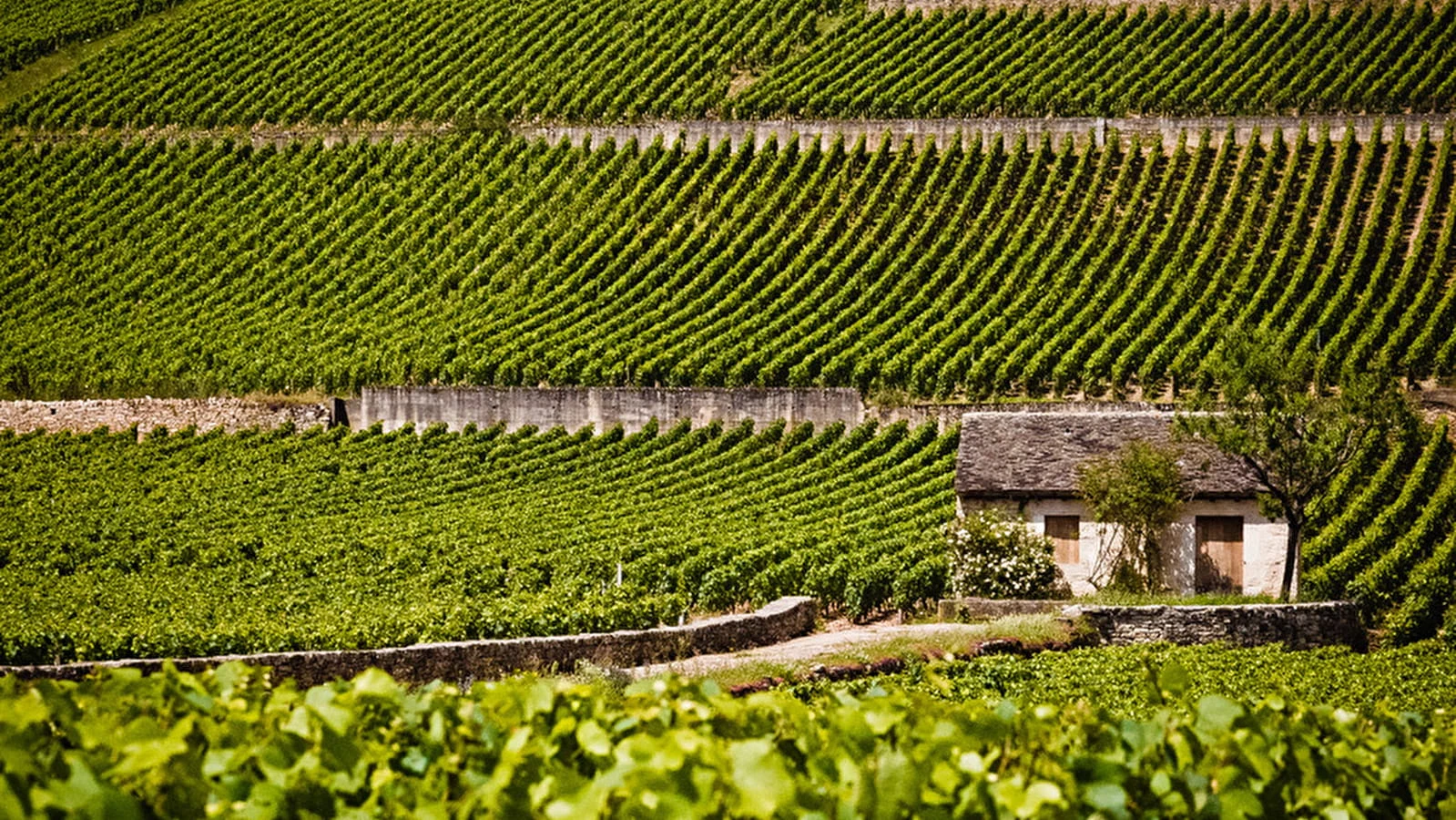
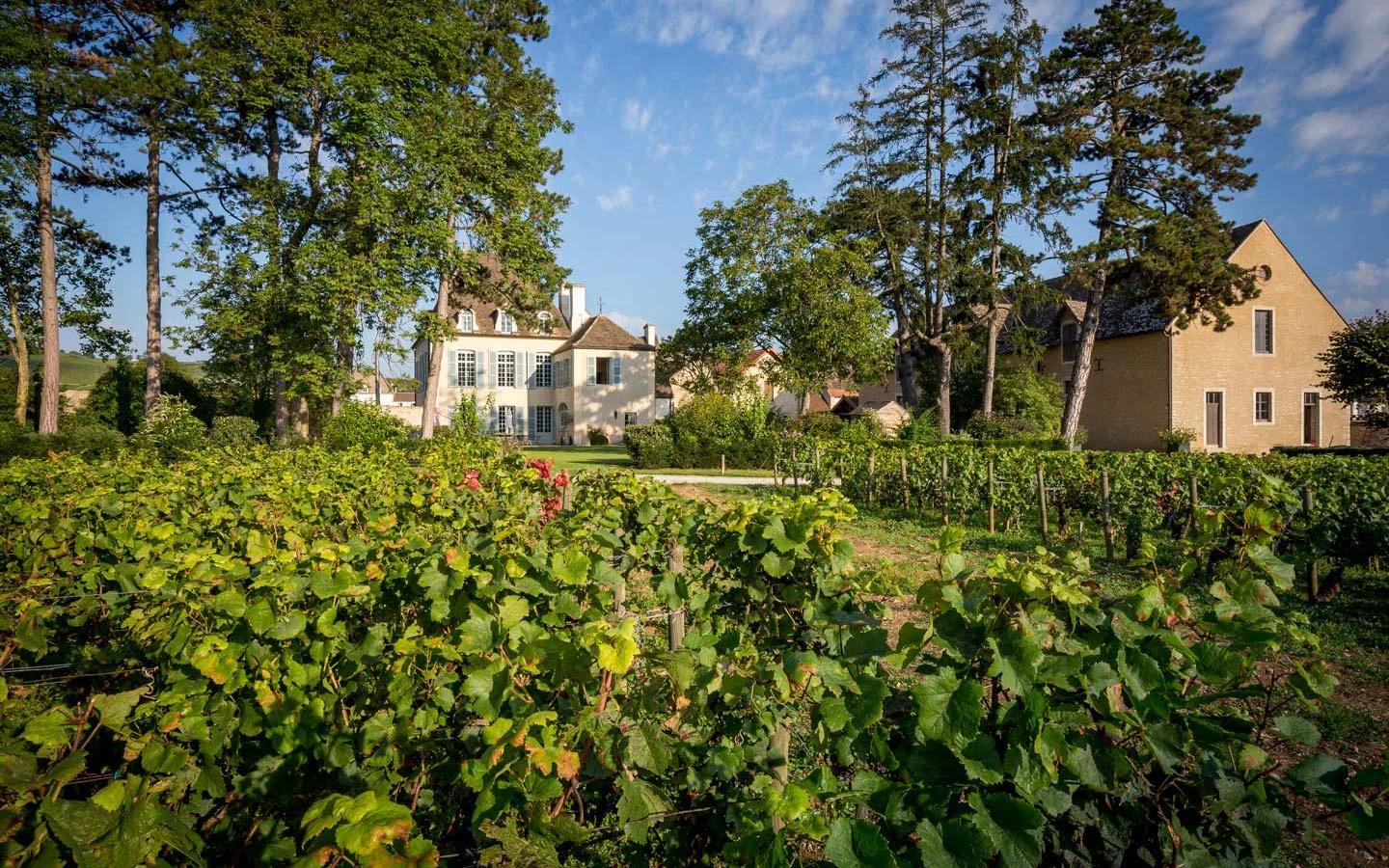
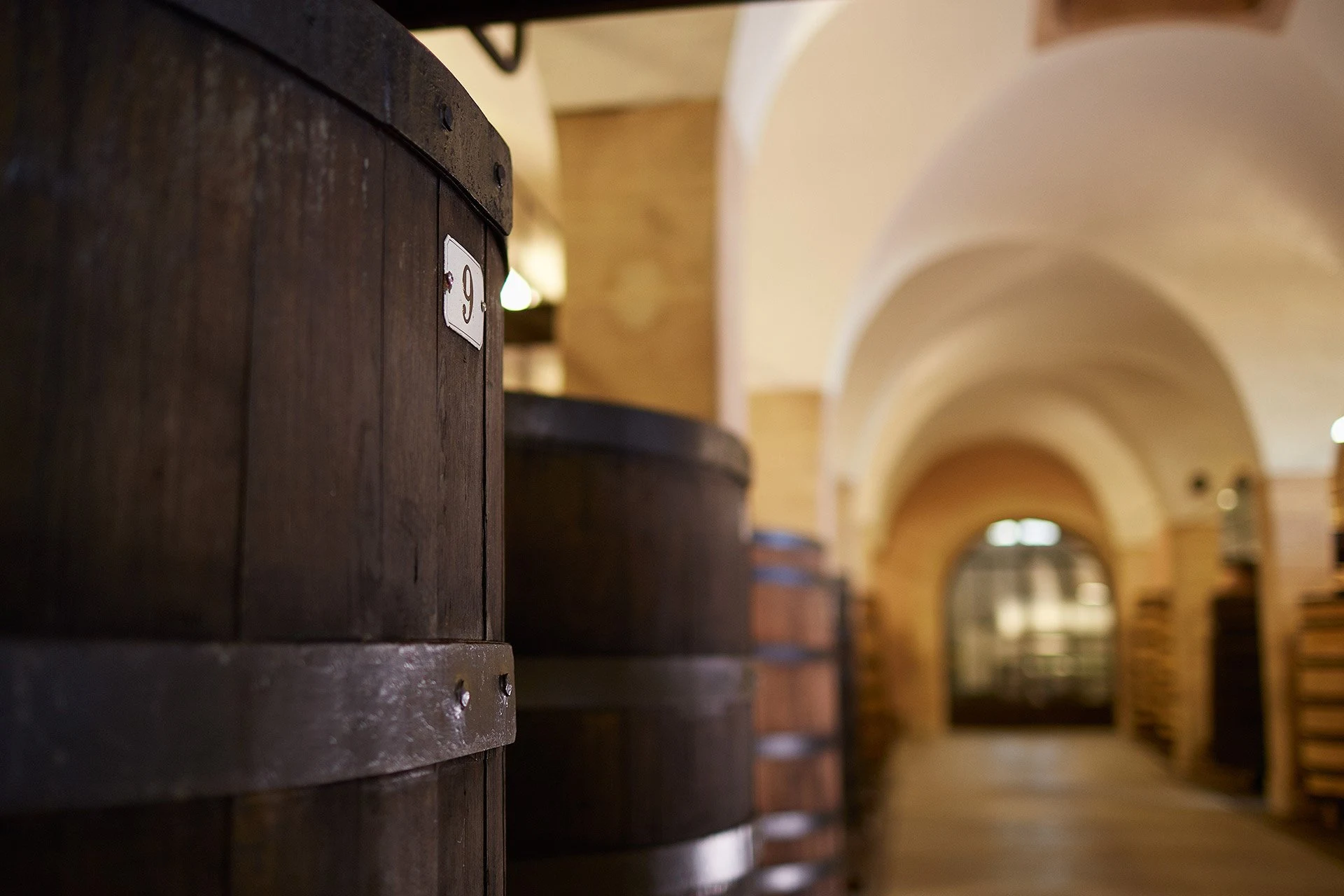
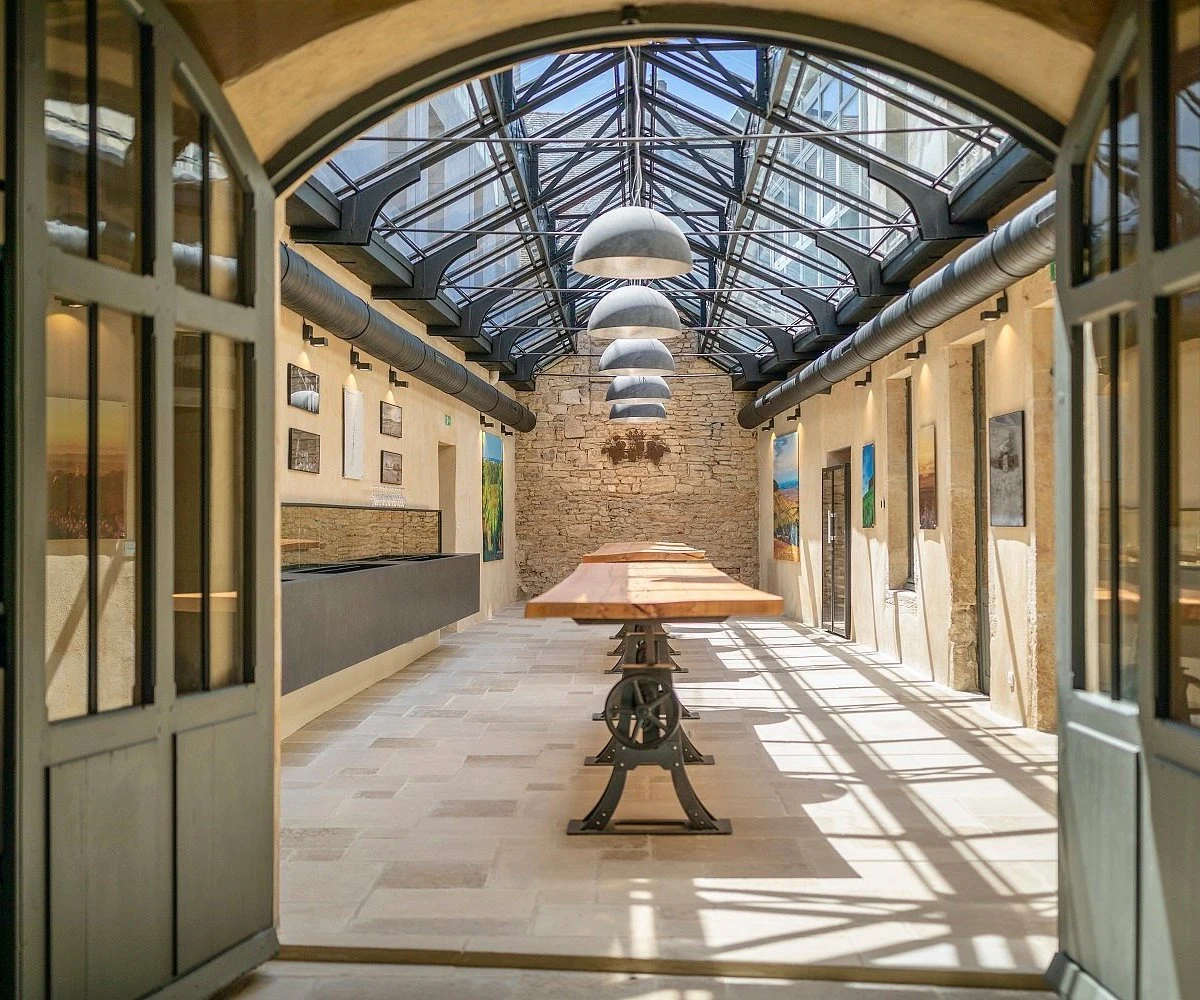
<h2>Three Centuries of Provenance on Rue du Grenier à Sel</h2><p>Approach Beaune from any direction and the geometry of the town does something deliberate: the ramparts pull you inward, the medieval street plan concentrates you toward the centre, and the weight of the wine trade becomes physically apparent before you've entered a single cellar. Rue du Grenier à Sel sits within that compressed core, a short street whose name, Salt Granary Street, signals its age as a storage and trade artery. Maison Champy occupies number five. The building reads as the kind of address where the institution and the architecture have aged together, neither renovated into irrelevance nor left to deteriorate. That quality of continuity, of place and practice ageing in parallel, is the first thing to understand about what Champy represents in Beaune's crowded négociant landscape.</p><p>Founded in 1720, Champy holds a particular historical position: it is widely recognised as one of the oldest négociant houses in Burgundy. That distinction carries more than ceremonial weight. The house predates the appellation system, predates the phylloxera crisis, predates most of the institutional frameworks that now organise Burgundy's wine hierarchy. Operating across those periods means the sourcing relationships, cellar practices, and vineyard access embedded in a house like this reflect an accumulated geography of Burgundy that newer operations cannot replicate through purchase alone. In 2025, Maison Champy received a Pearl 3 Star Prestige rating.</p><h2>Where Burgundy's Sourcing Logic Becomes Visible</h2><p>The editorial angle that matters most when assessing a négociant house in Beaune is not the cellar technology or the label design, it is the sourcing logic. Burgundy's appellation system is unusually granular: a wine's identity is determined less by the producer's name than by the precise parcel of ground from which the grapes come. This places négociant houses in a structurally different position from domaines. Where a domaine's credibility rests on what it owns, a négociant's credibility rests on what it can access, and, critically, the quality of the relationships that govern that access over time.</p><p>Champy's longevity on Rue du Grenier à Sel places it in the tier of houses with deep, established sourcing across multiple appellations rather than dependence on a single high-profile vineyard. The Côte de Beaune's geography rewards this kind of lateral range: Premier and Grand Cru sites sit cheek by jowl with village appellations, and a house with access across that spectrum can demonstrate how the same underlying geology expresses itself at different altitudes and exposures. That comparative dimension is part of what makes visiting or tasting with a house like Champy instructive rather than merely commercial. The sourcing is the argument.</p><p>For context on how Beaune's négociant tier sits against domaine-led production, it is worth looking across the town's broader scene. <a href="https://www.enprimeurclub.com/wineries/domaine-des-hospices-de-beaune-beaune-winery">Domaine des Hospices de Beaune</a> operates under a charitable model with an annual auction that sets reference prices for the vintage. <a href="https://www.enprimeurclub.com/wineries/maison-joseph-drouhin-beaune">Maison Joseph Drouhin</a> represents the large-scale négociant model with significant domaine holdings of its own. <a href="https://www.enprimeurclub.com/wineries/maison-benjamin-leroux-beaune-winery">Maison Benjamin Leroux</a> sits in the more recent wave of artisan-scale négociant activity, sourcing from growers across multiple appellations with a precision-led approach. Champy occupies a different coordinate on that map: older than most, with a scale and range that places it in the traditional négociant category while the 2025 Pearl 3 Star Prestige designation signals that the current output merits attention at the prestige end of the peer group.</p><h2>Burgundy's Grape-to-Glass Geography</h2><p>Understanding what ends up in a Champy bottle requires understanding Burgundy's underlying agricultural logic. The Côte de Beaune runs roughly north to south, with the limestone-clay soils shifting subtly enough that a kilometre of latitude can separate wines with distinct structural profiles. Pinot Noir dominates the reds; Chardonnay commands the whites, particularly on the southern stretch toward Meursault, Puligny-Montrachet, and Chassagne-Montrachet. The négociant model, at its most coherent, allows a single house to offer a reader's guide to that gradient: Beaune Premier Cru reds against Savigny or Pommard, village Meursault against a Puligny from a specific climat. Champy's position on that spectrum, built over three centuries of sourcing relationships, makes the cellar door a practical place to understand how the appellation hierarchy translates into the glass.</p><p>This is not an abstract point. Across France's major wine regions, the most instructive addresses are often those where provenance is traceable and the house has enough range to make comparison meaningful. <a href="https://www.enprimeurclub.com/wineries/albert-boxler-niedermorschwihr-winery">Albert Boxler in Niedermorschwihr</a> makes a similar case for Alsace's terroir expression. <a href="https://www.enprimeurclub.com/wineries/chateau-batailley-pauillac-winery">Château Batailley in Pauillac</a> and <a href="https://www.enprimeurclub.com/wineries/chateau-branaire-ducru-st-julien">Château Branaire Ducru in St-Julien</a> anchor the left bank Bordeaux comparison for those mapping appellation identity through producer consistency. <a href="https://www.enprimeurclub.com/wineries/chateau-belair-monange-saint-emilion-winery">Château Bélair-Monange in Saint-Emilion</a> and <a href="https://www.enprimeurclub.com/wineries/chateau-bastor-lamontagne">Château Bastor-Lamontagne in Preignac</a> extend that reference set toward the right bank and Sauternes respectively. The broader point: provenance-driven production, where the sourcing geography is legible in the final product, represents one of French wine's most durable editorial threads. Champy sits squarely in that tradition.</p><h2>Beaune's Négociant Quarter and the Practical Case for Rue du Grenier à Sel</h2><p>Beaune's wine trade is geographically concentrated in a way that makes it unusually navigable. The town's négociant houses, caves, and domaine tasting rooms cluster within the ramparts, and a serious day of tasting can cover meaningfully different expressions of Côte de Beaune without leaving the pedestrian centre. <a href="https://www.enprimeurclub.com/wineries/domaine-nicolas-rossignol-beaune-winery">Domaine Nicolas Rossignol</a> and <a href="https://www.enprimeurclub.com/wineries/domaine-clos-de-la-chapelle-beaune-winery">Domaine Clos de la Chapelle</a> represent the domaine-ownership model within that same geography. Champy, as a négociant, provides a different angle on the same appellations.</p><p> Champy's address on Rue du Grenier à Sel is walkable from the central market square and from the Hospices de Beaune, making it a logical anchor point on any structured itinerary through the town's wine addresses.</p><p>For those working across French wine regions in a single trip, the comparable set extends further than Burgundy alone. <a href="https://www.enprimeurclub.com/wineries/chartreuse-voiron-winery">Chartreuse in Voiron</a>, <a href="https://www.enprimeurclub.com/wineries/chateau-boyd-cantenac-cantenac-winery">Château Boyd-Cantenac in Cantenac</a>, and <a href="https://www.enprimeurclub.com/wineries/aberlour-aberlour-winery">Aberlour in Aberlour</a> all represent different nodes in the broader map of European prestige production. <a href="https://www.enprimeurclub.com/wineries/accendo-cellars">Accendo Cellars in St. Helena</a> anchors the Napa side of the comparison for those tracking how old-world sourcing logic translates across hemispheres. Each of those addresses makes its own case for provenance; Champy makes Burgundy's version of that case, from a Beaune address that has been making it since 1720.</p>
Maison Champy is located at 5 Rue du Grenier À Sel, 21200 Beaune, Beaune.
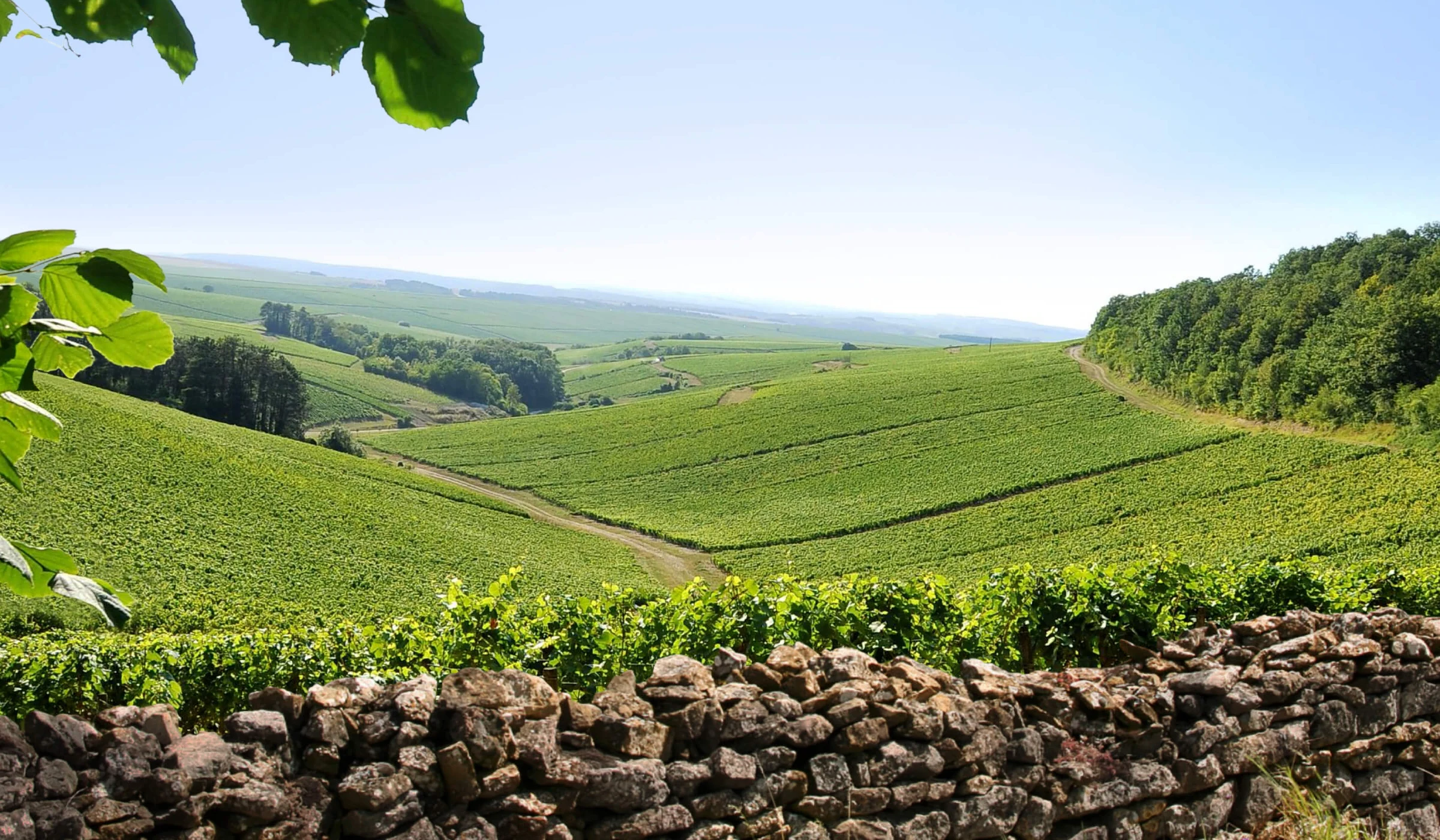
Maison Champy has received recognition including: Pearl 3 Star Prestige (2025).
Champy's négociant model means the range spans appellations across the Côte de Beaune and Côte de Nuits, so the most instructive approach is to compare a village-level Burgundy against a premier cru from the same commune. The house's Pearl 3 Star Prestige rating (2025) suggests the sourcing across that hierarchy is consistent enough to reward the exercise. Specific current releases are best confirmed directly at 5 Rue du Grenier à Sel, Beaune.
Maison Champy is among Burgundy's oldest négociant houses, and its address on Rue du Grenier à Sel places it at the centre of Beaune's wine trade quarter. The Pearl 3 Star Prestige (2025) recognises the depth of its sourcing across the Côte d'Or. For visitors, the practical draw is access to a broad vertical of appellations under one roof, in a town where most domaines offer only their own narrow production.
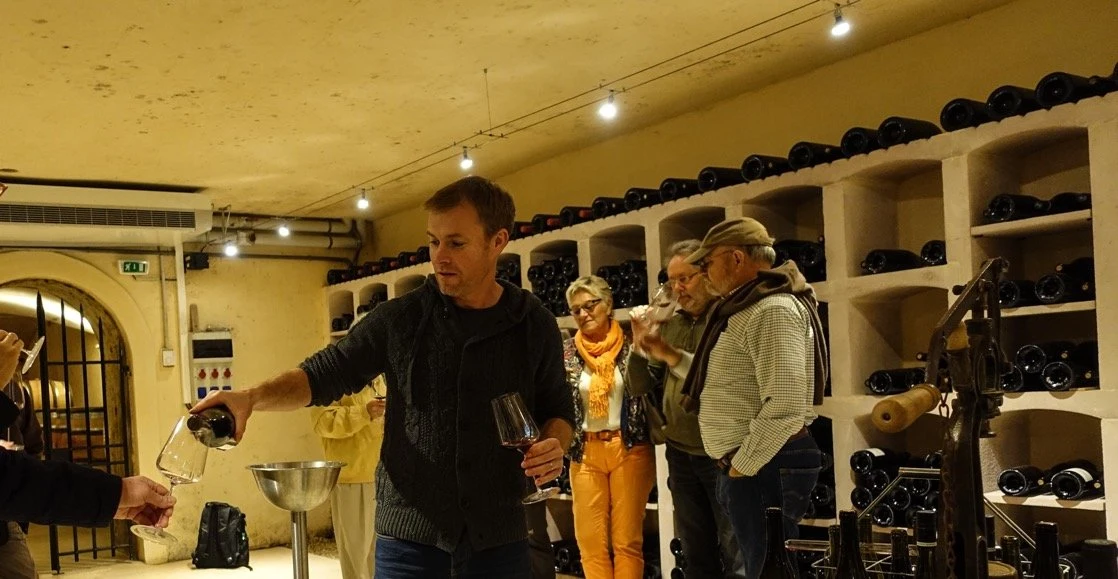
Alternatively, a local concierge in Beaune can typically confirm current tasting appointment availability before arrival.
5 Rue du Grenier À Sel, 21200 Beaune
Beaune