Maison Bar à Vins
In Residence
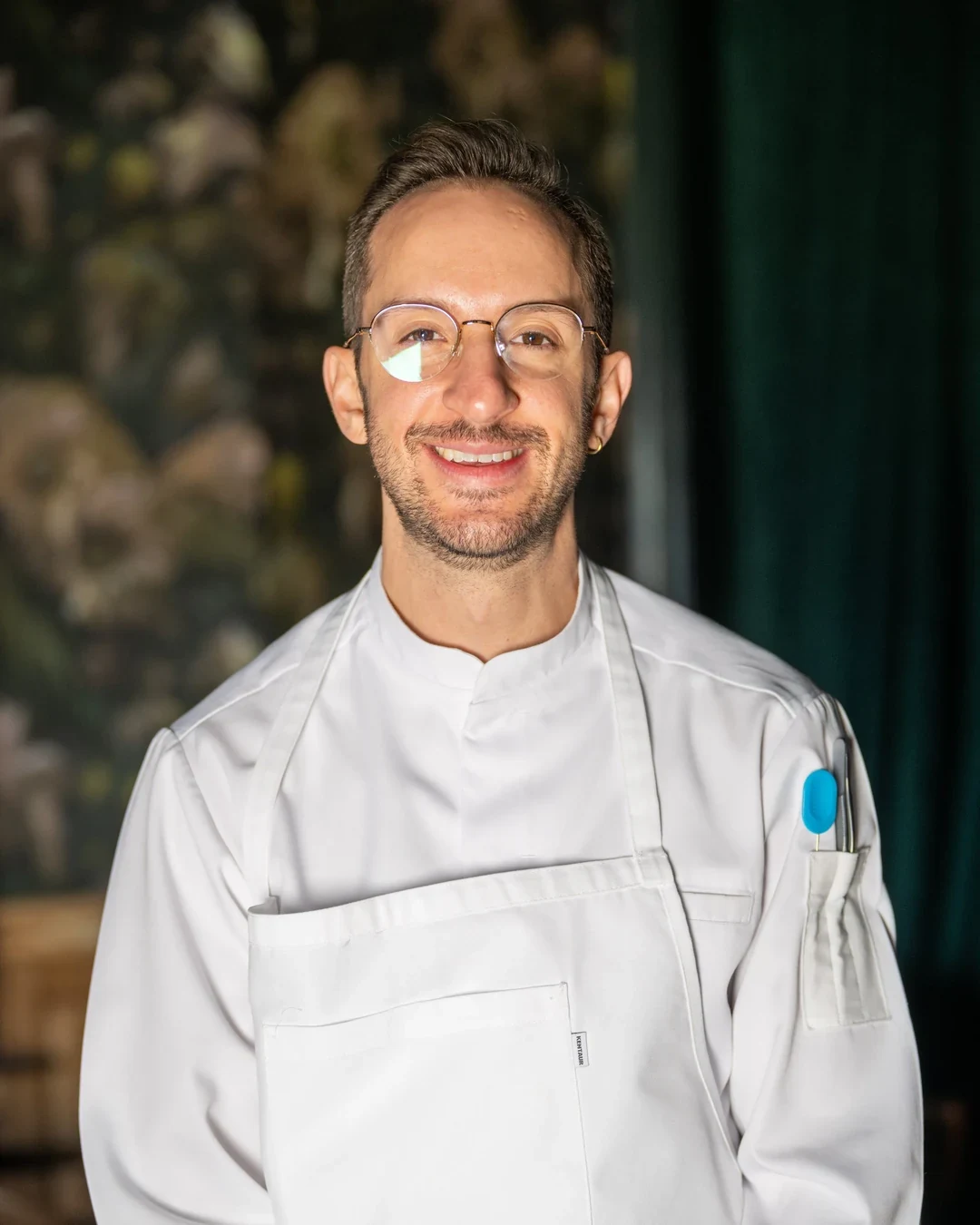
Jason Chavenson
Chef
- 01CuisineModern French Wine Bar
- 02CityWashington DC, United States
- James Beard Award Semi Finalist · 2026
- Bon Appétit Best New Restaurant: 125pts · 2026
- Robb Report The 10 Best New Restaurants in America #3 · 2026
- Opinionated About Dining Casual in North America Recommended · 2026
- James Beard Award Nominee · 2026
- Resy Top Restaurants in America #3 · 2025
- Resy Best of the Hit List · 2025
Columbia Road After Dark
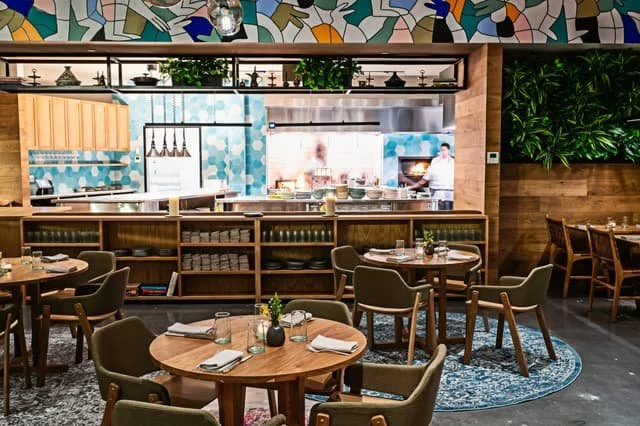
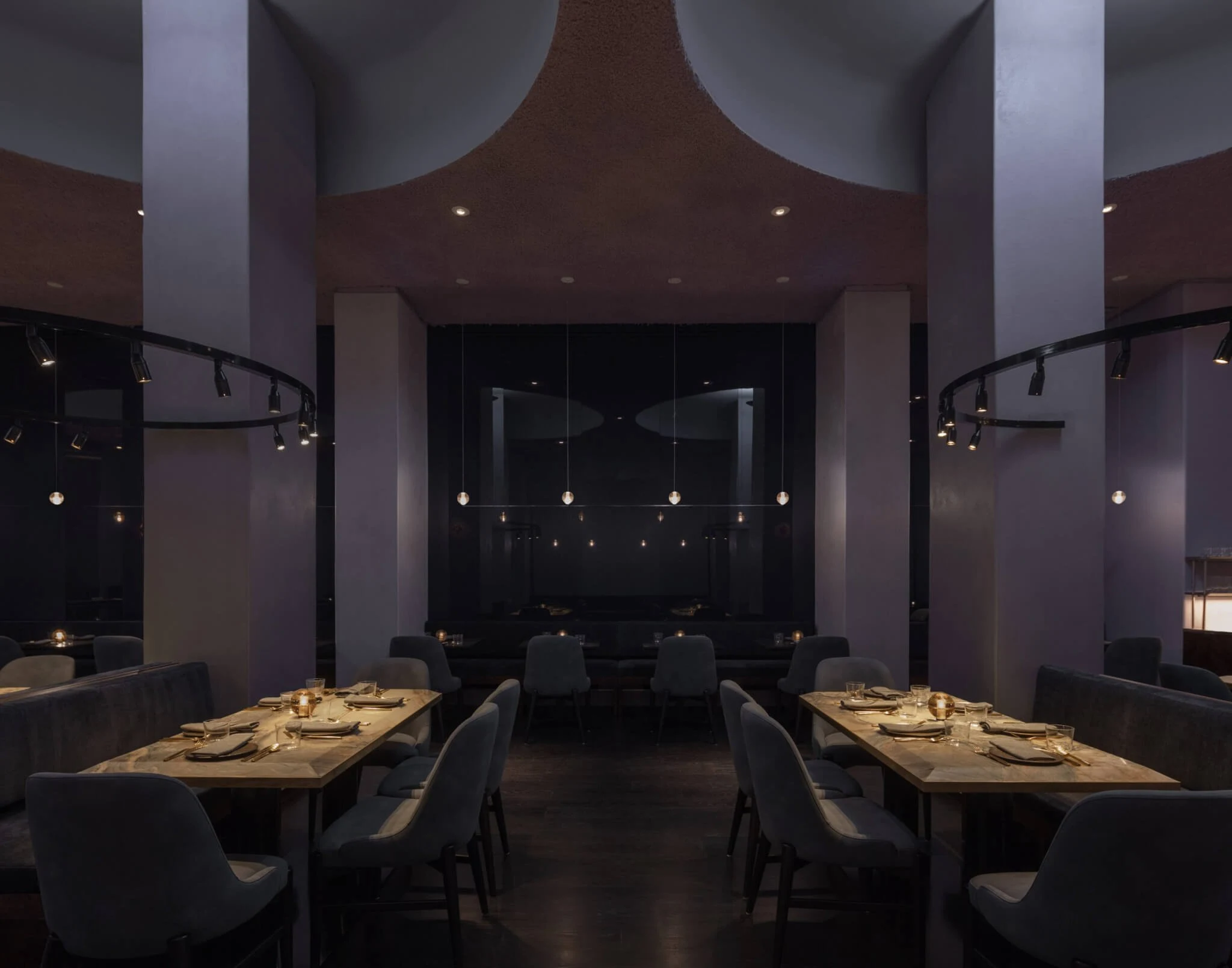
Adams Morgan has always operated on a different register from the capital's more formal dining corridors. Where Penn Quarter and Georgetown trade in institutional gravity, Columbia Road runs on neighbourhood energy: a succession of storefronts that shift between bodegas, Ethiopian restaurants, and, increasingly, serious wine-focused rooms that reward regulars more than tourists. Maison Bar à Vins belongs to this latter category, a French wine bar and small-plates restaurant at 1834 Columbia Rd NW. That recognition places it inside a short list of D.C. rooms earning attention not through spectacle but through program coherence.
The format itself tells you something about where Washington's dining culture has moved. A decade ago, the bar-à-vins model was largely a European import with limited purchase in American cities outside New York. Now it appears across D.C.'s mid-tier, where operators have realised that a well-curated French wine list and a menu of considered small plates can anchor a room more sustainably than tasting-menu ambition. The French bistro register, applied with precision, has proven more durable than the modernist detours that dominated D.C. dining conversations through the mid-2010s.
The Sunday letter
Find new places through the people who run them.
Our Sunday email brings you the chefs, winemakers and hoteliers behind our newest stories. See a sample before you subscribe.
See a sample of the Sunday emailOne email a week. Unsubscribe from any issue.
The French Wine Bar Format and What It Demands
Running a credible bar à vins in an American city is a more disciplined exercise than it appears. The model requires a wine list that can justify close reading: producers chosen for typicity and provenance rather than label recognition, pours available by the glass at prices that invite experimentation rather than caution. The food programme exists in a supporting but non-subordinate role, with dishes calibrated to extend a bottle rather than replace it as the evening's focal point.
Maison's positioning within D.C.'s French-leaning dining tier is worth mapping against its peers. At the upper end, Jônt operates a counter-format tasting menu with technical precision that places it in a different competitive set entirely. The bar-à-vins model that Maison occupies sits at a different register: more accessible in price architecture, more repeat-visit-friendly in format, and more explicitly wine-led in its editorial identity. That positioning is coherent and, in Adams Morgan, somewhat underserved.
D.C. has developed genuine depth across multiple cooking traditions in recent years. Albi has made a serious case for live-fire Middle Eastern cooking at the leading price tier, while Causa has established Peruvian technique as a credible fine-dining language in the capital. Against that backdrop, the French bistro and wine-bar format represents not nostalgia but a deliberate counterpoint: a European hospitality idiom that prioritises the table's duration over its drama.
Technique and Tradition at the Bistro Register
The editorial angle that makes Maison worth examining is the intersection of French technique and the American neighbourhood-restaurant context. French bistro cooking, as a technical tradition, is exacting in ways that don't always announce themselves: proper sauce work, protein cookery held to classical standards, and a relationship between dish and wine that assumes the latter is always present. Transplanting that tradition to Adams Morgan means calibrating it for a room that expects hospitality warmth alongside technical competence.
This is a tension that plays out across the American French-restaurant tier. At the outer reaches of formal French cooking in the United States, places like Le Bernardin in New York City sustain the grand tradition through institutional discipline and Michelin accountability. The bistro register operates without that scaffolding. Its standard is set by whether the food earns a second bottle and whether guests linger past their original intention. These are harder metrics to game than a tasting-menu score.
For comparison, the farm-to-table integration that drives venues like Single Thread Farm in Healdsburg or the ingredient-focused rigour at Oyster Oyster in D.C. itself represents one response to the question of how imported culinary traditions adapt to local conditions. Maison's response is different: to hold the French framework intact while operating inside an American neighbourhood's social rhythms. Whether that fidelity to the source tradition is a strength or a constraint depends on what the kitchen delivers, which the Resy recognition in 2025 suggests is worth finding out.
Adams Morgan as a Dining Address
The neighbourhood context matters for understanding Maison's audience and competitive position. Adams Morgan is not a destination dining corridor in the sense that Shaw or the Navy Yard have become. It draws a residential base with genuine dining literacy, people who have eaten their way through the city's higher-profile rooms and want a reliable neighbourhood option with something to say about what's in the glass. A French wine bar with an extensive list and refined small plates is a rational answer to that demand.
The broader D.C. dining scene, which also includes high-concept addresses like minibar at the molecular end and ambitious American tasting formats at places like Lazy Bear in San Francisco's spiritual peers here, provides context for what Maison is not attempting. It is not chasing the innovation conversation. It is making a case for the French wine bar as a durable, grown-up room in a city that has historically underinvested in that format. The room has found an audience.
For visitors building a D.C. itinerary, Maison fits a specific slot: the evening where a long, wine-anchored dinner in a neighbourhood room is preferable to the set-piece reservation. It sits alongside, rather than in competition with, the city's more formally structured options.
Know Before You Go
- Address: 1834 Columbia Rd NW, Washington, DC 20009
- Neighbourhood: Adams Morgan
- Format: French wine bar and small-plates restaurant
- Wine focus: Extensive French-leaning list
- Recognition: Resy Best of the Hit List (2025)
Questions
Frequently asked
Who works at Maison Bar à Vins?
Made By profiles Jason Chavenson (Chef) at Maison Bar à Vins.
How expensive is Maison Bar à Vins?
Maison Bar à Vins is listed at a price level of $$$$.
Where is Maison Bar à Vins and what does it serve?
Maison Bar à Vins is in Washington Heights, Washington DC, serving Modern French Wine Bar.
The field
How it compares
| Place | Cuisine | Notes | Awards |
|---|---|---|---|
| Maison Bar à Vins | Modern French Wine Bar | Washington Heights, $$$$ | · |
| Albi | Modern Levantine Fine Dining | Washington DC | Michelin 1 Star, World's 50 Best |
| Dōgon | Modern Afro-Caribbean | Washington DC | World's 50 Best |
| Jônt | Modern Japanese Fine Dining | Washington DC | Michelin 2 Stars |
| minibar | Avant-Garde Molecular Gastronomy | Washington DC | Michelin 2 Stars |
| Moon Rabbit | Creative Vietnamese-Cajun Fusion | Washington DC | World's 50 Best |
| Oyster Oyster | Modern Vegetable-Focused Tasting Menu | Washington DC | Michelin 1 Star |
In residence
Similar places
Modern Levantine Fine Dining
Albi
Washington DC, United States
★ · 50 Best
Modern Afro-Caribbean
Dōgon
Washington DC, United States
50 Best
Modern Japanese Fine Dining
Jônt
Washington DC, United States
★★
Avant-Garde Molecular Gastronomy
minibar
Washington DC, United States
★★
Creative Vietnamese-Cajun Fusion
Moon Rabbit
Washington DC, United States
50 Best
Modern Vegetable-Focused Tasting Menu
Oyster Oyster
Washington DC, United States
★
The Sunday letter
Get the next Made By story in your inbox.
We send one email every Sunday morning with the places and people we covered that week.
See a sample of the Sunday emailOne email a week. Unsubscribe from any issue.