Meju
In Residence
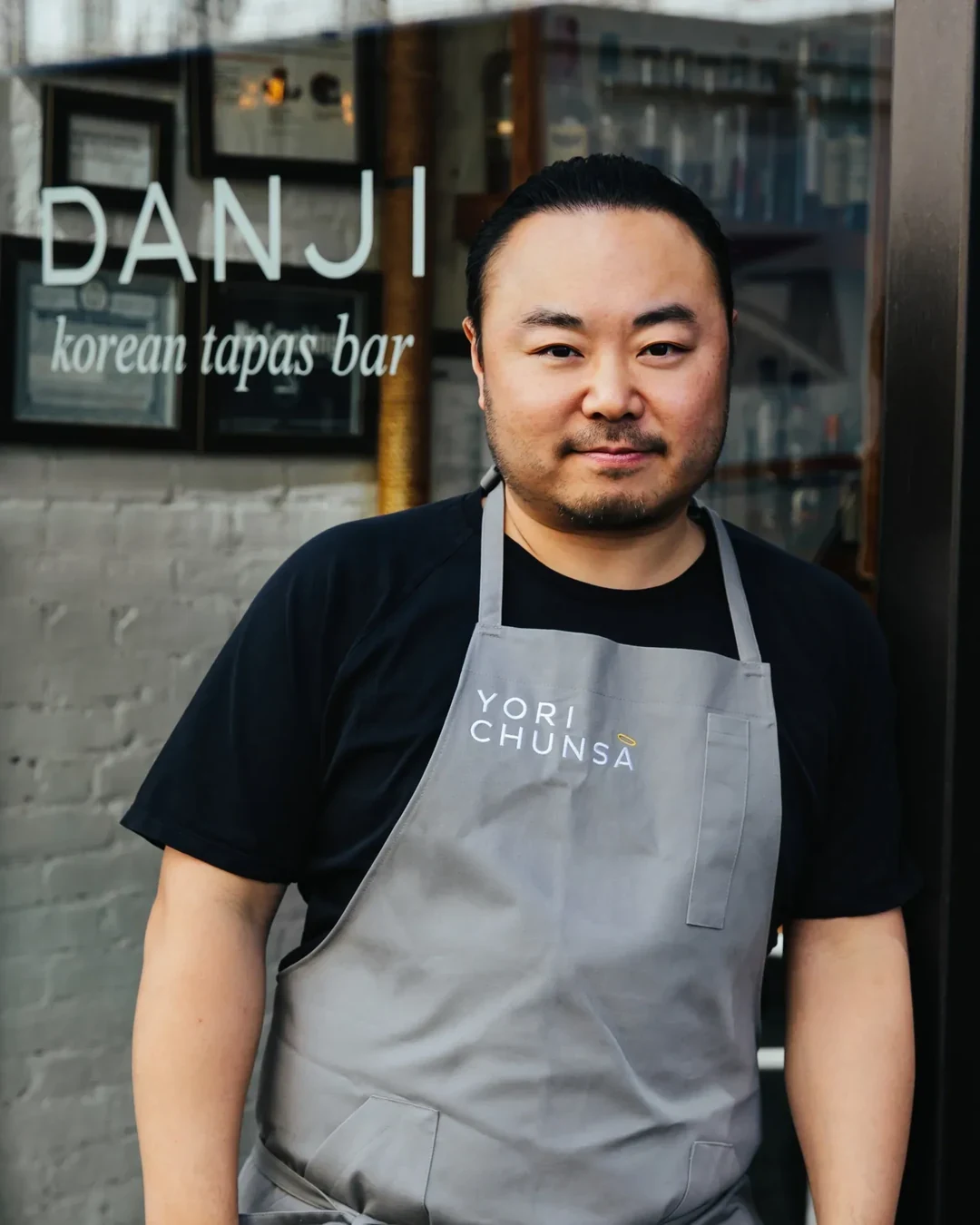
Hooni Kim
Chef
- 01CuisineTraditional Korean Fermentation Tasting Menu
- 02CityNew York City, United States
- 03RecognitionOne Michelin Star
- 1 Michelin Star · Michelin Guide
- James Beard Winner · James Beard Foundation
- Opinionated About Dining Top Restaurants in North America Recommended · 2026
- James Beard Award Nominee · 2026
- New York Times Best Restaurants in New York City #4 · 2026
- James Beard Award Semi Finalist · 2026
- James Beard Award Best Chef: New York State · 2026
- New York Magazine The 43 Best Restaurants in New York · 2025
- James Beard Award Semi Finalist · 2025
- Michelin 1 Star · 2025
- Michelin 1 Star · 2024
Korean Fermentation and the Art of the Side Dish
Banchan has always been the honest measure of a Korean kitchen. The main course arrives with fanfare; the small plates that surround it tell you whether the cook understands the food at a foundational level. In New York's broader wave of Korean fine dining, most restaurants have concentrated their energy on the centerpiece, treating banchan as decorative rather than substantive. Meju takes the opposite position. It is a one-star Michelin restaurant in Long Island City serving a Traditional Korean Fermentation Tasting Menu. At this chef's counter in Long Island City, the fermented pastes and their derivatives are not accompaniment, they are the argument the entire menu is built around.
The kitchen's pantry of wild-fermented doenjang, gochujang, ganjang, and ssamjang represents years of controlled aging, and the tasting menu exists largely to show what those ingredients become when given the right canvas. A bowl of silky tofu, a fried pancake, a cut of Miyazaki beef or Niman Ranch pork, each arrives as a vehicle for ferments that carry depth accumulated over years rather than weeks. The minimalism on the plate is a deliberate strategy: when the paste has that kind of history, there is nothing to hide behind embellishment.
The Sunday letter
Find new places through the people who run them.
Our Sunday email brings you the chefs, winemakers and hoteliers behind our newest stories. See a sample before you subscribe.
See a sample of the Sunday emailOne email a week. Unsubscribe from any issue.
Long Island City and the Logic of Distance from Manhattan
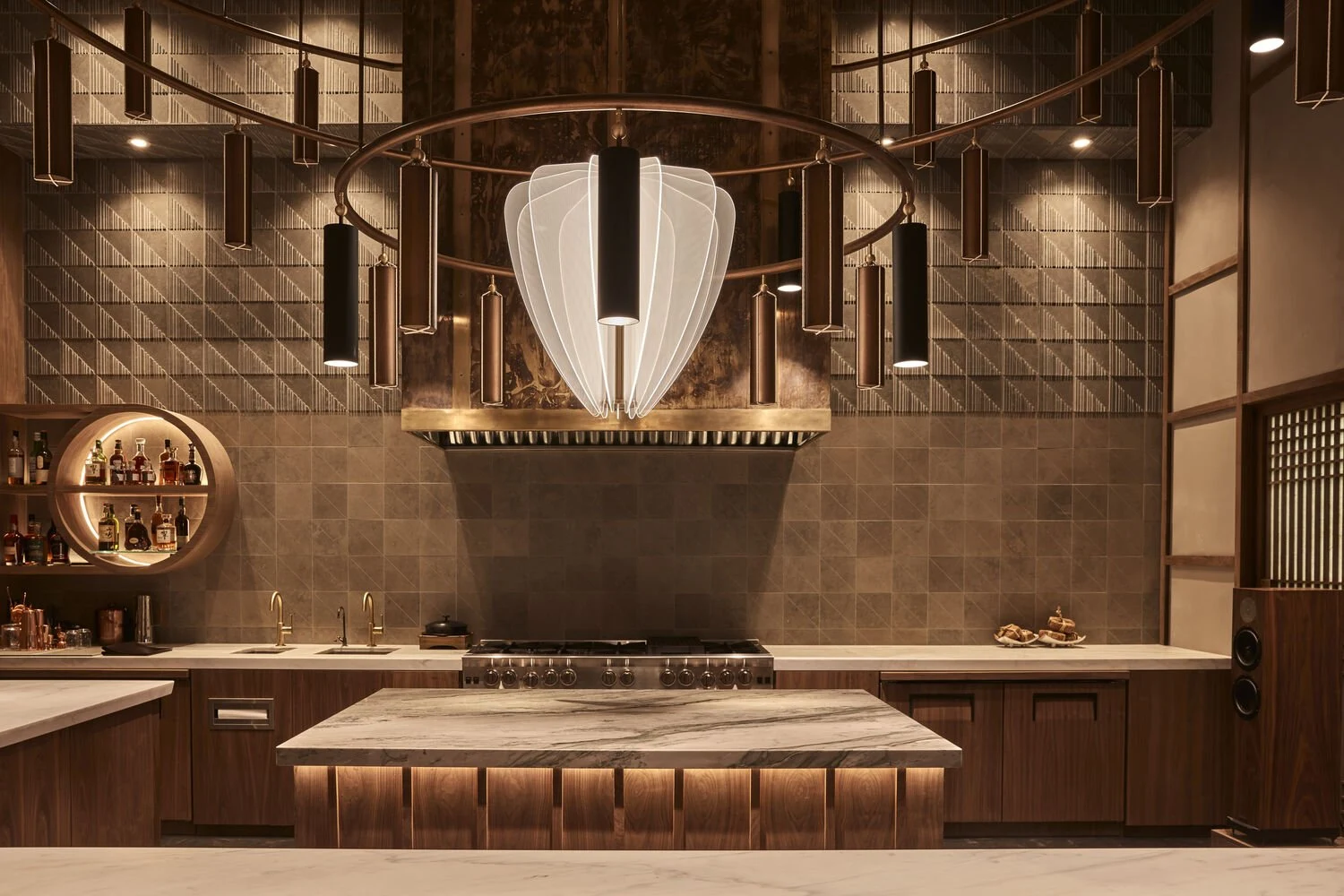
The address at 5-28 49th Avenue, Long Island City, places Meju in a neighborhood that has become a destination for ambitious dining. Chef's counters in Manhattan's premium tier, restaurants like Atomix in Koreatown or Masa in Columbus Circle, operate under cost structures that impose certain constraints on scale, speed, and the kind of quiet atmosphere Meju has been able to cultivate. Long Island City offers something that the island rarely does: the space to go slow.
The physical setup reinforces this. Meju operates behind a banchan shop, a placement that functions as both a practical statement and an editorial one. The banchan shop is the entry point, the preview, the declaration that this is a kitchen organized around those small fermented preparations rather than around the kind of theater common to Manhattan's $$$$ tier. Restaurants at comparable price points in the city, from bōm to Jua, tend to announce themselves differently. Meju's relative understatement is not accidental.
What Fermentation at This Level Actually Means
In Korean culinary tradition, the quality of a household or restaurant is often read through its jang, the family of fermented soybean and chili pastes that serve as foundational seasoning agents. Commercial versions have been available for decades, and the gap between a mass-produced gochujang and one that has been wild-fermented and aged for an extended period is not subtle. It is the difference between a condiment and an ingredient with its own identity.
The Korean fine dining scene in Seoul has placed this tradition at the center of its ambitions for several years. Restaurants like Mingles and Kwonsooksoo have built international reputations partly by demonstrating that classical Korean fermentation technique could hold its own in a fine dining context. Meju belongs to the same conversation, conducted from Queens rather than Gangnam. The distinction matters: translating that tradition into a New York chef's counter format, with the logistical and sourcing challenges that entails, is a different project than executing it in Seoul where ingredient infrastructure is built around those requirements.
Within New York's own Korean dining tier, the fermentation-led approach places Meju in a separate category from restaurants like Jeju Noodle Bar or 8282, both of which operate with different format priorities, and from Ariari, which sits in a different price and format bracket. The closest peer in terms of tasting menu ambition and Korean culinary seriousness is Atomix, though the two restaurants approach the same tradition from distinct angles.
The Counter Format and Its Classroom Function
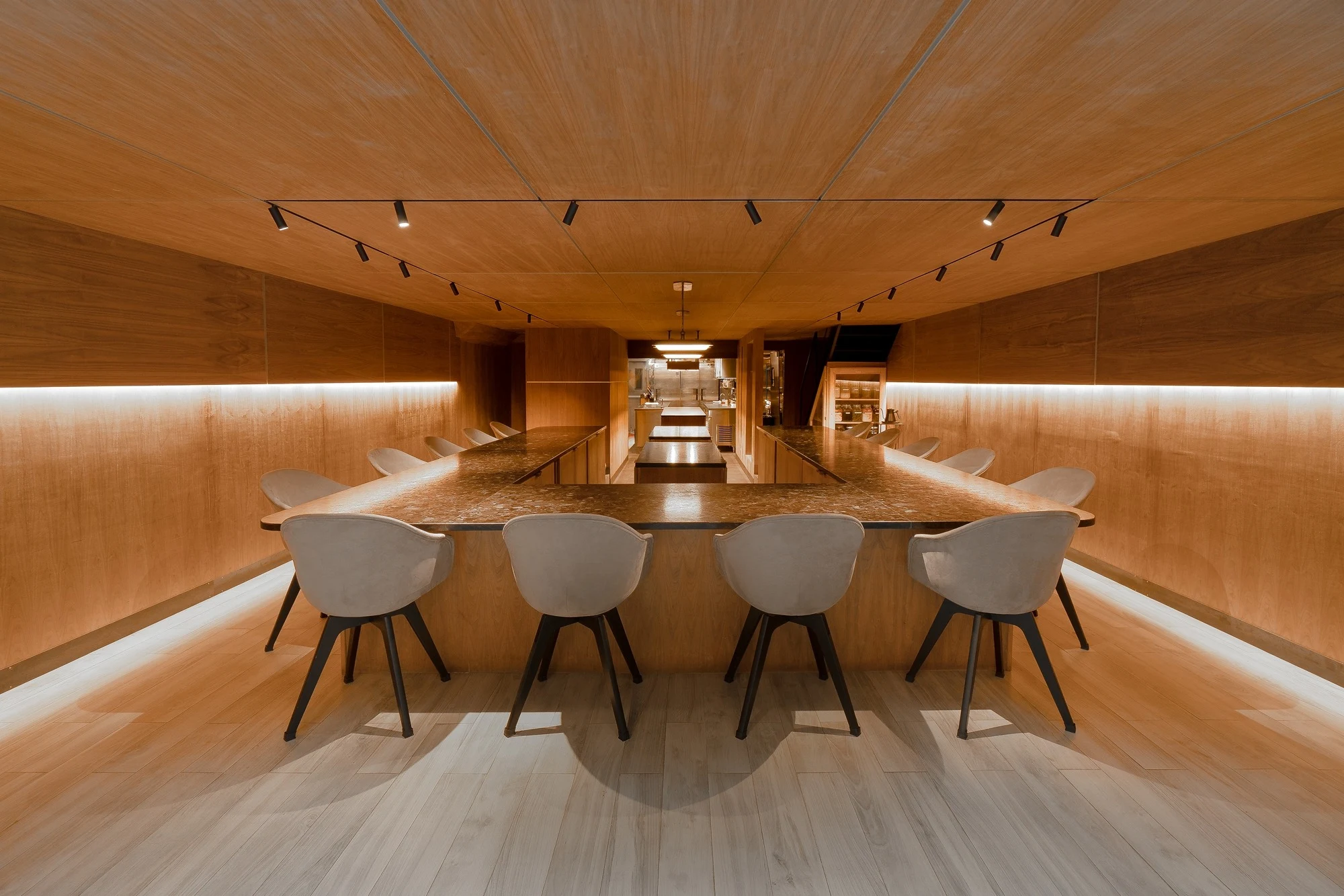
This is a chef's counter where explanation is part of the offering. That format is not unique to Korean fine dining, the chef-narrated counter is a structure that has been central to Japanese omakase culture for decades and has migrated into other cuisines with varying degrees of success. What distinguishes its execution here is that the education concerns fermentation processes and ingredient histories rather than technique performed in front of the guest. The drama is quieter. A plate arrives that looks minimal, and the knowledge of what went into the ferments underneath it, in terms of time, microbial process, and ingredient sourcing, is what the food conveys.
This connects to a broader shift in how fine dining justifies its price point in the post-pandemic era. Restaurants at the $$$$ tier in New York, whether French-led like Per Se or Le Bernardin, or format-forward operations like Eleven Madison Park, have each had to articulate what the experience offers beyond the food itself. At Meju, the answer is a specific kind of knowledge transfer: a working fluency in what traditional Korean fermentation produces, delivered through the plates rather than a pamphlet. Comparable counter formats at this level in other American cities, including Lazy Bear in San Francisco and Alinea in Chicago, have used different strategies to solve the same problem of justifying intimacy at premium pricing. Chef's counter formats at The French Laundry in Napa, Single Thread Farm in Healdsburg, and Providence in Los Angeles similarly anchor their value in the specificity of what the kitchen knows and can transmit.
Awards and Peer Positioning
Michelin awarded Meju one star. New York Magazine included Meju in its 2025 list of 43 restaurants in the city.
One detail from New York Magazine's description is worth holding onto: the closing bowl of rice with kimchi described as an homage to the chef's mentor. In a menu built around years of fermented ingredients and premium proteins, a bowl of rice and kimchi is a deliberate return to fundamentals, a reminder that the entire tradition being showcased has its roots in everyday Korean cooking. That kind of structural humility is rare at this price point in any cuisine.
Planning a Visit
Meju is open Wednesday through Saturday, with seatings from 6:30 PM to 9:45 PM. The restaurant is closed Sunday through Tuesday. The address is 5-28 49th Ave, Long Island City, NY 11101. The price range sits at the $$$$ level. Advance reservations are essential. The counter seats a small number of guests per service, which shapes the pace of the meal.
Questions
Frequently asked
What recognition does Meju hold?
Meju holds 1 Michelin star and a James Beard award.
Who works at Meju?
Made By profiles Hooni Kim (Chef) at Meju.
How expensive is Meju?
Meju is listed at a price level of $$$$.
Where is Meju and what does it serve?
Meju is in Long Island City-Hunters Point, New York City, serving Traditional Korean Fermentation Tasting Menu.
The field
How it compares
| Place | Awards | Cuisine | Notes |
|---|---|---|---|
| Meju | Michelin 1 Star, James Beard | Traditional Korean Fermentation Tasting Menu | Long Island City-Hunters Point, $$$$ |
| Atomix | Michelin 2 Stars, World's 50 Best | Modern Korean Tasting Menu | New York City |
| Daniel | Michelin 1 Star, World's 50 Best | Modern French Fine Dining | New York City |
| Eleven Madison Park | Michelin 3 Stars, World's 50 Best | Contemporary Plant-Based Fine Dining | New York City |
| Jungsik New York | Michelin 3 Stars, World's 50 Best | Modern Korean Fine Dining | New York City |
| Kabawa | World's 50 Best | Modern Caribbean Prix Fixe | New York City |
| Le Bernardin | Michelin 3 Stars, World's 50 Best | French Seafood Fine Dining | New York City |
In residence
Similar places
Modern Korean Tasting Menu
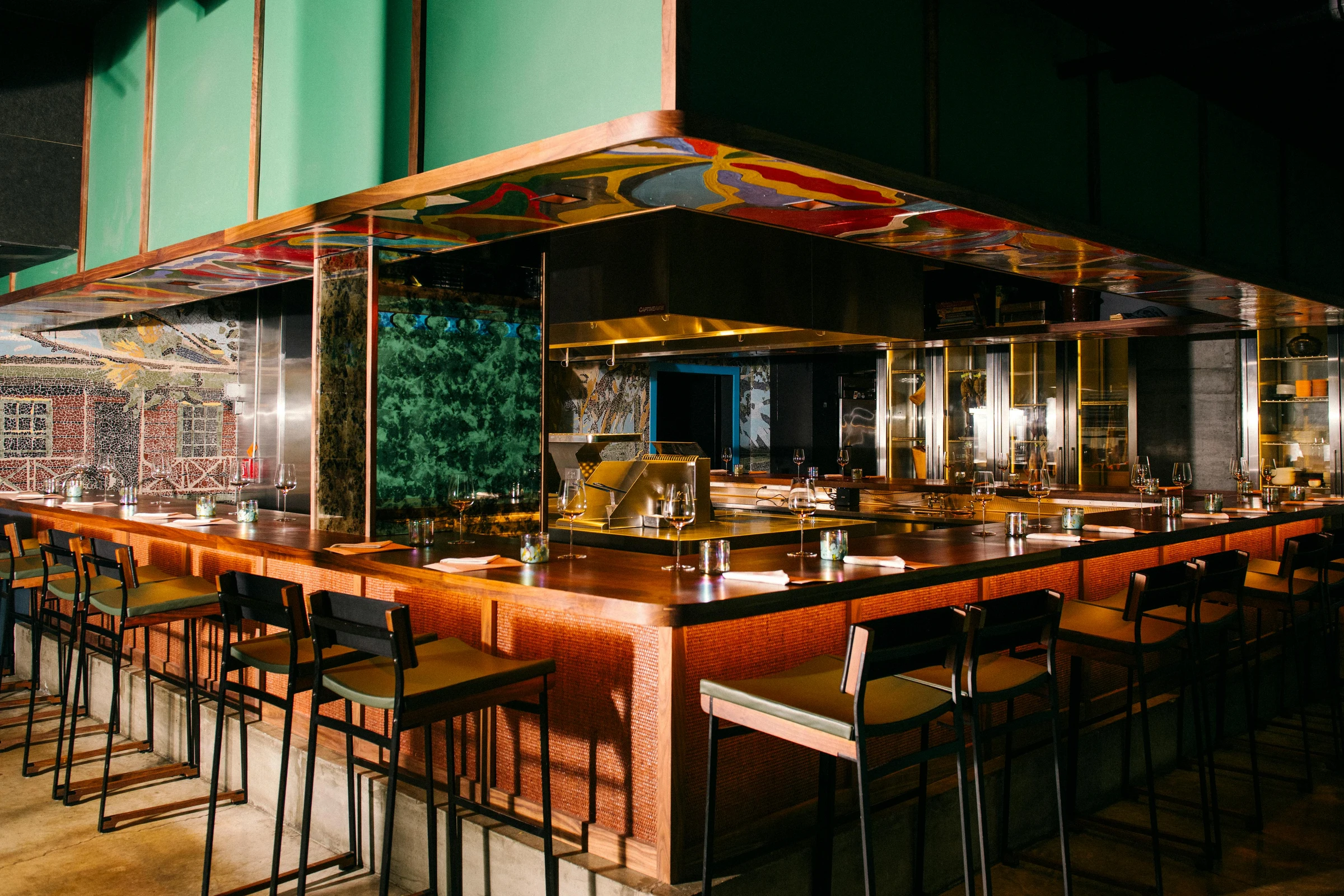
Atomix
New York City, United States
★★ · 50 Best
Modern French Fine Dining
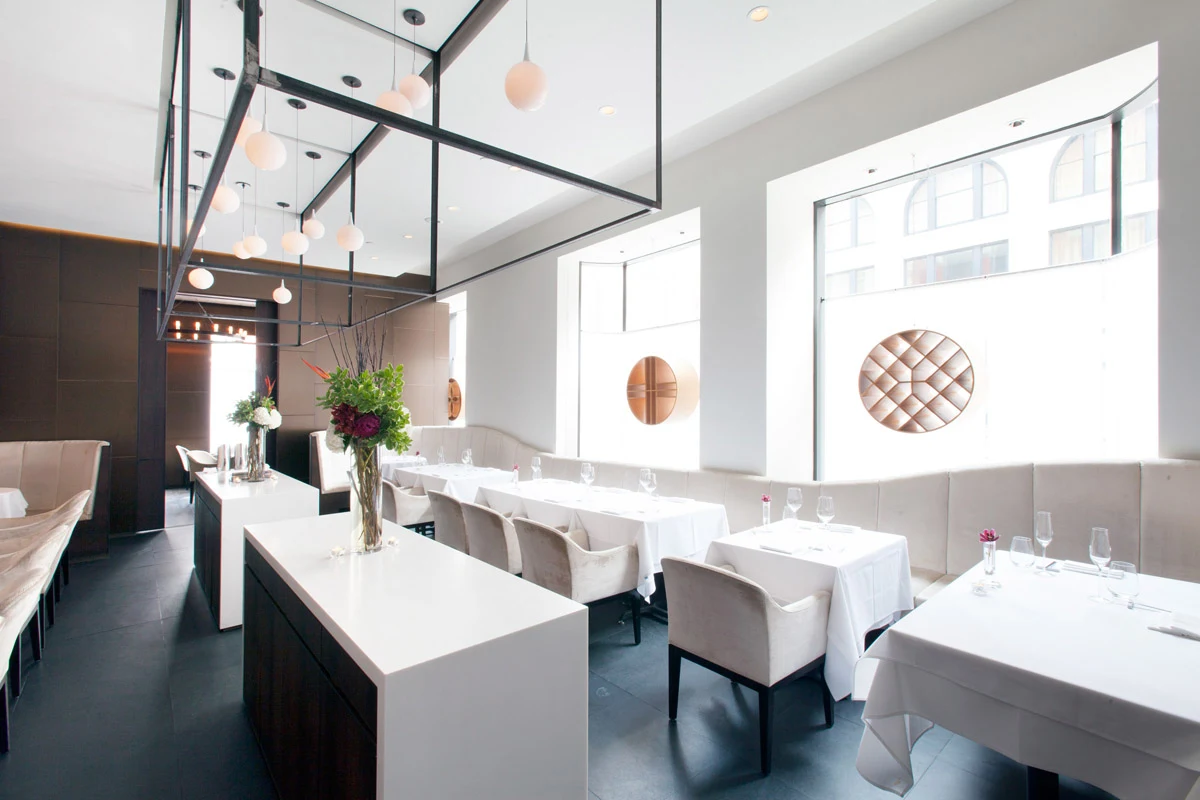
Daniel
New York City, United States
★ · 50 Best
Contemporary Plant-Based Fine Dining
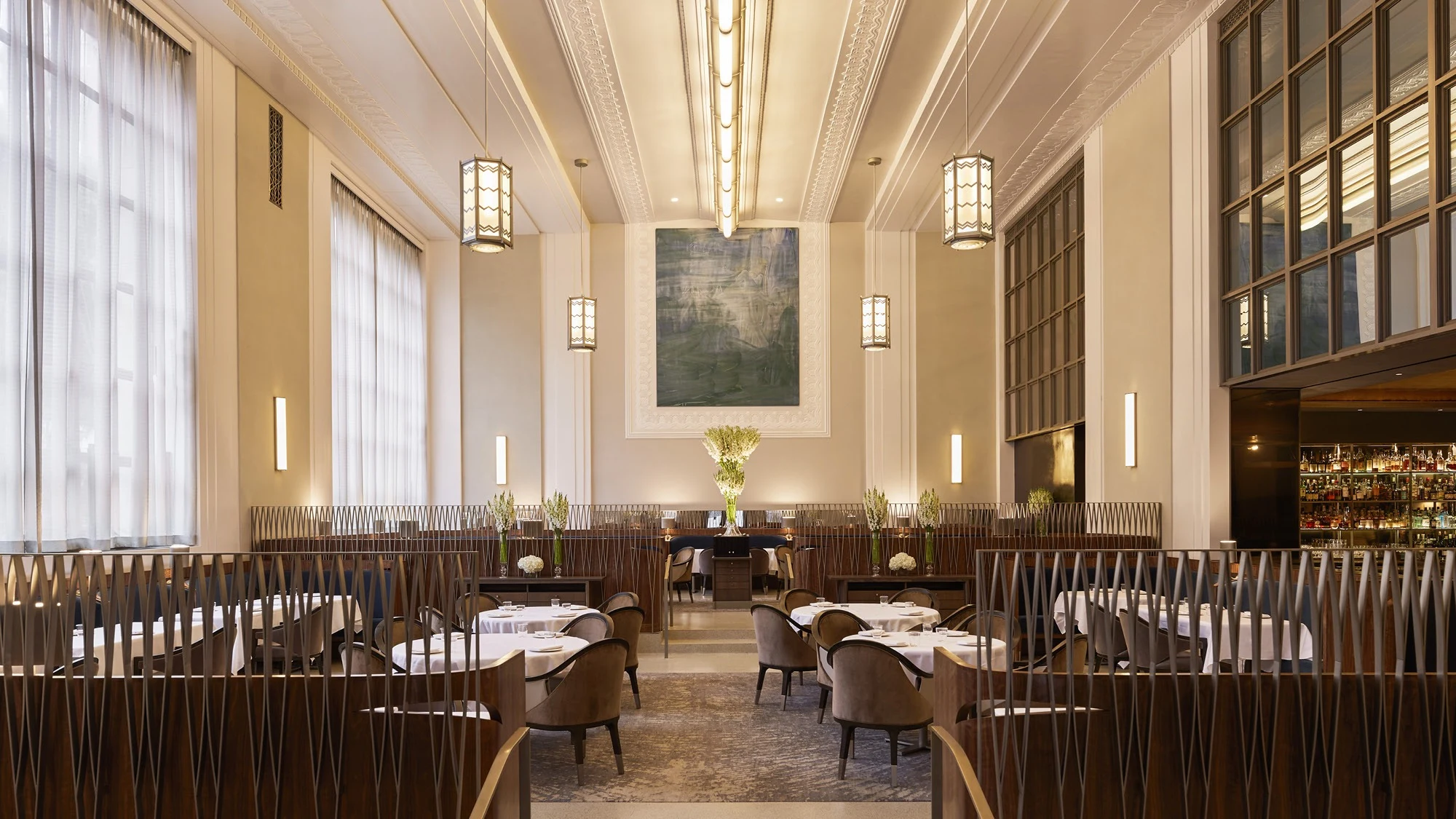
Eleven Madison Park
New York City, United States
★★★ · 50 Best
Modern Korean Fine Dining
Jungsik New York
New York City, United States
★★★ · 50 Best
Modern Caribbean Prix Fixe
Kabawa
New York City, United States
50 Best
French Seafood Fine Dining
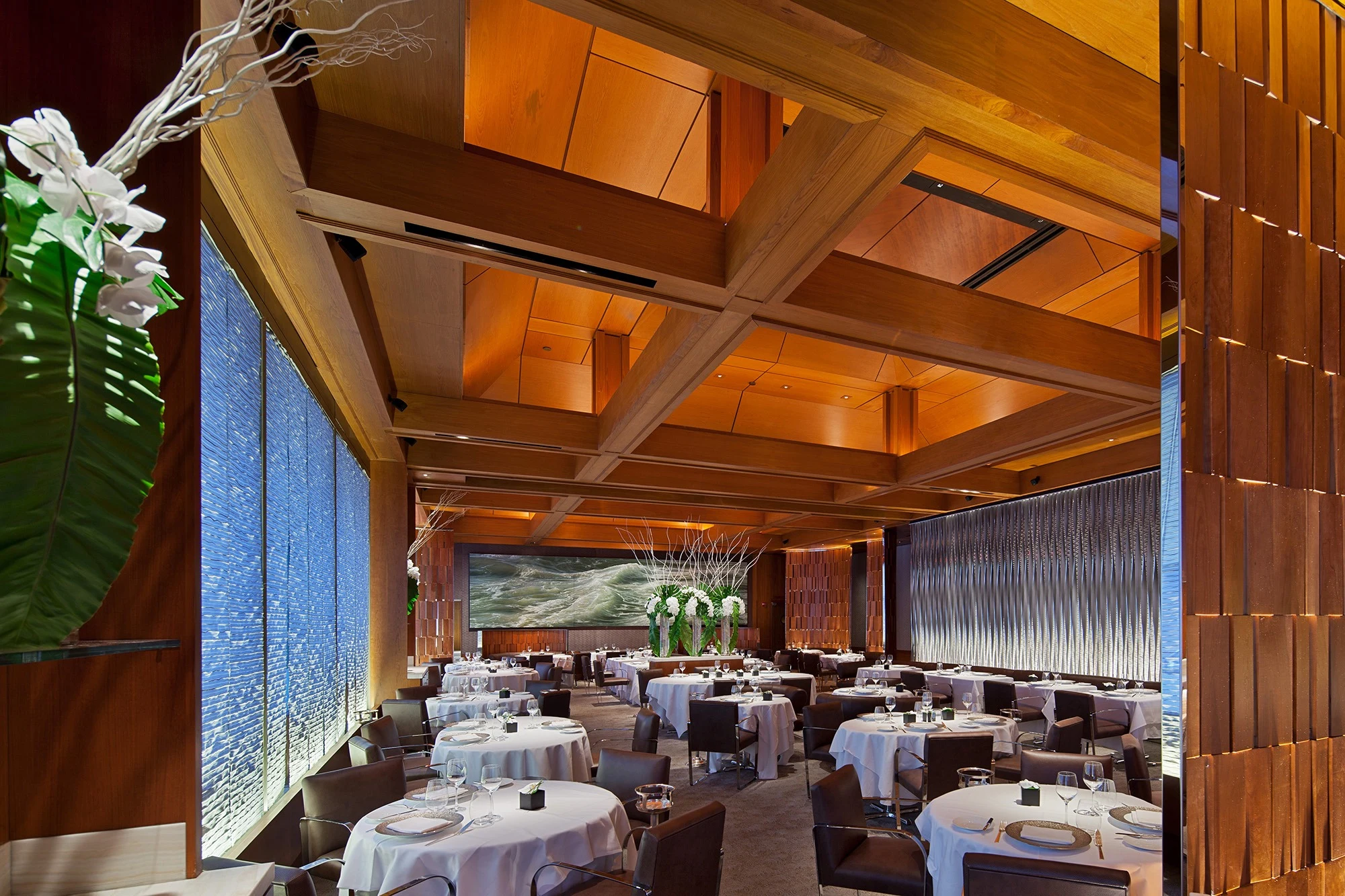
Le Bernardin
New York City, United States
★★★ · 50 Best
The Sunday letter
Get the next Made By story in your inbox.
We send one email every Sunday morning with the places and people we covered that week.
See a sample of the Sunday emailOne email a week. Unsubscribe from any issue.