Mills Reef
- 01CityTauranga, New Zealand

- Falstaff Winery - 2 Stars · 2026
Approaching Mills Reef, the first cue is architectural: a striking Cape Dutch heritage building in Tauranga, set in a semi-rural, scenic environment. Before any discussion of wine style or cellar-door detail, the building establishes a sense of arrival. It gives the visit a visual anchor, one that feels distinct from a purely urban tasting room and more considered than a simple stop-in counter. The setting gives the cellar door a clear sense of arrival and frames the experience around place, hospitality, and wine.
Mills Reef is best understood as a relaxed and welcoming cellar door focused on premium sparkling and still wines. Its appeal is not presented as something that depends on dense technical language or specialist knowledge. Instead, it rests on the combination of architecture, scenery, and friendly, informative staff who help share the stories behind the wines. For travellers mapping Tauranga, it can sit naturally within a broader itinerary of local dining and experiences, particularly when the aim is to include a wine-focused stop that still feels easy to approach.
A Tauranga cellar door built around place before technical detail
The strength of Mills Reef is its visitor-facing sense of place. The Cape Dutch heritage building, semi-rural setting, and scenic atmosphere create a polished but approachable context for tasting. That context matters because it shapes the mood of the visit before the first glass is considered: the venue reads as composed, scenic, and hospitable, without needing to lean on highly specific production language. Rather than relying on claims about specific vineyard blocks, vintages, production methods, or awards, the experience is grounded in hospitality and presentation.
The wine focus is premium sparkling and still wines. That broad framing is useful because it sets expectations without overstating what has been confirmed. Beyond that distinction, specific varietals, menu structures, tasting formats, and award histories should not be assumed from the available information. In a venue page, that restraint is important: the appeal can be described clearly without filling in details that have not been provided. What can be said with confidence is that Mills Reef presents wine through a cellar-door experience that is relaxed, welcoming, and shaped by staff who aim to make the stories behind the wines understandable.
That positioning makes the venue approachable without making it casual in the careless sense. The building gives the visit a sense of occasion, while the staff-led storytelling keeps the experience accessible for guests who may not arrive with technical wine knowledge. In practice, that balance is central to the editorial read of Mills Reef: it has enough form and setting to feel like a considered destination, yet the tone described is friendly rather than intimidating. The result is a cellar door where the atmosphere do much of the work, helping guests settle into the experience before focusing on individual preferences.
What is about the visitor experience
Mills Reef’s appeal is broad and setting-led. The setting is scenic, the atmosphere is relaxed, and the staff are described as friendly and informative. That combination supports a cellar-door visit with wine context presented in a welcoming way. It also makes the venue legible for different kinds of visitors: those already interested in wine can treat it as a dedicated tasting stop, while those building a wider Tauranga day out can value the architecture, setting, and hospitality as part of the overall experience.
The price level is listed as $$. That places the venue in a moderate bracket in the simplest possible terms, though the exact shape of spending should not be inferred beyond that listing. As with the wine details, the safest reading is to take the price indicator as a broad guide rather than a promise about any particular tasting, bottle, or visit structure.
Within Tauranga, Mills Reef stands on its own as a cellar-door experience defined by its Cape Dutch heritage building and scenic semi-rural setting. Those are the details that give the venue its identity and make it memorable on the page. Comparisons with other dining or wine venues are best kept general unless details are confirmed directly. The more useful way to understand Mills Reef is not as a set of competitive claims, but as a place where the visual setting, relaxed welcome, and wine focus combine into a coherent visitor experience.
The editorial read
Mills Reef is strongest as a scenic Tauranga cellar-door experience rather than as a page for granular production claims. The Cape Dutch heritage building, relaxed atmosphere, premium sparkling and still wines, and friendly storytelling give it a clear role: an approachable wine stop with enough character to feel memorable. Its page should therefore foreground the elements that are confirmed and genuinely distinctive in the visitor impression: the architecture, the semi-rural scenery, the welcoming cellar-door tone, and the emphasis on making the wines’ stories understandable.
Visitors seeking detailed technical information should confirm specifics directly with the venue; visitors looking for a welcoming cellar door in Tauranga have a grounded reason to consider it. On the information available, Mills Reef is best framed as a place where setting and hospitality are central, and where the wine experience is presented in a way that feels accessible rather than overly formal.
Questions
Frequently asked
How expensive is Mills Reef?
Mills Reef is listed at a price level of $$.
The field
How it compares
| Place | Notes | Awards |
|---|---|---|
| Mills Reef | Katikati / Aongatete (near Tauranga), $$ | · |
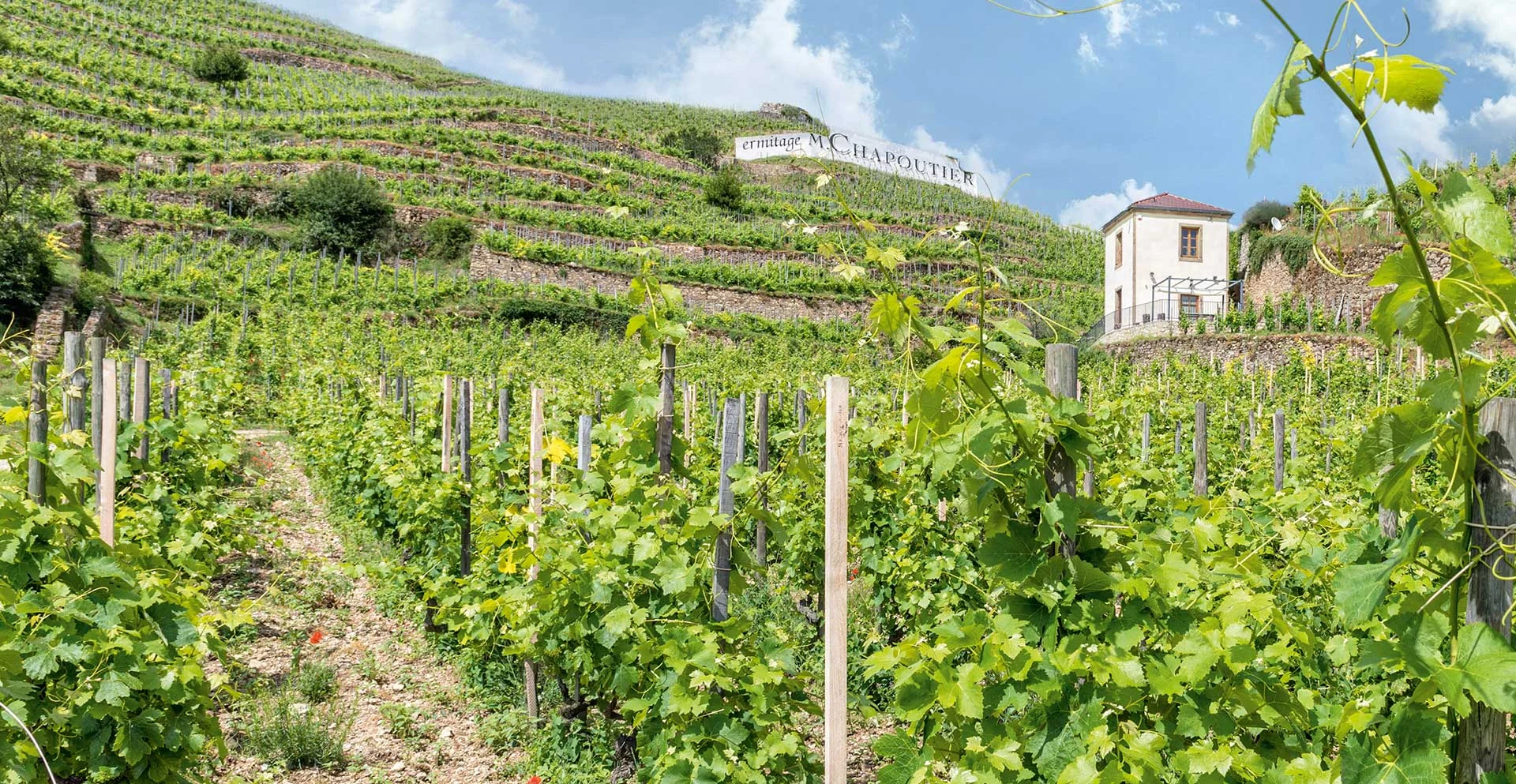
| Chapoutier | Tain-l'Hermitage | World's 50 Best |
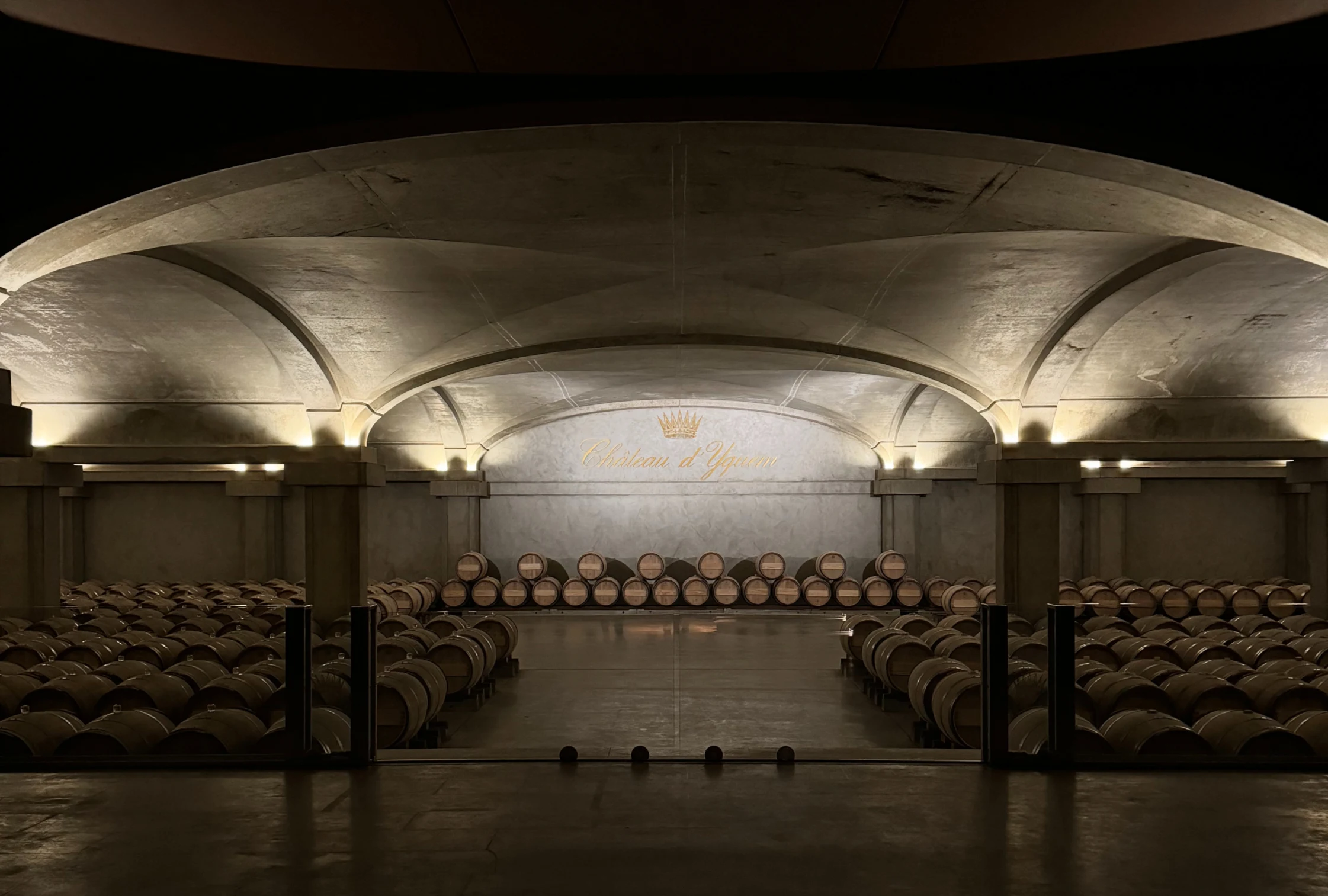
| Château d'Yquem | Sauternes | World's 50 Best |
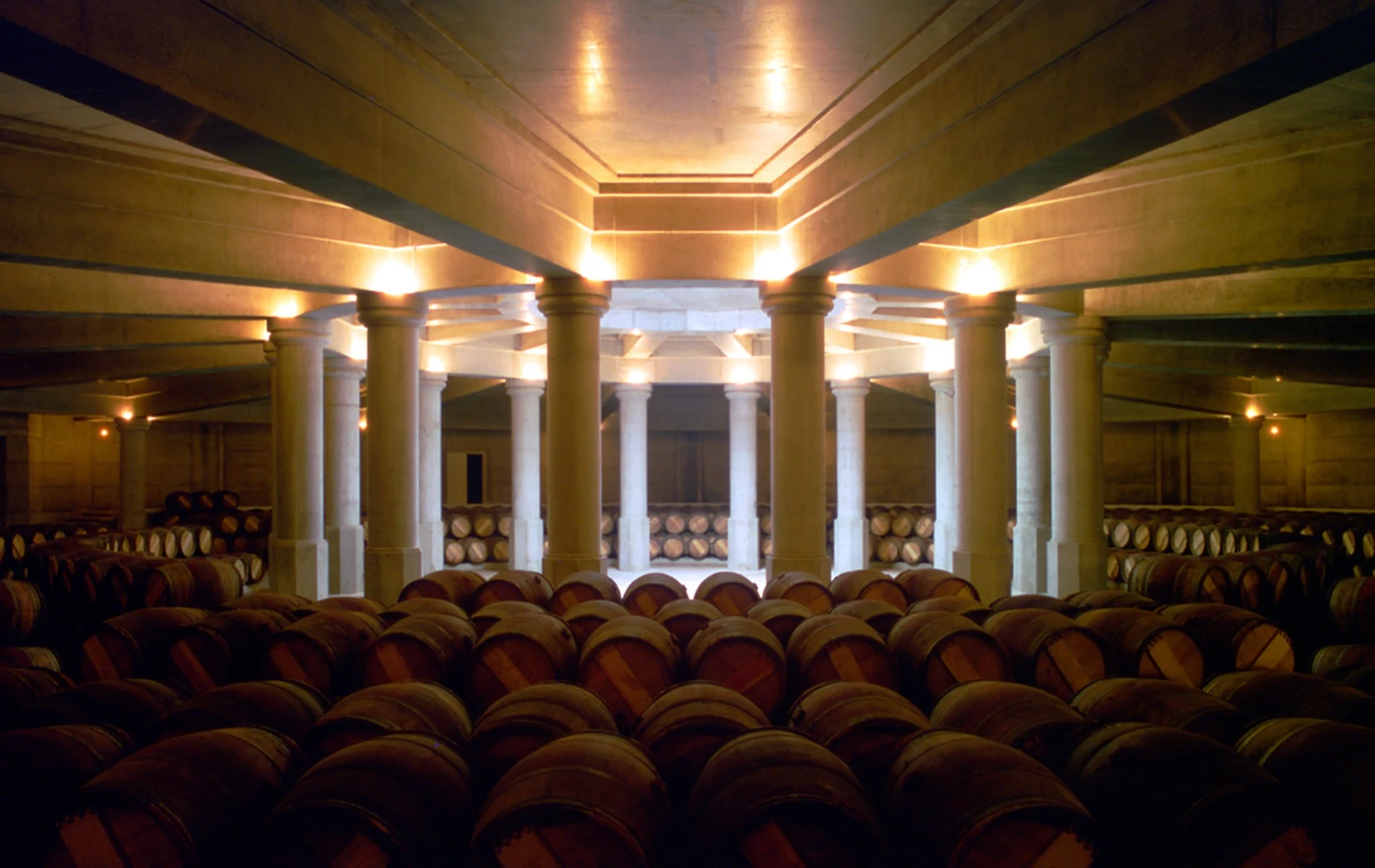
| Chateau Lafite Rothschild | Pauillac | · |
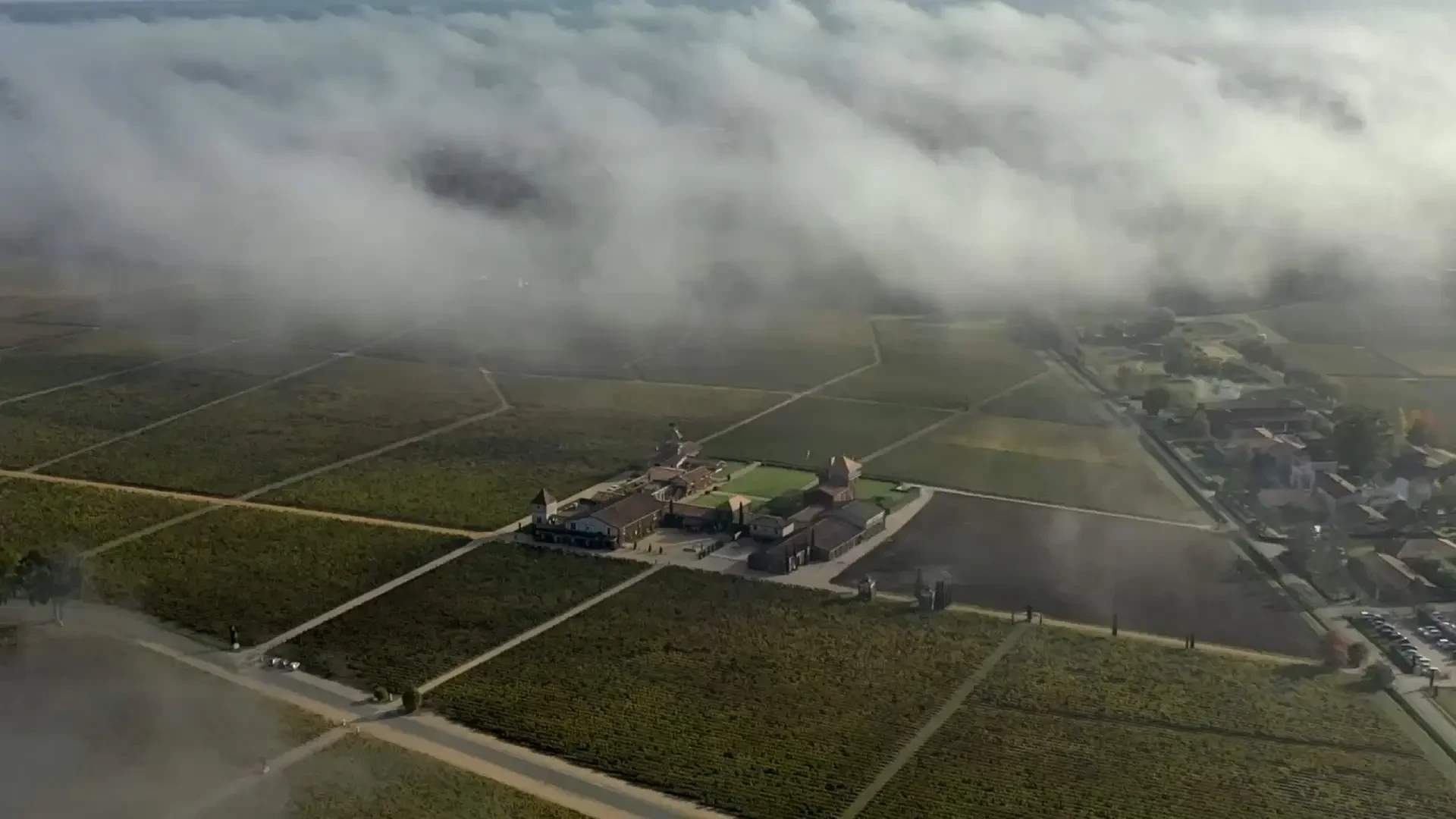
| Château Smith Haut Lafitte | Martillac | World's 50 Best |
| Quinta do Noval | Pinhão | World's 50 Best |
| Vega Sicilia | Valbuena de Duero | · |