- Michelin Plate · 2025
- Michelin Plate · 2024
Where Mid-Range Zhejiang Cooking Gets Taken Seriously
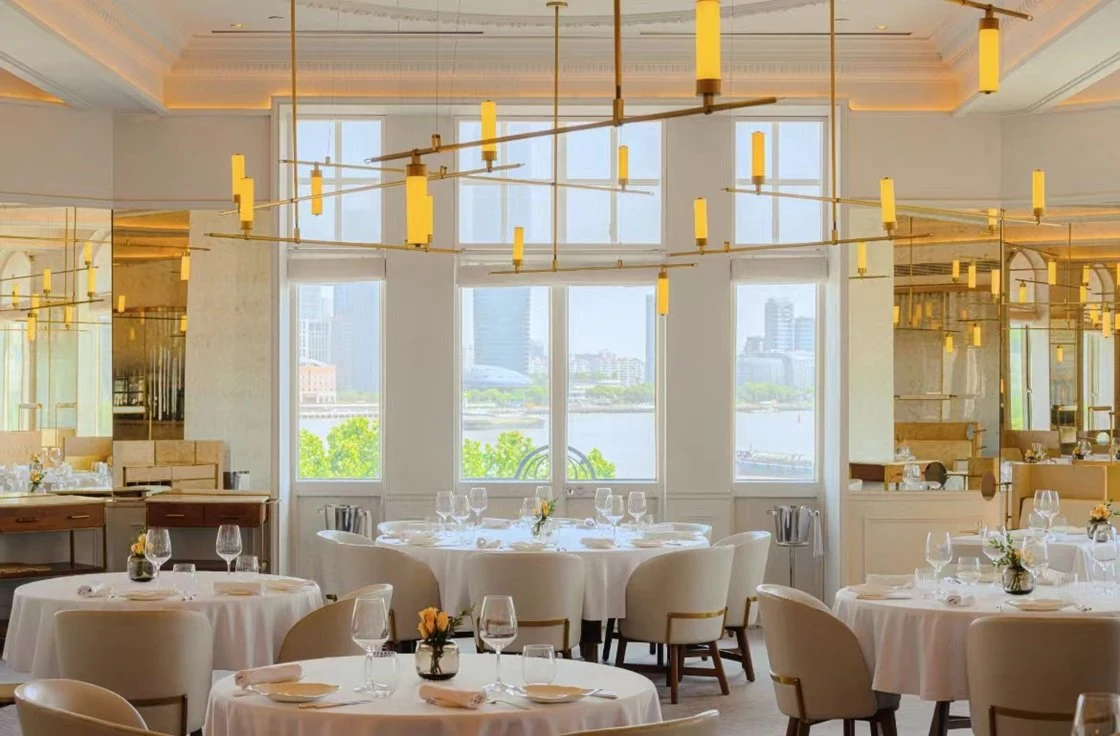
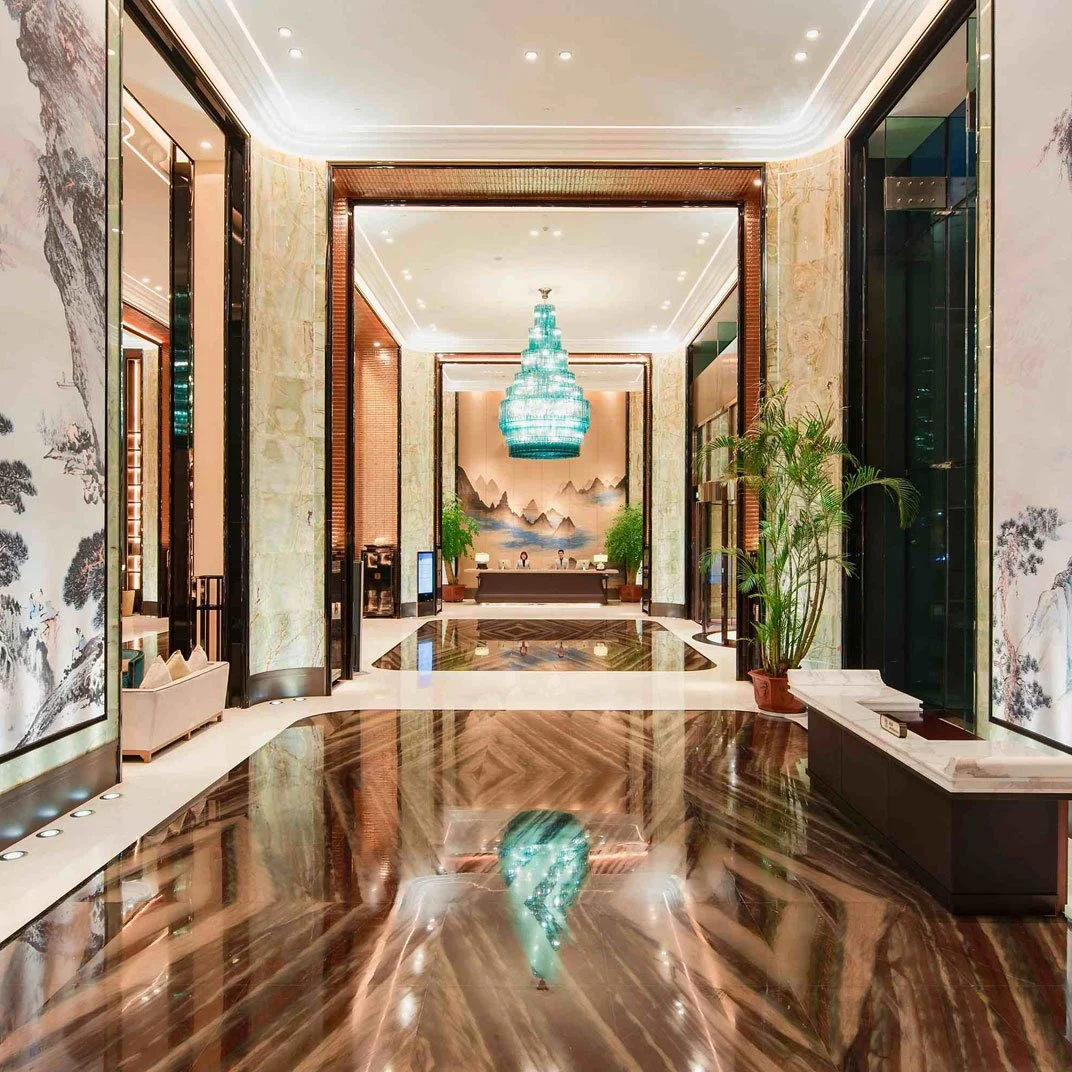
Ti Yu Chang Lu is not the postcard address visitors expect when they picture Hangzhou dining. There is no lakeside promenade, no pavilion framing a view of West Lake. The street in Xia Cheng district reads as workaday urban, a few minutes from the bustle of central Hangzhou but insulated from its tourist register. That spatial ordinariness is, in a way, the argument for Ming Kitchen. The restaurants that cluster around West Lake tend to sell the view alongside the food. Here, the room has to carry its weight on its own terms.
Zhejiang cuisine operates in a register that outside diners often misread as simply 'light.' The tradition is more precise than that. It prioritises clean primary flavours, careful heat control, and an almost surgical restraint with seasoning, qualities that reward attention rather than spectacle. Across Hangzhou's better kitchens, this translates into interiors that tend toward calm: neutral tones, unhurried spacing between tables, the absence of hard surfaces that would amplify noise. Ming Kitchen, positioned at the ¥¥ price tier, occupies a space in that tradition without the formal ceremony of the city's ¥¥¥¥ flagships.
The Physical Register: Reading the Room
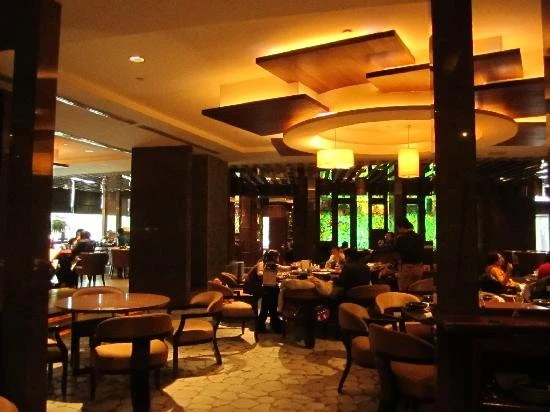
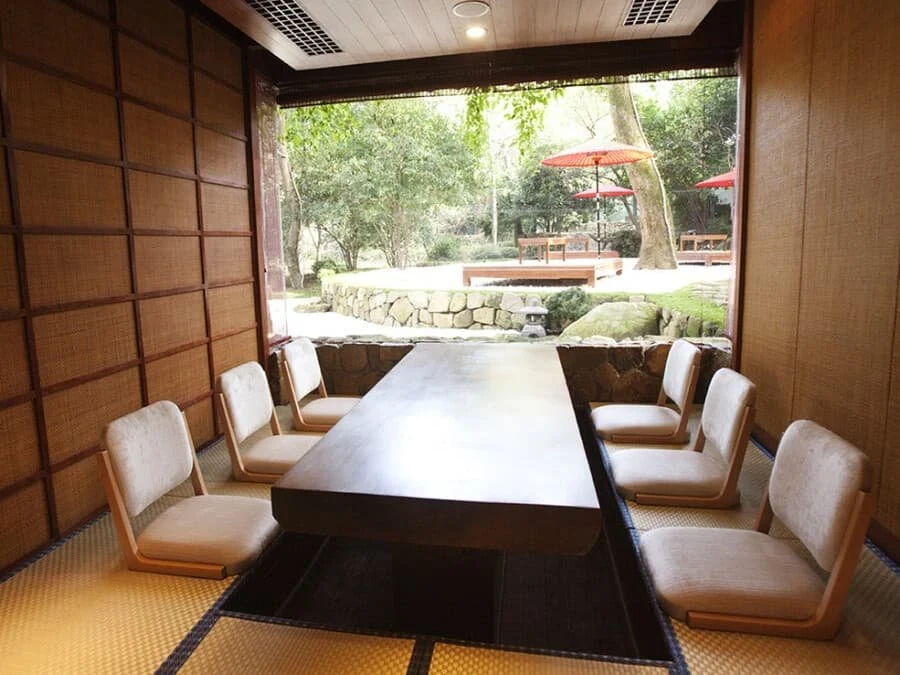
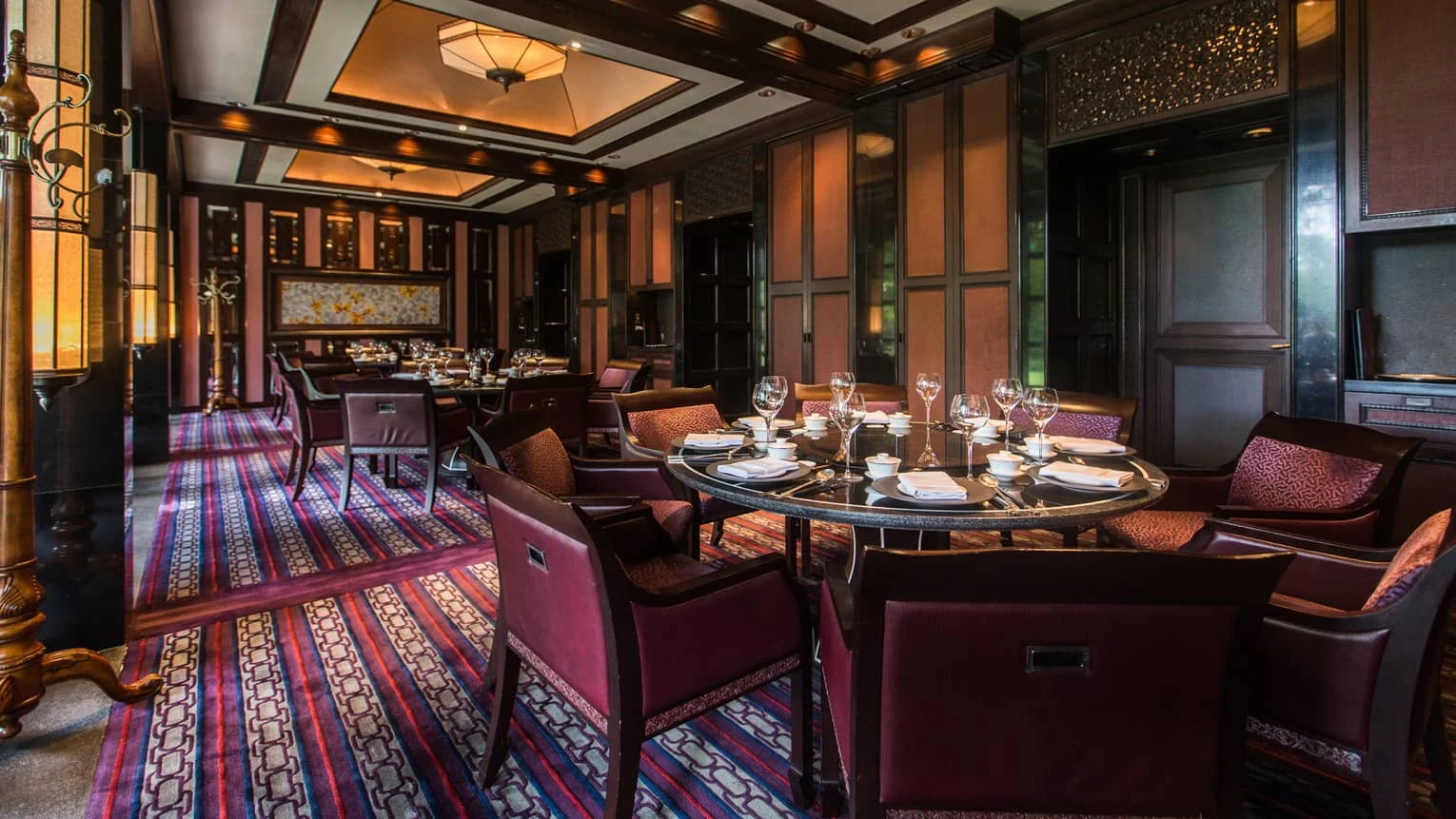
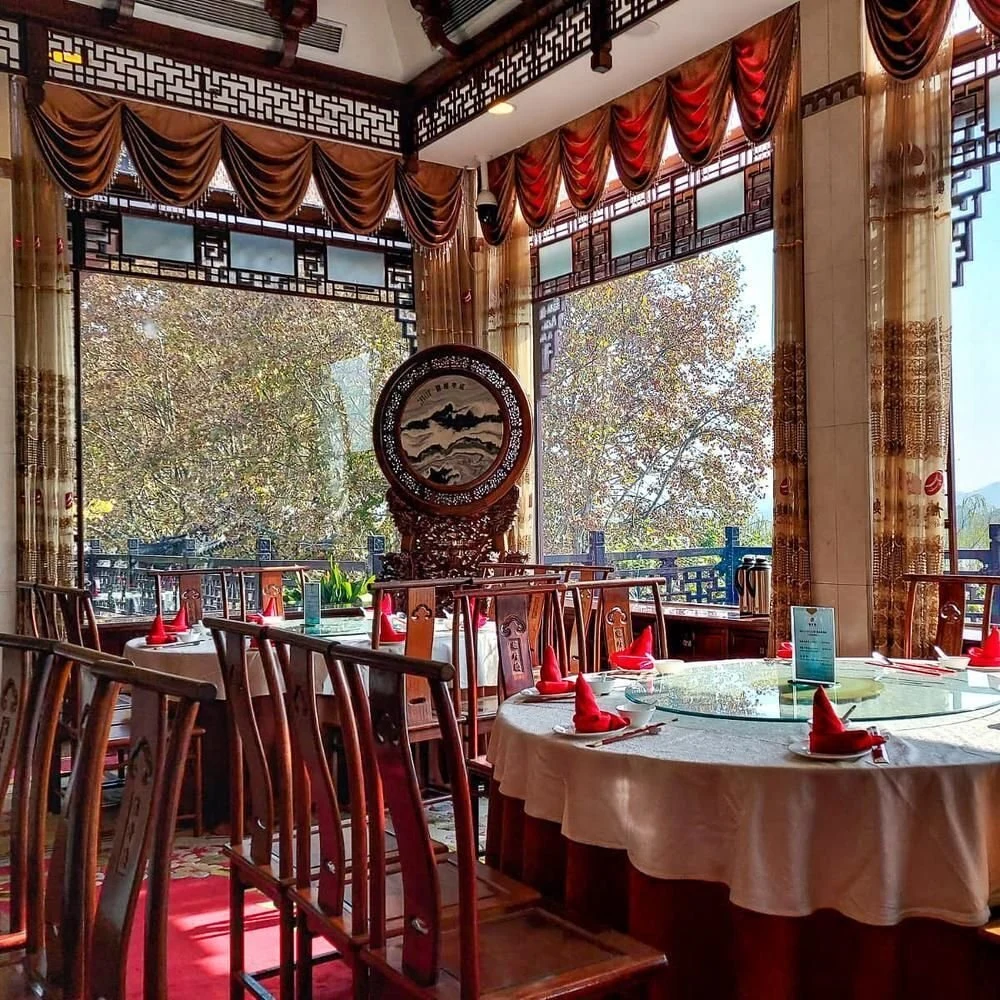
In a cuisine where subtlety is the dominant mode, an aggressive interior, hard lighting, tight seating, background noise that competes with conversation, contradicts the food before the first dish arrives. The better mid-range addresses in Hangzhou understand this. They do not attempt the formal grandeur of somewhere like Ru Yuan, which operates at a full tier above in both price and ceremony. Instead, they work toward functional calm: enough space between covers to allow a relaxed meal, lighting pitched at a level that flatters both food and conversation.
Ming Kitchen's address at 218 Ti Yu Chang Lu places it within the Xia Cheng residential-commercial mix, a neighbourhood where the diner profile skews local rather than tourist. That matters for atmosphere. Rooms that fill predominantly with neighbourhood regulars and local professionals tend to settle into a steadier rhythm than those cycling through short-stay visitors. The pace of service, the ambient noise, the sense of routine competence in the dining room, these qualities compound across the course of an evening in ways that are harder to manufacture than the right furniture.
Michelin Plate Recognition: What It Signals in This Price Tier
Consecutive Michelin Plate recognition in 2024 and 2025 positions Ming Kitchen within a specific band of Hangzhou's dining scene. The Plate designation, awarded for good cooking rather than the complexity criteria attached to star recommendations, is the Michelin Guide's way of flagging consistent kitchen quality at restaurants that are not competing for the best of the formal dining hierarchy. In a city where the ¥¥¥ bracket contains strong operators like Hangzhou House and Jie Xiang Lou, and the ¥¥¥¥ end is anchored by rooms like Guiyu (Xihu) and Longjing Manor, the Plate at ¥¥ represents a different kind of value proposition: kitchen seriousness at a price point that does not require a special-occasion justification.
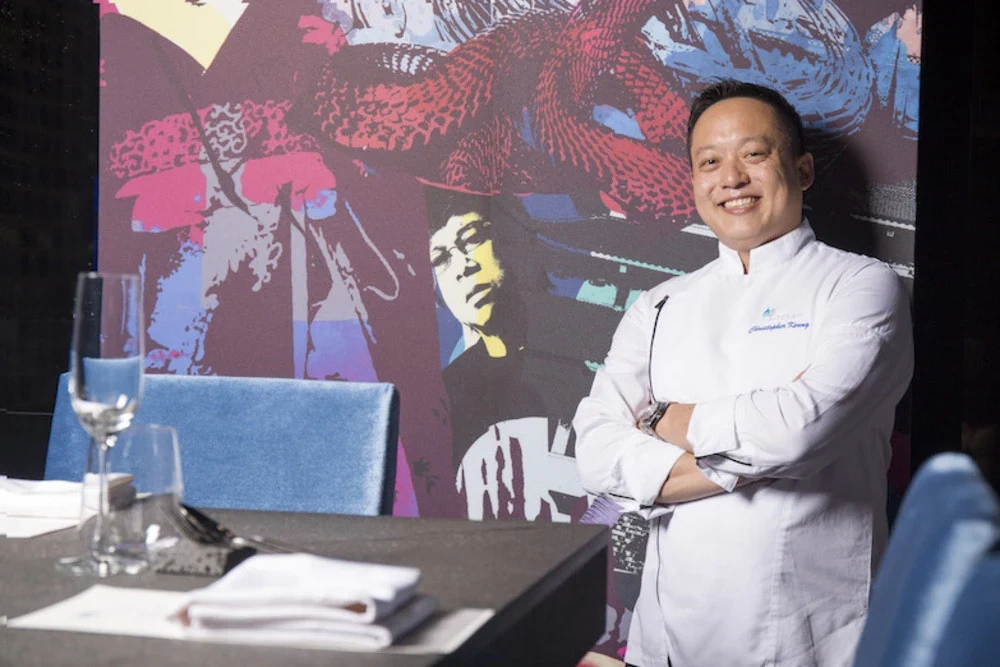
Chef Chris Keung leads the kitchen. The relevant credential here is not biography but output: the Michelin Plate has been renewed, which means inspectors have returned and found the cooking consistent. In a cuisine tradition as technically demanding as Zhejiang, maintaining that consistency across seasons is a real operational achievement.
For context on how Zhejiang cooking travels and evolves across different markets, Zhejiang Heen in Hong Kong and Rong Rong Yuan in Taipei represent how the regional tradition has been interpreted in higher-cost, higher-scrutiny dining environments. The regional canon is consistent: precise knife work, restraint in sauce, primary proteins that speak for themselves.
Zhejiang at This Price Point: The Competitive Frame
Hangzhou's mid-range Zhejiang segment is not short of options, but Michelin-recognised kitchens at the ¥¥ level are a narrower set. The typical trade-off in this bracket is between polish and authenticity, rooms that invest in décor sometimes do so at the expense of kitchen budget, while kitchens that prioritise sourcing and technique occasionally operate in spaces that feel provisional. The Plate recognition at Ming Kitchen suggests inspectors found the cooking side of that equation balanced correctly.
Elsewhere in the regional Chinese fine-dining picture, the Zhejiang and Taizhou-adjacent traditions have produced some of the country's most recognised kitchens: Xin Rong Ji (Xinyuan South Road) in Beijing, Xin Rong Ji in Chengdu, and the broader regional Chinese dining circuit represented by places like 102 House in Shanghai, Chef Tam's Seasons in Macau, Imperial Treasure Fine Chinese Cuisine in Guangzhou, and Dai Yuet Heen in Nanjing. Ming Kitchen operates several tiers below those flagships in both price and formality, but the cuisine tradition they share is the same: craft-led cooking where technique is the primary variable.
Planning a Visit
Ming Kitchen is located at 218 Ti Yu Chang Lu in Xia Cheng district, Hangzhou (310003). The ¥¥ price range makes it accessible for a casual dinner without the advance planning typically required for the city's higher-tier Zhejiang rooms. Given the limited public review data available, it is worth confirming current hours and booking arrangements directly before visiting, phone and website details are not currently listed in public directories. The Xia Cheng location is reachable by metro or taxi from the West Lake tourism core, and the neighbourhood's local character means the dining room is likely to operate at a calmer register than lakeside restaurants during peak visitor seasons.
Questions
Frequently asked
Who works at Ming Kitchen?
Made By profiles Chris Keung (Chef) at Ming Kitchen.
How expensive is Ming Kitchen?
Ming Kitchen is listed at a price level of $$$.
Where is Ming Kitchen and what does it serve?
Ming Kitchen is in Hangzhoushi, Hangzhou, serving Refined Zhejiang Dim Sum.
The field
How it compares
| Place | Cuisine | Notes | Awards |
|---|---|---|---|
| Ming Kitchen | Refined Zhejiang Dim Sum | Hangzhoushi, $$$ | · |
| 28 Hubin Road | Modern Zhejiang Fine Dining | Hangzhou | · |
| Jie Xiang Lou | Modern Jiangnan Cuisine | Hangzhou | Michelin 1 Star |
| Jin Sha | Modern Zhejiang Fine Dining | Hangzhou | Michelin 1 Star, World's 50 Best |
| Ru Yuan | Modern Hangzhou Fine Dining | Hangzhou | Michelin 2 Stars, World's 50 Best |
| Xin Rong Ji | Taizhou Cuisine | Hangzhou | Michelin 1 Star |
| Yu Zhi Lan | Refined Sichuan Fine Dining | Hangzhou | Michelin 1 Star |
In residence
Similar places
Modern Zhejiang Fine Dining
28 Hubin Road
Hangzhou, China
Modern Jiangnan Cuisine
Jie Xiang Lou
Hangzhou, China
★
Modern Zhejiang Fine Dining
Jin Sha
Hangzhou, China
★ · 50 Best
Modern Hangzhou Fine Dining
Ru Yuan
Hangzhou, China
★★ · 50 Best
Taizhou Cuisine
Xin Rong Ji
Hangzhou, China
★
Refined Sichuan Fine Dining
Yu Zhi Lan
Hangzhou, China
★