Montecappone
- 01CityJesi, Italy

- Falstaff Winery - Listed · 2026
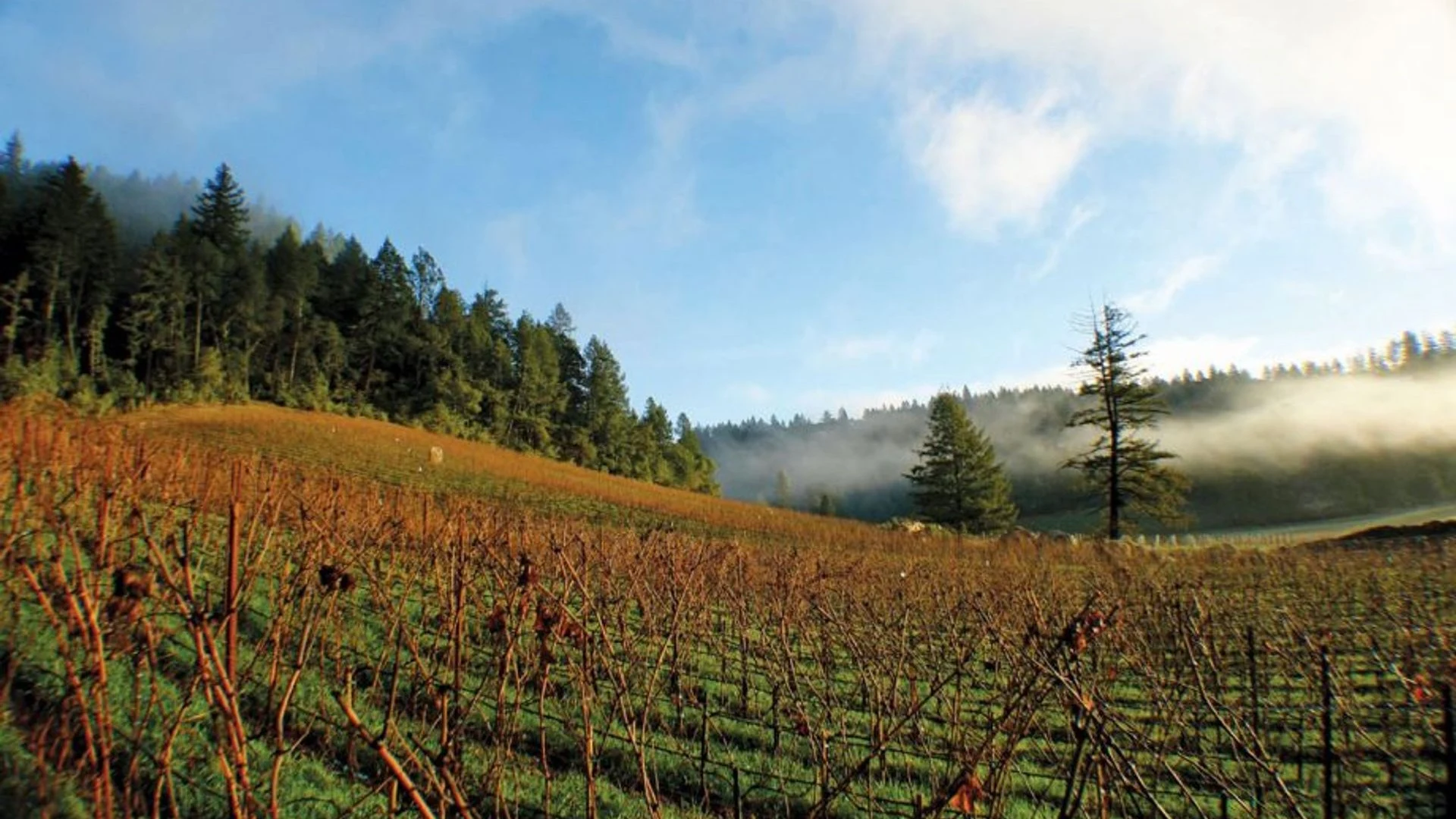
Approaching Jesi, Montecappone makes its case through the essentials of a working agricultural estate: hills, vineyards, olive groves and a functional cellar set the tone before anything else does. The first impression is not one of a venue trying to separate itself from its surroundings, but of a winery whose appeal depends on them. This is a winery and agrivinicola setting where the visit is best understood through place, production and tastings of local specialties, with each element reinforcing the others rather than competing for attention.
For readers mapping the city before committing a day, Montecappone is best considered as a winery stop in Jesi, with meals and other plans handled separately elsewhere in the city. That distinction matters: the strength here is not in turning the estate into a full-day dining destination, but in offering a clear, grounded encounter with a local agricultural context. It is the sort of stop that makes most sense when folded into a Jesi itinerary with a specific purpose in mind.
The estate gives the visit its centre of gravity
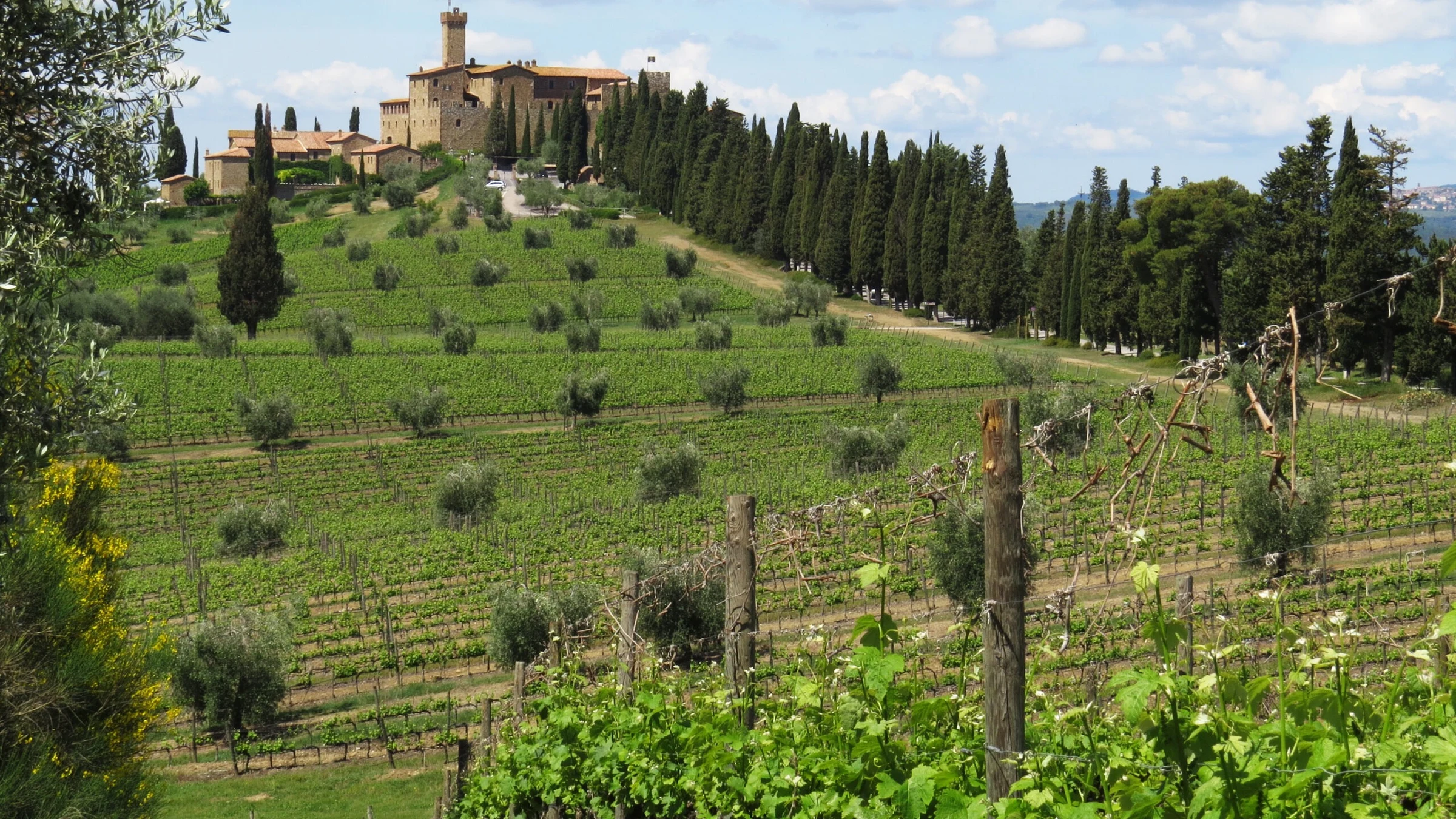
Montecappone is grounded in the landscape just outside Jesi. Its surrounding hills, vineyards and olive groves are not background decoration; they are the core of the experience and the reason the estate reads as more than a simple tasting room. The atmosphere is focused on terroir-driven production, so the most useful way to approach a visit is to pay attention to how the estate presents its land, cellar work and local specialties. In that sense, the visit asks for a slower, observational mode: looking at the terrain, understanding the agricultural frame, and allowing the tasting component to sit within that wider setting.
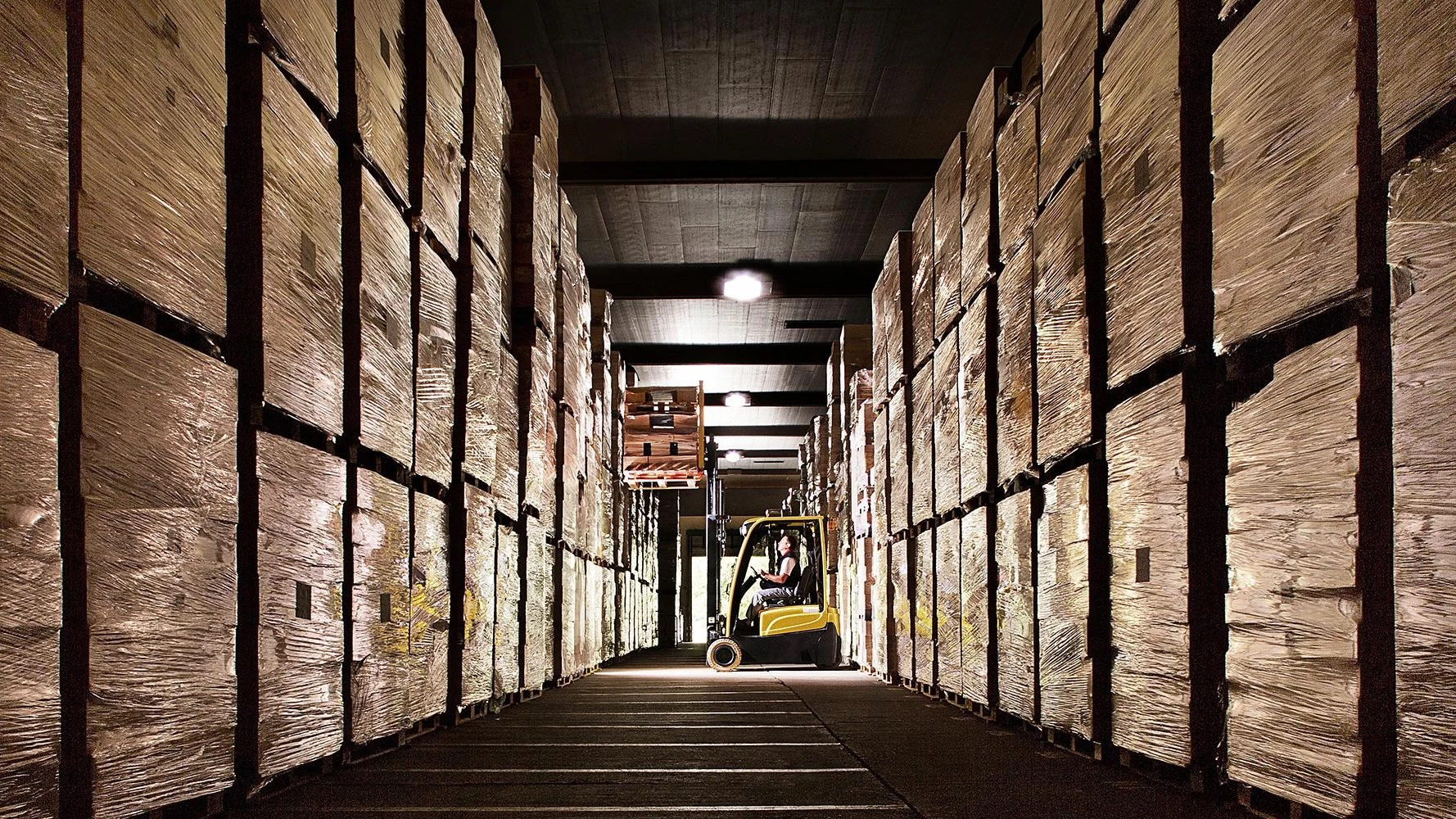
The picture is deliberately practical: a working winery, a functional cellar and a well-stocked shop. That combination makes Montecappone a place for visitors who want to connect the agricultural setting with what is produced there. The cellar gives structure to the experience, the shop gives it a tangible point of contact, and the land around the estate supplies the context that makes the visit feel rooted rather than abstract. Nothing in that arrangement needs to be overcomplicated; its value lies in the way the parts line up.
What can be said confidently is that Montecappone’s identity is tied to its Jesi setting, its vineyards and olive groves, and a tasting-oriented visit shaped by local production. It is not a venue to understand in isolation from the countryside around it. The estate’s identity depends on that continuity between land, cellar and shop, and the visit is strongest when treated as an encounter with those essentials.
A cellar-and-shop visit
Montecappone’s hospitality is best read through its working-estate character. The cellar and shop provide the practical frame, while the surrounding countryside gives the visit its sense of place. Expect a rural, production-minded mood rather than a heavily staged experience. The point is the clarity of the setting: a winery whose main interest lies in how it brings together agricultural work, local specialties and a direct relationship with the landscape around Jesi.
The estate setting supports tastings of local specialties, with the shop serving as an important part of the visit. For travelers, that means Montecappone works especially well as a focused stop in Jesi for understanding an agrivinicola estate at ground level: cellar, shop, vineyards, olive groves and the broader agricultural context. The shop is not simply an afterthought in that structure; it helps complete the practical loop between what visitors see, taste and choose to take away from the experience.
Montecappone calls for a simple calibration. The appeal is the directness of a working winery just outside Jesi, surrounded by the landscape that informs its production. Visitors who arrive expecting that kind of grounded, cellar-and-shop experience are likely to read the estate on the right terms. Its strengths are plain: the countryside, the agricultural estate, the functional cellar, the shop and the opportunity to taste local specialties in the place that gives them their context.
How to place it in an Italian wine itinerary
For a broader Italian winery itinerary, Montecappone is a Jesi countryside stop rather than a restaurant-led destination. It fits best into a day planned around cellar visits, local specialties and time in the hills, with other dining in Jesi handled separately. That makes it useful for travelers building an itinerary with distinct parts: the winery visit here, the meal elsewhere, and the city or countryside experience arranged around those separate purposes.
That context is useful because not every winery visit needs to perform the same role. Montecappone is direct: a working winery and agrivinicola estate with a functional cellar, a well-stocked shop, vineyards, olive groves and a terroir-focused atmosphere. Its role in an itinerary is therefore quite specific. It gives shape to the wine-country portion of a Jesi visit without needing to become the whole day, and it rewards attention to the essentials already present on the estate: land, production, tastings and the agricultural character that ties them together.
Questions
Frequently asked
How expensive is Montecappone?
Montecappone is listed at a price level of $$.
The field
How it compares
| Place | Notes | Awards |
|---|---|---|
| Montecappone | Colle Olivo / outskirts of Jesi, $$ | · |
| Castello Banfi | Montalcino | World's 50 Best |
| Château La Conseillante | Pomerol | · |
| Chateau Petrus | Pomerol | · |
| Domaine du Comte Liger-Belair | Vosne-Romanée | · |
| Hundred Acre | Napa | · |
| Viña VIK | San Vicente De Tagua Tagua | World's 50 Best |