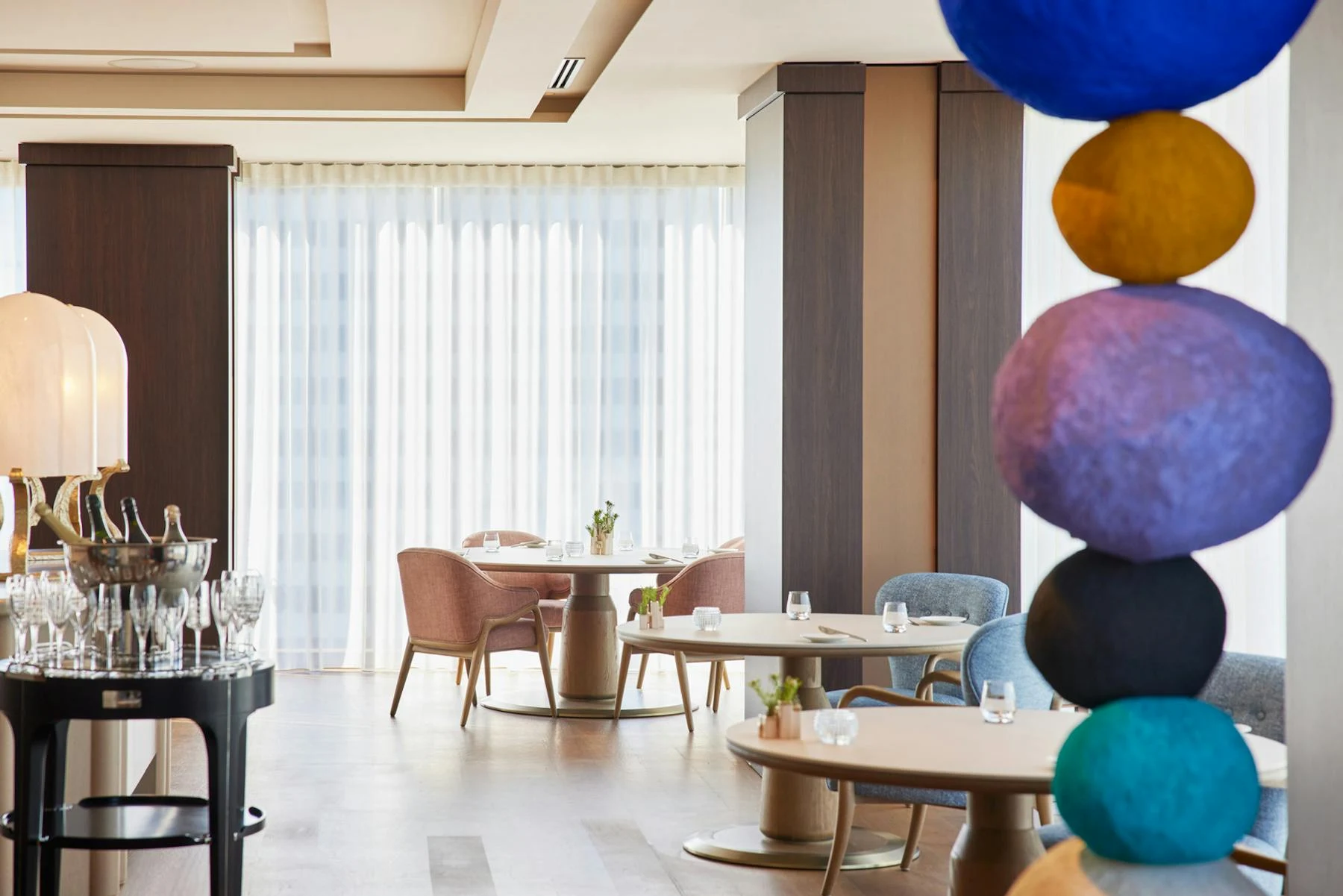
Nanachome Kyoboshi
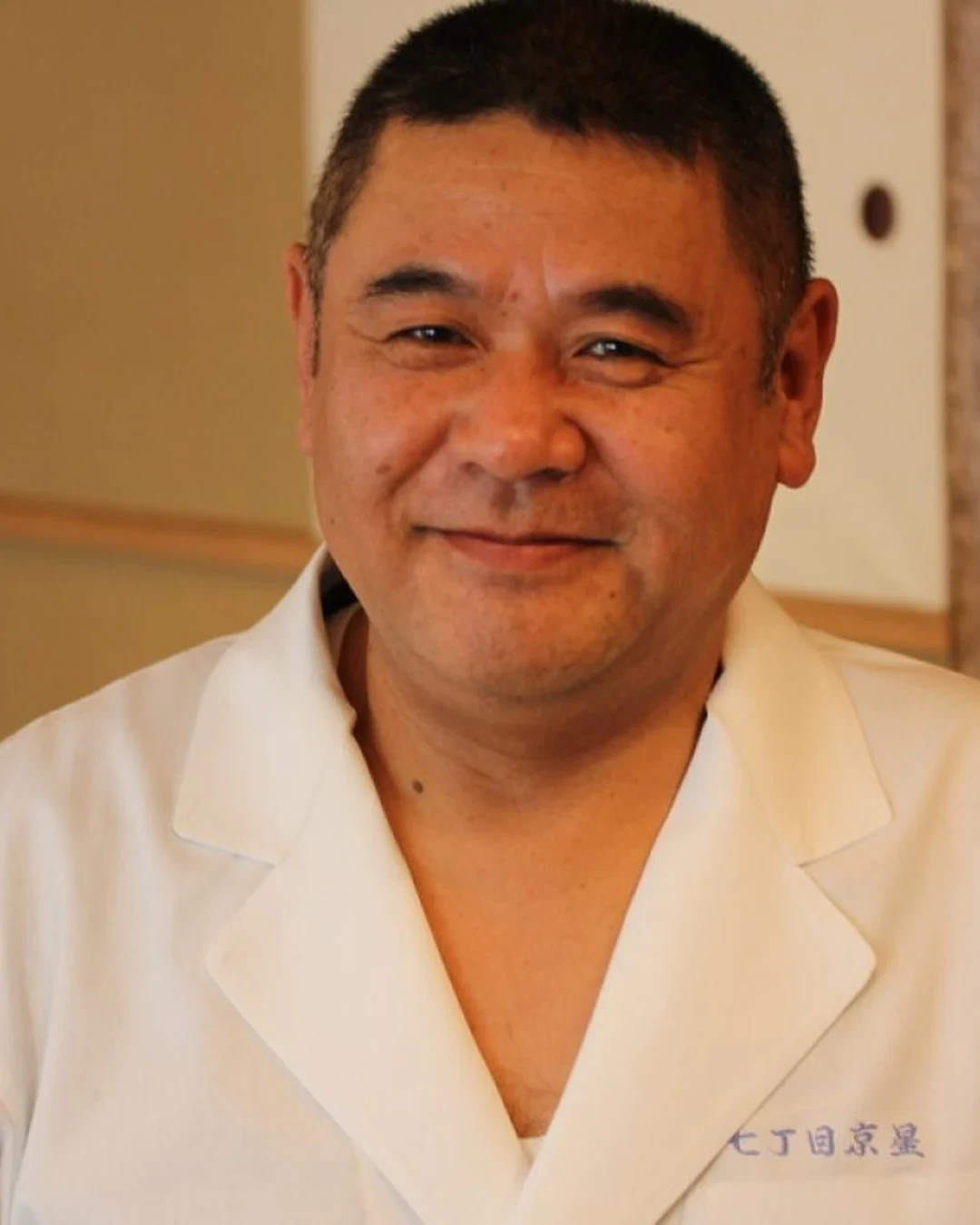
In Residence
Shigeya Sakakibara
Chef
- 01CuisineTraditional Tempura Omakase
- 02CityTokyo, Japan
- Opinionated About Dining Top Restaurants in Japan Recommended · 2026
- Opinionated About Dining Top Restaurants in Japan Ranked #236 · 2025
- Opinionated About Dining Top Restaurants in Japan Ranked #208 · 2024
- Opinionated About Dining Top Restaurants in Japan Ranked #127 · 2023
Ginza's Tempura Counter Tradition and Where Nanachome Kyoboshi Fits
Tempura in Ginza occupies a specific cultural register. It is not the fast-fry version sold at department store basement counters, nor the casual kushiage format found in izakayas further east. Ginza tempura, at its considered end, is a counter discipline, sequential, precise, and timed to the fryer, that has more in common with high-end sushi omakase in its rhythms than it does with most other Japanese frying traditions. That context matters when reading Nanachome Kyoboshi, located at 5 Chome-5-9 in the Ogio Ginza Building, a building in the dense commercial stretch of central Ginza that houses several dining operations across its floors.
Nanachome Kyoboshi entered OAD's Leading Restaurants in Japan list at #127 in 2023, a position that placed it inside the upper tier of recognised Japanese restaurants across all categories, not just tempura. By 2024 it had shifted to #208, and by 2025 to #236. Movement down a ranking list does not necessarily mean declining quality; OAD's Japan list has expanded substantially as more specialist counters receive wider recognition, compressing the upper bracket. What the trajectory does confirm is that Nanachome Kyoboshi has maintained enough critical attention across three consecutive years to remain within a ranked set that most Ginza tempura operations never enter at all.
For context on where Ginza tempura sits more broadly: Tempura Kondo and Tempura Motoyoshi represent other reference points in Tokyo's premium tempura conversation, while Tempura Ginya operates in the same category. Each counter occupies a slightly different position on the spectrum between classical Edo-style execution and more contemporary interpretations.
The Evening Counter as Social and Ritual Space
Nanachome Kyoboshi runs a consistent evening-only format: 5pm to 9pm, Monday through Sunday, seven days a week. That structure is worth reading carefully. Many Ginza counters take one or two days off per week, often Sunday or Monday. An all-week evening operation signals a different kind of service rhythm, one that leans into Ginza's post-work and weekend social pattern rather than restricting itself to the mid-week expense-account circuit.
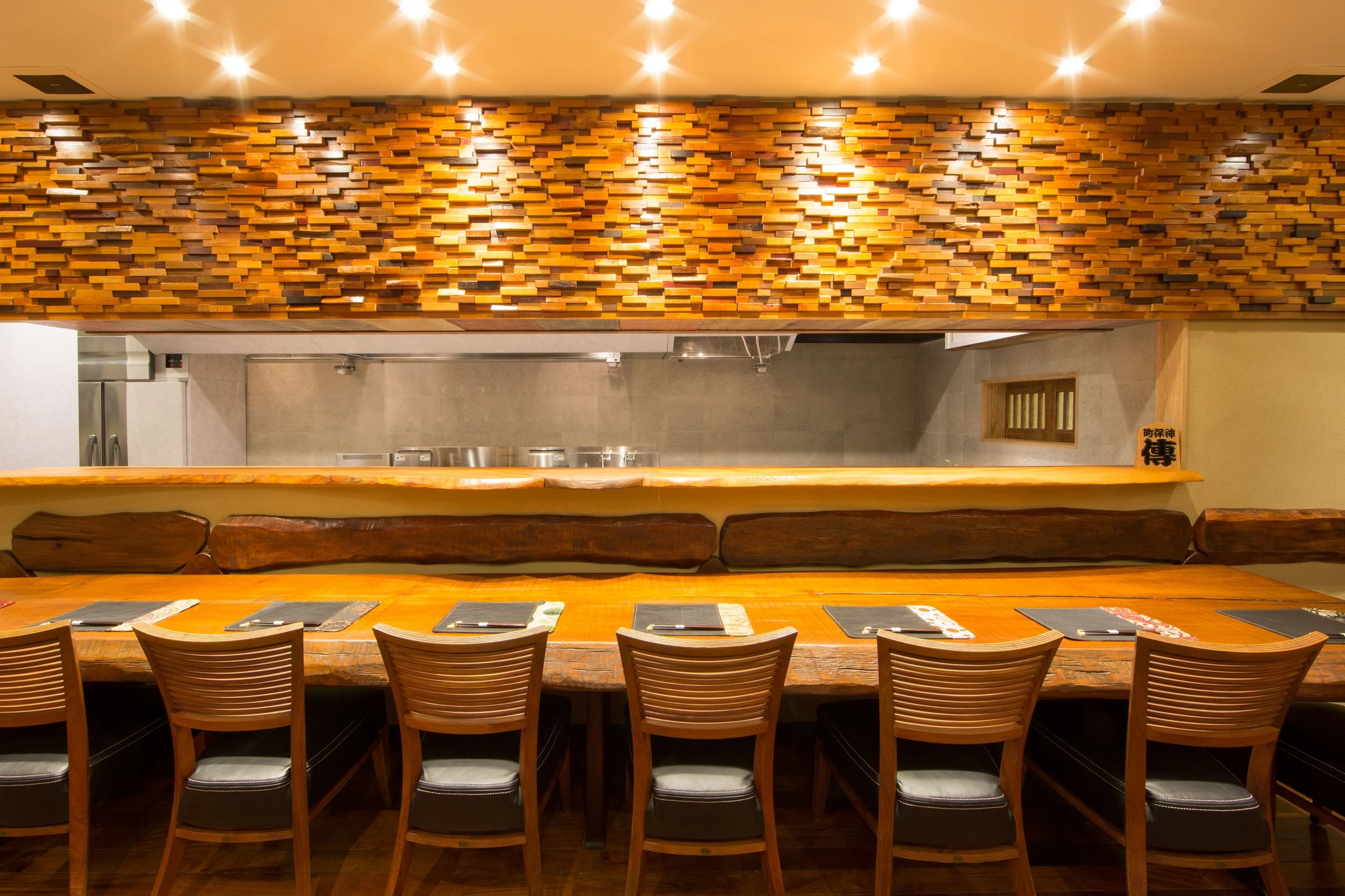
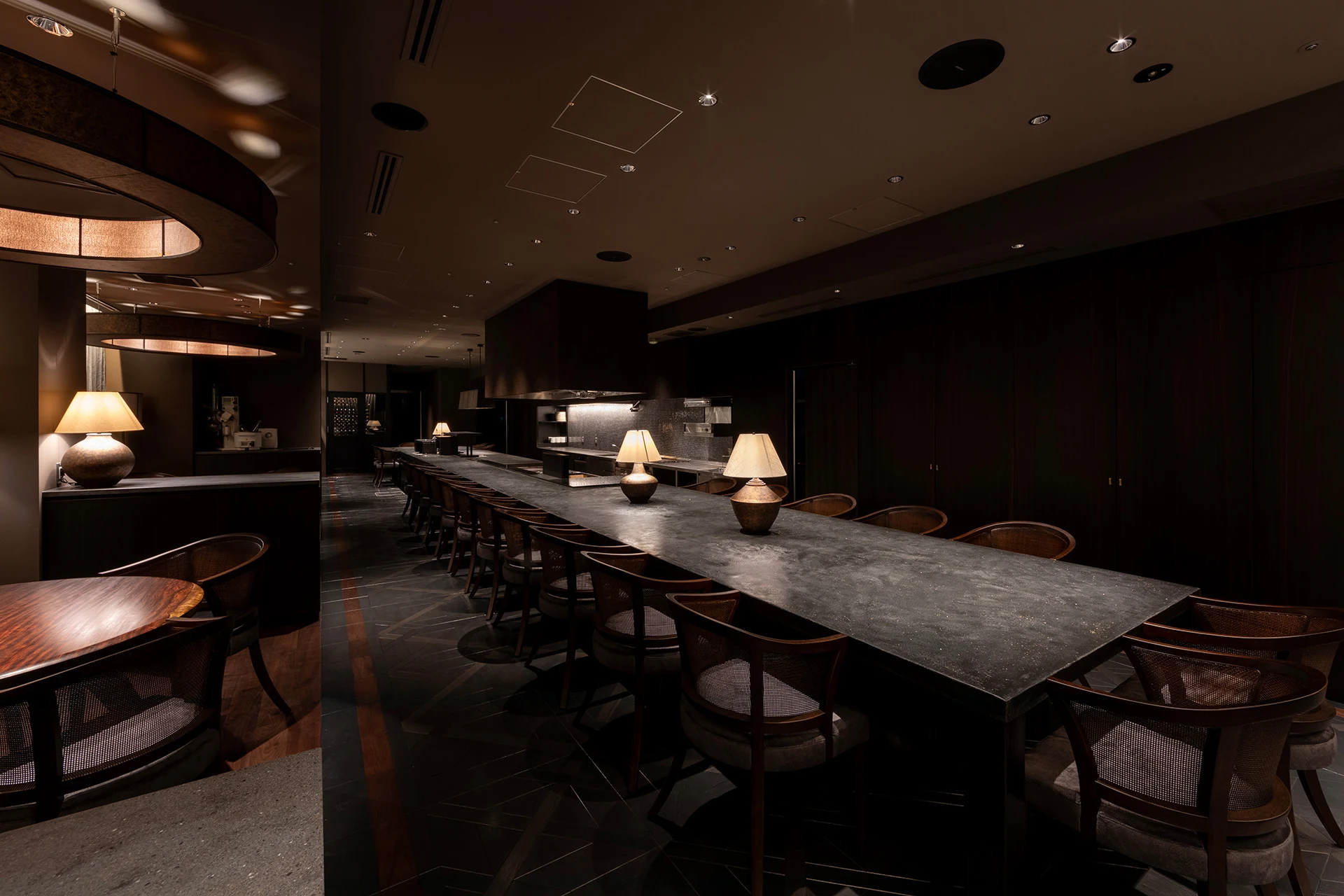
The evening-only format also aligns with how serious tempura counters function as social experiences in Tokyo. The counter setting, where guests face the chef, watch the oil temperature managed across dozens of individual pieces, and receive each item at the moment it leaves the fryer, creates a communal cadence that differs from the privacy of a kaiseki room. It shares something with the izakaya principle: the cook and the guest occupy the same space, the timing is shared, and the meal progresses through small moments rather than grand courses. That social architecture is part of what distinguishes counter dining in Tokyo from the table-service model that dominates Western fine dining.
Chef Shigeya Sakakibara leads the kitchen. At a counter this size and format, the chef's positioning at the fryer is the entire front-of-house gesture: there are no theatrics beyond the temperature of the oil and the precise dusting of batter. That restraint is itself a statement about the discipline involved.
Reading the OAD Ranking Shift
OAD rankings are calculated from the survey responses of active, tracked diners rather than from a fixed panel of inspectors, which means the scores are sensitive to both the dining frequency of existing respondents and the entry of new respondents who may have stronger preferences for other categories. Tokyo's restaurant scene has continued to generate new entries in the OAD Japan list across the 2023-2025 period, with sushi, kappo, and kaiseki formats drawing particular attention. Nanachome Kyoboshi's tempura focus places it in a smaller sub-category within that broader competition.
Most Tokyo tempura counters, even well-regarded ones, do not appear in this list. Neighbouring Ginza counters in sushi and kaiseki, such as Edomae Shinsaku and Fukamachi, operate in categories with higher OAD representation, which adds further weight to Nanachome Kyoboshi's sustained presence in the rankings. For those interested in how Tokyo's dining scene compares to Japan's broader restaurant geography, our guides to HAJIME in Osaka, akordu in Nara, and 1000 in Yokohama offer useful comparison points.
Tempura Beyond Tokyo: A Regional and International Note
Tempura as a counter format has migrated beyond Japan in recognisable ways, with operations in Taipei, such as Mudan Tempura, adopting the counter structure and seasonal ingredient logic of the Tokyo model. That spread reflects the same dynamic that made Japanese counter dining influential across the broader Asia-Pacific restaurant scene during the 2010s: the combination of visual transparency, ingredient focus, and portion sequencing that allows the format to communicate seriousness without requiring elaborate table staging. Nanachome Kyoboshi sits within the source tradition for those exports.
Within Tokyo itself, the premium tempura category is a smaller conversation than sushi or ramen, which makes individual counter reputations more legible. There are fewer seats across fewer operations, and critical attention concentrates accordingly. The Google rating of 3.2 across 24 reviews at Nanachome Kyoboshi is a thin sample and should be weighted against the OAD data, which draws from a larger and more curated pool of frequent-dining respondents. Small review counts on general platforms tend to reflect a combination of infrequent first-time visitors and the counter's booking difficulty rather than consistent quality signals.
Know Before You Go
- Address: 5 Chome-5-9 Ginza, Chuo City, Tokyo (Ogio Ginza Building)
- Chef: Shigeya Sakakibara
- Cuisine: Tempura (evening counter format)
- Hours: Monday to Sunday, 5pm to 9pm
- Recognition: Opinionated About Dining Leading Restaurants in Japan, #127 (2023), #208 (2024), #236 (2025)
- Booking: Reservations are essential.
- Dress code: Smart casual.
Explore Further in Tokyo and Beyond
Nanachome Kyoboshi is one entry point into Ginza's counter dining culture. For those building a Japan itinerary around serious eating, the combination of Tokyo's tempura counters, Kyoto's kaiseki rooms, and Osaka's more relaxed kappo format provides a structured way to move through the country's cooking traditions at different registers of formality and price.
Questions
Frequently asked
Who works at Nanachome Kyoboshi?
Made By profiles Shigeya Sakakibara (Chef) at Nanachome Kyoboshi.
How expensive is Nanachome Kyoboshi?
Nanachome Kyoboshi is listed at a price level of $$$$.
Where is Nanachome Kyoboshi and what does it serve?
Nanachome Kyoboshi is in Chūō, Tokyo, serving Traditional Tempura Omakase.
The field
How it compares
| Place | Cuisine | Notes | Awards |
|---|---|---|---|
| Nanachome Kyoboshi | Traditional Tempura Omakase | Chūō, $$$$ | · |
| Den | Modern Japanese Kaiseki | Tokyo | Michelin 2 Stars, World's 50 Best |
| Florilège | Modern French-Japanese Plant-Based Fine Dining | Tokyo | Michelin 2 Stars, World's 50 Best |
| Narisawa | Modern Japanese Satoyama Fine Dining | Tokyo | Michelin 2 Stars, World's 50 Best |
| Quintessence | Modern French Fine Dining | Tokyo | Michelin 3 Stars |
| Sazenka | Modern Chinese Fine Dining | Tokyo | Michelin 3 Stars, World's 50 Best |
| Sézanne | Modern French Fine Dining | Tokyo | Michelin 3 Stars, World's 50 Best |
In residence
Similar places
Modern Japanese Kaiseki
Den
Tokyo, Japan
★★ · 50 Best
Modern French-Japanese Plant-Based Fine Dining
Florilège
Tokyo, Japan
★★ · 50 Best
Modern Japanese Satoyama Fine Dining
Narisawa
Tokyo, Japan
★★ · 50 Best
Modern French Fine Dining
Quintessence
Tokyo, Japan
★★★
Modern Chinese Fine Dining
Sazenka
Tokyo, Japan
★★★ · 50 Best
Modern French Fine Dining
Sézanne
Tokyo, Japan
★★★ · 50 Best