- Opinionated About Dining Casual in North America Recommended · 2026
- Robb Report The 10 Best New Restaurants in America #8 · 2025
- Opinionated About Dining Casual in North America Ranked #341 · 2025
- Opinionated About Dining Casual in North America Ranked #427 · 2024
- Opinionated About Dining Casual in North America Recommended · 2023
South Lake Union's Korean Counter and What It Says About Seattle's Dining Direction
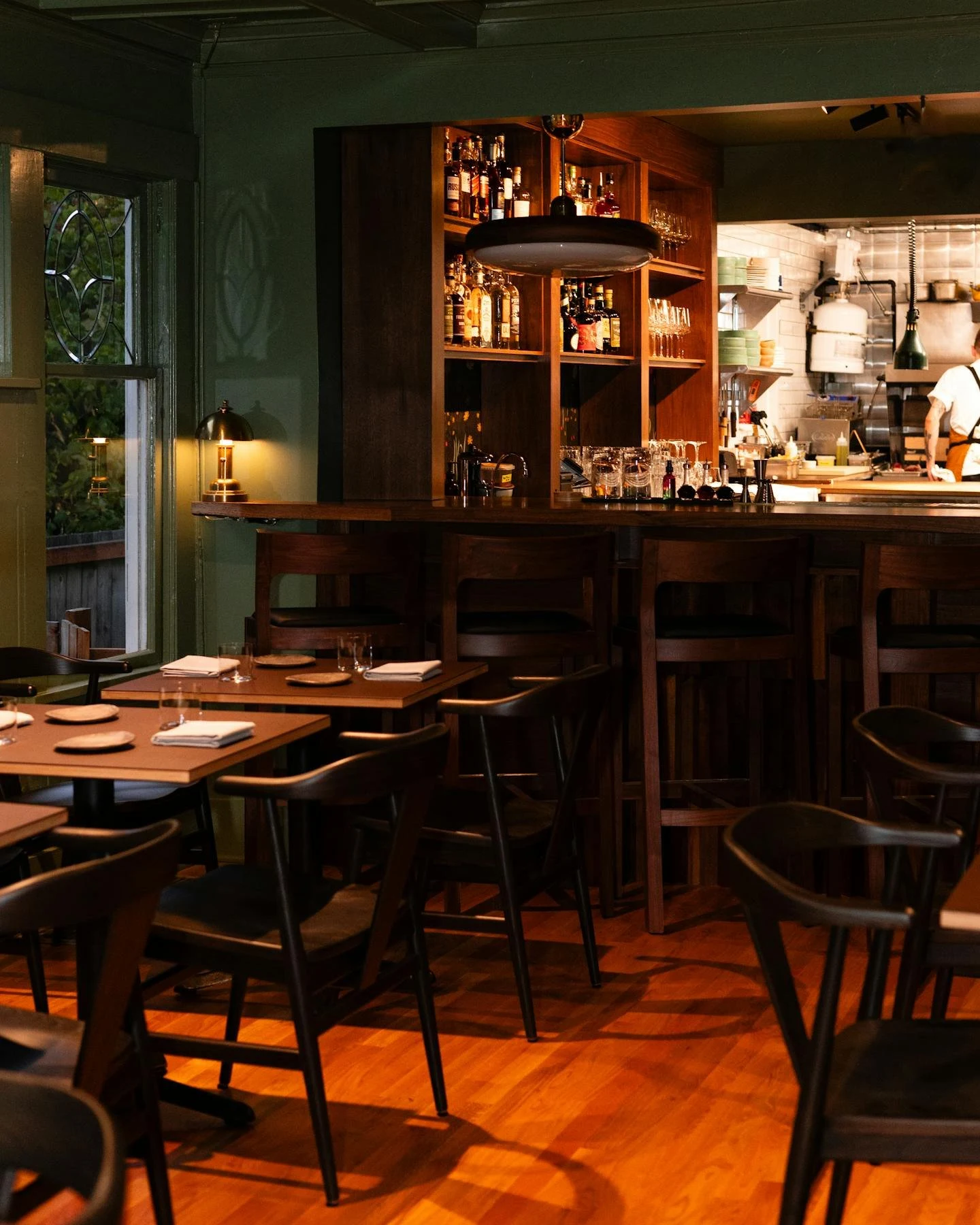
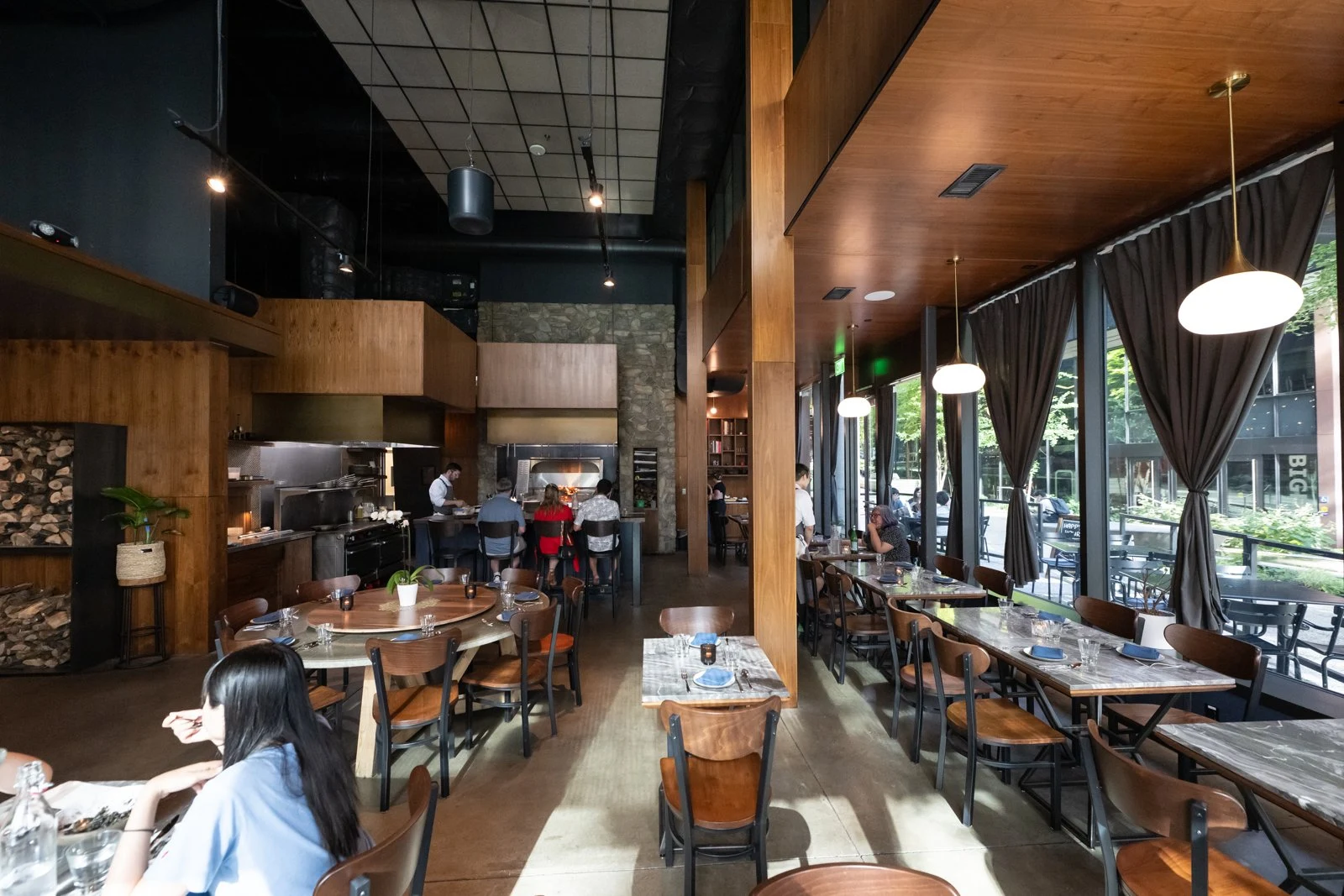
The wood-paneled room at 513 Westlake Ave N sits in South Lake Union, a neighborhood that has shifted over the past decade from industrial backwater to one of Seattle's more concentrated dining corridors. The space reads calm and considered: warm timber surfaces, a format that encourages conversation rather than performance, and a kitchen that sends out food designed to make a point without announcing it. Paju operates Tuesday through Friday from 3 pm, extending to 10 pm on Fridays, and on Saturdays from 4 to 10 pm. It is closed Sundays and Mondays. That compressed schedule is a production choice as much as a business one, allowing the kitchen to work within a tighter rhythm and reduce the waste that comes with broader operating windows.
Korean Cooking in the American Fine-Casual Register
Korean cuisine has moved steadily into the upper tier of American fine dining over the past decade, a shift driven as much by technique and sourcing discipline as by cultural momentum. In Seoul, restaurants like Mingles and Kwonsooksoo have established a global reference point for what modern Korean cooking can achieve at its most formal. American cities have responded with their own interpretations, generally pitched at a fine-casual register that privileges ingredient integrity and creative reinterpretation over ceremony. Paju belongs to that cohort. It ranked #427 on Opinionated About Dining's Casual North America list in 2024, rising to #341 in 2025.
The competitive context in Seattle matters here. Joule has long occupied the Korean-inflected end of the city's New Asian tier. Canlis, Altura, and Atoma anchor the city's more formal New American and contemporary Pacific Northwest end, while Archipelago represents a different kind of ingredient-led precision in the Pacific Northwest category. Paju positions itself outside all of those brackets, working in a space where Korean culinary logic, from fermentation to hand-worked dough, is applied with a clear eye toward what it produces on the plate rather than what category it satisfies.
The Dishes as Editorial Arguments
Opinionated About Dining's published notes on Paju offer something rarer than a rating: specific dish description grounded in sensory observation. The crispy jeon, a Korean seafood pancake, arrives with generous shavings of bonito that move with the heat rising from the plate, the pancake shot through with scallions and finished with aioli. That combination, fermented grain funk meeting Japanese-style umami and a European emulsion, is a good illustration of how the kitchen works. It does not borrow from multiple traditions to show range. It borrows where the flavors support each other, and the result reads as coherent rather than composite.
The chips and dip course applies the same logic to celeriac, a root vegetable that gets ground with warming peppers, topped with potato foam, and served alongside celeriac rice crackers. The use of a single ingredient in two textures and forms, cracker and foam, is a technique that reduces waste at the sourcing level while producing a course with genuine internal contrast. Whether that compression is framed as sustainability practice or simply disciplined cooking, the outcome is the same: less unusable trim, more considered extraction of flavor from a single ingredient.
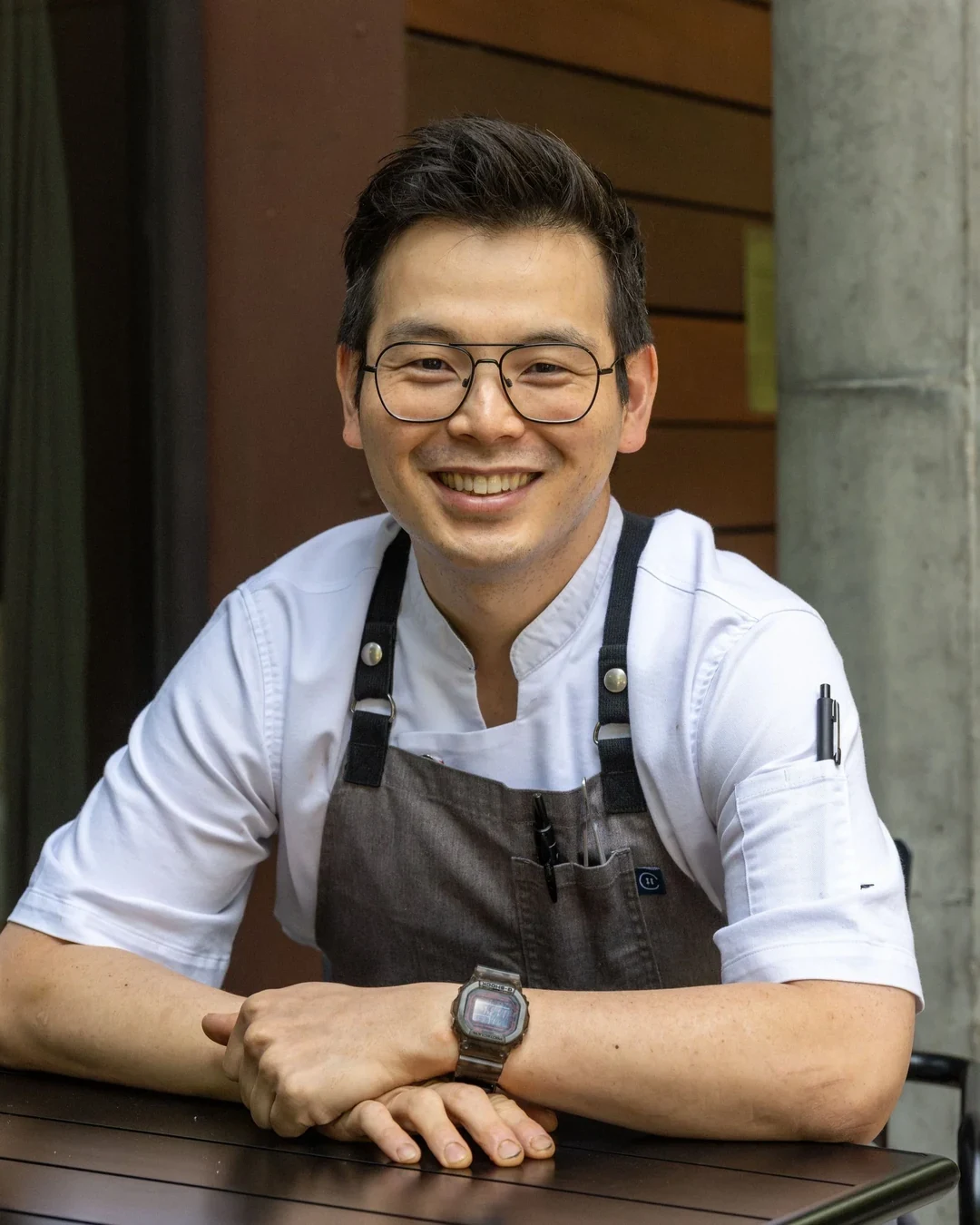
The sujebi riff extends that approach. Hand-torn noodle soup is a Korean comfort staple with the kind of institutional familiarity that makes reinterpretation risky. Chef Bill Soo Jeong replaces the conventional broth base with a chun-jang Bolognese, the fermented black bean paste lending depth where a long-cooked meat sauce would in an Italian context, and adds slices of Korean pear to lift the weight of the dish. The move demonstrates the kitchen's editorial instinct: the dish remains readable as sujebi in structure, but the flavor logic is its own.
Ingredient Thinking and the Case for Restraint
Among the broader questions that American fine-casual dining is currently working through, the sourcing and waste reduction conversation has moved from optional positioning to operational norm. Restaurants operating at Paju's level, where the Opinionated About Dining ranking places it alongside serious casual-tier peers from across North America, increasingly see ingredient discipline as inseparable from cooking discipline. The celeriac course is a case in point: extracting multiple applications from a single root vegetable is a kitchen behavior that signals both technique and a considered approach to what gets ordered and what gets used.
That approach has parallels at a different scale in destination-level restaurants. Single Thread Farm in Healdsburg has built its entire model around a farm-to-table supply chain. The French Laundry in Napa operates on-site kitchen gardens. Lazy Bear in San Francisco works with a tight roster of local producers. The difference at Paju is format: these are behaviors appearing in a Tuesday-to-Saturday casual counter, not a destination tasting menu, which is precisely what makes the comparison instructive rather than aspirational.
Where Paju Sits in a Night Out in Seattle
Seattle's dining week has a geography, and South Lake Union is not Capitol Hill or Belltown in terms of density or foot-traffic energy. The neighborhood rewards intention: you come here because you planned to, not because you wandered in. That filters the room toward guests who have read something or been told something, which tends to produce a more engaged atmosphere than a high-traffic dining corridor. Paju's mid-week opening from 3 pm creates a useful early-evening window for visitors staying in the South Lake Union area, particularly those building a broader night using Seattle's bar offerings or planning around the hotel corridor nearby.
For visitors building a multi-night Seattle itinerary that engages the city's current dining arc, Paju pairs logically with Joule and Archipelago as examples of the city's more ingredient-led, non-European-anchored dining. Those planning more formal evenings should look at Canlis or Atoma.
Globally, Paju's register sits closer to the fine-casual Korean tradition than to high-ceremony tasting formats. Alinea in Chicago or Le Bernardin in New York occupy a different tier in terms of format, ceremony, and price architecture. Emeril's in New Orleans offers a useful contrast as a long-established American fine-casual anchor in a different culinary tradition. The point is not equivalence but context: Paju has found a positioning in Seattle's dining ecology that is specific to its cuisine and format, and the OAD ranking trajectory from Recommended in 2023 to #341 in 2025 suggests that positioning is strengthening.
Planning a Visit
Paju is located at 513 Westlake Ave N in Seattle's South Lake Union neighborhood. The kitchen runs Tuesday through Thursday from 3 to 9 pm, Friday from 3 to 10 pm, and Saturday from 4 to 10 pm. Sunday and Monday closures reflect the kitchen's production calendar. Google review data from 574 reviewers places the restaurant at 4.4 out of 5. Reservations are recommended, and the dress code is casual.
Questions
Frequently asked
Who works at Paju?
Made By profiles Bill Soo Jeong' (Chef) at Paju.
How expensive is Paju?
Paju is listed at a price level of $$$.
Where is Paju and what does it serve?
Paju is in South Lake Union, Seattle, serving Modern Korean Fusion.
The field
How it compares
| Place | Cuisine | Notes |
|---|---|---|
| Paju | Modern Korean Fusion | South Lake Union, $$$ |
| Atoma | Modern New American | Seattle |
| Canlis | Modern American Fine Dining | Seattle |
| canon | American Small Plates & Cocktails | Seattle |
| Spinasse | Piedmontese Northern Italian | Seattle |
| The Boat | Vietnamese Chicken Rice | Seattle |
| The Herbfarm | Pacific Northwest Farm-to-Table Tasting | Seattle |
In residence
Similar places
Modern New American
Atoma
Seattle, United States
Modern American Fine Dining
Canlis
Seattle, United States
American Small Plates & Cocktails
canon
Seattle, United States
Piedmontese Northern Italian
Spinasse
Seattle, United States
Vietnamese Chicken Rice
The Boat
Seattle, United States
Pacific Northwest Farm-to-Table Tasting
The Herbfarm
Seattle, United States