Pamukkale Sarapcilik
- 01CityDenizli, Turkey

- Falstaff Winery - Listed · 2026
Pamukkale Sarapcilik is best understood as a working winery experience in Denizli rather than a luxury tasting-room destination. The picture is rustic and production-focused: cellar visits and tastings are described as relaxed and local, with the surrounding vineyard setting giving context to the visit. In practical terms, that means the appeal sits less in spectacle and more in the sense of being close to the winemaking environment itself.
For travelers building a Denizli itinerary, the appeal is the chance to see a winery atmosphere that feels industrial-scale but still rooted in its local landscape. It can add a different rhythm to a trip built around sightseeing, restaurants, and regional stops, because the focus shifts toward production, cellars, and a direct encounter with a local wine setting.
Travelers can place Pamukkale Sarapcilik within the broader Denizli hospitality map and compare it with other local dining and drinking options generically, while keeping expectations focused on the winery itself. It is best approached as a place to understand a particular atmosphere, not as a venue that should be judged by the standards of a luxury resort or a restaurant-led tasting room.
Rustic winery atmosphere, not luxury theatre
The strongest identity here is the contrast between scale and informality. Pamukkale Sarapcilik is described as industrial-scale but rustic, with a classically local winery feel rather than an opulent tourism setup. That makes it more suitable for visitors interested in how a working winery feels on the ground than for those seeking a polished resort-style experience. The value is in the texture of the place: a setting where the cellar, the production backdrop, and the local vineyard context shape the visit.
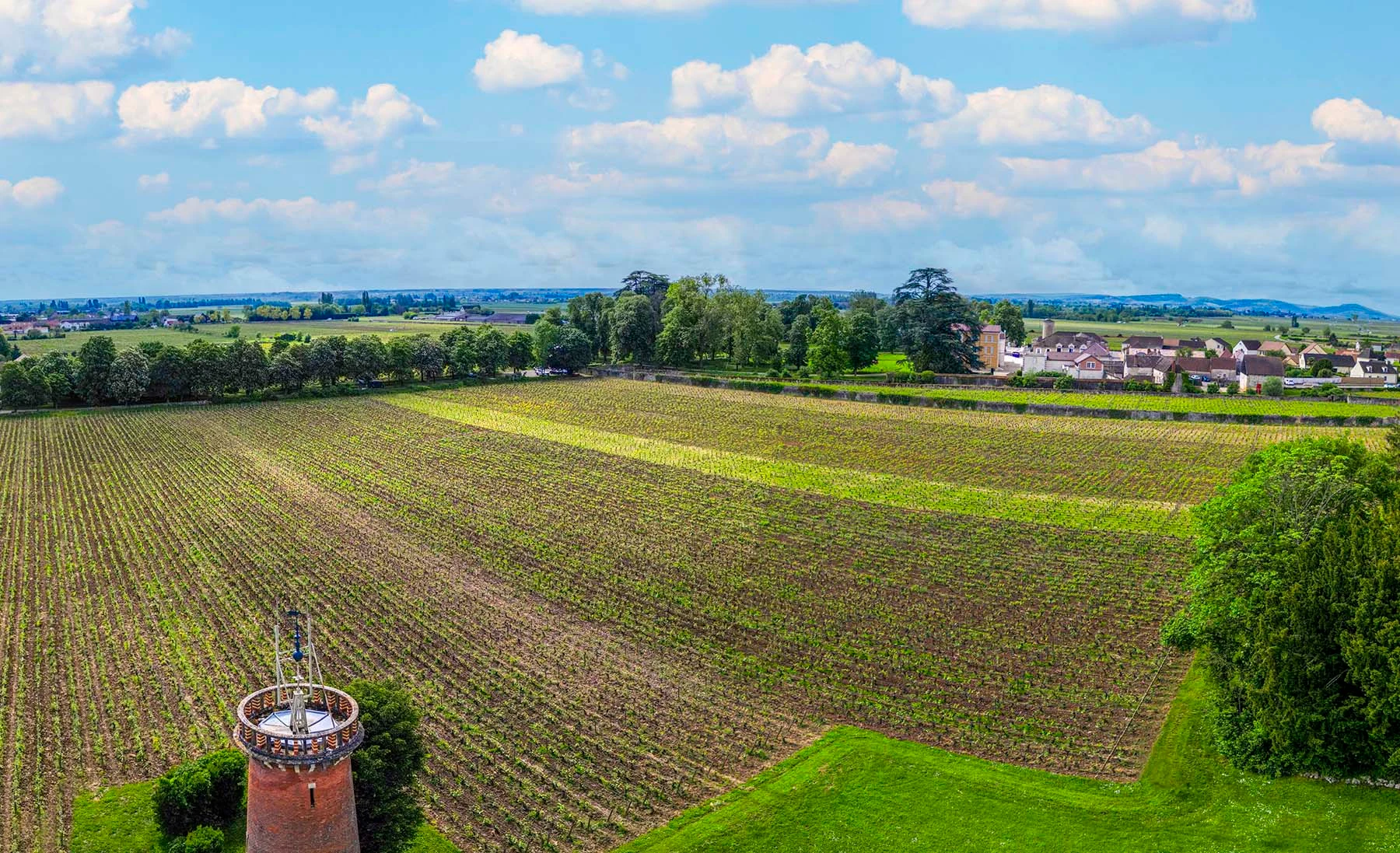
The setting near Denizli vineyards is part of the appeal, but the visit should not be over-specified beyond the available information. The reliable frame is a production-focused winery atmosphere with cellar visits and tastings. Claims about exact capacity, grape varieties, bottle names, tour length, languages, awards, shipping, parking, or reservation rules should be checked directly with the venue rather than assumed. This is especially important because a working winery can feel different from a hospitality venue whose entire structure is built around visitors.
That restraint matters for planning. Pamukkale Sarapcilik can still be a worthwhile stop for wine-curious travelers, but the reason to go is not a documented fine-dining format or a confirmed luxury hospitality program. It is the chance to experience a relaxed local tasting and cellar-focused visit at a working Denizli winery. Visitors who enjoy places with a practical, behind-the-scenes quality are likely to understand the appeal more quickly than those looking for highly choreographed service.
What the tasting format tells you about Denizli wine
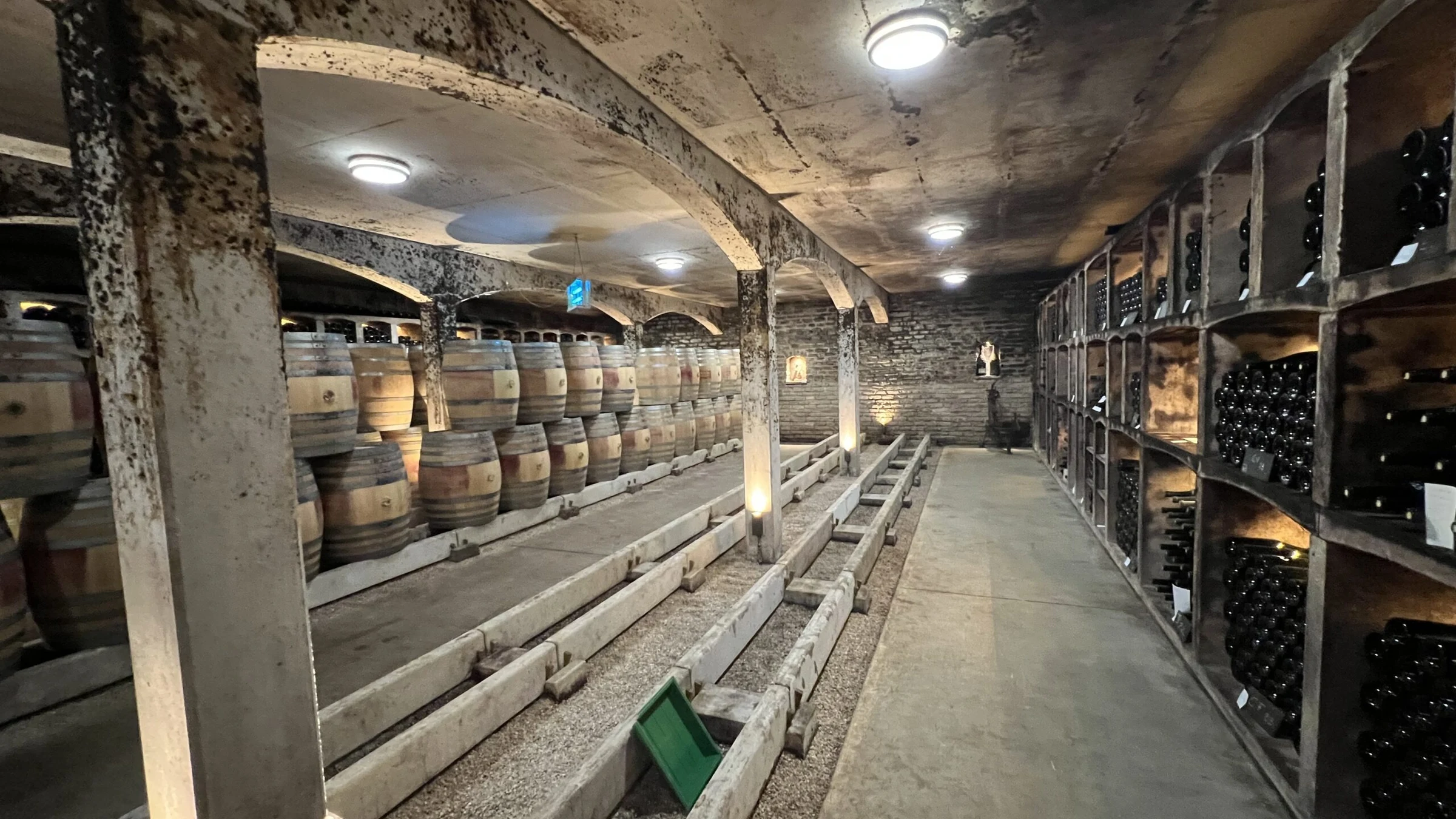
The tasting experience is relaxed and local, with cellar visits and tastings forming the core. That points toward an educational, low-key visit rather than a formal restaurant or bar experience. Visitors should expect the winery context to matter as much as the glass: production atmosphere, rustic surroundings, and a sense of place are the main assets. The tasting, in this framing, is not separate from the building and landscape around it; it is part of the same working-winery impression.
Treat the experience as a winery visit to confirm in advance through official channels, especially if timing, accessibility, group size, or tasting format is important. A relaxed format can be a strength, but it also means travelers should avoid assuming a fixed structure unless the venue confirms it. That is the safest way to preserve the spontaneity of the visit without building an itinerary on details that are not documented here.
For comparison, other Denizli dining and drinking venues may offer a more conventional hospitality setting. Pamukkale Sarapcilik’s distinction is that it remains focused on the winery itself: relaxed tastings, cellar access, and a rustic production environment rather than a restaurant-led experience. This makes it a more specific kind of stop, better suited to people who want the context of wine production than to those primarily seeking a meal, a cocktail-bar mood, or a carefully staged tasting lounge.
Planning around a working winery visit
The practical planning advice is to keep expectations grounded. The price level is $$, and the atmosphere is rustic and classically local. Beyond that, details such as opening hours, reservations, tour languages, parking, shipping, dietary accommodations, and food service are not confirmed in the available data and should be checked directly before visiting. This is not a weakness so much as a reminder to treat the venue as a working winery first and a tourism stop second.
The editorial case is still clear: Pamukkale Sarapcilik is a useful Denizli stop for travelers interested in a working winery setting. The trade-off is equally clear. Visitors looking for chef-led pairings, documented luxury amenities, or a highly specified tour program should confirm those details first; the reliable draw here is a relaxed tasting and cellar-centered visit in a rustic winery atmosphere. With that mindset, the visit can sit comfortably within a Denizli itinerary as a grounded, local wine experience rather than a polished luxury performance.
Questions
Frequently asked
How expensive is Pamukkale Sarapcilik?
Pamukkale Sarapcilik is listed at a price level of $$.
The field
How it compares
| Place | Notes | Awards |
|---|---|---|
| Pamukkale Sarapcilik | Güney, Tilkilik Mahallesi, $$ | · |
| BOND Winery | Napa | · |
| Domaine Arnaud Ente | Meursault | · |
| Domaine Georges Mugneret-Gibourg | Vosne-Romanée | · |
| Penfolds Magill Estate | Magill | · |
| Rippon Vineyard | Wānaka | World's 50 Best |
| Screaming Eagle | Napa | · |