Pegaso Viñas Viejas
- 01CityCebreros, Spain

- Falstaff Winery - 5 Stars · 2026
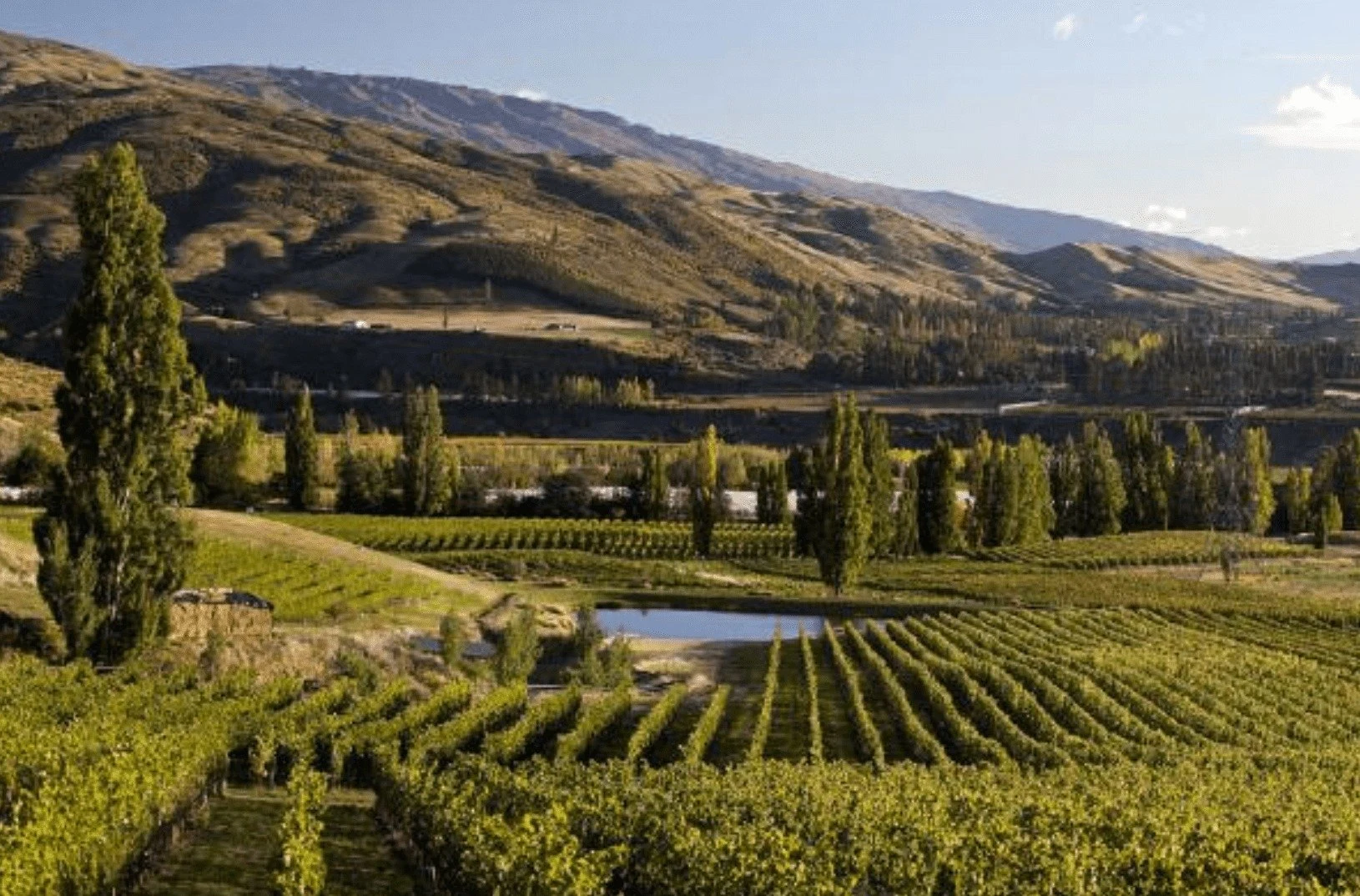
Approaching Cebreros, the wine story shifts toward Sierra de Gredos country: mountain light, broken slopes, old vines, and vineyard landscapes shaped by slate and granite. Pegaso Viñas Viejas belongs to that setting. Its appeal is rooted in old Garnacha vines, recovered abandoned plots, and a quiet, rustic landscape that makes the place feel more hidden than showy. The impression is less about arrival theater and more about entering a wine area where terrain still does much of the talking. For travelers drawn to place-led wine, that distinction matters: the surrounding landscape is not background decoration, but the main reason the address feels compelling.
Old Garnacha as a Cebreros argument, not a broad Spanish category
Cebreros matters here because the focus is specific rather than generic: old Garnacha in the extremes of Sierra de Gredos, set among slate and granite vineyard landscapes. Pegaso Viñas Viejas is best understood through that local frame, with the vineyard setting carrying much of the identity. In other words, the point is not simply that Garnacha is a Spanish red grape with a wide geographic story. The more useful argument is narrower: old vines in this particular mountain-influenced corner, rooted in a landscape whose stony character gives the experience its center of gravity.
The core story is one of old vines and recovered plots. Instead of presenting Pegaso Viñas Viejas as a broad hospitality venue, it is more accurate to read it as a winemaking setting where abandoned vineyard land and long-established Garnacha vines remain central to the experience. That recovered-plot idea gives the place a sense of continuity rather than polish. It suggests a landscape being valued for what was already there: old plant material, difficult ground, and a rural setting that does not need to be over-explained to feel distinctive.
That makes the place appealing for travelers who value landscape and context. The draw is not a restaurant format, luxury service model, or detailed public program; it is the combination of Cebreros, Sierra de Gredos terrain, old Garnacha, and the visual contrast of slate and granite vineyards. Visitors should therefore read Pegaso Viñas Viejas less as a conventional venue checklist and more as a focused wine reference. Its strength lies in how clearly it points back to the place around it.
Slate, granite, and the Gredos focus on place
The broader interest around this part of Sierra de Gredos comes from how Garnacha can be associated with mountain conditions and stony vineyard terrain. Pegaso Viñas Viejas sits inside that conversation with a Cebreros accent, where slate and granite are part of the landscape context. Those words are not decorative shorthand here; they help frame why the vineyards feel so tied to their setting. Slate and granite describe a physical environment, but they also help explain the austere, rugged mood that defines the appeal.
For visitors, the useful lens is simple: this is a quiet, scenic, rustic wine setting rather than a venue defined by a confirmed dining room, published tasting format, or entertainment program. The old-vine and recovered-plot identity is the strongest grounded reason to pay attention. That means expectations should be shaped around atmosphere, vineyard context, and the broader Cebreros-Gredos wine narrative, not around amenities that are not clearly part of the public story. The experience, as presented, is best approached with a slower eye: looking at slopes, stones, vines, and the way the landscape gives the wines their local argument.
Hospitality expectations should stay modest and fact-based. Pegaso Viñas Viejas is best framed as a hidden-gem wine setting in Cebreros, centered on old Garnacha vines and the physical character of the surrounding Sierra de Gredos vineyard landscape. Calling it a should not imply a secret luxury operation or a fully articulated visitor program. It is more about the quietness of the setting, the specificity of the old-vine work, and the sense that the most important features are rooted outdoors, in vineyard land that feels rugged and understated.
How to place it in a Cebreros itinerary
For a first look at Cebreros, keep the planning frame broad and fact-based: compare Pegaso Viñas Viejas with other dining in Cebreros generically, while treating it as the wine-focused reference point. It can help anchor the wine side of an itinerary, especially for travelers trying to understand why this area is discussed through Garnacha, old vines, and Sierra de Gredos terrain. The comparison with dining should remain loose, because the available emphasis is not on a defined restaurant experience; it is on the vineyard and winemaking context.
The editorial case for Pegaso Viñas Viejas is precise: go for old-vine Garnacha in a Cebreros setting shaped by Sierra de Gredos extremes, slate and granite vineyard landscapes, and recovered abandoned plots. Its value is clearest for travelers who want a quiet, scenic, rustic sense of place rather than a broad, fully documented hospitality complex. In that role, Pegaso Viñas Viejas works well as a place-led reference point: a way to understand Cebreros through vines, stone, recovered ground, and the restrained beauty of a landscape that does not need to perform to be memorable.
Questions
Frequently asked
How expensive is Pegaso Viñas Viejas?
Pegaso Viñas Viejas is listed at a price level of $$.
The field
How it compares
| Place | Notes | Awards |
|---|---|---|
| Pegaso Viñas Viejas | Cebreros, $$ | · |
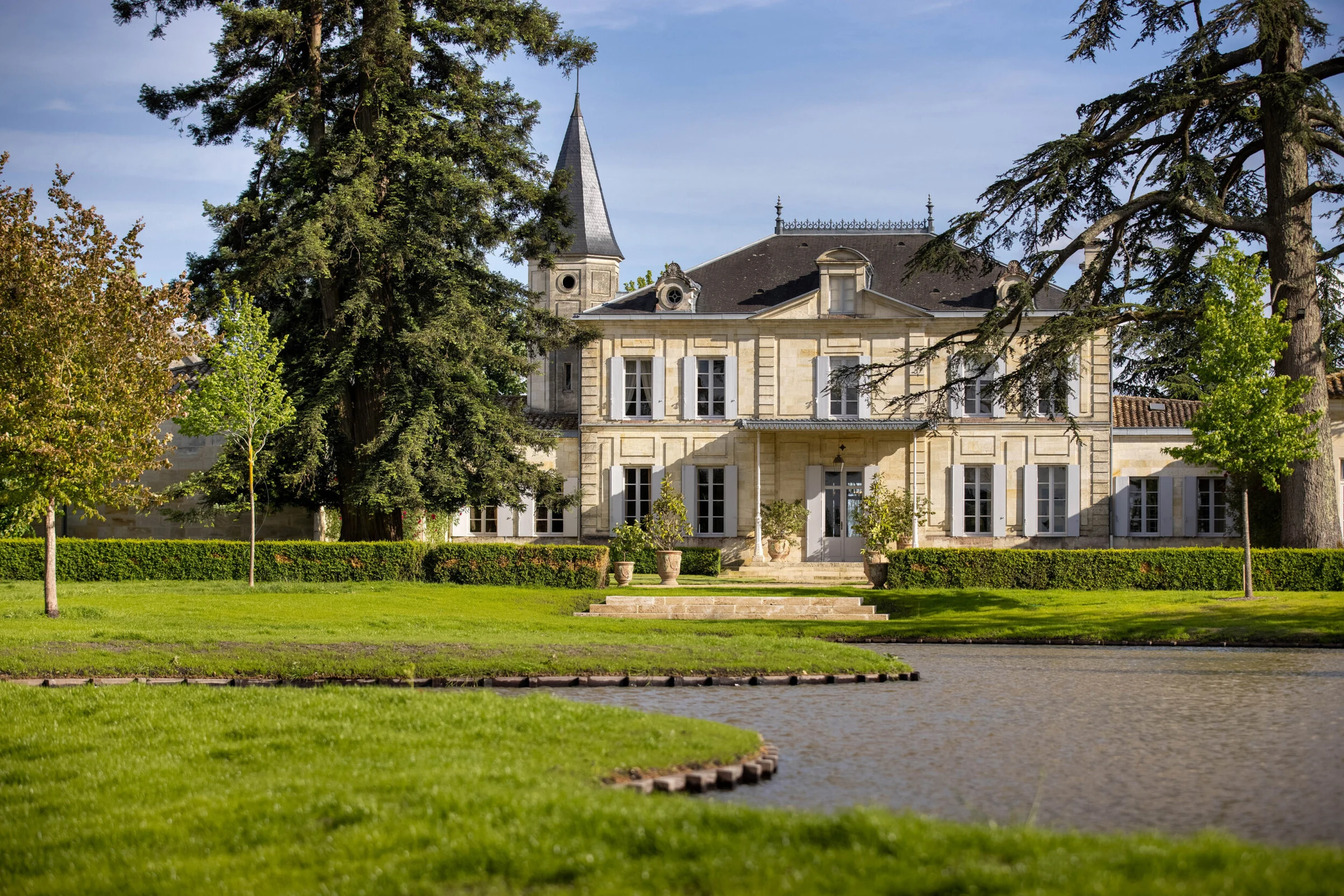
| Château Cheval Blanc | Saint-Émilion | · |
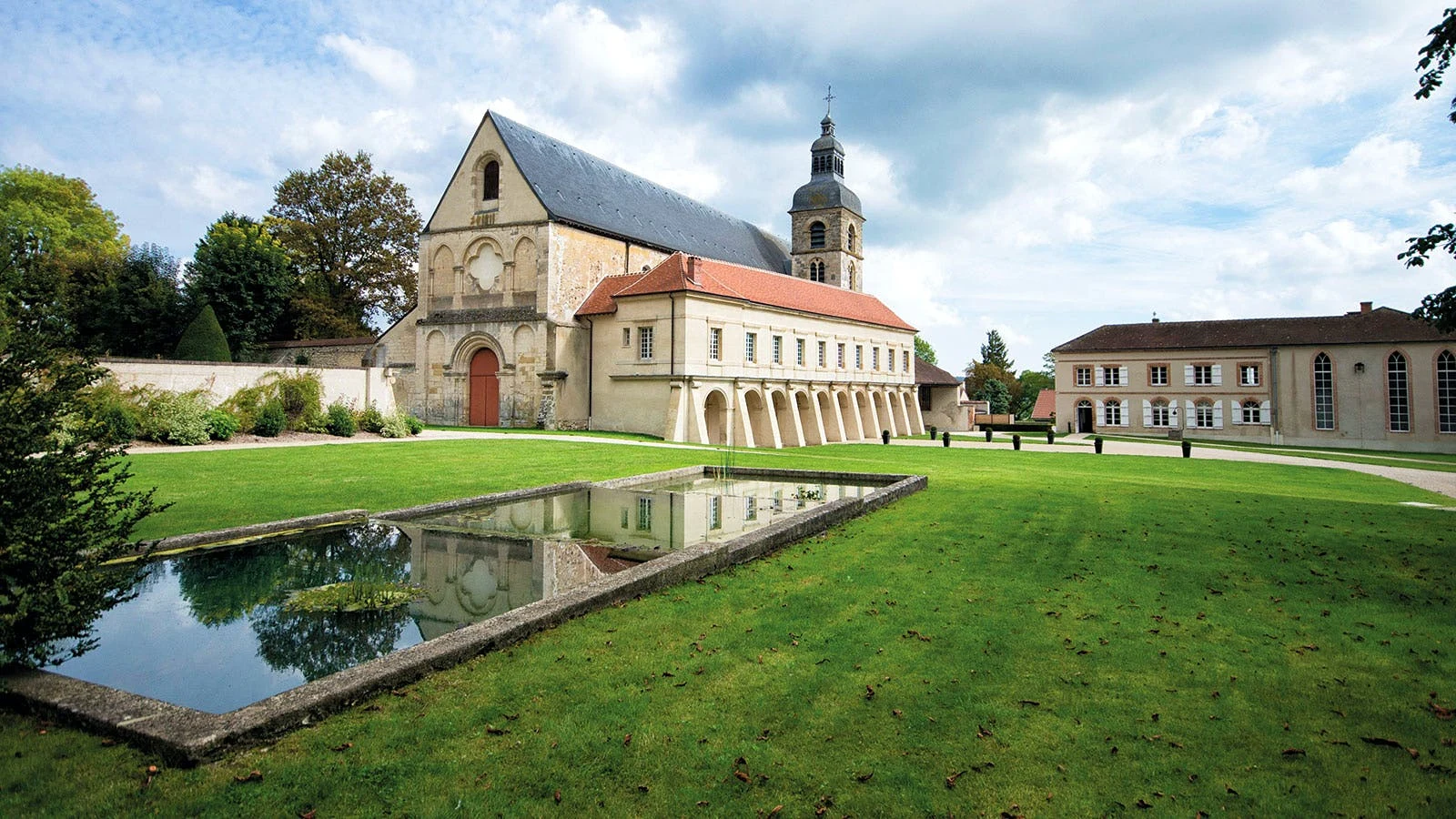
| Dom Pérignon | Hautvillers | · |
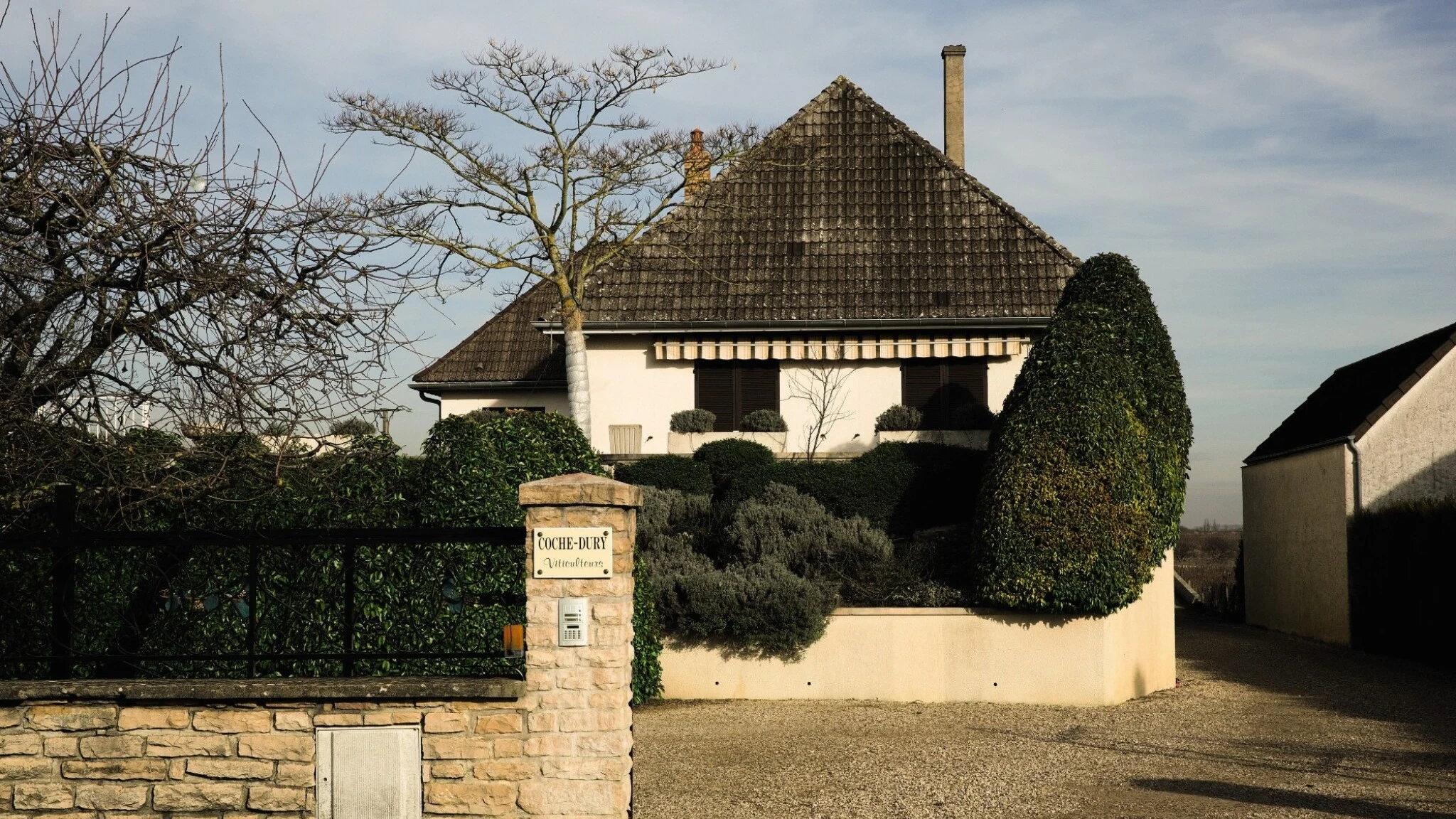
| Domaine Coche-Dury | Meursault | · |
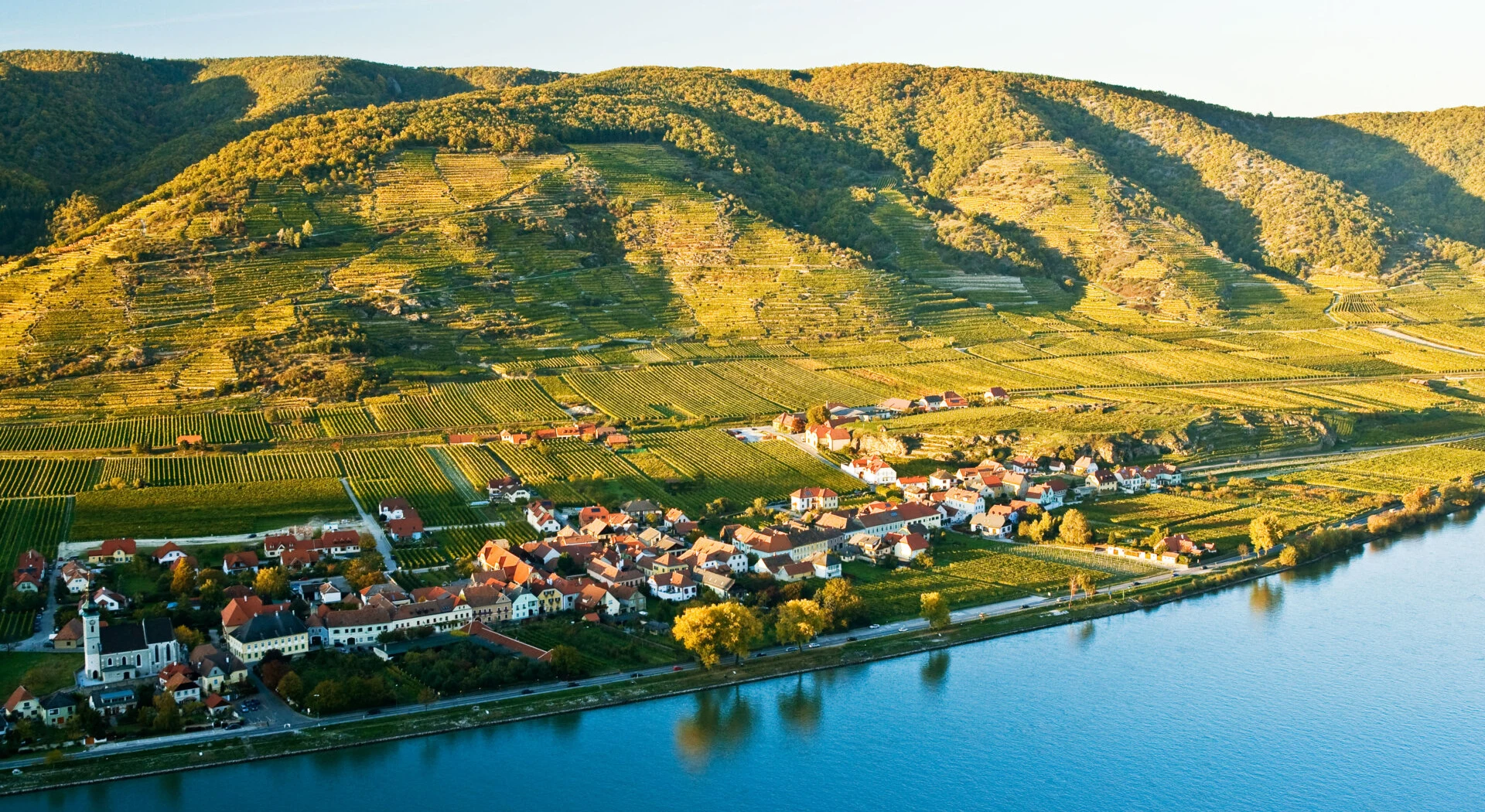
| Domäne Wachau | Dürnstein | World's 50 Best |
| Felton Road Wines | Bannockburn | World's 50 Best |
| Masi | Sant'Ambrogio di Valpolicella | · |