Plénitude
In Residence
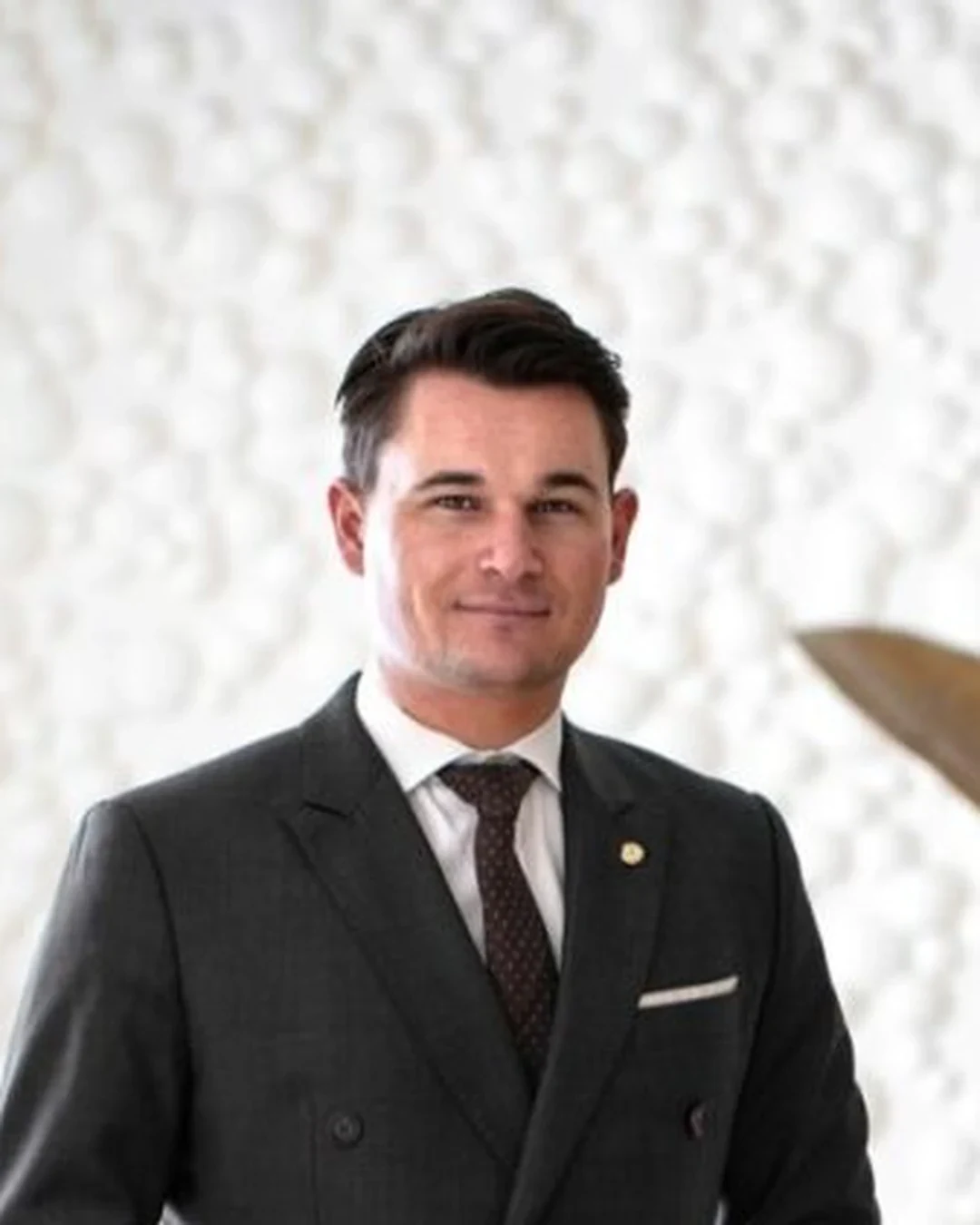
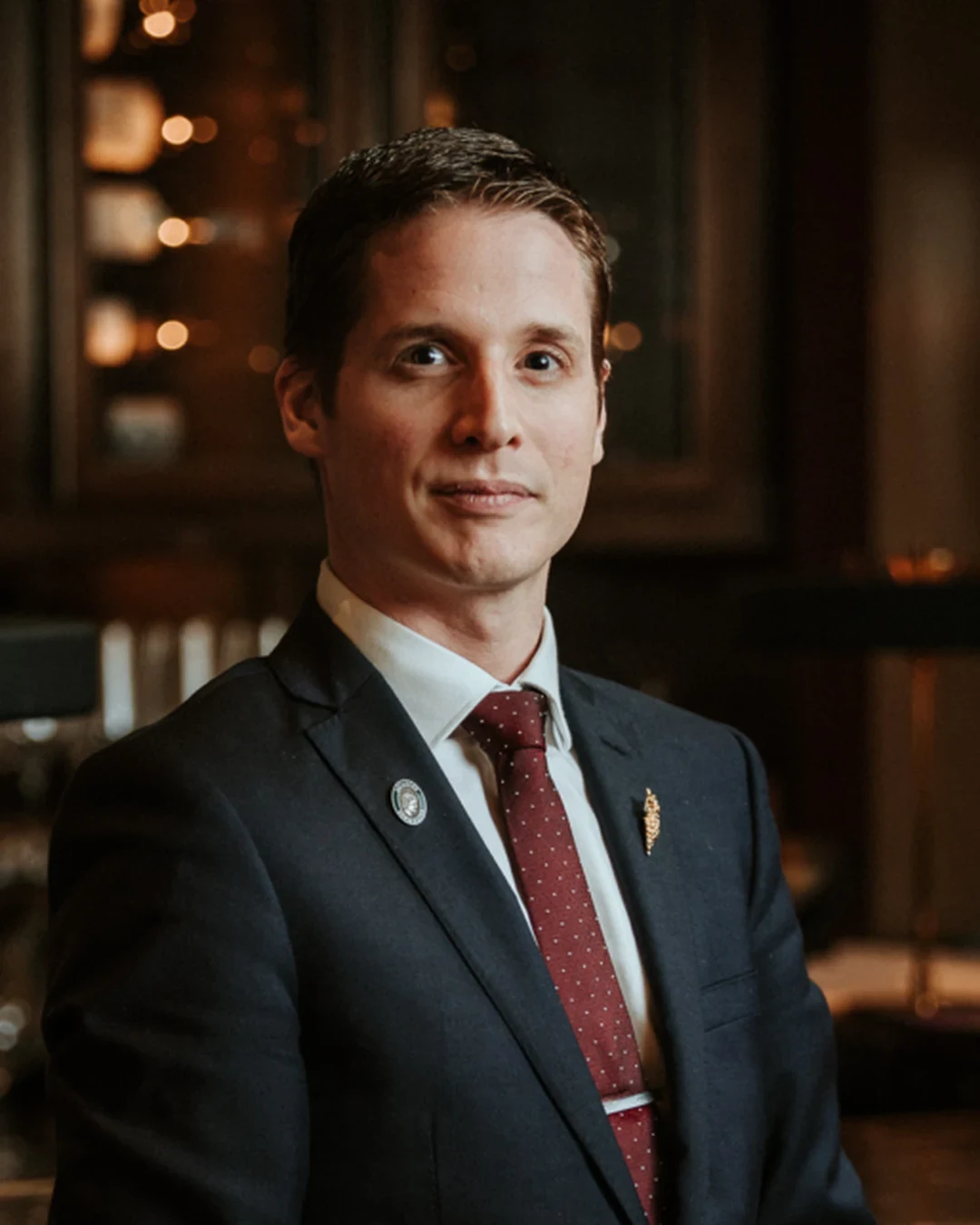
Alexandre Larvoir
General Manager
- 01CuisineModern French Sauce-Led Fine Dining
- 02CityParis, France
- 03RecognitionThree Michelin Stars
From the people index
Recommended by
2 trusted voices point here.
- 3 Michelin Stars · Michelin Guide
- World's 50 Best · #14 · World's 50 Best Restaurants
- Michelin 3 Stars · 2026
- Opinionated About Dining Classical in Europe Ranked #1 · 2026
- Falstaff Restaurant - 100 Falstaff Points · 2026
- La Liste Top Restaurants: 99pts · 2026
- Michelin 3 Stars · 2025
- The Best Chef Three Knives · 2025
- Gault & Millau Exceptional Restaurant: 19pts · 2025
- La Liste Top Restaurants: 99pts · 2025
- World's 50 Best Best Restaurants #14 · 2025
- Opinionated About Dining Classical in Europe Ranked #1 · 2025
- World's 50 Best Best Restaurants #18 · 2024
- Michelin 3 Stars · 2024
Where Paris Fine Dining Meets the River Seine
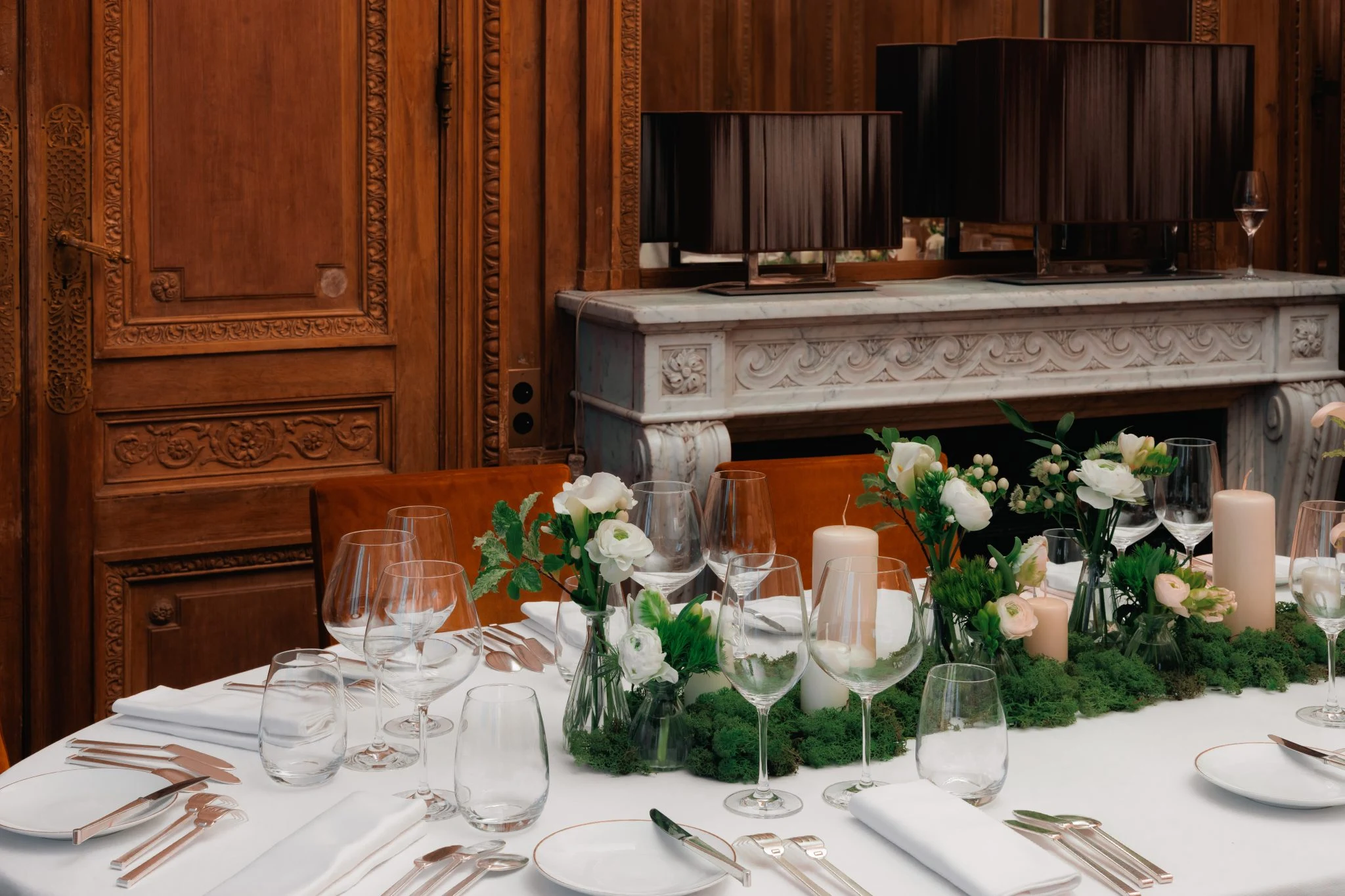
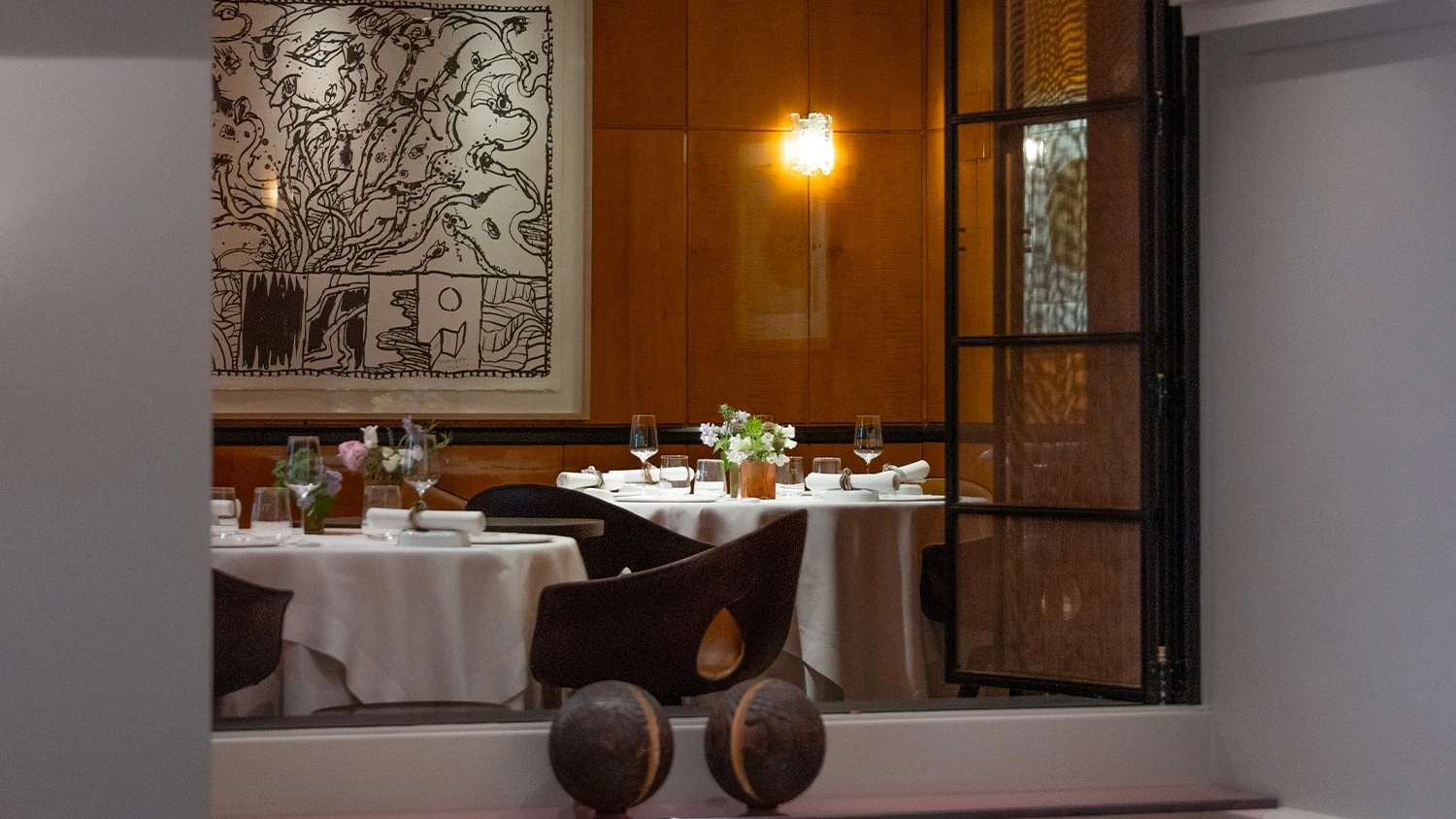
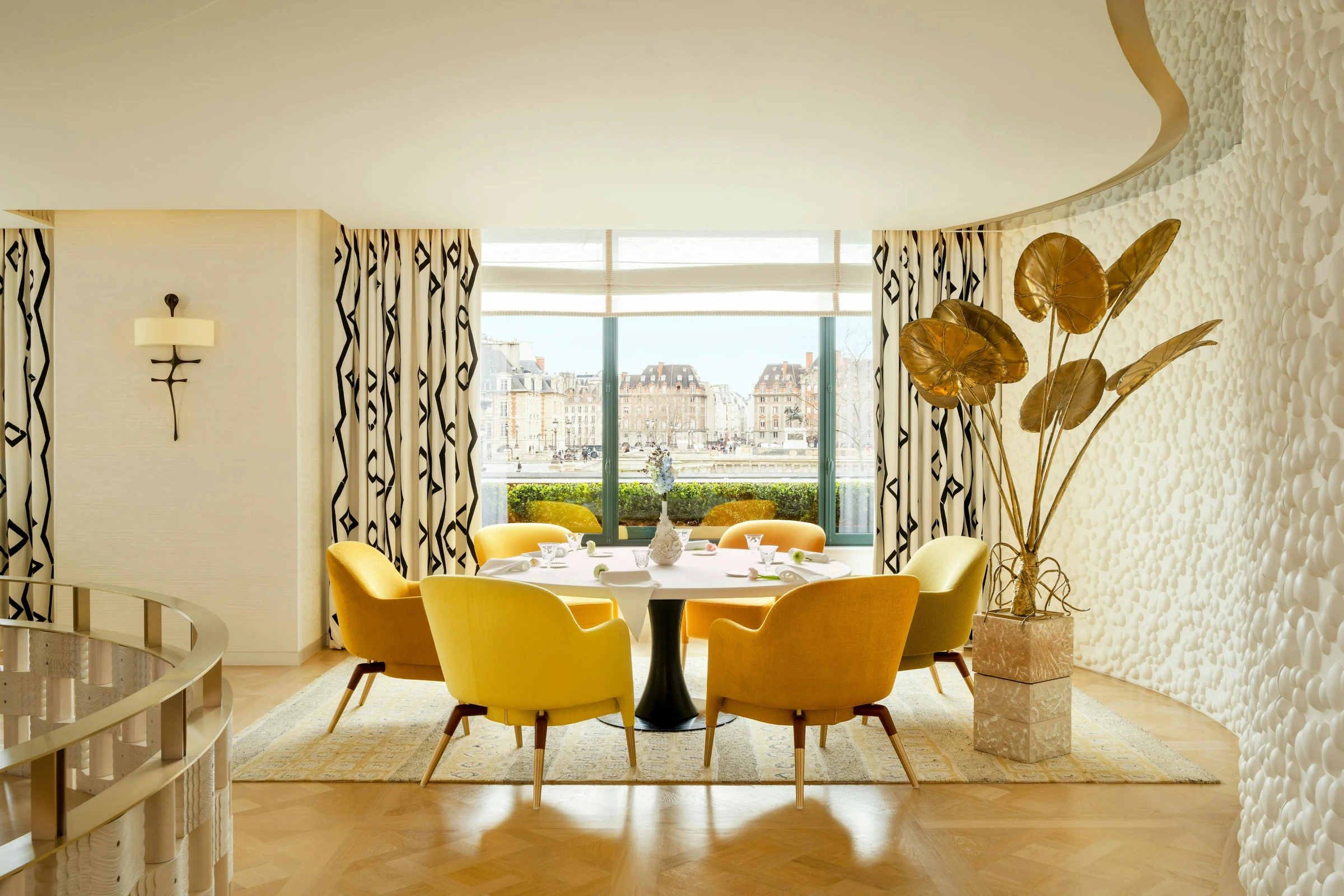
Plénitude is a three-Michelin-star restaurant in Paris, at 8 Quai du Louvre, 75001 Paris, France, and ranks #14 on World's 50 Best Restaurants. When LVMH reimagined the building as Cheval Blanc Paris, it preserved the Art Nouveau and Art Deco bones while installing one of the city's most ambitious hotel dining programmes at the address. Plénitude sits within that project, facing Pont Neuf from every table in its split-level dining room, with the Seine below and the Île de la Cité beyond.
Paris carries more three-Michelin-star restaurants per square kilometre than almost any other city, which means that any table claiming the top tier, alongside Alain Ducasse au Plaza Athénée, Le Grand Restaurant, and the creative addresses on the Champs-Élysées corridor, must establish its own logic. Plénitude's logic is the sauce. Not garnish, not protein, not the vegetable arranged around a centrepiece: the sauce itself is the organising principle of each plate, and everything else is arranged to carry it.
The Cellar as First Course
For a page structured around the wine programme, the sequence of service at Plénitude is worth examining before the food. Guests begin their evening not at the table but in the cellar, a deliberate editorial decision built into the choreography of the meal. The visit frames the wine selection as a prologue rather than an afterthought, and it signals the weight the kitchen and front-of-house place on what arrives in the glass alongside the sauce-led menu.
At addresses like Sur Mesure, the drink programme exists as a technical complement to the tasting format. At Plénitude, the cellar visit is woven into the narrative arc of the evening, placing wine selection at the same level of intention as the written sauce recipes guests receive at the end of service. The pairing logic at this level of French fine dining typically leans toward Loire whites and aged Burgundy for sauce-forward menus, though the specific selections here are documented by the sommelier team rather than prescribed in advance.
Alexandre Larvoir, who directs the restaurant floor, oversees a team trained to bring considered engagement rather than formal distance. That tone carries into wine service: the cellar visit is designed to be a conversation, not a ceremony, which matters when the menu's core conceit, sauce as protagonist, demands that pairings respond to liquid textures as much as to protein categories.
What Arrives at the Table
The seven-course tasting menu at Plénitude reflects Arnaud Donckele's approach in concrete terms. Sardine arrives with a green Eden sauce described as piquant; langoustine is paired with an airy sabayon. In both cases the framing is consistent: the sauce carries the dish's identity. Donckele's bouillons, consommés, sabayons and vinaigrettes are detailed in written form for guests to take home, a practice that turns recipe transparency into part of the dining format and marks a different stance from the closed-kitchen mystique that still defines some of Paris's more classical three-star tables.
That document, the sauce recipes, also functions as the clearest statement of what separates Plénitude from peers like Neige d'Eté or the naturalist current represented by Maison Sota Atsumi. Where those addresses build around product and reduction, Plénitude builds around the cooked liquid as a craft object in its own right, a tradition with deep roots in classical French technique, from the brigade kitchens of Escoffier through the multi-generational houses like Troisgros and Auberge de l'Ill, but here applied with a contemporary insistence on articulating the methodology to the guest.
The Pastry Programme and the Cheese Cave
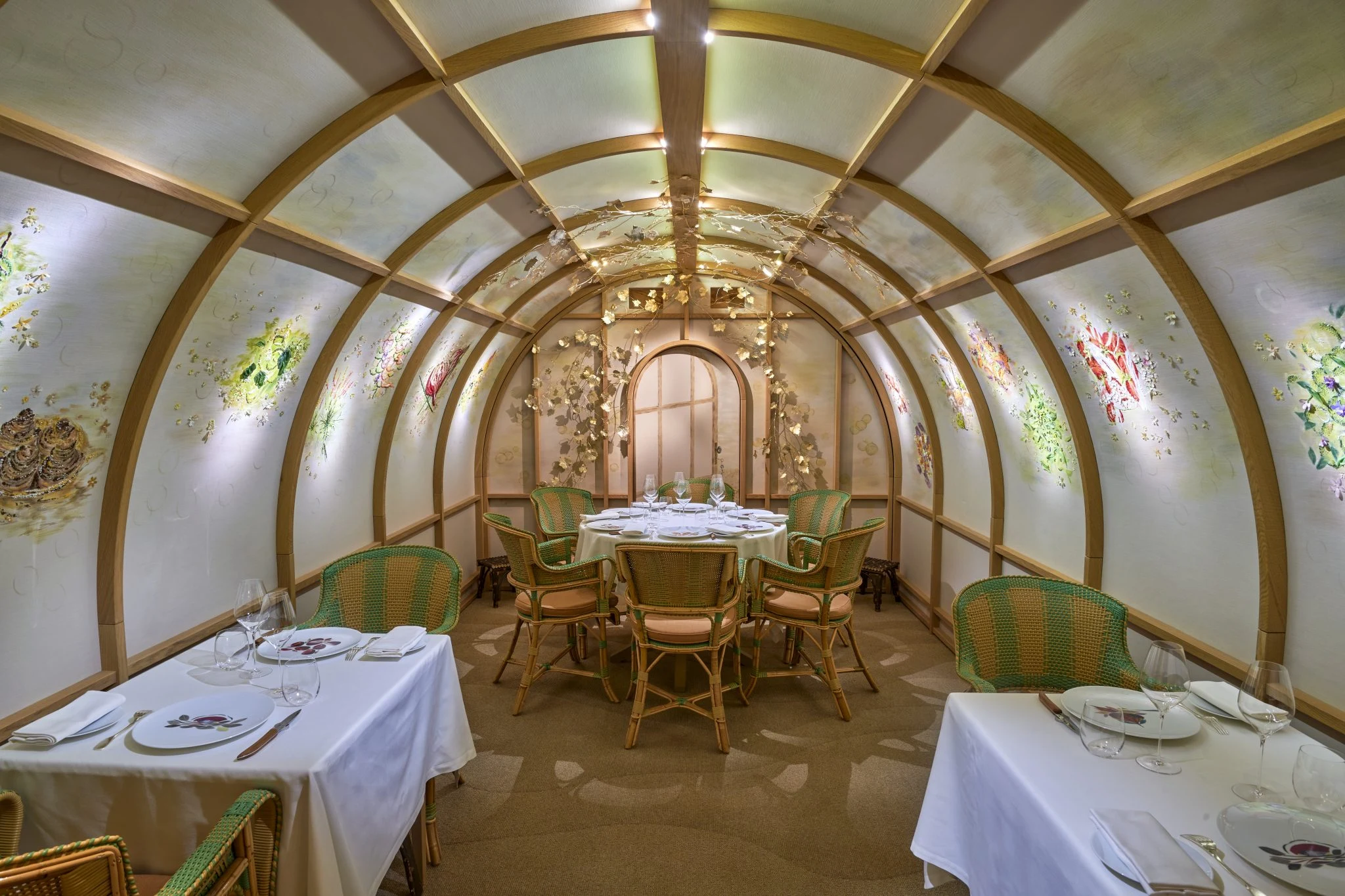
Two elements of Plénitude's format deserve separate attention because they function as distinct destinations within the meal. The cheese course involves a physical move: guests are invited into an adjacent room described as a 'secret' cheese cave, where they select vintage plateware alongside their fromages. The theatre is contained and purposeful, it adds a spatial dimension to the meal without the forced spectacle that occasionally afflicts multi-room tasting formats at other addresses.
The dessert and bread sequence is overseen by Maxime Frédéric. In a city defined by its relationship with pâtisserie, that credential carries specific weight: Paris has no shortage of technically accomplished pastry chefs, and a globally recognised award signals peer recognition from outside the domestic frame.
The bread selection, often the element most revealing of a kitchen's underlying philosophy, receives the same attention as the dessert programme. At the level of contemporary French fine dining represented by Flocons de Sel or Mirazur, bread service has become a medium for producer relationships and fermentation technique. Here it falls under Frédéric's brief, consolidating sweet and savoury in a single authorial voice.
Where Plénitude Sits in the Ranking Picture
Awards data for Plénitude is unusually concentrated at the top of the available rankings. Three Michelin stars. World's 50 Best Restaurants at number 14. La Liste scores of 99 points in both 2025 and 2026. Opinionated About Dining ranked it first among classical European restaurants in both 2024 and 2025.
That last recognition is worth pausing on. OAD's classical European ranking draws on a large, critic-weighted survey, and first place in consecutive years against a field that includes Paul Bocuse and Bras represents a specific kind of endorsement: recognition from a community whose primary value is classical technique executed at the highest level, rather than innovation or concept. The same community has historically favoured addresses like Abbaye de la Celle and Auberge du Père Bise for similar reasons.
Within the Paris peer group at the €€€€ tier, Plénitude's trajectory across these rankings places it above Alléno Paris au Pavillon Ledoyen and Pierre Gagnaire on the 50 Best list, and level with Le Cinq at the Four Seasons George V in Michelin terms. The La Liste score of 99 points in 2026 makes it one of the highest-rated addresses in France by that index.
The Dining Room and the View
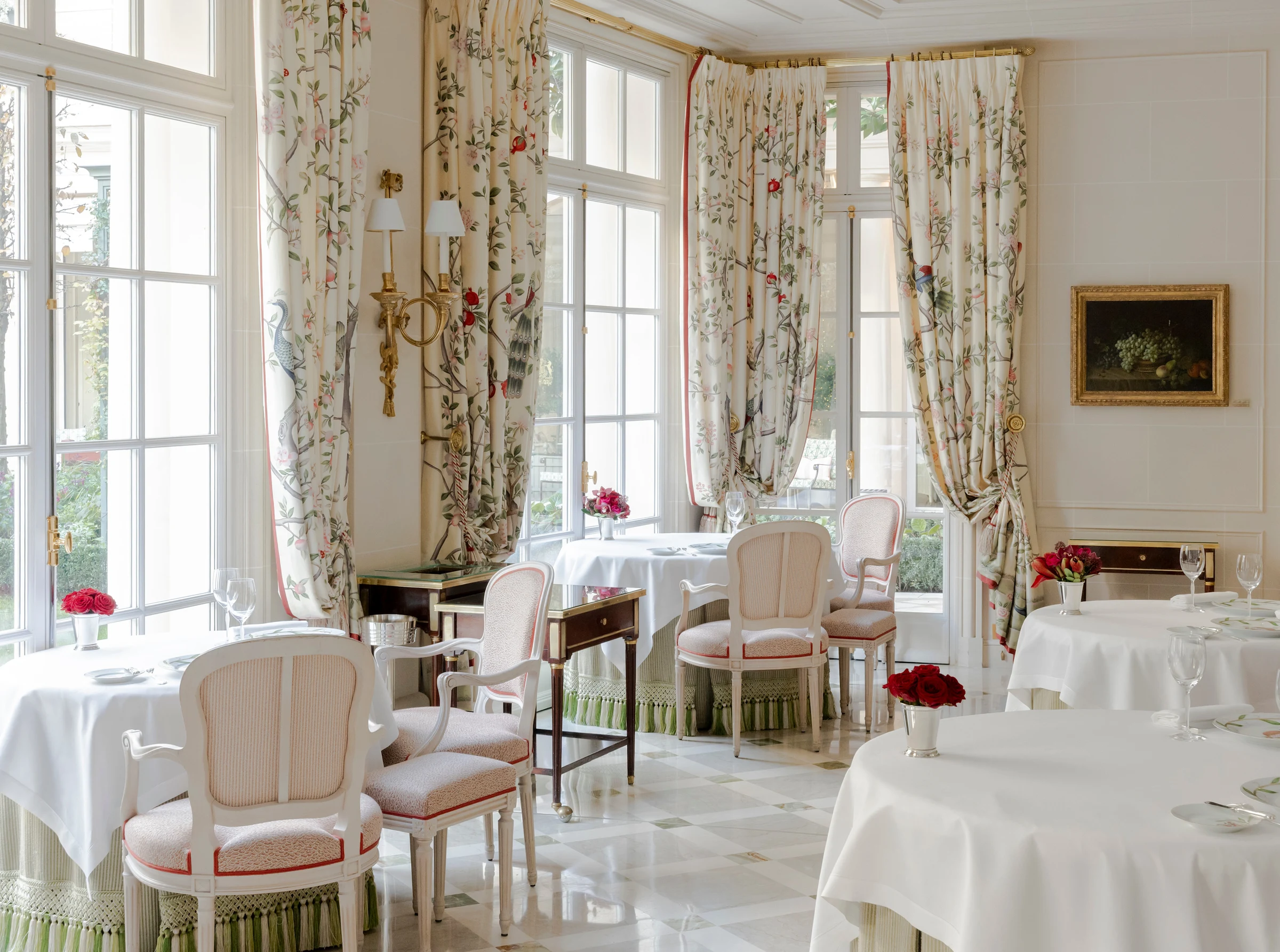
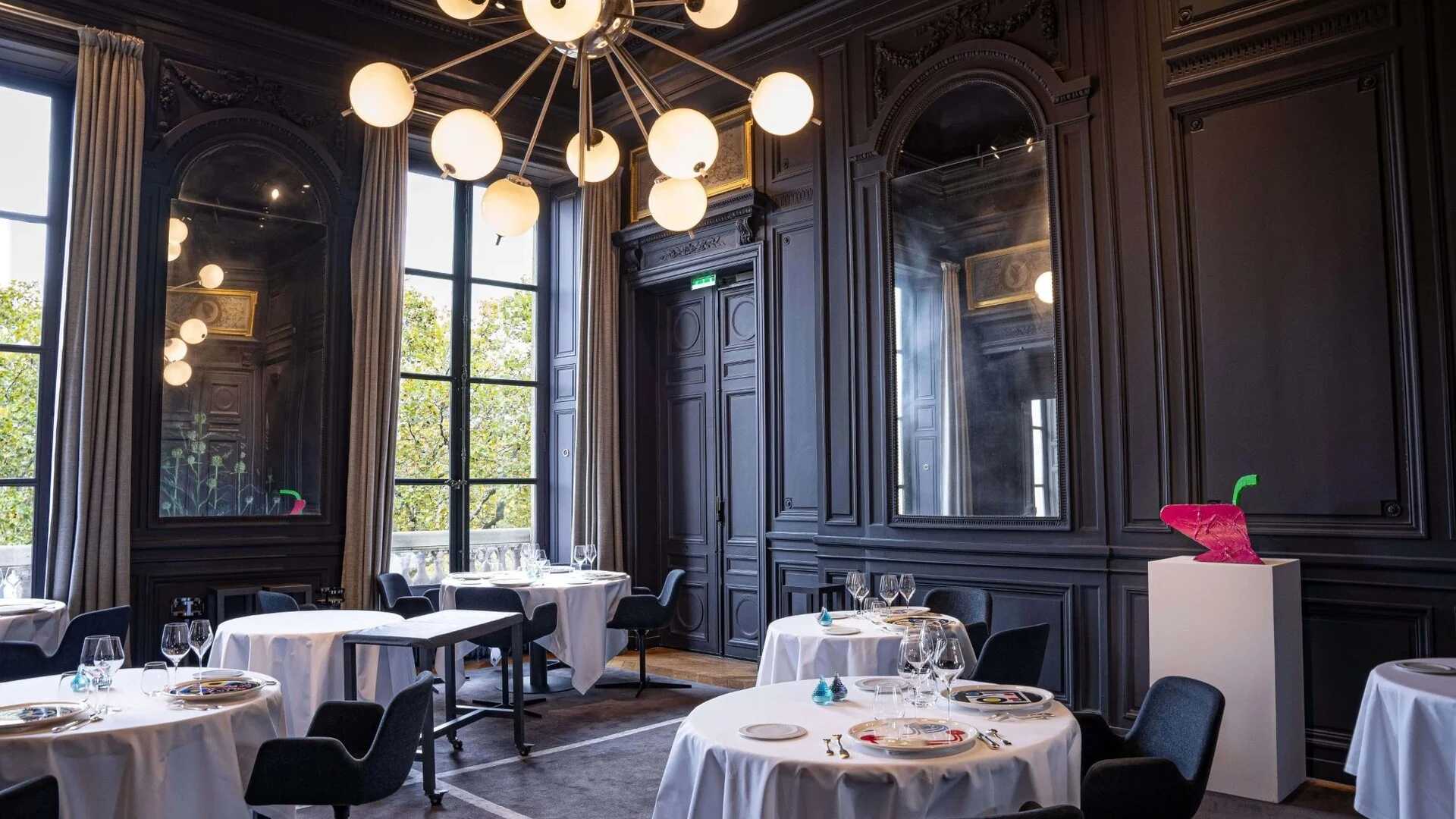
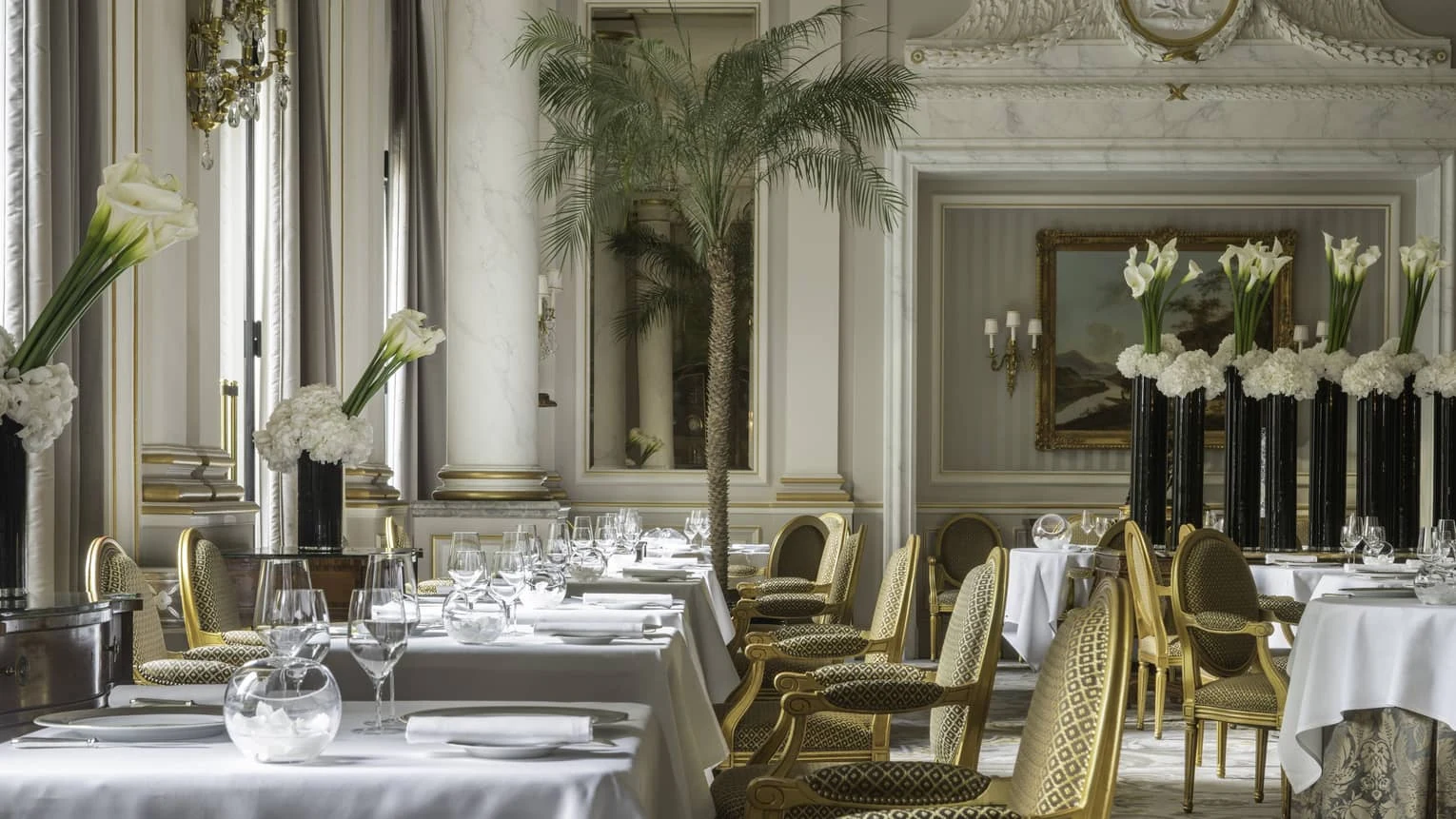
The split-level format of the dining room means that the Seine views are distributed across the space rather than concentrated at a single window row. The historic La Samaritaine building provides an architectural frame with genuine visual weight: Art Nouveau ironwork and the restored facade give the room a context that a purpose-built hotel dining room cannot replicate. The address, 8 Quai du Louvre, faces Pont Neuf directly, one of the most photographed bridges in Paris, though the dining experience is calibrated to make the view incidental rather than the meal's main event.
Know Before You Go
- Address: 8 Quai du Louvre, 75001 Paris, France
- Price range: €€€€
- Open: Tuesday–Saturday, 7:30 pm–1 am
- Closed: Monday and Sunday
- Format: Seven-course tasting menu
- Setting: First floor of Cheval Blanc Paris, La Samaritaine building
- Awards: Michelin 3 Stars (2024, 2025); World's 50 Best #18 (2024); La Liste 99pts (2025, 2026); OAD Classical Europe #1 (2024, 2025)
Questions
Frequently asked
What recognition does Plénitude hold?
Plénitude holds 3 Michelin stars and a place on the World's 50 Best list at number 14.
Who works at Plénitude?
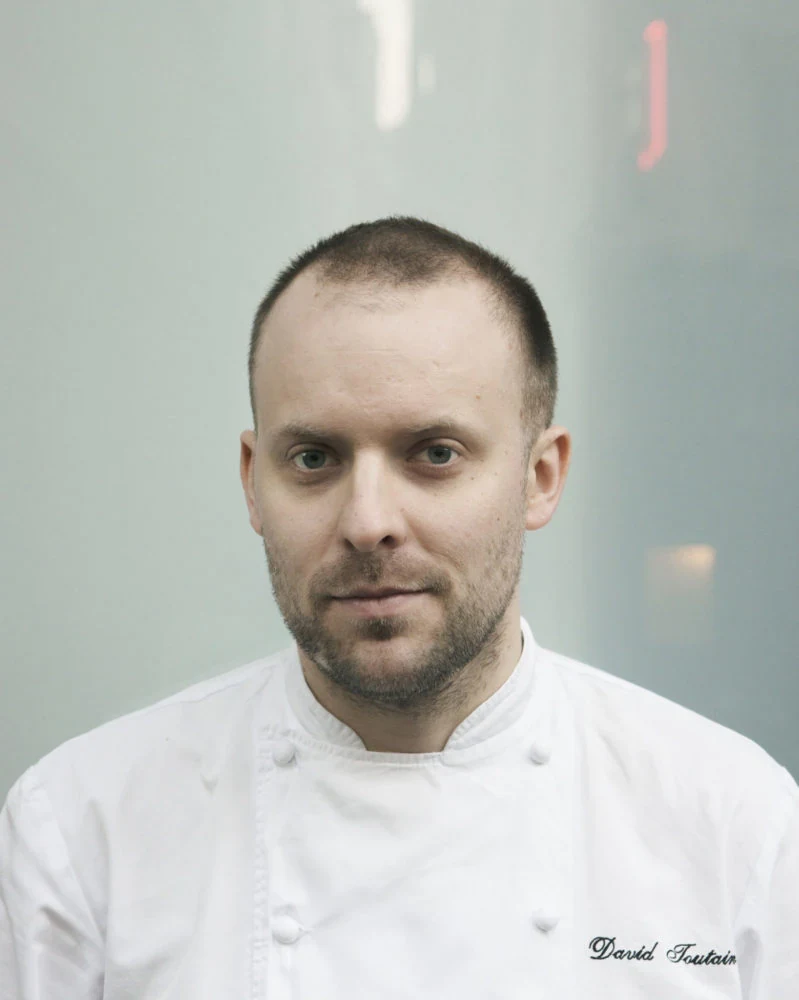
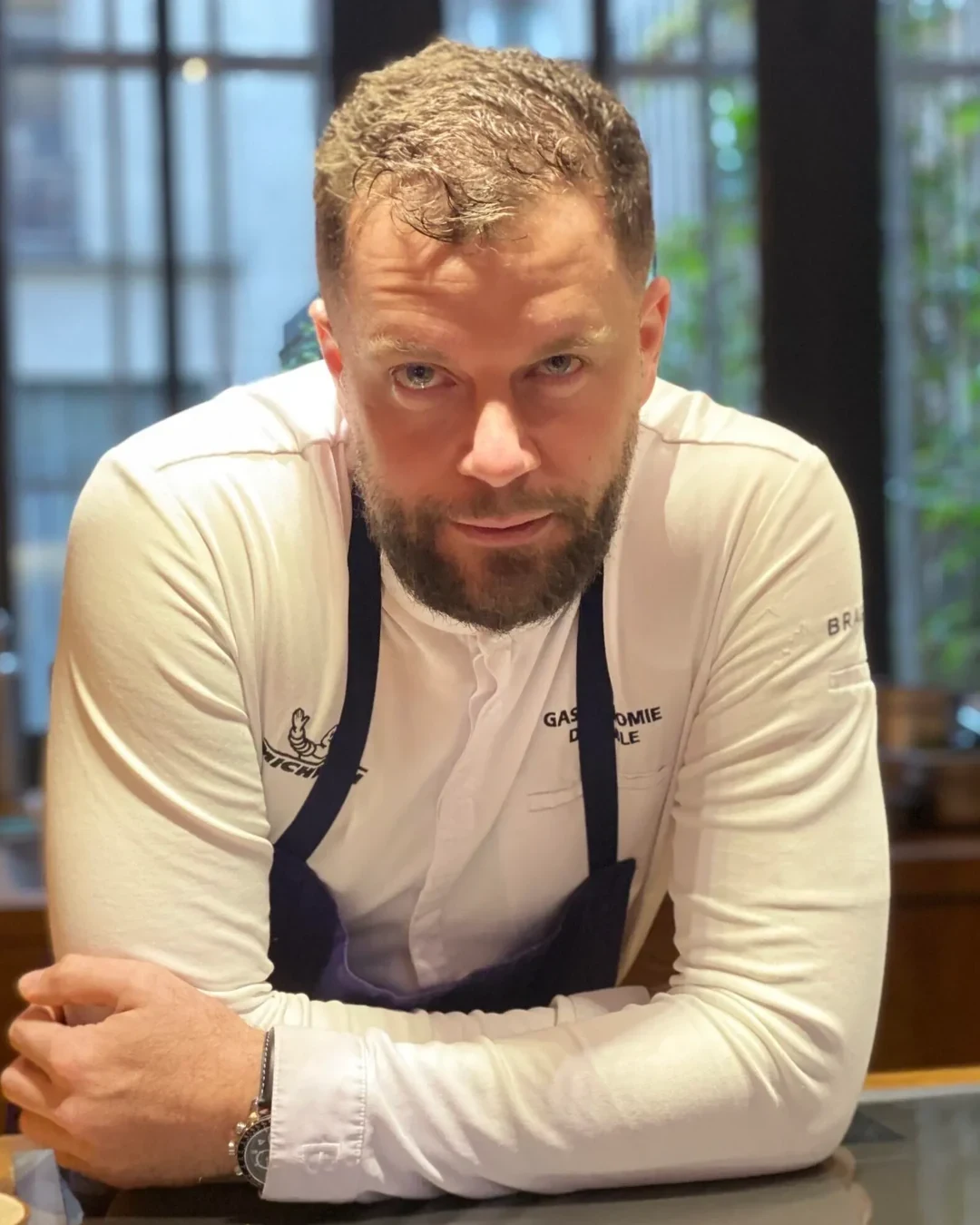
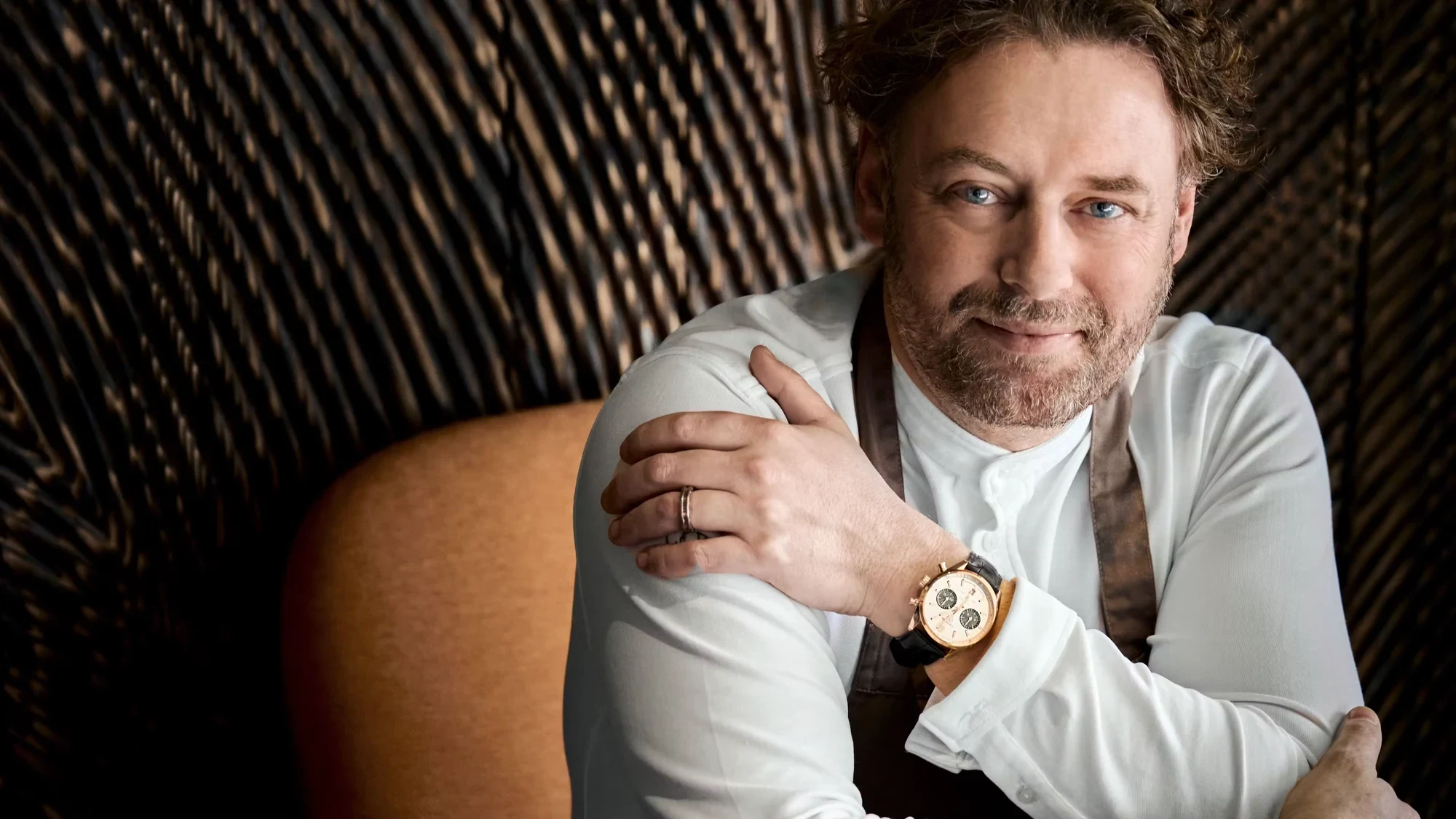
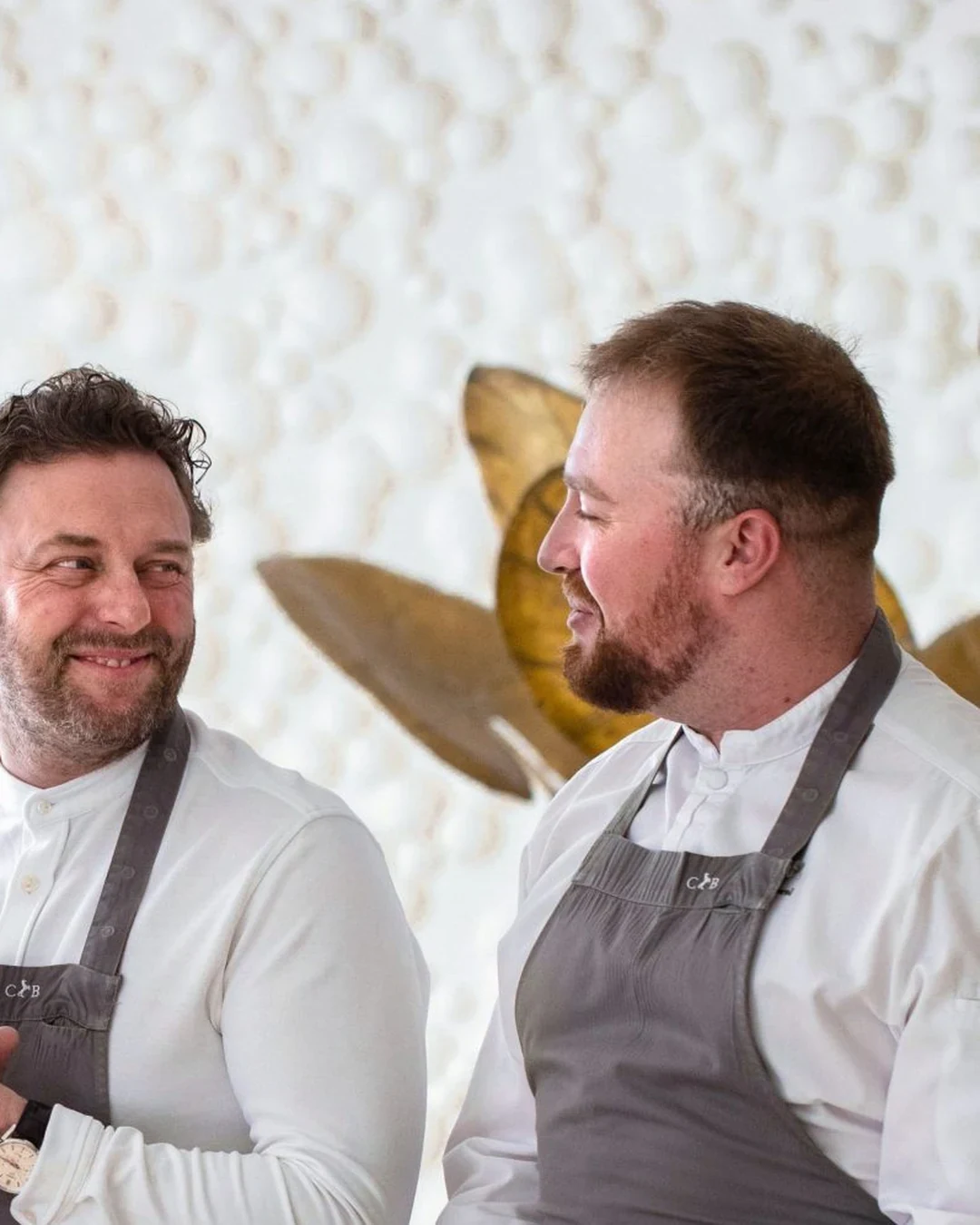
Made By profiles Alexandre Larvoir (Director, Plénitude / Cheval Blanc Paris), Arnaud Donckele (Chef, Cheval Blanc Paris / Plénitude) and Clément Bécherel (Chef, Plénitude / Cheval Blanc Paris) at Plénitude.
How expensive is Plénitude?
Plénitude is listed at a price level of $$$$.
Where is Plénitude and what does it serve?
Plénitude is in Saint-Germain-l'Auxerrois, Paris, serving Modern French Sauce-Led Fine Dining.
The field
How it compares
| Place | Awards | Cuisine | Notes |
|---|---|---|---|
| Plénitude | Michelin 3 Stars, World's 50 Best #14 | Modern French Sauce-Led Fine Dining | Saint-Germain-l'Auxerrois, $$$$ |
| Arpège | Michelin 3 Stars, World's 50 Best | Vegetable-Focused French Fine Dining | Paris |
| Epicure | Michelin 3 Stars | Contemporary French Fine Dining | Paris |
| Guy Savoy | Michelin 2 Stars, World's 50 Best | Classic French Fine Dining | Paris |
| Le Cinq | Michelin 3 Stars, World's 50 Best | Modern French Fine Dining | Paris |
| Le Taillevent | Michelin 2 Stars, World's 50 Best | Classic and Modern French Fine Dining | Paris |
| Pierre Gagnaire | Michelin 3 Stars, World's 50 Best | Avant-Garde French Fine Dining | Paris |
In residence

Similar places
Vegetable-Focused French Fine Dining
Arpège
Paris, France
★★★ · 50 Best
Contemporary French Fine Dining
Epicure
Paris, France
★★★
Classic French Fine Dining
Guy Savoy
Paris, France
★★ · 50 Best
Modern French Fine Dining
Le Cinq
Paris, France
★★★ · 50 Best
Classic and Modern French Fine Dining
Le Taillevent
Paris, France
★★ · 50 Best
Avant-Garde French Fine Dining
Pierre Gagnaire
Paris, France
★★★ · 50 Best