PRESTAU
- 01CuisineModern Italian with Seasonal Japanese Ingredients
- 02CityOsaka, Japan
Monthly courses, Italian bones
- Michelin Bib Gourmand · Michelin Guide
- Michelin Bib Gourmand · 2026
- Michelin Bib Gourmand · 2025
- Michelin Plate · 2024
Nineteen years brought to the counter
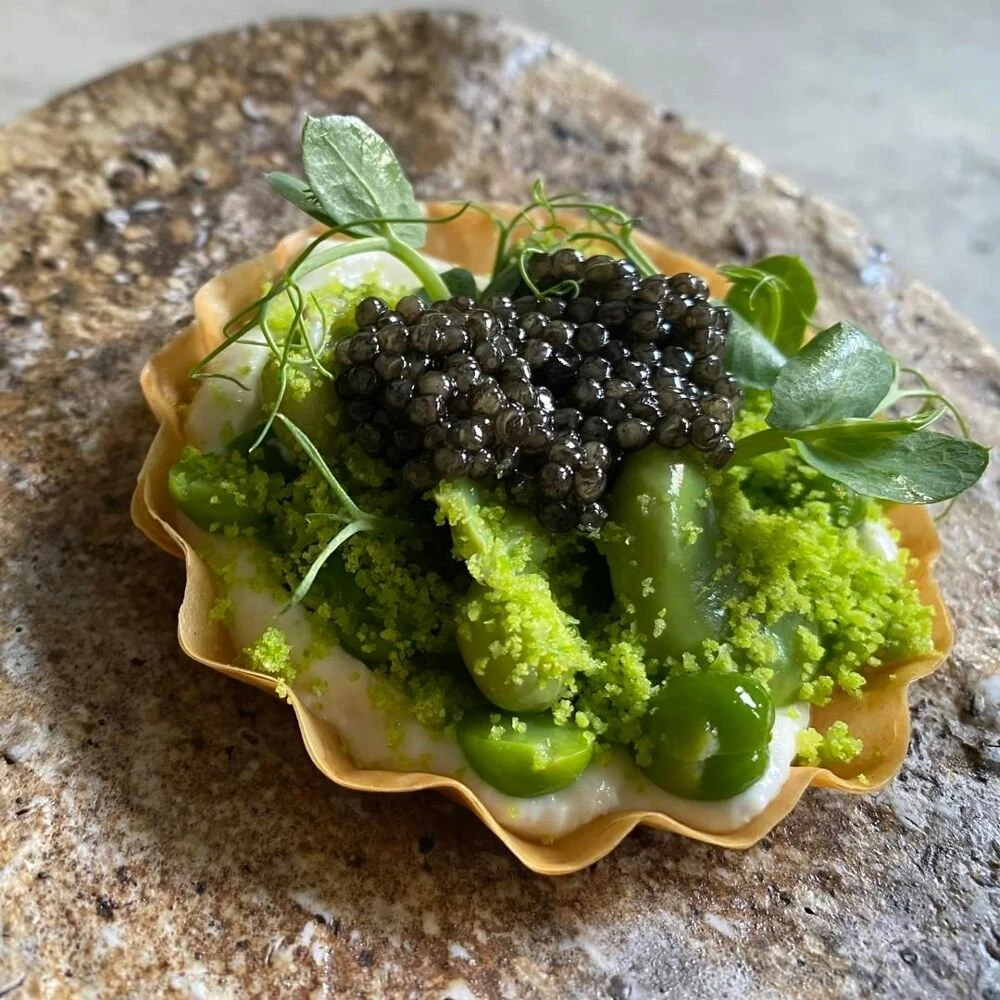
With restraint, not display, the pasta work at PRESTAU in Osaka begins in a room built around seasonal Japanese ingredients and close counter service. The restaurant opened in Shinmachi, Nishi Ward, on April 18, 2023, and the cooking keeps its scale intimate: modern Italian structure, Japanese produce, a set-menu rhythm, and a chef-led pass where the plate is the main decoration. The kitchen’s stated formation is nineteen years of Italian cooking, and one review places the owner-chef formerly at Ponte Vecchio, an Italian restaurant in Osaka. At PRESTAU, that background meets a different brief. The house describes a chef with 19 years of Italian experience, and the plates lean into that length of practice without making the room feel formal for its own sake. Gnocchi can carry Noda duck, pumpkin, and porcini mushrooms; golden sea bream can take red wine sauce; dessert can close with tiramisu or black fig cheesecake. The method stays legible. Ingredient, sauce, temperature, and pacing do the work.
Monthly courses, Italian bones
PRESTAU works through courses rather than a broad à la carte spread, and the menu changes monthly. That gives the kitchen a practical discipline: appetizers set the seasonal register, pasta carries the Italian line, the main course deepens the plate, and dessert lands softly enough to leave the earlier dishes intact. The cooking is not fusion as a slogan. It is Italian grammar applied to Japanese seasonality, with fish, vegetables, pasta, and sauce arranged so that one detail does not flatten the next. A spring lunch has been described through spring ingredients; other plates have included gazpacho with octopus, water eggplant, and cucumber, Densuke conger eel with fig and Osaka elements, and linguine with mussels, watercress, and zucchini. The beverage program follows the same quiet hybridity. More than 50 wine selections sit alongside Japanese sake, with sommelier service used as a bench-side tool rather than a performance. A glass can meet the acidity of tomato, the sweetness of pumpkin, the fat of duck, or the mineral pull of sea bream. The pairing work matters because the food is built in courses, not isolated signatures.
Gray, white, and the pass
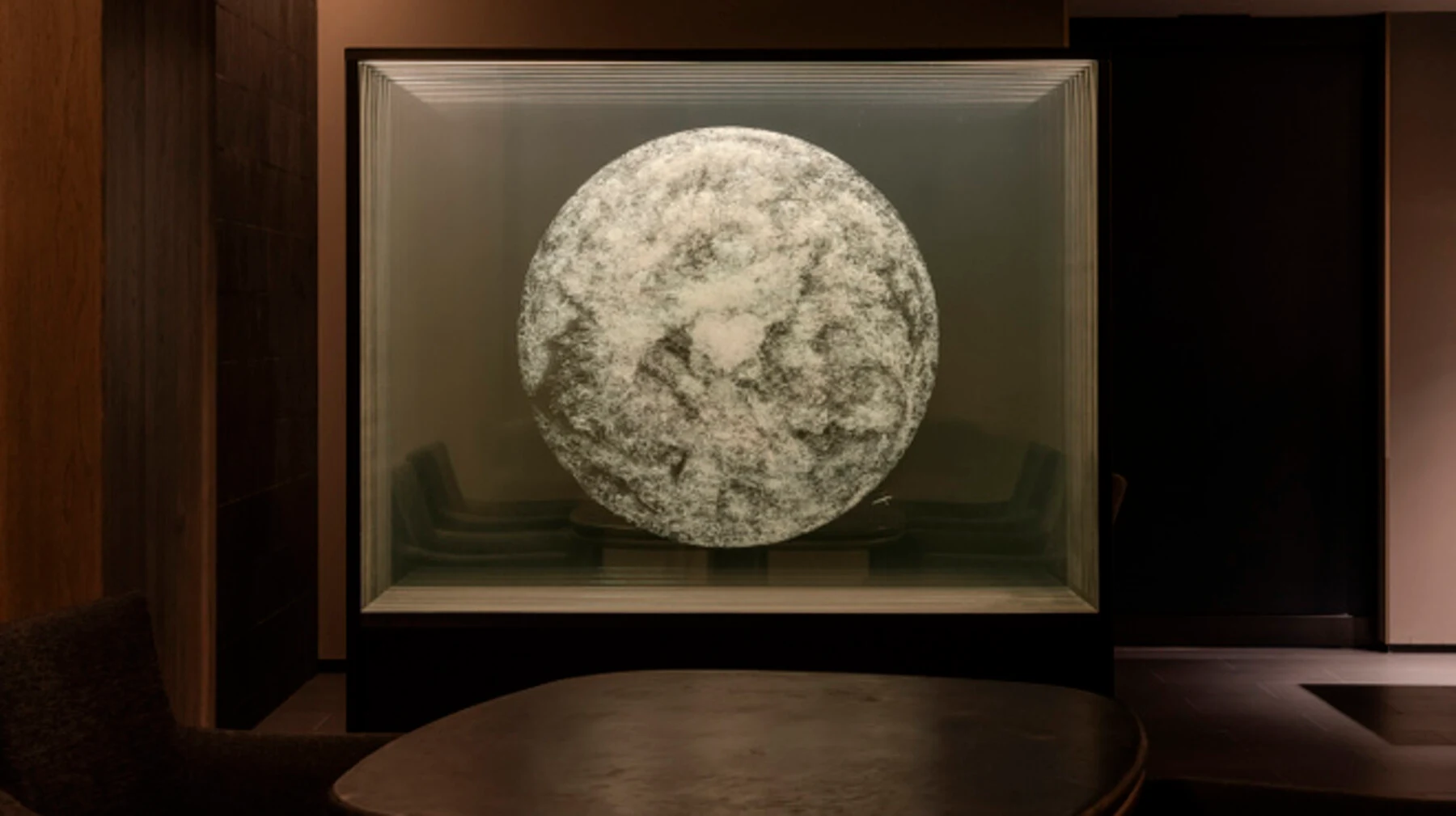
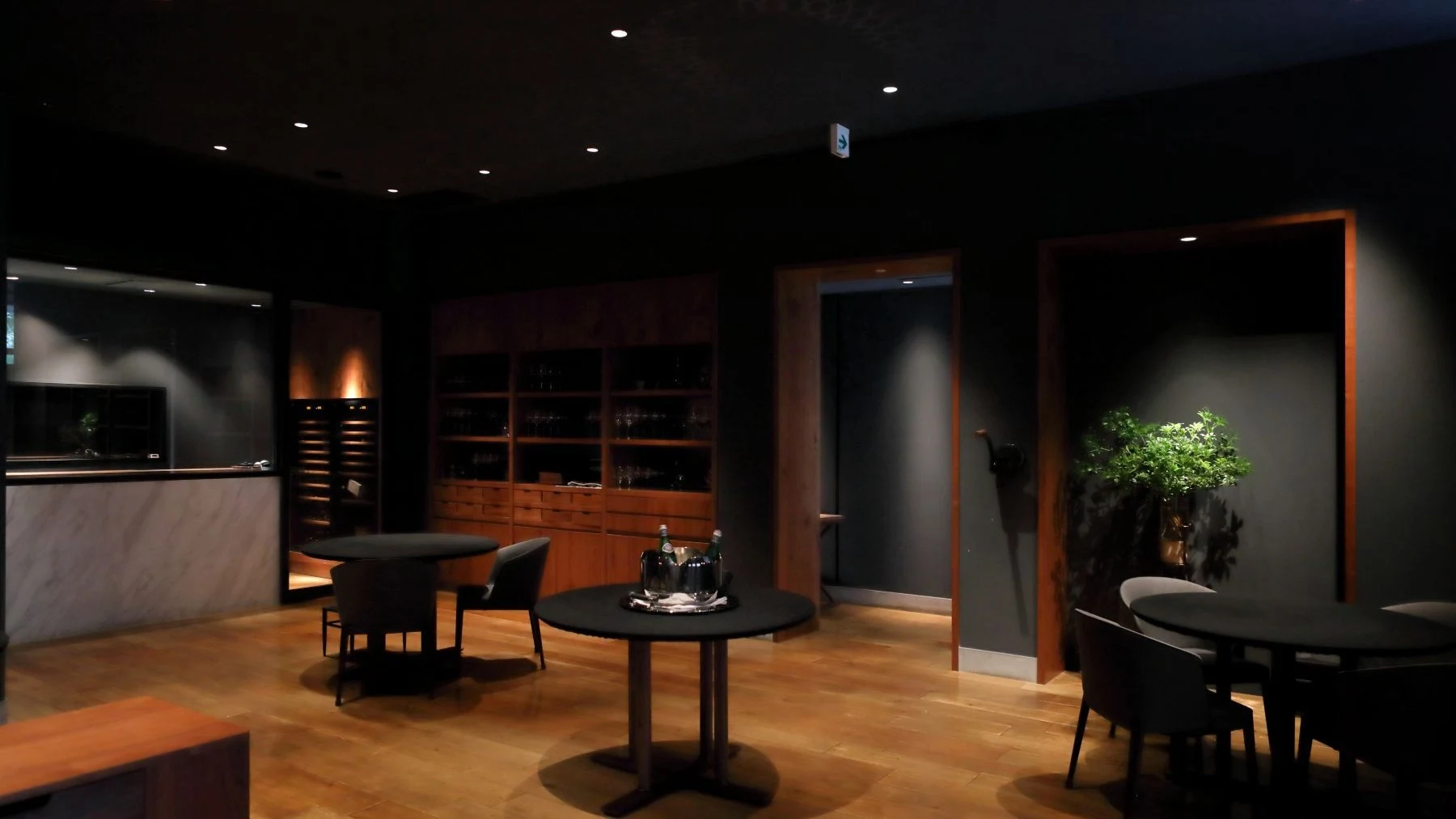
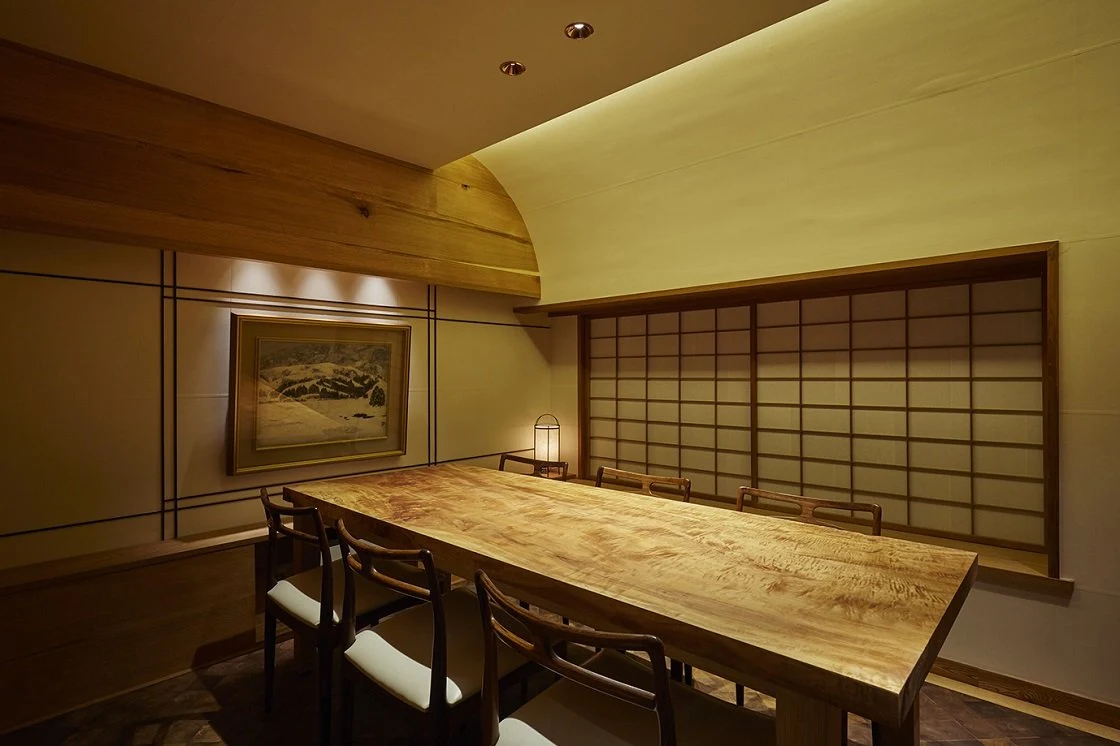
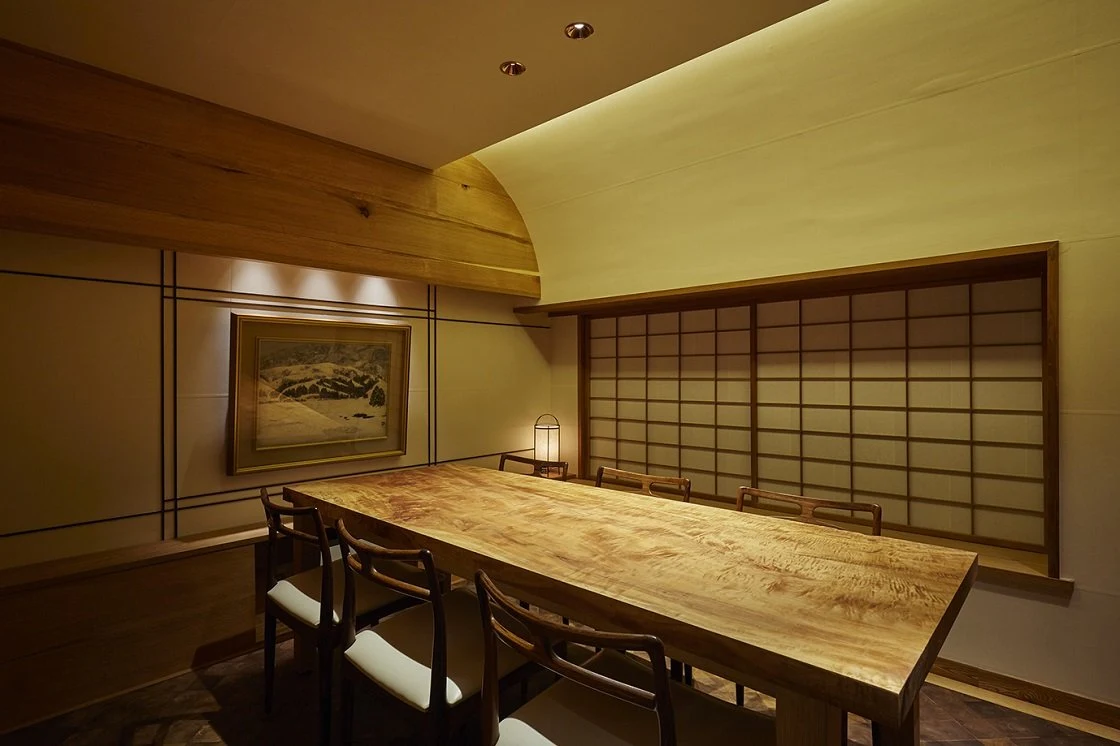
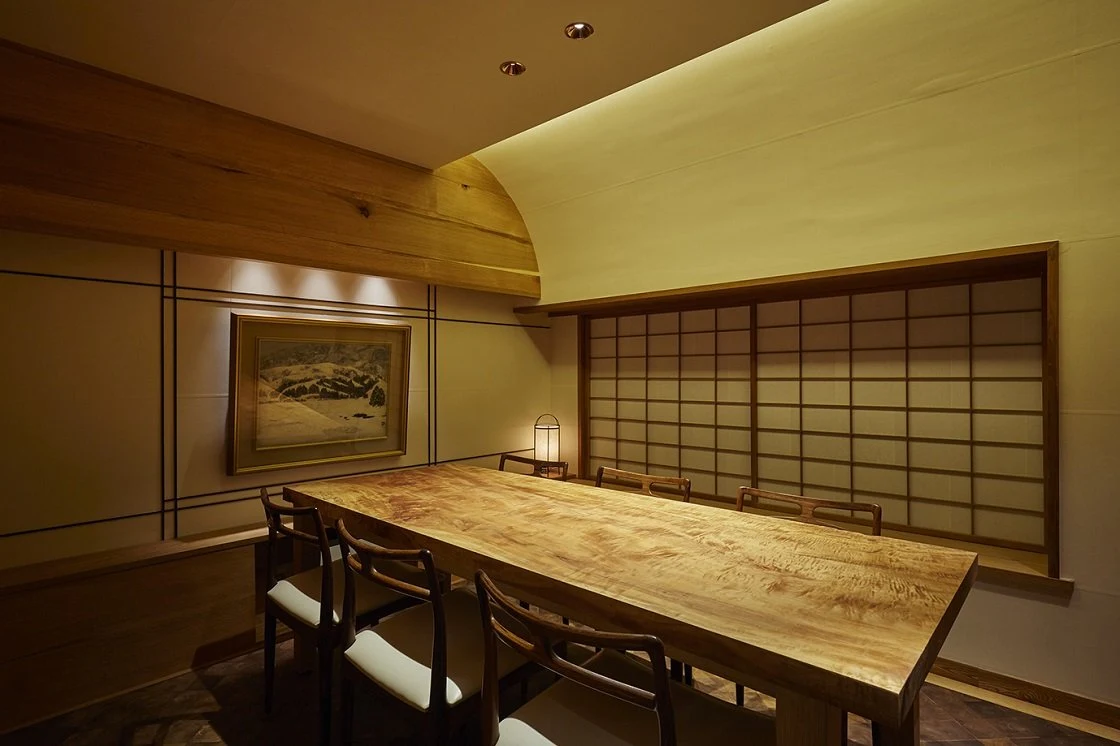
The room keeps the colors pale so the plates can carry the eye. Gray and white set the base; dried flowers soften the line; washi paper-covered seats add texture without taking over the counter. It is a calm room, quiet enough for the sound of service to register: a plate set down, a glass moved into place, a course explained without hurry. PRESTAU sits in Shinmachi rather than in a louder dining corridor, and that distance suits the work. The restaurant’s adult-hideaway language could easily tip into marketing, but the physical details keep it grounded. The pass stays close to the guest. The counter makes the kitchen’s sequence visible. The room gives the food space, then steps back.
A young room with a fixed discipline
Recognition arrived quickly: Michelin Selected in 2024, then Bib Gourmand in the 2025 Michelin Guide Japan. The room used the speed. PRESTAU has kept to the same compact grammar of seasonal courses, Italian technique, wine, sake, and a restrained interior. If the kitchen continues to change month by month, PRESTAU's set-menu rhythm will be measured in returning gestures: pasta rolled for the season, fish sauced with control, and the final spoonful of tiramisu.
Questions
Frequently asked
What kind of restaurant is PRESTAU?
PRESTAU is a restaurant in Osaka serving modern Italian cooking with seasonal Japanese ingredients. It works through courses rather than a broad à la carte menu, and the room is built around close counter service.
What is PRESTAU known for?
The kitchen is known for applying Italian technique to Japanese seasonality with a set-menu rhythm. Signature dishes include gnocchi with Noda duck, pumpkin, and porcini mushrooms, linguine with mussels, watercress, and zucchini, and golden sea bream in red wine sauce.
What recognition has PRESTAU received?
PRESTAU holds a Michelin Bib Gourmand, and the venue data also notes Michelin Selected in 2024 before that.
How should bookings be made?
Reservations are essential, and bookings are taken through TableCheck.
What is the setting like at PRESTAU?
The restaurant sits in Shinmachi, Nishi Ward, in a calm counter room with gray and white tones, dried flowers, and washi paper-covered seats. The atmosphere is quiet and close to the pass.
The field
How it compares
| Place | Cuisine | Notes | Awards |
|---|---|---|---|
| PRESTAU | Modern Italian with Seasonal Japanese Ingredients | Nishi, $$$ | · |
| HAJIME | Avant-Garde Japanese Fine Dining | Osaka | Michelin 3 Stars, World's 50 Best |
| Honkogetsu | Traditional Kaiseki | Osaka | · |
| La Cime | Modern French with Japanese Ingredients | Osaka | Michelin 2 Stars, World's 50 Best |
| Numata | Michelin-Starred Tempura Omakase | Osaka | Michelin 2 Stars |
| Sushi Sanshin | Edomae Omakase Sushi | Osaka | Michelin 1 Star |
| Taian | Traditional Japanese Kaiseki Omakase | Osaka | Michelin 3 Stars |
Similar places
Avant-Garde Japanese Fine Dining
HAJIME
Osaka, Japan
★★★ · 50 Best
Traditional Kaiseki
Honkogetsu
Osaka, Japan
Modern French with Japanese Ingredients
La Cime
Osaka, Japan
★★ · 50 Best
Michelin-Starred Tempura Omakase
Numata
Osaka, Japan
★★
Edomae Omakase Sushi
Sushi Sanshin
Osaka, Japan
★
Traditional Japanese Kaiseki Omakase
Taian
Osaka, Japan
★★★