Prévelle
In Residence
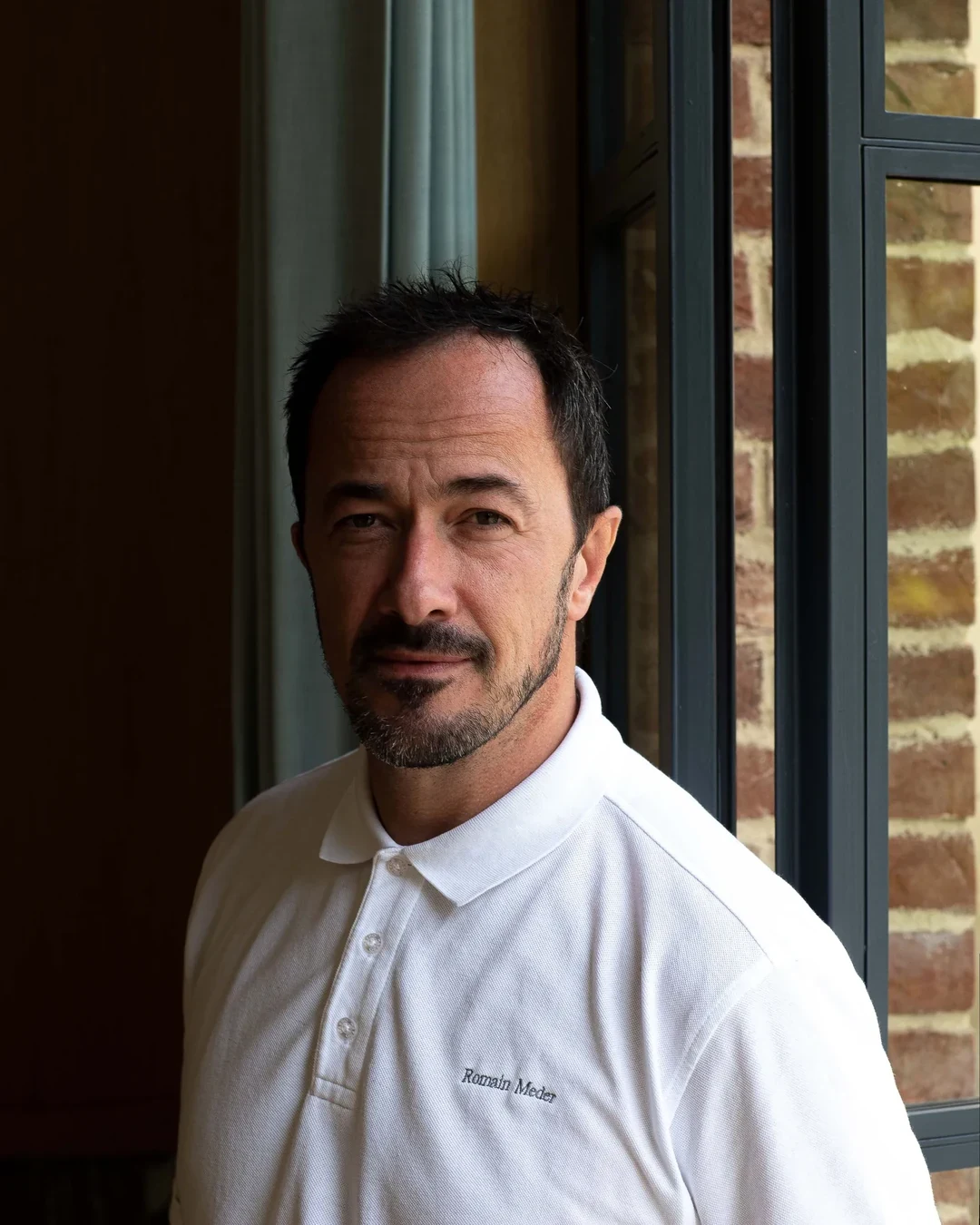
Romain Meder
Chef
- 01CuisineModern Plant-Centric French
- 02CityParis, France
- 03RecognitionOne Michelin Star
- 1 Michelin Star · Michelin Guide
- Michelin 1 Star · 2026
A Quiet Address in the 7th, Where the Soil Does the Talking
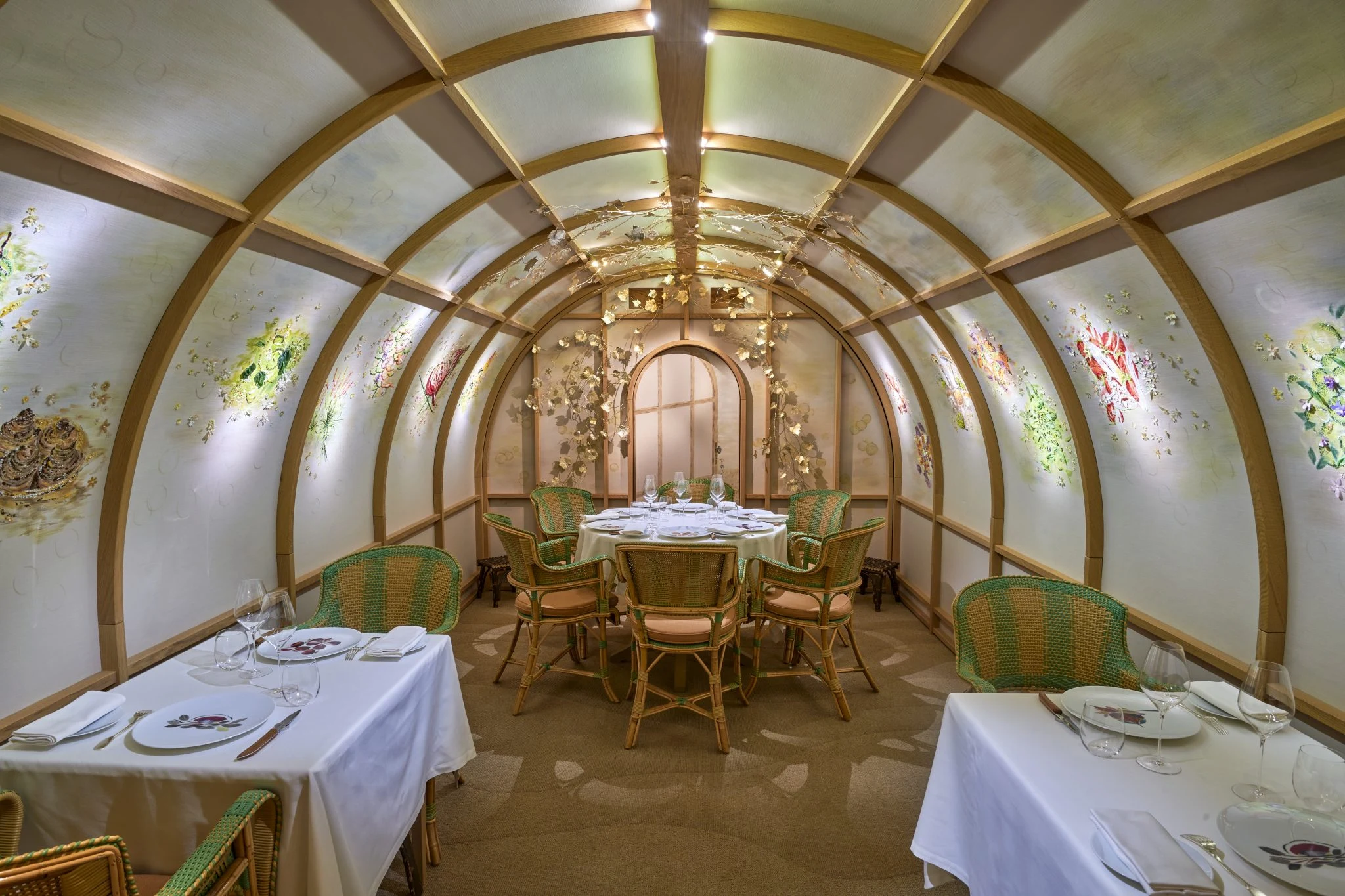
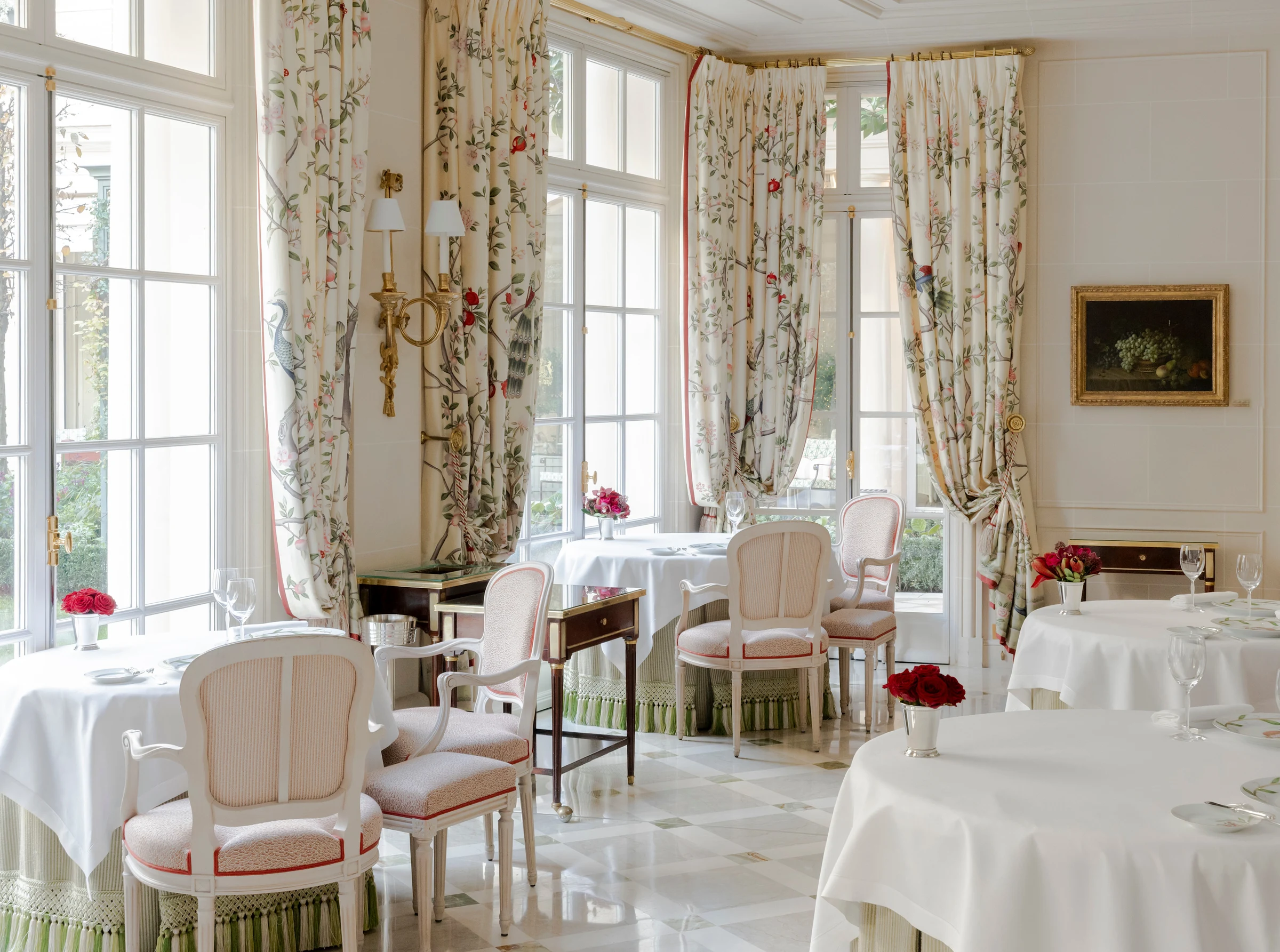
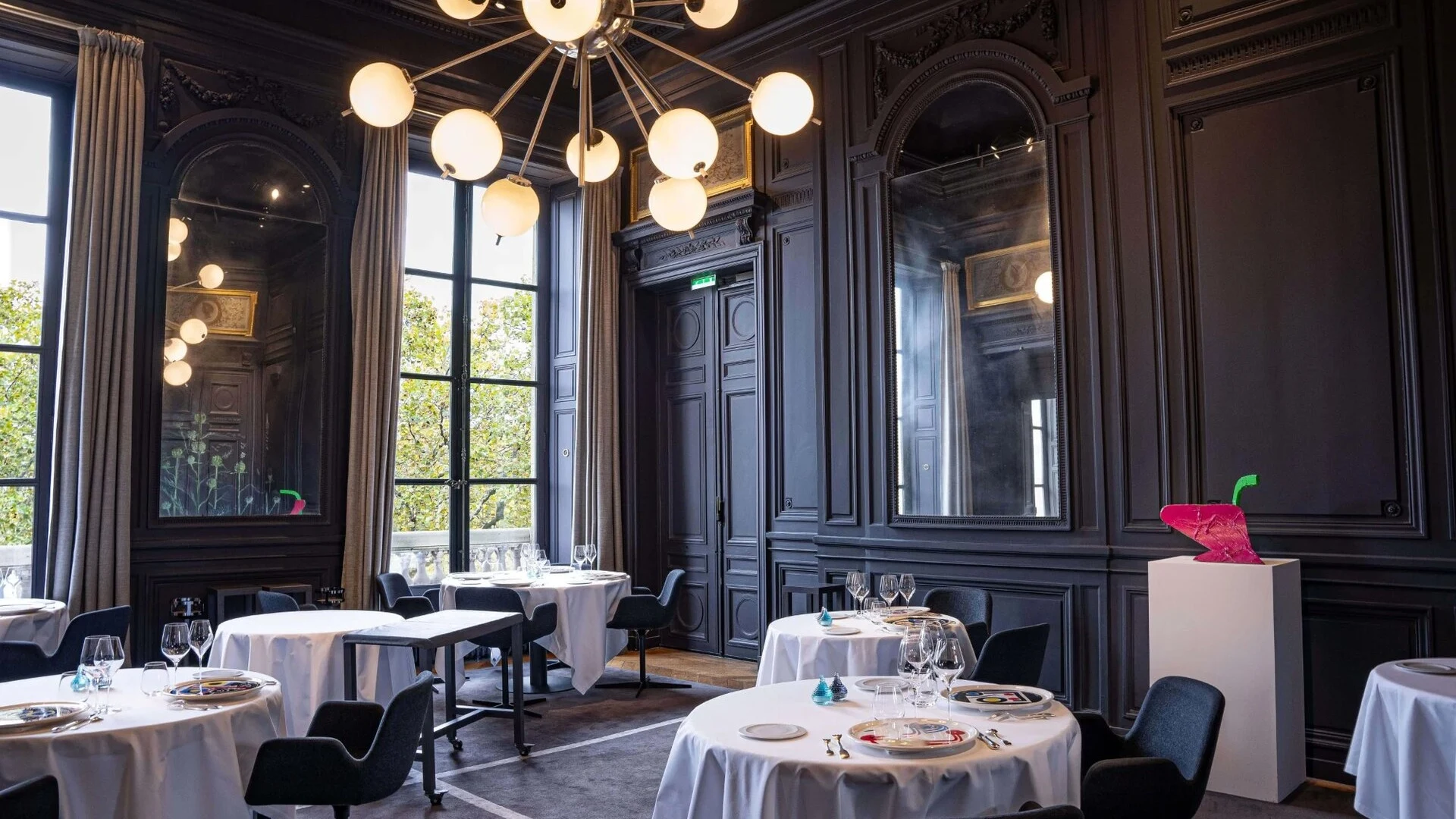
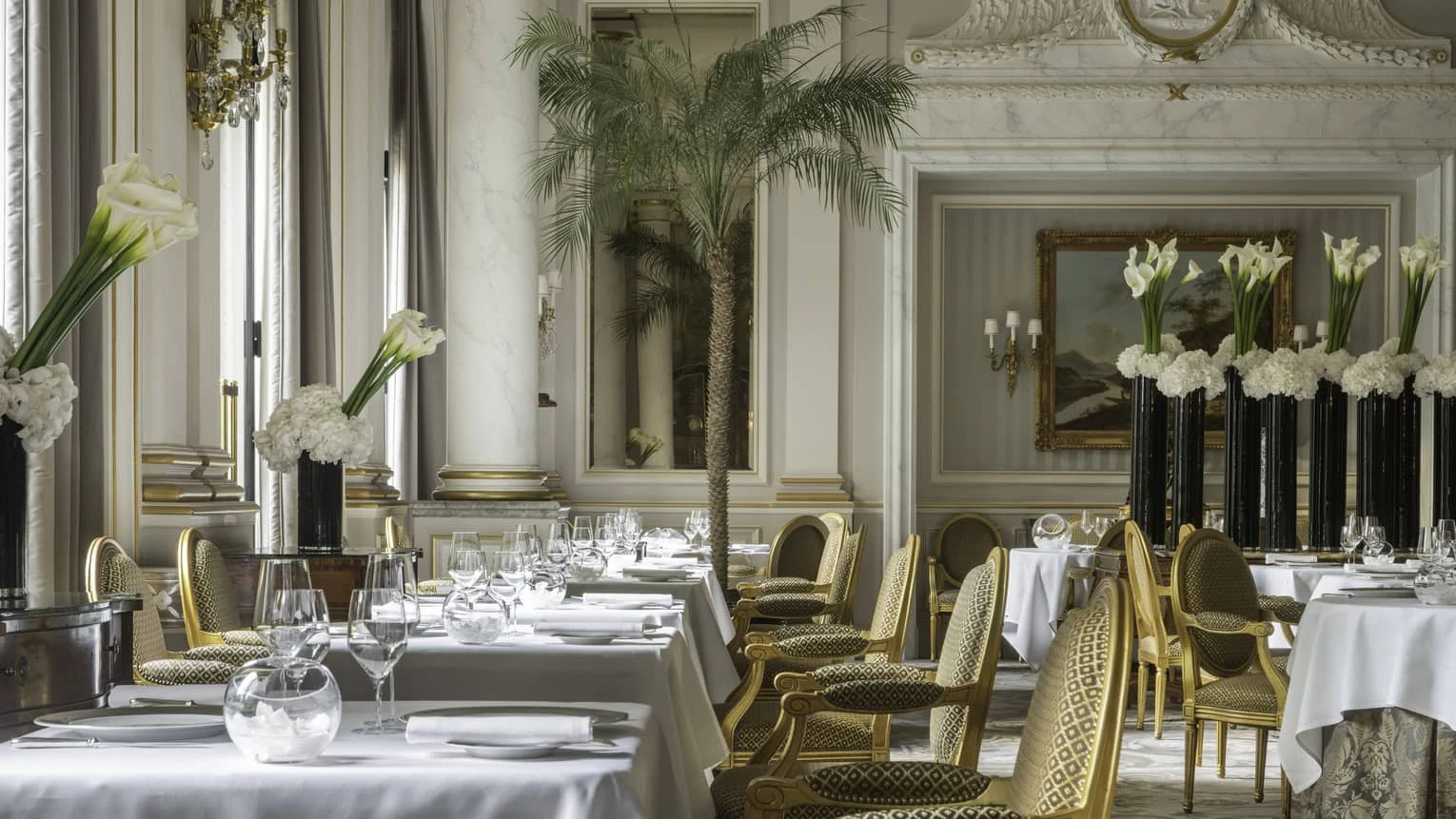
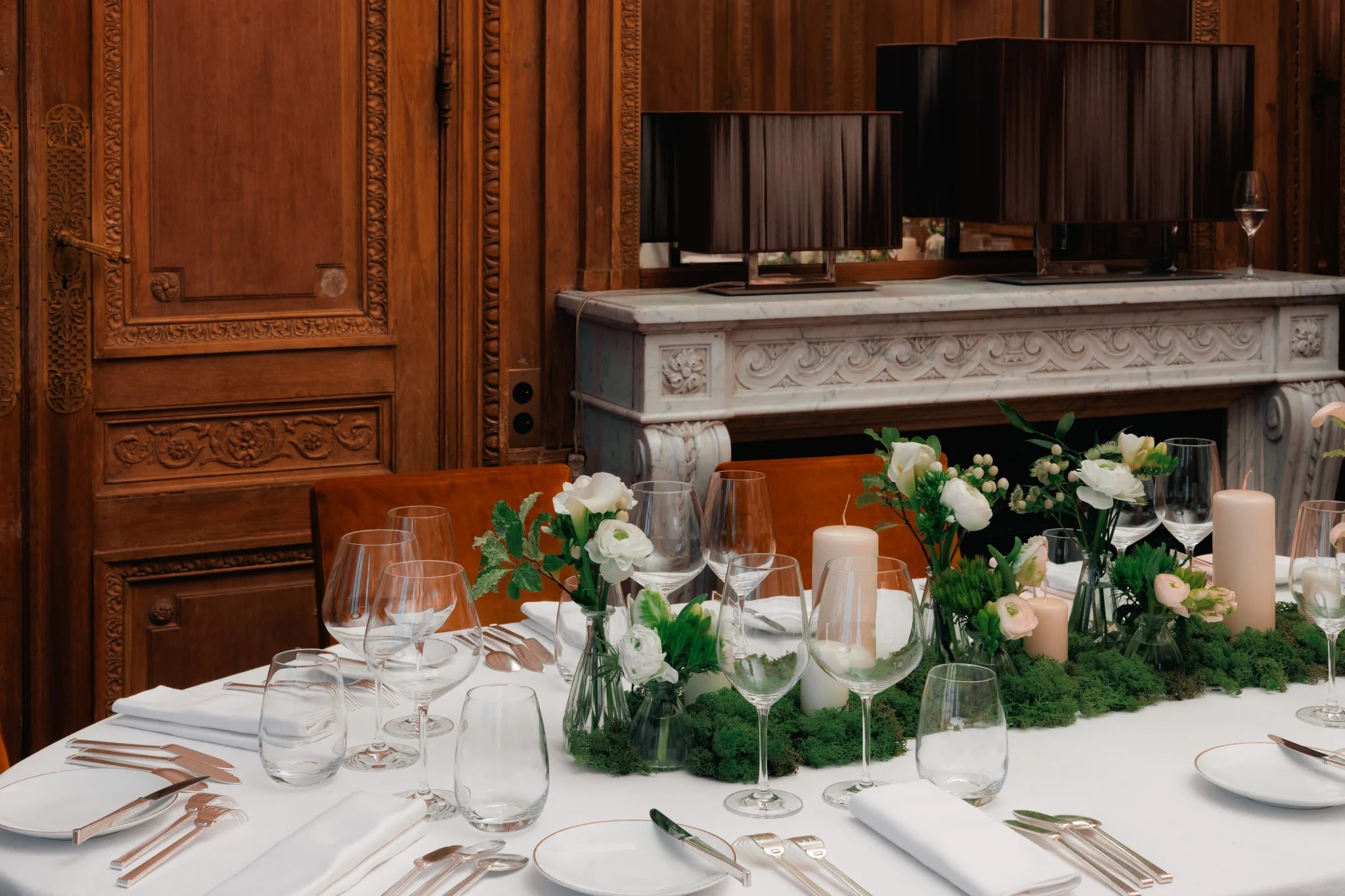
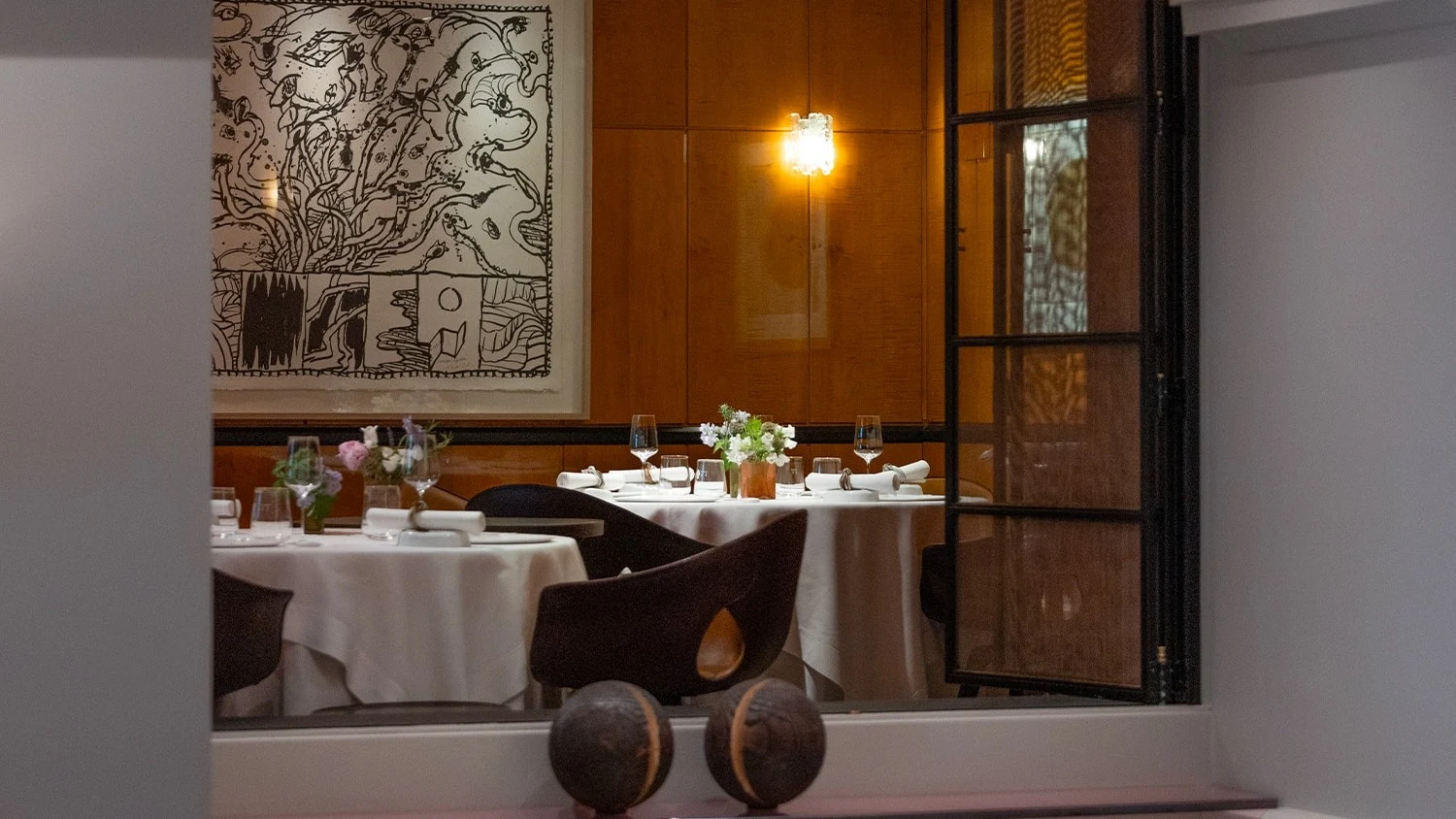
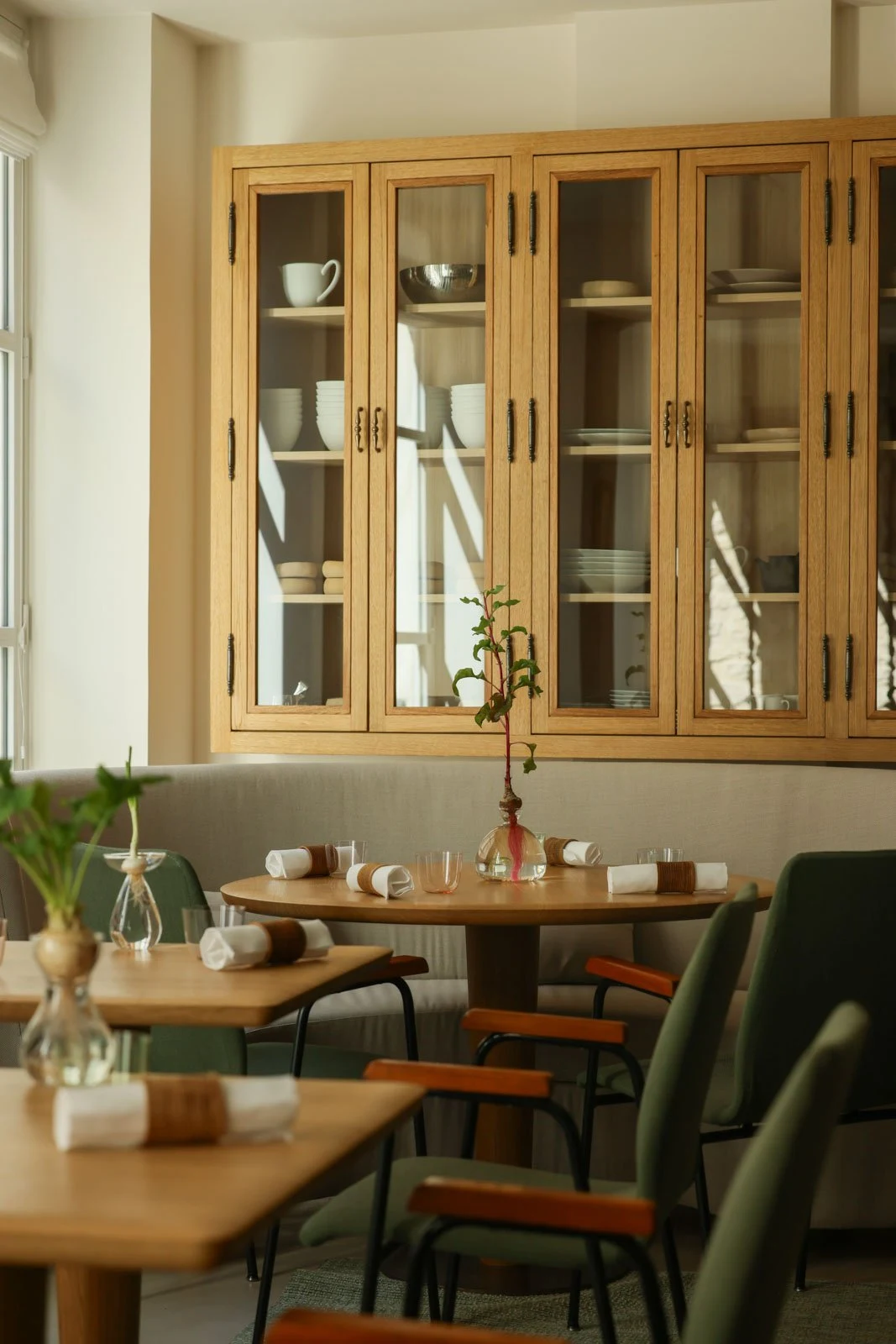
Rue Saint-Dominique runs through one of Paris's more composed arrondissements, where the dining rooms tend toward discretion and the cooking toward seriousness. Prévelle, at number 34, sits inside that tradition without performing it. The ground floor announces an open kitchen; a staircase draws you upward into a dining room stripped of ornament, its clean lines and hushed atmosphere placing the focus squarely on what arrives at the table. In a city where restaurant interiors frequently compete for attention with the food on the plate, this restraint reads as a position statement.
Île-de-France on the Plate: The Sourcing Logic Behind the Menu
French fine dining often draws a distinction between kitchens that source from anywhere premium and those that treat geography as a discipline. Prévelle belongs firmly to the second category. The menu is grounded in Île-de-France produce, the market gardens, farms, and waterways that ring Paris and supply the city's most ingredient-focused kitchens. It shapes what appears on the menu season by season, and it explains why the cooking reads as local rather than generically French.
The broader movement toward hyper-regional sourcing in Paris has accelerated over the past decade, driven partly by a generation of chefs who trained in kitchens where produce logistics were treated with the same rigour as technique. Romain Meder brings that discipline to Prévelle, with a plant-centric menu that does not eliminate poultry, fish, and shellfish but does position vegetables as the primary argument. Roots, brassicas, alliums, and legumes from the Île-de-France basin are treated with a seriousness more typically reserved for premium proteins.
Here, Maillard-driven browning gives vegetables depth through high heat, careful timing, and concentrated flavour at the cut surface. It is a technique Meder developed through years in Ducasse's orbit, where extracting maximum flavour from an ingredient is a foundational discipline. Kitchens like Arpège have made the vegetable-forward case through a different lens, with Passard's approach centring on the garden as subject, while Prévelle's argument is more technical.
The Ducasse Lineage and What It Implies
French haute cuisine passes through a relatively small number of formative kitchens, and Alain Ducasse's network remains among the most consequential of the modern era. Chefs who have carried the Ducasse imprint into independent projects include figures now running some of the most discussed tables in France and internationally. Romain Meder held a significant role within that structure before opening Prévelle, and the influence is legible in the cooking's technical precision and its engagement with the Maillard reaction as a flavour-building tool.
That lineage places Prévelle in a specific peer conversation. It is not in the same tier as the grand Parisian rooms, the Le Cinq format, or the scale and ambition of Alléno Paris au Pavillon Ledoyen, nor does it occupy the classic bourgeois register of L'Ambroisie. It sits in a smaller, more focused bracket: independent, chef-driven, with a clearly argued seasonal menu and an address that does not announce itself loudly. Among contemporary French kitchens with rigorous sourcing programs, comparisons extend beyond Paris to places like Bras in Laguiole, where produce philosophy has long shaped menu architecture, or Flocons de Sel in Megève, where mountain terroir structures the cooking in a similarly disciplined way.
Seasonality as Structure, Not Marketing
At Prévelle, the seasonal menu is a direct function of what the Île-de-France supply chain produces at a given moment. This matters because it creates genuine menu variance across visits and aligns the kitchen with the rhythms of the agricultural calendar rather than a predetermined format. Spring alliums give way to summer nightshades; autumn roots anchor the richer, more Maillard-intensive preparations. Fish and shellfish from French coastal suppliers enter the menu as seasonal punctuation rather than permanent anchors.
For diners who track this kind of kitchen closely, the sourcing discipline also implies something about quality consistency. A kitchen committed to working with what is genuinely available and genuinely local cannot rely on flying in out-of-season produce when the regional supply is thin. That constraint is part of what gives the menu its coherence. The same logic appears at Mirazur in Menton, where the biodynamic calendar structures service, and at Troisgros in Ouches, where the surrounding landscape has long functioned as the primary ingredient source.
The Room
The upstairs dining room at Prévelle operates at a different register than the ground-floor kitchen energy. The space is quiet, its lines uncluttered, with an atmosphere that the venue's own description characterises as peaceful. In practice, this means the room does not compete with the food for your attention. There is no design statement to decode, no theatrical lighting sequence to process. The open kitchen below, visible on arrival, connects the sourcing story to the production story; once upstairs, that theatre recedes and the plate becomes the primary object.
In a Paris dining market where room design can signal kitchen ambition, Prévelle's restraint is a considered choice. Kitchens like Kei have demonstrated that distinctive interior character can coexist with serious cooking; Prévelle argues the opposite case, that removing visual noise allows the sourcing and technique to carry more weight.
Know Before You Go
- Address: 34 rue Saint-Dominique, 7th arrondissement, Paris
- Format: Seasonal, plant-forward menu with poultry, fish, and shellfish; open kitchen on ground floor; main dining room upstairs
- Sourcing: Île-de-France produce; resolutely seasonal; local market gardens and regional suppliers
- Booking: Reservations are essential.
- Explore further: Our full Paris restaurants guide | Paris hotels | Paris bars | Paris experiences | Paris wineries
Questions
Frequently asked
What recognition does Prévelle hold?
Prévelle holds 1 Michelin star.
Who works at Prévelle?
Made By profiles Romain Meder (Chef) at Prévelle.
How expensive is Prévelle?
Prévelle is listed at a price level of $$$$.
Where is Prévelle and what does it serve?
Prévelle is in 7th arrondissement, Paris, serving Modern Plant-Centric French.
The field
How it compares
| Place | Awards | Cuisine | Notes |
|---|---|---|---|
| Prévelle | Michelin 1 Star | Modern Plant-Centric French | 7th arrondissement, $$$$ |
| Arpège | Michelin 3 Stars, World's 50 Best | Vegetable-Focused French Fine Dining | Paris |
| Epicure | Michelin 3 Stars | Contemporary French Fine Dining | Paris |
| Guy Savoy | Michelin 2 Stars, World's 50 Best | Classic French Fine Dining | Paris |
| Le Cinq | Michelin 3 Stars, World's 50 Best | Modern French Fine Dining | Paris |
| Le Taillevent | Michelin 2 Stars, World's 50 Best | Classic and Modern French Fine Dining | Paris |
| Pierre Gagnaire | Michelin 3 Stars, World's 50 Best | Avant-Garde French Fine Dining | Paris |
In residence
Similar places
Vegetable-Focused French Fine Dining
Arpège
Paris, France
★★★ · 50 Best
Contemporary French Fine Dining
Epicure
Paris, France
★★★
Classic French Fine Dining
Guy Savoy
Paris, France
★★ · 50 Best
Modern French Fine Dining
Le Cinq
Paris, France
★★★ · 50 Best
Classic and Modern French Fine Dining
Le Taillevent
Paris, France
★★ · 50 Best
Avant-Garde French Fine Dining
Pierre Gagnaire
Paris, France
★★★ · 50 Best