Pulpería Santa Elvira
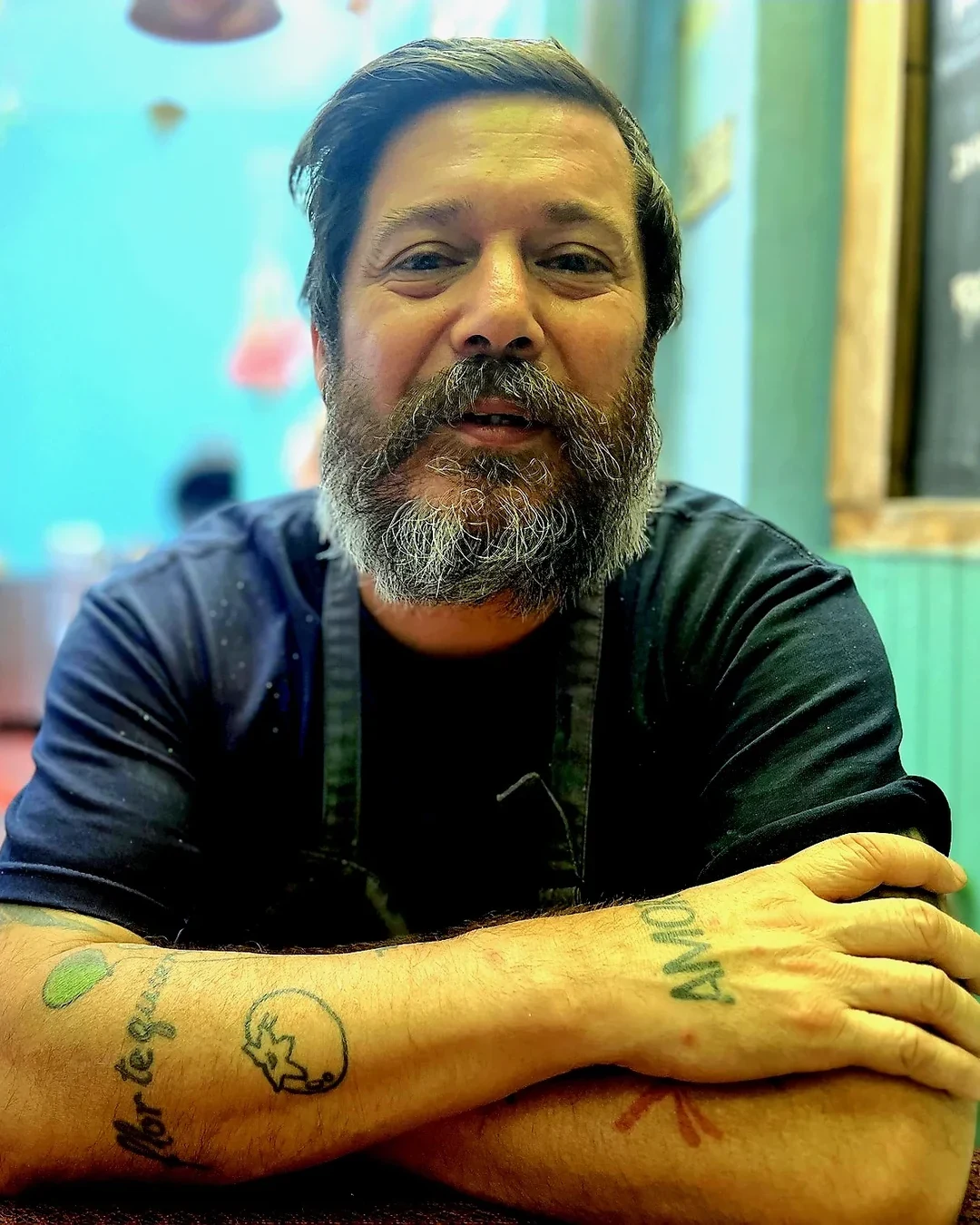
In Residence
Javier Aviles
Chef
- 01CuisineModern Chilean
- 02CitySantiago, Chile
- 03RecognitionWorld's 50 Best — No. 63
- World's 50 Best · #63 · World's 50 Best Restaurants
- The Best Chef One Knife · 2025
- World's 50 Best Latin America's Best Restaurants #63 · 2025
Matta Sur and the Architecture of Informality
Pulpería Santa Elvira is a restaurant in Santiago, Chile, from chef Javier Aviles; it carries a 4.6 Google rating and sits in the city’s Modern Chilean dining scene. Matta Sur sits south of the Alameda, in a neighbourhood that never positioned itself as a dining destination, and that absence of curation is precisely what makes it an instructive place to eat. The streets around Avenida Matta are residential, commercial, and slightly worn at the edges, the kind of urban fabric where a restaurant's physical presence has to earn its place without the surrounding neighbourhood doing any of the work.
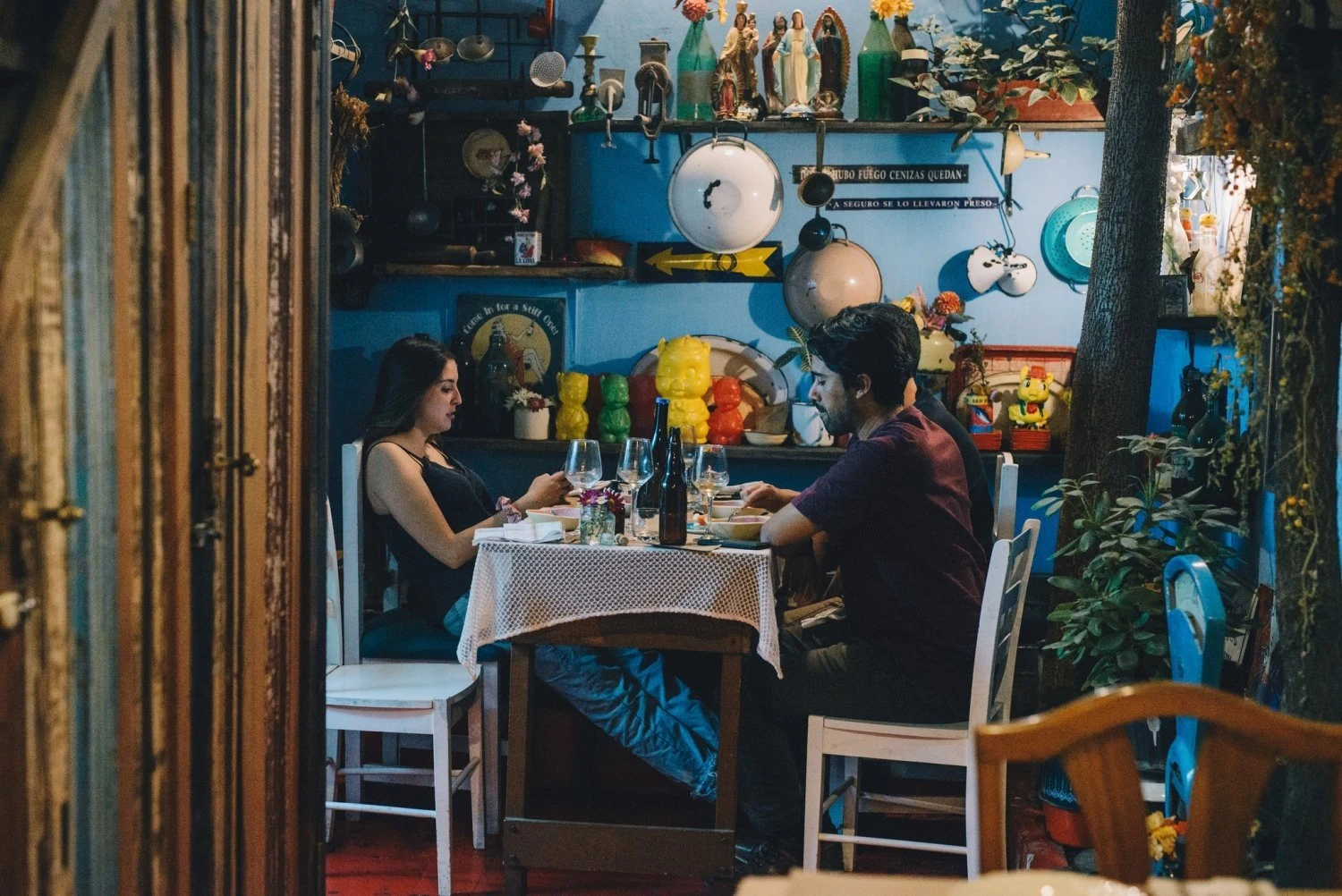
Pulpería Santa Elvira occupies that context well. The space is described consistently as unassuming, a word that in Santiago's dining scene carries genuine meaning: the city has no shortage of rooms designed to signal arrival, from the polished concrete of high-end Lastarria addresses to the hotel dining rooms lining the business corridors of Las Condes. What Matta Sur offers instead is a different spatial logic, one where the room is a container for the cooking rather than a statement in its own right. The address, Santa Elvira 475, sits in a neighbourhood block that gives no particular visual cues about what is inside, which sets a particular register before you sit down.
That register matters for how the food reads. Spaces communicate expectations, and a stripped-back, joyful room in a working-class neighbourhood signals that the cooking will be interrogated on its own terms rather than dressed up by context. For a kitchen that works closely with local cooperatives and prioritises seasonal, heritage-grounded product, the spatial logic is coherent.
The Seasonal Logic of the Menu
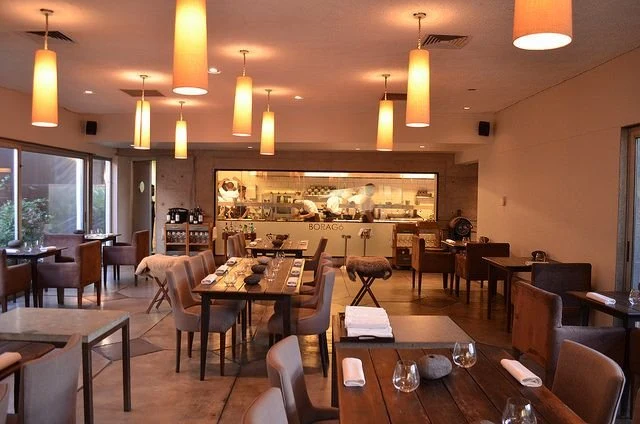
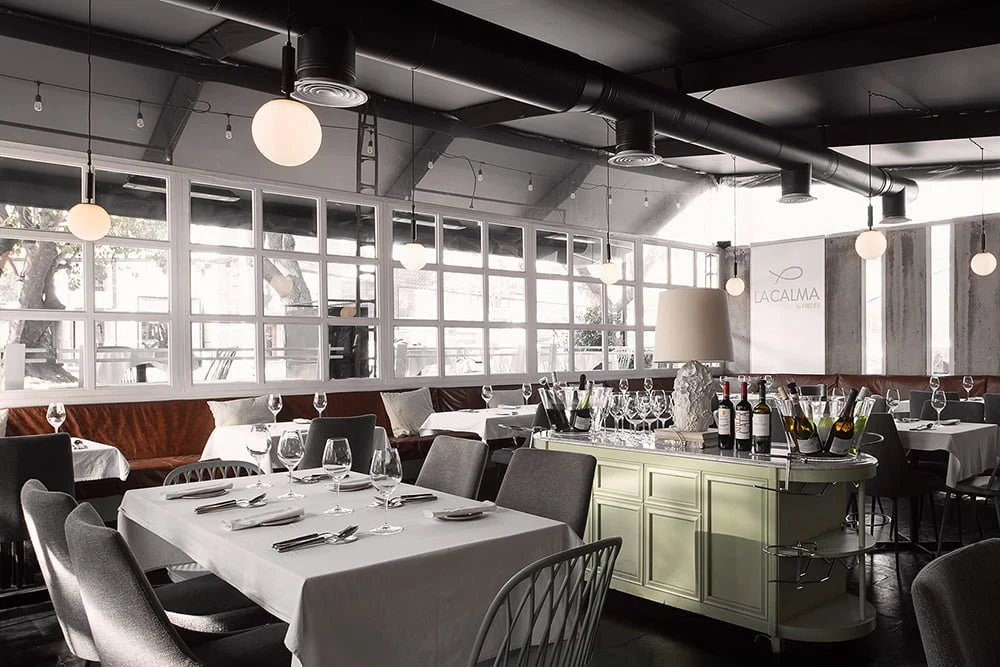
The most instructive way to understand what Pulpería Santa Elvira is doing is to place it inside the broader shift in Chilean fine dining over the past decade. When Boragó began building its programme around endemic Chilean ingredients and foraged product, it established a vocabulary that subsequent kitchens have translated into different registers, from the French-inflected precision of Ambrosia to the seafood-focused work at La Calma by Fredes. Santa Elvira belongs to a different tier of that conversation: less architecturally ambitious in its format, more grounded in the actual supply chains and cooperative networks that Chilean producers operate through.
The menu is described as seasonal and dynamic, which in practice means it changes in response to what cooperatives are producing rather than following a fixed tasting programme. That model places the kitchen inside a network of obligations and relationships rather than at the top of a supply hierarchy, and it tends to produce cooking that reflects the agricultural calendar honestly. Cooperative sourcing also introduces a degree of constraint that structured innovation: when a kitchen cannot simply order what it wants from a consolidated supplier, the repertoire has to adapt, and adaptation at that level tends to build culinary intelligence faster than abundance does.
Chilean heritage products sit at the centre of this approach. The country's culinary tradition includes a deep archive of indigenous grains, legumes, dried goods, and preserved proteins that formal restaurant culture spent much of the twentieth century overlooking in favour of European frameworks. The recovery of that archive is one of the more substantive intellectual projects in contemporary Chilean cooking, and a kitchen that works within cooperative supply networks is naturally better positioned to access it than one buying from centralised distributors.
Chef Javier Avilés and the Kitchen's Position
Chef Javier Avilés leads the kitchen. The available record does not include a detailed biographical timeline, but the kitchen's sourcing model and its positioning inside Matta Sur both suggest a set of priorities that align more with the cooperative-economy end of the Santiago dining scene than with the haute-technique end. The distinction matters when reading the cooking: this is not a programme built around individual signature dishes in the sense that, say, a Michelin-tracked counter in Vitacura like Naoki might be. The focus is on product, season, and the agricultural relationships that make the menu possible.
That is a coherent editorial position for a restaurant in this neighbourhood. The kitchens that have built the most durable reputations in cities like Copenhagen, Lima, and Mexico City over the past fifteen years have generally been the ones that understood their supply chains as deeply as their techniques. Santa Elvira's cooperative-sourcing approach places it inside that broader pattern and it was ranked No. 63 on The World’s 50 Best Restaurants list.
For context on what this cooking sits alongside in Santiago, Demencia occupies a more experimental register, and Bocanáriz prioritises the wine programme in a way that makes food and fermentation equally central. Santa Elvira's distinctiveness comes from its neighbourhood location and its cooperative supply model rather than from format or scale.
Placing Santa Elvira in a Wider Santiago Itinerary
For a reader building a Santiago eating itinerary, Matta Sur is not a neighbourhood that comes up in most hotel concierge recommendations, which reflects the area's distance from the conventional tourist geography rather than any shortage of substance. The neighbourhood is accessible from the city centre and from Providencia without significant difficulty, and eating in Matta Sur gives a different cross-section of the city than the northern communes provide.
A sensible approach to a multi-day Santiago programme might use Santa Elvira as the meal that grounds the rest. The more formally ambitious rooms, whether at Boragó or at the Chilean Modern dining operations attached to Santiago's better hotels, are easier to read once you have encountered the raw material, the heritage grains, the cooperative-sourced proteins, the seasonal produce, in a less mediated context. Santa Elvira's seasonal menu, precisely because it changes and does not maintain a fixed showpiece, functions as a kind of orientation to the Chilean pantry at whatever moment you visit.
If you are exploring Chile more broadly beyond Santiago, the country's culinary geography extends from CasaMolle in El Molle in the north through to Awasi Patagonia in Torres del Paine in the south, with Clos Apalta Residence in Valle de Apalta and Awasi Atacama in San Pedro de Atacama mapping the wine valleys and desert north. Santa Elvira sits at the urban end of that geography, closer in spirit to the cooperative-economy food culture of the capital than to the destination-resort model of those regional properties.
Booking is recommended, and the restaurant is open Tuesday and Wednesday from 7 to 11:30 PM, Thursday through Saturday from 1 to 3:30 PM and 7 to 11:30 PM, and Sunday from 1 to 3:30 PM.
Questions
Frequently asked
What recognition does Pulpería Santa Elvira hold?
Pulpería Santa Elvira holds a place on the World's 50 Best list at number 63.
Who works at Pulpería Santa Elvira?
Made By profiles Javier Aviles (Chef) at Pulpería Santa Elvira.
How expensive is Pulpería Santa Elvira?
Pulpería Santa Elvira is listed at a price level of $$$$.
Where is Pulpería Santa Elvira and what does it serve?
Pulpería Santa Elvira is in Matta Sur, Santiago, serving Modern Chilean.
The field
How it compares
| Place | Awards | Cuisine | Notes |
|---|---|---|---|
| Pulpería Santa Elvira | World's 50 Best #63 | Modern Chilean | Matta Sur, $$$$ |
| Alchemist | Michelin 2 Stars, World's 50 Best | Avant-Garde Molecular Gastronomy with Social Commentary | Copenhagen |
| Atrio | Michelin 3 Stars | Modern Spanish Fine Dining with Iberian Pork Focus | Cáceres |
| Boragó | World's 50 Best | Hyper-Local Chilean Tasting Menu | Santiago |
| La Calma by Fredes | World's 50 Best | Fresh Chilean Seafood | Santiago |
| The Angel | Michelin 1 Star | Modern British-Japanese Fusion | Hetton |
| The Inn at Little Washington | Michelin 3 Stars | Contemporary American Fine Dining with French Influence | Washington |
In residence
Similar places
Avant-Garde Molecular Gastronomy with Social Commentary
Alchemist
Copenhagen, Denmark
★★ · 50 Best
Modern Spanish Fine Dining with Iberian Pork Focus
Atrio
Cáceres, Spain
★★★
Hyper-Local Chilean Tasting Menu
Boragó
Santiago, Chile
50 Best
Fresh Chilean Seafood
La Calma by Fredes
Santiago, Chile
50 Best
Modern British-Japanese Fusion
The Angel
Hetton, United Kingdom
★
Contemporary American Fine Dining with French Influence
The Inn at Little Washington
Washington, United States
★★★