Made ByWinery
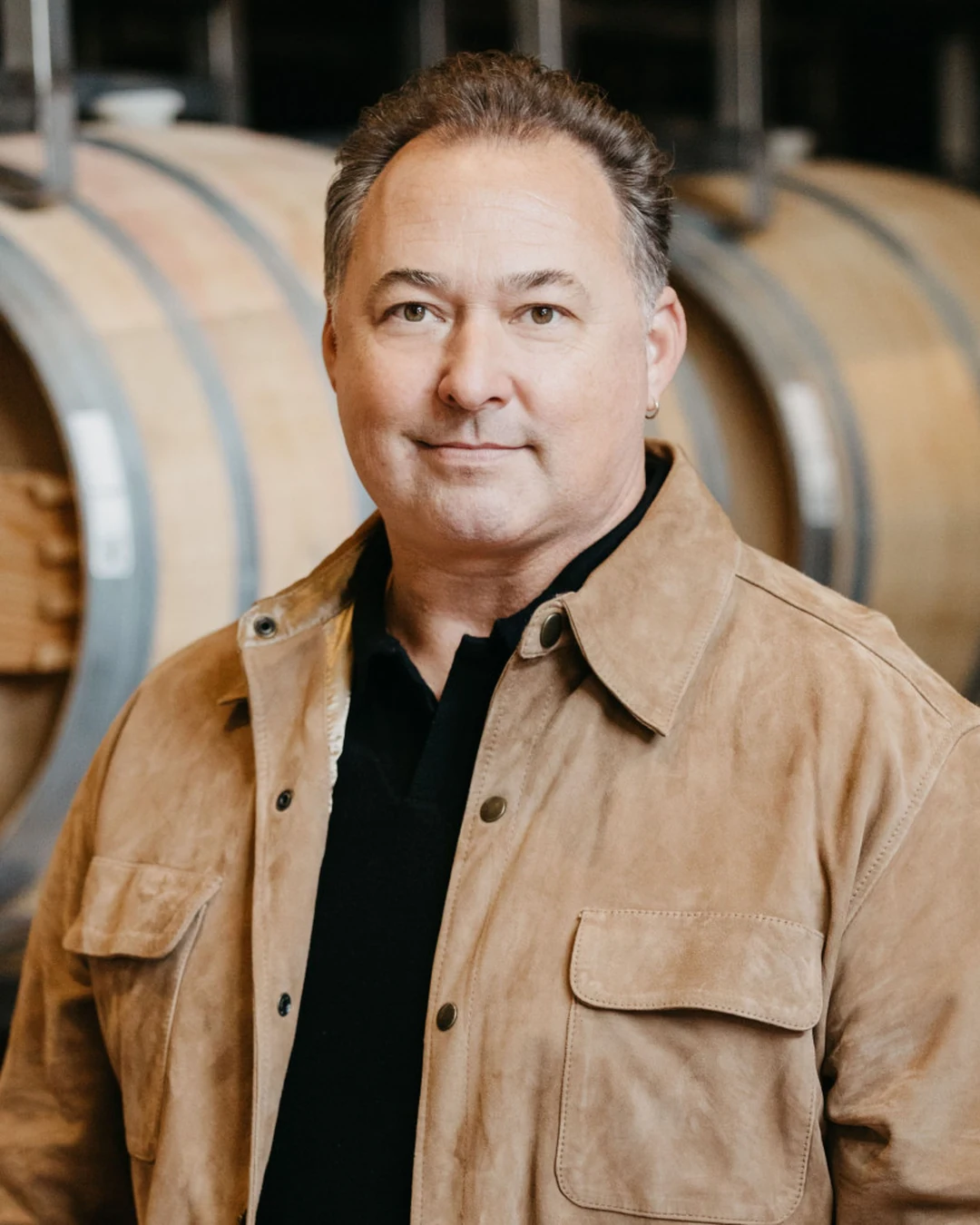
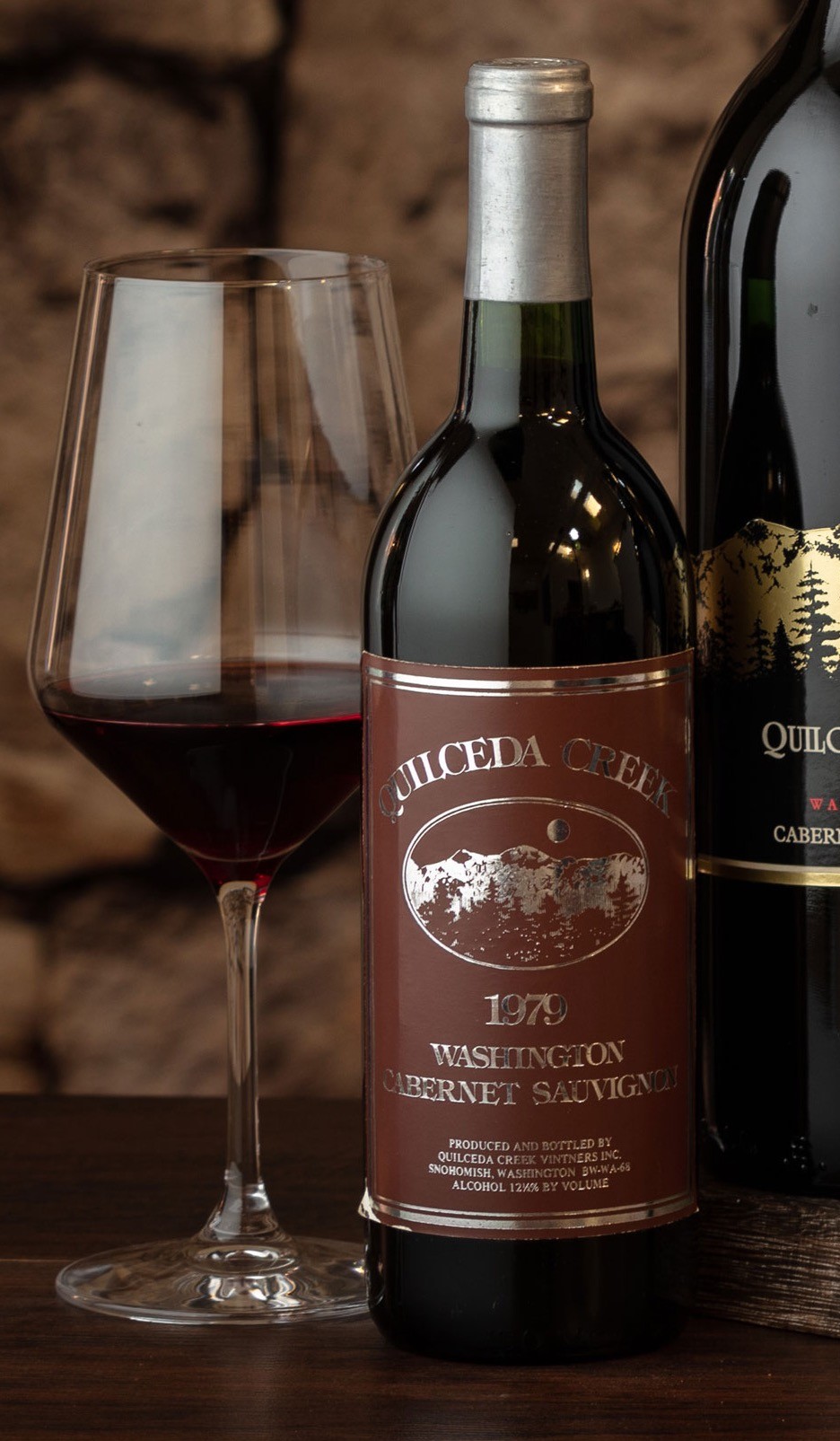
Quilceda Creek Vintners has operated from Snohomish, Washington since its first vintage in 1979, building a reputation as one of the Pacific Northwest's most decorated Cabernet Sauvignon producers. Winemaker Paul Golitzin has held the program steady across decades, earning the EP Club's Pearl 4 Star Prestige rating in 2025. Visits are by appointment, placing this squarely in Washington's allocation-driven, collector-oriented tier.
At a glance
- Price
- $$$$
- Neighborhood
- Snohomish
<h2>Washington State Cabernet and the Question of Terroir</h2><p>Quilceda Creek Vintners is a winery in Snohomish, Washington, led by winemaker Paul Golitzin. Decades of critical attention later, the Columbia Valley and its sub-appellations have established a distinct identity: a semi-arid climate moderated by the Cascade Range, long summer days that push phenolic ripeness, and a diurnal temperature swing that preserves acidity in ways that warmer California sites often cannot replicate.</p><p>Understanding what makes eastern Washington's growing conditions particular helps frame the region. The vineyards that supply the state's premium Cabernet programs typically sit at elevations between 700 and 1,300 feet in the Columbia Basin, where volcanic soils, predominantly sandy loam over basalt, drain quickly and stress the vine in ways that concentrate flavour without the irrigation dependency that critics sometimes use to question the region's terroir credentials. The argument for Washington as serious Cabernet country is essentially a soil and climate argument, and Quilceda Creek has been making it through the bottle since before most of the state's current generation of producers existed.</p><h2>A 1979 Starting Point and What It Means</h2><p>A producer who began in 1979 predates the formal designation of the Columbia Valley AVA (1984) and operated in a period when Washington wine had almost no commercial infrastructure or critical audience. Quilceda Creek's longevity places it in a small group of Washington producers whose track record spans multiple decades of climate variation, shifting critical standards, and evolving winemaking practice. That kind of continuity is the foundational trust signal for allocation-tier wine: buyers are not betting on a promising new project but on a body of work with a documented history.</p><p>Winemaker Paul Golitzin has been central to that continuity. Awards at this tier are not granted for a single strong release but reflect sustained quality across the record.</p><h2>The Columbia Valley Terroir Argument in Practice</h2><p>Washington's premium Cabernet producers draw from several sub-appellations within the Columbia Valley, including Red Mountain, Horse Heaven Hills, and Walla Walla Valley, each with distinct soil profiles and microclimate characteristics. Red Mountain, for instance, produces some of the state's most tannic and structured Cabernets due to its thin, alkaline soils and south-facing slopes. Horse Heaven Hills benefits from consistent winds off the Columbia River that reduce disease pressure and moderate temperatures. The blending decisions a winery makes across these sources directly express a philosophy about what Columbia Valley Cabernet should taste like at the highest level.</p><p>For collectors comparing Washington producers against each other or against California peers, the relevant reference points are fewer than they might expect. Producers in the allocation tier include a handful of names that recur consistently in critical rankings and collector forums: Cayuse, Leonetti Cellar, DeLille Cellars, and Quilceda Creek are among the most frequently cited. Each represents a different approach to the Columbia Basin's raw material, and the differences between them are instructive about the range the region can produce. Quilceda Creek's position in that group is long-established rather than recently earned, which matters when assessing its standing against newer entrants making similar quality claims.</p><p>For comparison with other premium American producers working in a similar collector-focused tier, it is worth looking at operations like <a href="https://www.enprimeurclub.com/wineries/accendo-cellars">Accendo Cellars in St. Helena</a> or <a href="https://www.enprimeurclub.com/wineries/alpha-omega-winery-rutherford-winery">Alpha Omega Winery in Rutherford</a>. The contrast between Washington and Napa at this tier is partly about price, partly about critical vocabulary, and partly about the different soil and climate signatures each region stamps onto the same grape variety.</p><h2>Snohomish as a Physical Address</h2><p>The winery's address in Snohomish, on the western side of the Cascades, is geographically unusual for a Washington Cabernet producer. Most of the state's premium red wine operations are based in or near their eastern Washington vineyard sources in Walla Walla, Woodinville, or the Tri-Cities area. Snohomish sits roughly 30 miles northeast of Seattle, well west of the mountains and removed from the growing regions that supply the wine. This is not uncommon for smaller Washington producers who maintain production facilities or tasting operations closer to the state's population centre, but it does mean that visiting Quilceda Creek is not part of a standard eastern Washington wine country itinerary. Visitors should plan accordingly and not assume the address implies proximity to vineyard land. Our full Snohomish restaurants and wine guide provides useful context for the broader area.</p><h2>Booking, Access, and Collector Expectations</h2><p>Quilceda Creek operates at a tier where access is structured around allocation lists and appointment visits rather than open tasting rooms. This format is common among Washington's most sought-after small producers and reflects both the limited case production typical of the tier and the direct-to-consumer model that allows wineries to maintain price discipline without relying on wholesale distribution. Prospective visitors should book by appointment.</p><p>The pricing and allocation structure at this level of Washington wine is comparable to what collectors encounter at similar operations in California. For reference, wineries like <a href="https://www.enprimeurclub.com/wineries/aubert-wines">Aubert Wines in Calistoga</a> or <a href="https://www.enprimeurclub.com/wineries/adelaida-vineyards">Adelaida Vineyards in Paso Robles</a> operate with similar access models, where mailing list membership precedes any purchasing relationship. Washington's allocation-tier producers follow the same logic: the wine reaches its audience through a relationship with the winery, not through retail channels.</p><p>Those exploring other high-commitment American wine regions alongside Washington should also consider <a href="https://www.enprimeurclub.com/wineries/alban-vineyards">Alban Vineyards in Arroyo Grande</a>, <a href="https://www.enprimeurclub.com/wineries/andrew-murray-vineyards">Andrew Murray Vineyards in Los Olivos</a>, <a href="https://www.enprimeurclub.com/wineries/adelsheim-vineyard-newberg-winery">Adelsheim Vineyard in Newberg</a>, <a href="https://www.enprimeurclub.com/wineries/alexander-valley-vineyards-geyserville-winery">Alexander Valley Vineyards in Geyserville</a>, <a href="https://www.enprimeurclub.com/wineries/artesa-vineyards-and-winery">Artesa Vineyards and Winery in Napa</a>, <a href="https://www.enprimeurclub.com/wineries/au-bon-climat-santa-barbara-winery">Au Bon Climat in Santa Barbara</a>, <a href="https://www.enprimeurclub.com/wineries/br-cohn-winery-glen-ellen-winery">B.R. Cohn Winery in Glen Ellen</a>, <a href="https://www.enprimeurclub.com/wineries/babcock-winery-vineyards-lompoc-winery">Babcock Winery and Vineyards in Lompoc</a>, <a href="https://www.enprimeurclub.com/wineries/aberlour-aberlour-winery">Aberlour</a>, and <a href="https://www.enprimeurclub.com/wineries/achaia-clauss-patras-winery">Achaia Clauss in Patras</a> for a broader map of producers working at the serious end of their respective categories.</p>
Know before you go
- Dress code
- smart_casual
- Reservations
- appointment_only
- Parking
- on_site_lot
Frequently asked
Is Quilceda Creek Vintners more low-key or high-energy?
Quilceda Creek operates at the quieter, collector-facing end of the spectrum. Access runs through allocation lists and scheduled appointments rather than an open tasting room, which means visits are deliberate rather than spontaneous. The 2025 Pearl 4 Star Prestige award signals serious critical standing, but the format is closer to a private cellar appointment than a visitor attraction.
Has Quilceda Creek Vintners won any awards?
Quilceda Creek Vintners has received recognition including: Pearl 4 Star Prestige (2025).
What wine is Quilceda Creek Vintners famous for?
Quilceda Creek has built its reputation on Washington State Cabernet Sauvignon, drawing from Columbia Valley sub-appellations including Red Mountain and Horse Heaven Hills. The winery has been producing Cabernet since 1979, which predates the formal AVA designations that now define Washington's premium wine geography. Winemaker Paul Golitzin has been the defining figure behind the style.
What part of town is Quilceda Creek Vintners in?
Quilceda Creek Vintners is located at 11302 52nd St SE, Snohomish, WA 98290, Snohomish.
What's the defining thing about Quilceda Creek Vintners?
The defining characteristic is longevity combined with collector-tier scarcity: a Cabernet producer that started in 1979, before Washington wine had a national profile, and now operates on an allocation model that limits who can buy the wine. The 2025 Pearl 4 Star Prestige award places it among the most critically recognized producers in the state.
Is Quilceda Creek Vintners reservation-only?
Yes. Quilceda Creek does not operate a walk-in tasting room. Visits are by appointment, and wine access is structured around allocation lists, which is standard practice for Washington producers at this tier. If you are not already on the list, expect a waiting period.
Why is Quilceda Creek Vintners based in Snohomish rather than eastern Washington?
Snohomish sits on the wet, western side of the Cascades, which is geographically unusual for a Washington Cabernet producer since virtually all the state's premium Cabernet fruit comes from eastern Columbia Valley sub-appellations. Quilceda Creek's Snohomish address is a production and administrative base, not a growing site, a distinction that separates it from estate-focused wineries. Winemaker Paul Golitzin has maintained this arrangement since the winery's 1979 founding, sourcing Columbia Valley fruit while keeping operations on the west side.
Address
11302 52nd St SE, Snohomish, WA 98290
Snohomish · Seattle / Walla Walla
How it compares
- Cuisine
- Cabernet Sauvignon, Cabernet Franc
- Price
- $$$$
- Awards
- 1 recognition
- Notes
- Snohomish
- Cuisine
- Riesling, Chardonnay
- Price
- $$$
- Awards
- 1 recognition
- Notes
- Hollywood District
- Cuisine
- Cabernet Sauvignon, Merlot
- Price
- $$$
- Awards
- 1 recognition
- Notes
- Hollywood District
- Cuisine
- Syrah, Merlot
- Price
- $$$
- Awards
- 1 recognition
- Notes
- Woodinville
- Cuisine
- Zinfandel, Grenache
- Price
- $$$
- Awards
- 1 recognition
- Notes
- Goldendale
- Cuisine
- Cabernet Sauvignon, Merlot
- Price
- $$$
- Awards
- 1 recognition
- Notes
- Woodinville Tourist District