RESTAURANT TAKATSU
In Residence
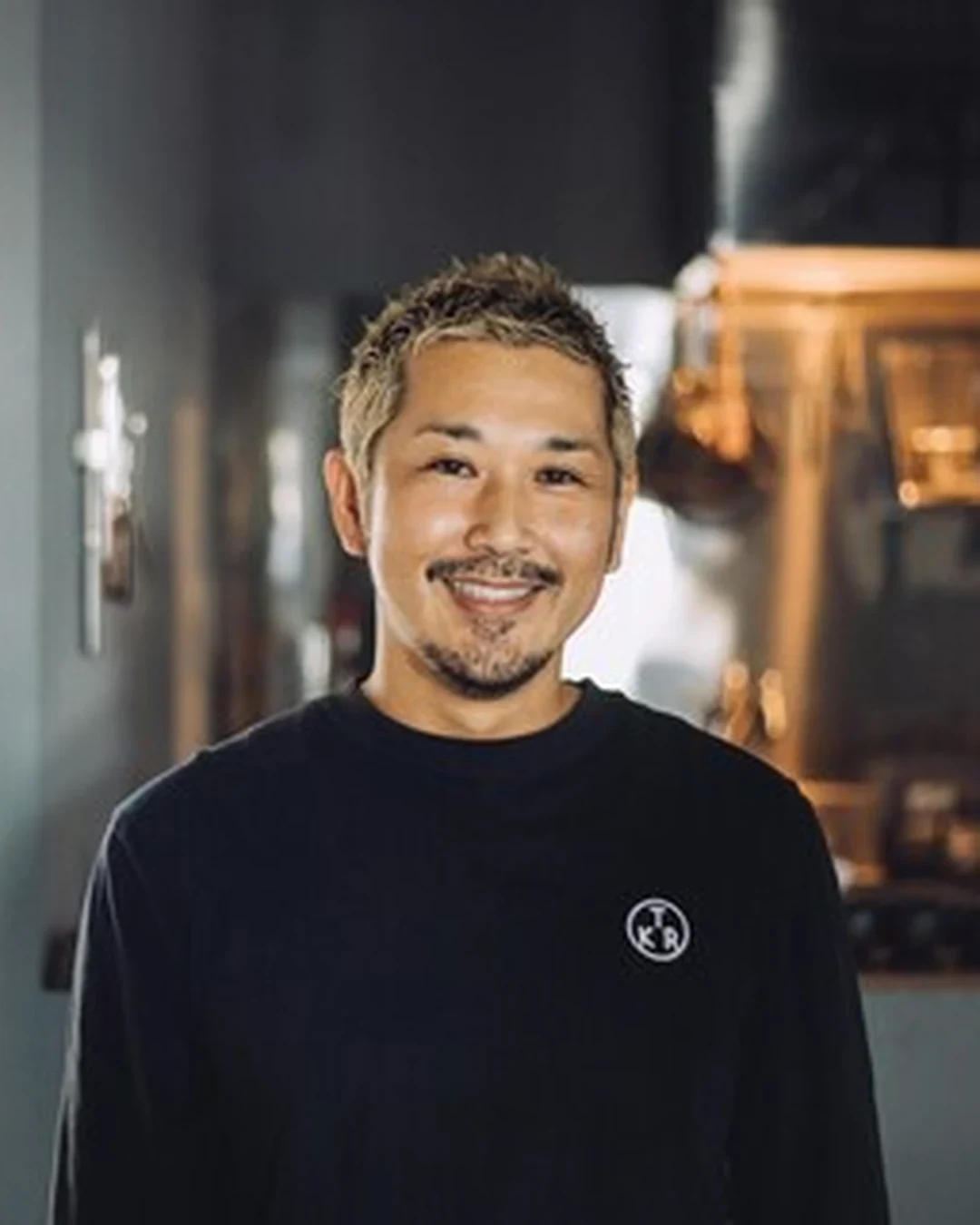
Kenichi Takatsu
Chef
- 01CuisineModern French with Local Seafood
- 02CityYamaguchi, Japan

French Cuisine at the Edge of Honshu
Shimonoseki occupies a particular position in Japan's culinary geography. Sitting at the southwestern tip of Honshu, where the Kanmon Strait separates the main island from Kyushu, the city has long been defined by the sea. Fugu, the tiger puffer fish that gave Shimonoseki its national culinary identity, draws visitors who rarely look beyond that singular obsession. The presence of a serious French counter operating at JPY 20,000 to 29,999 per person, with a Tabelog score of 4.13 and back-to-back Bronze Award wins in 2025 and 2026, represents something the city's broader reputation doesn't fully prepare you for.
France's classical kitchen and Japan's coastal ingredient culture have a longer shared history than the geography suggests. The relationship between produit de la mer and the precision of French technique has produced some of the most compelling restaurants in western Japan, from HAJIME in Osaka to Goh in Fukuoka. RESTAURANT TAKATSU operates within that tradition but from a city that has largely sat outside it, which is precisely what makes its consistent Tabelog recognition worth taking seriously.
The Sunday email
Read about the people behind restaurants like RESTAURANT TAKATSU in the Sunday email.
Every Sunday we send a lead story and up to four more about the chefs, winemakers, sommeliers and hoteliers behind the restaurants, bars, wineries and hotels we cover.
Recent stories
Free. One email a week, and you can unsubscribe from any issue.
The Counter Format and What It Signals
The eight-seat counter format at RESTAURANT TAKATSU belongs to a specific category of Japanese dining that has nothing to do with casualness. In Japan, the counter is the seat of authority. Whether at a Ginza sushi bar or a Kyoto kappo table, counter seating means proximity to the kitchen's logic: you see the sequence, you understand the pace, and the chef communicates intent through the meal's structure rather than through printed explanation. French cuisine adapted to this format in Japan has produced restaurants that sit in a competitive tier of their own, distinct from both the grand-salle French dining of Tokyo's hotel restaurants and the izakaya-casual bistro sector.
The maximum party size of nine and the counter's eight seats mean this is not a venue that accommodates groups in the conventional sense. The entire space can be booked for private use for up to twenty people, which changes the format entirely. For the standard counter experience, the reservation-only policy and limited seating mean lead time matters. First-time visitors planning around a Shimonoseki trip should treat this as the anchor booking rather than an afterthought. The restaurant opened on 1 March 2017, giving it eight years of operation and enough critical history to support its Tabelog ranking with depth.
Regional Ingredients Inside a French Frame
Tabelog listing flags an explicit focus on fish, which in Shimonoseki means access to one of Japan's most productive and distinctive coastal larders. The Kanmon Strait's tidal currents produce seafood with characteristics that chefs in larger cities actively seek out. Applying French technique to that material is not a novelty act. It is the same logic that made Le Bernardin in New York City a reference point: the argument that classical French structure can be the most rigorous possible frame for serious seafood, rather than its opposite.
Across western Japan, the French restaurants that have earned sustained Tabelog recognition tend to share a similar positioning: they draw on local produce with specificity, they work at small scale, and they treat the French tradition as a living methodology rather than a fixed catalogue of dishes. akordu in Nara and Abon in Ashiya operate in comparable registers, each anchored to regional ingredient logic within a European structural frame. RESTAURANT TAKATSU's selection for the Tabelog French WEST Top 100 in both 2023 and 2025 places it in that comparable set, distinguished from the metropolitan French fine dining exemplified by institutions like HAJIME primarily by its deliberate rootedness in a single coastal city.
The Award Record in Context
The Tabelog Award system draws on aggregated diner scores across Japan's largest restaurant review platform, with Bronze recognition indicating sustained performance above a threshold that filters out a significant proportion of nominally fine-dining establishments. A score of 4.13 at the 2026 award places RESTAURANT TAKATSU at rank 367 nationally in that cycle. For context, the French WEST Top 100 designation covers the entire western Japan region, a geography that includes Osaka, Kobe, Hiroshima, and Fukuoka alongside smaller cities. Earning that selection from a Shimonoseki address is a different achievement from earning it from a dense urban restaurant district.
For visitors calibrating expectations against other recognised Japanese French tables, it is useful to note where RESTAURANT TAKATSU sits relative to the broader category. Restaurants like affetto akita in Akita and Aji Arai in Oita demonstrate that Japan's French dining scene now extends well into secondary cities and regional prefectures. RESTAURANT TAKATSU's consecutive Bronze wins suggest it has maintained rather than peaked, which is the more meaningful signal for a reservation being made months in advance.
Wine, Sake, and the Drinks Program
The drinks list includes both wine and sake, with the listing noting a particular focus on wine. The combination is not unusual at this tier of Japanese French dining, where sommeliers have increasingly built lists that treat Burgundy alongside Yamaguchi's own nihonshu producers. Western Japan has a developing sake geography that serious drinkers track separately from the Niigata and Tohoku prefectures that dominate the national conversation. A counter format at this price point typically supports pairings that extend the meal's logic rather than interrupt it, though without confirmed pairing menu data the appropriate framing is the availability of the option rather than its content. Payment accepts VISA, Mastercard, JCB, AMEX, Diners, and QR code via PayPay; cash-only planning would be a mistake at this price level.
Questions
Frequently asked
Who works at RESTAURANT TAKATSU?
Made By profiles Kenichi Takatsu (Chef) at RESTAURANT TAKATSU.
How expensive is RESTAURANT TAKATSU?
RESTAURANT TAKATSU is listed at a price level of $$$$.
Where is RESTAURANT TAKATSU and what does it serve?
RESTAURANT TAKATSU is in Shimonoseki, Yamaguchi, serving Modern French with Local Seafood.
The field
How it compares
| Place | Cuisine | Notes | Awards |
|---|---|---|---|
| RESTAURANT TAKATSU | Modern French with Local Seafood | Shimonoseki, $$$$ | · |
| Addison | Modern California Fusion Fine Dining | San Diego | Michelin 3 Stars, 50 Best |
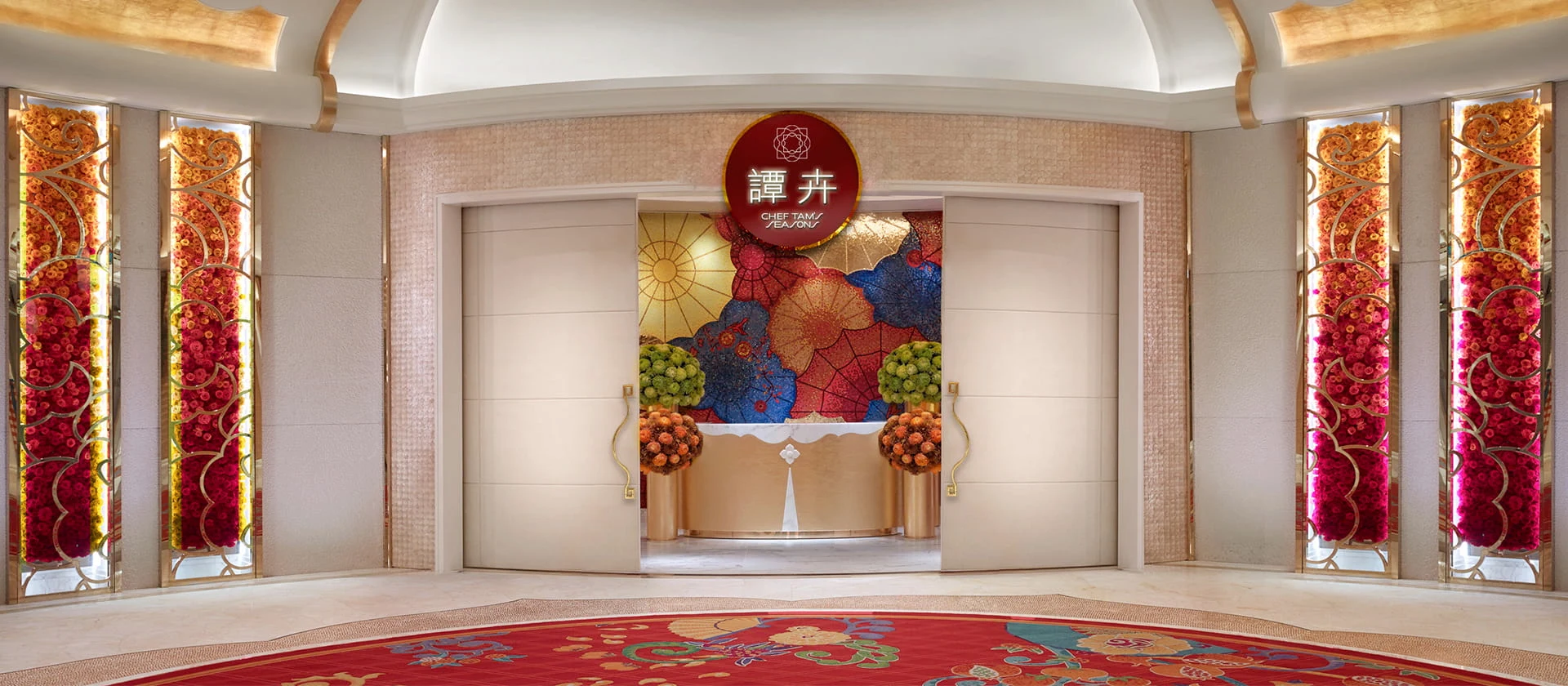
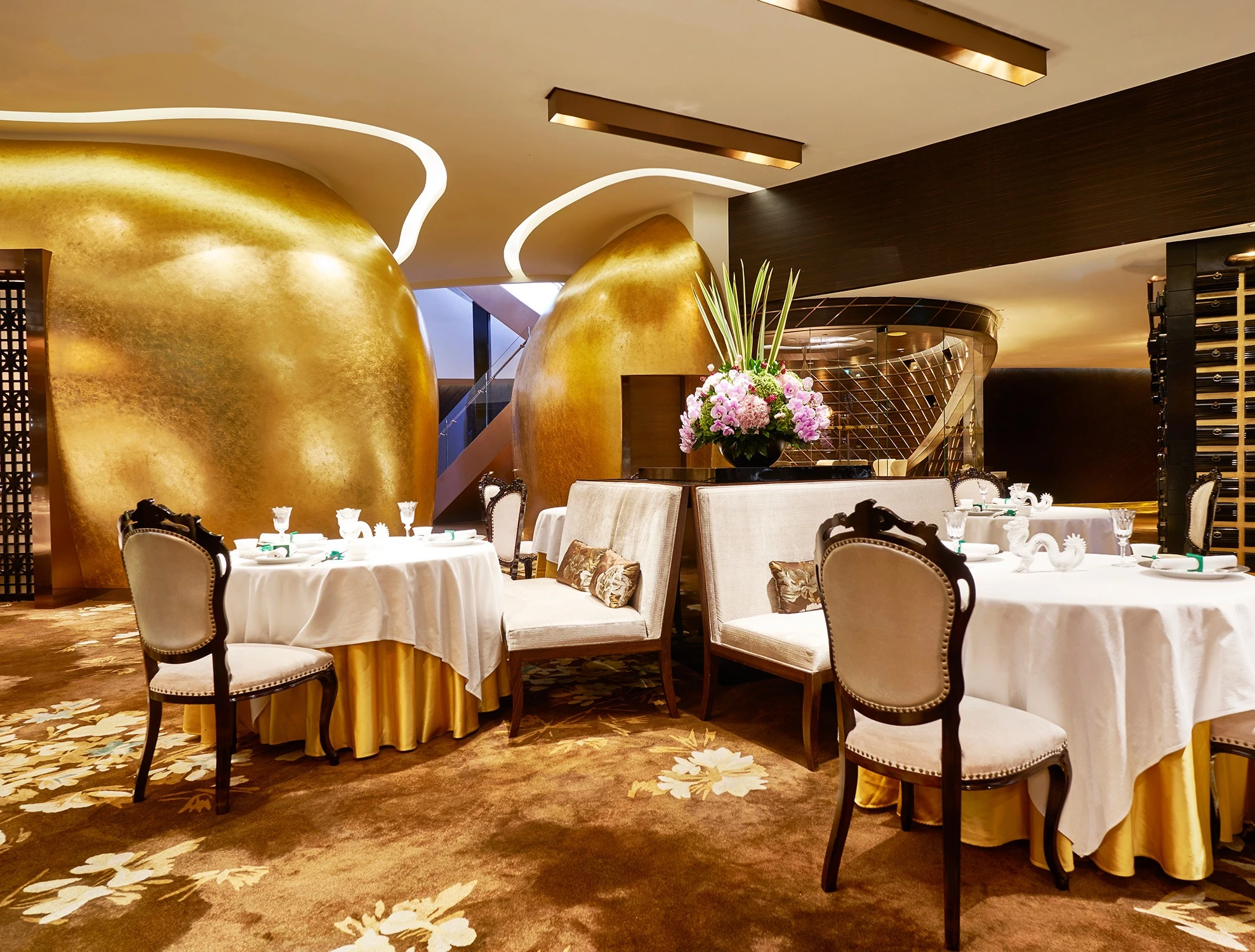
| Chef Tam's Seasons | Modern Cantonese Fine Dining | Macau | Michelin 2 Stars, 50 Best |
| Jade Dragon | Three Michelin-Star Cantonese Fine Dining | Macau | Michelin 3 Stars, 50 Best |
| Les Amis | Classic French Haute Cuisine | Singapore | Michelin 3 Stars, 50 Best |
| Smyth | Modern American Tasting Menu | Chicago | Michelin 3 Stars, 50 Best |
| The Inn at Little Washington | Contemporary American Fine Dining with French Influence | Washington | Michelin 3 Stars |
Similar places
Modern California Fusion Fine Dining
Addison
San Diego, United States
★★★ · 50 Best
Modern Cantonese Fine Dining
Chef Tam's Seasons
Macau, Macau
★★ · 50 Best
Three Michelin-Star Cantonese Fine Dining
Jade Dragon
Macau, Macau
★★★ · 50 Best
Classic French Haute Cuisine
Les Amis
Singapore, Singapore
★★★ · 50 Best
Modern American Tasting Menu
Smyth
Chicago, United States
★★★ · 50 Best
Contemporary American Fine Dining with French Influence
The Inn at Little Washington
Washington, United States
★★★
The Sunday email
Read about the people behind restaurants like RESTAURANT TAKATSU in the Sunday email.
Every Sunday we send a lead story and up to four more about the chefs, winemakers, sommeliers and hoteliers behind the restaurants, bars, wineries and hotels we cover.
Recent stories
Free. One email a week, and you can unsubscribe from any issue.