Revolver
- 01CuisineModern Indian Grill
- 02CitySingapore, Singapore
- Michelin Guide Plate · 2026
- Opinionated About Dining Top Restaurants in Asia Recommended · 2026
- La Liste Top Restaurants: 77pts · 2026
- Michelin Plate · 2024
- Opinionated About Dining Top Restaurants in Asia Ranked #317 · 2024
Where Smoke Meets Spice: Revolver on Tras Street
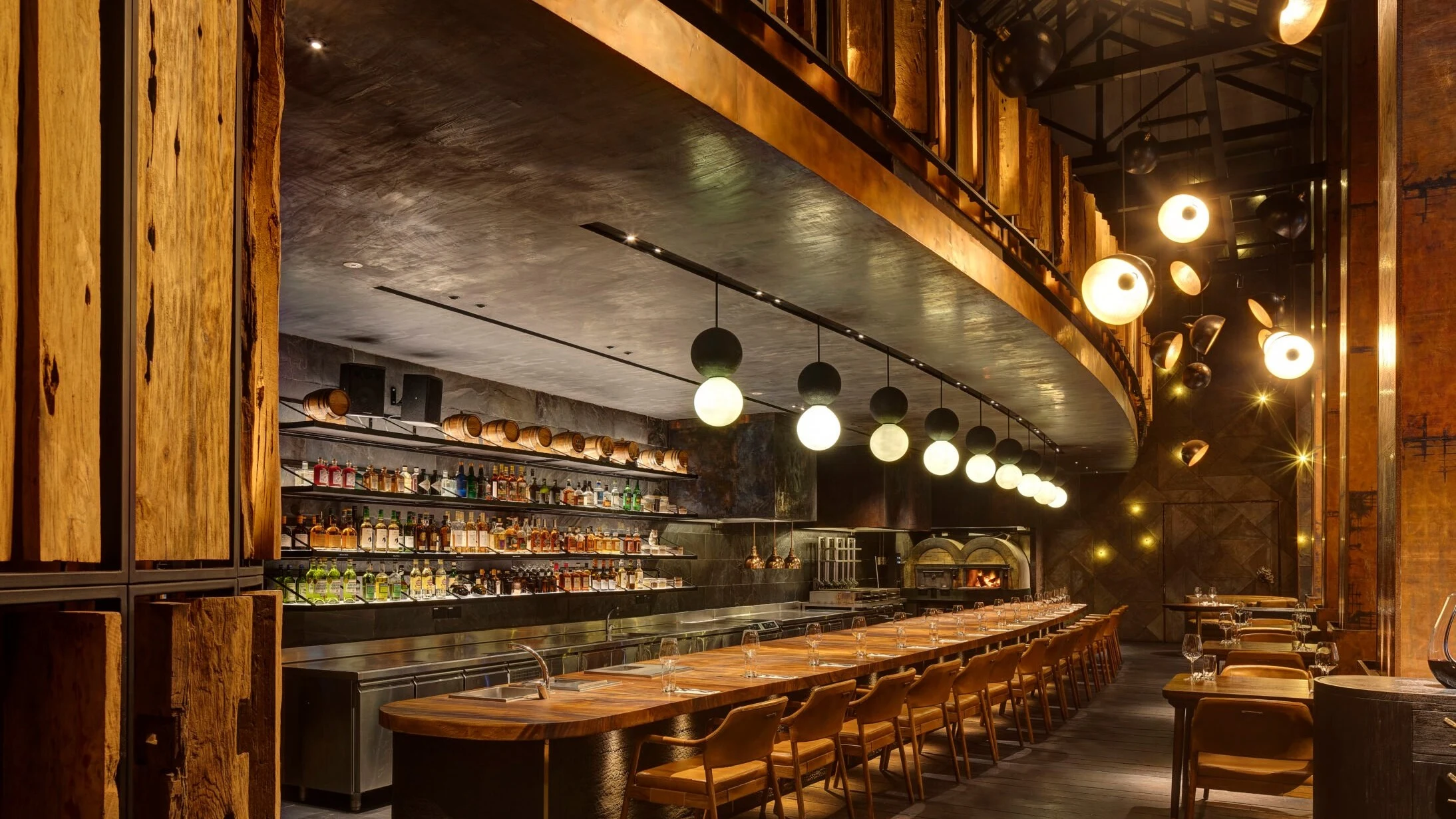
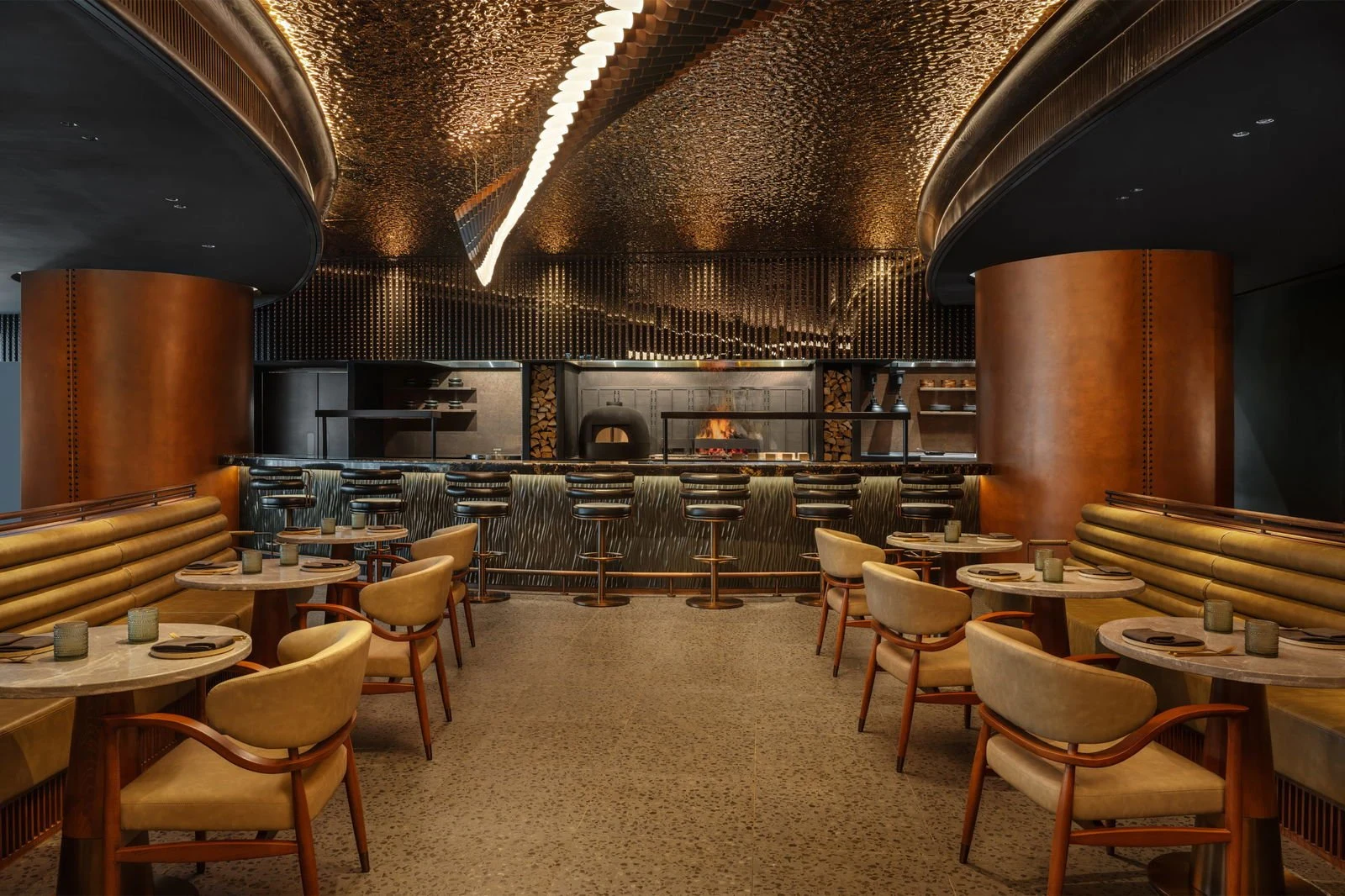
Tanjong Pagar has become one of Singapore's more concentrated corridors for serious dining, with conservation shophouses on streets like Tras providing the physical architecture for a generation of kitchens that take their references from somewhere other than Europe. Revolver occupies that territory with a specific premise: every dish passes through fire, and the spice work behind each one is drawn from the South Asian pantry, reconfigured through a technique-forward Indian grill lens. The dining room is arranged so the kitchen is visible, the open flames are audible, and the progression from raw ingredient to finished plate is part of what you are paying for.
That arrangement is not theatrical for its own sake. In a city where the formal tasting menu format is largely dominated by French-trained technique (see Les Amis, Odette, and Zén for the European-rooted upper tier), Revolver represents a counter-argument: that high-end Indian grilling, with its own deep vocabulary of heat management and spice layering, can anchor a tasting format without concession to the conventions of the French kitchen.
The Spice Architecture: How the Kitchen Thinks
South Asian cooking has always been a spice system before it is a protein system, and Revolver's menu is best understood through that lens. The tandoor is the most familiar reference point for outside observers, but it is only one node in a broader approach that also draws on brazier work, wood-fired grills, a smoker, and direct open-flame finishing. Each heat source extracts something different from the same ingredient, and the spice decisions made before and during cooking are calibrated to what that specific heat will amplify or suppress.
Whole spices behave differently from ground spices at high temperatures. A tandoor running at 450 degrees Celsius will char a whole black cardamom pod and release its eucalyptus-edged camphor character into the surrounding air and the protein resting near it. Ground spice in a marinade at the same temperature risks burning bitter within seconds. The kitchen at Revolver is organised around that knowledge: spices are introduced at different stages and in different forms depending on the cooking method, building what amounts to a layered flavour structure rather than a single seasoning moment. This is the Indian culinary tradition of tempering (tadka), blooming, and building spice depth, translated into a fine-dining sequence where each course arrives carrying a different register of that same underlying logic.
Chef Saurabh Udinia anchors this program at Revolver. The kitchen's South Asian technical foundation is not a mood board or a flavour direction applied over a European base; it is the structural approach from which the international ingredient sourcing then operates. That sequencing matters: the spice architecture comes first, the premium ingredients are selected to work within it.
Format and Positioning in Singapore's Serious Dining Tier
Singapore's upper dining tier has widened considerably over the past decade, but it remains stratified. The city's upper tier is shaped by a small group of high-profile dining rooms. Below it sits a competitive middle tier at the $$$ price point that includes Revolver alongside venues like Jaan by Kirk Westaway and Meta, where the reference system is more diverse and the tasting formats are more exploratory. Revolver's La Liste recognition for 2026 confirms it as a recognised entry in that regional conversation.
The nine-course tasting menu is the primary format, and à la carte remains available. That accessibility matters for guests who want the fire-and-spice approach without the full commitment of a tasting sequence. For comparison, venues like Lazy Bear in San Francisco and Atomix in New York have committed exclusively to fixed tasting formats; Revolver's dual-track model gives it a slightly broader entry point while maintaining the tasting menu as its editorial centrepiece.
The fire-forward cooking methodology also places Revolver in a productive comparative conversation with venues that use heat as a primary flavour tool rather than simply a cooking medium. Burnt Ends in Singapore does this through an Australian barbecue lens at a similar price tier. Revolver does it through South Asian technique with a higher degree of spice complexity and a more formal dining architecture. They are not competing for the same customer on the same night, but they share a city-level conversation about what fire can do when taken seriously.
The Room and the Ritual
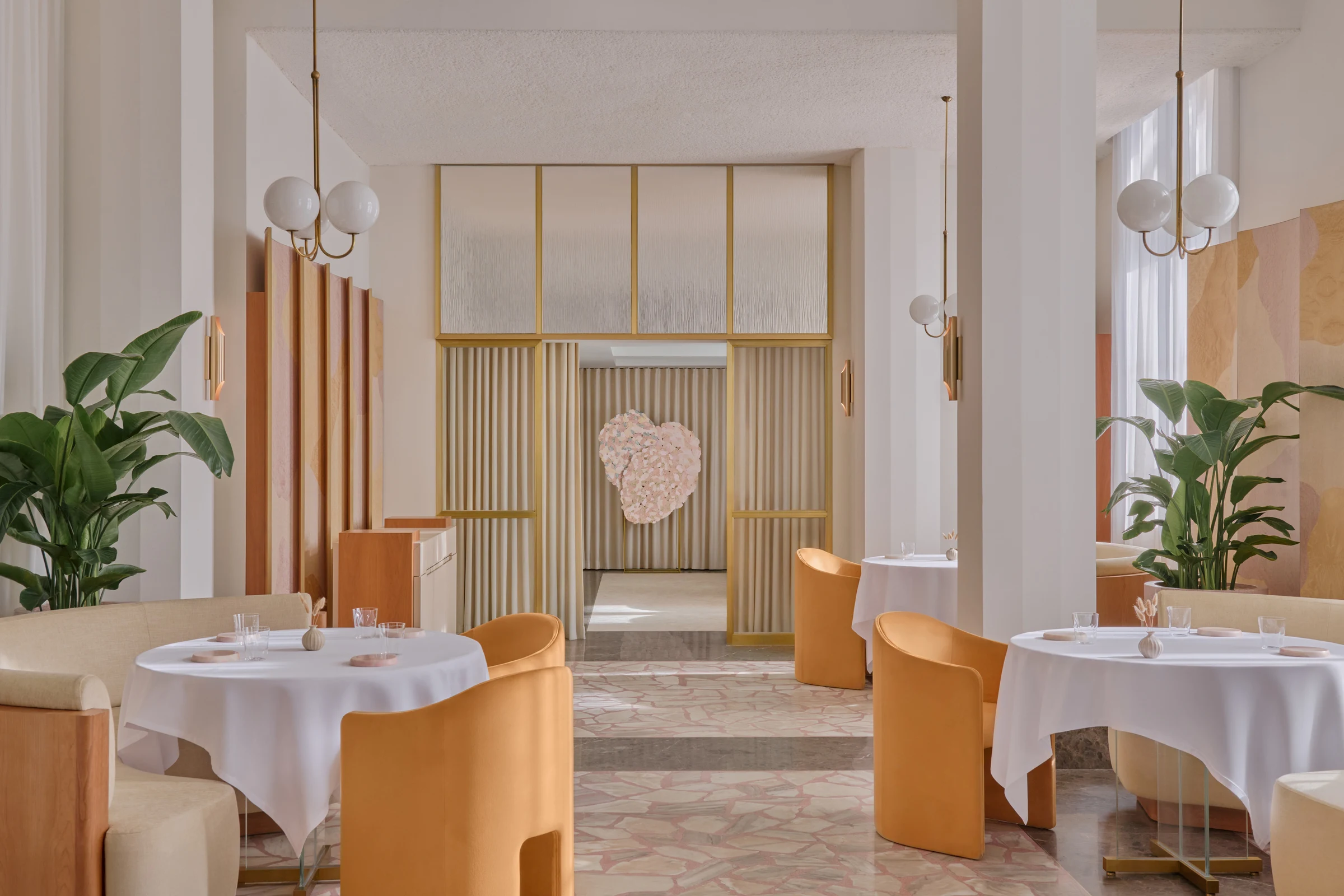
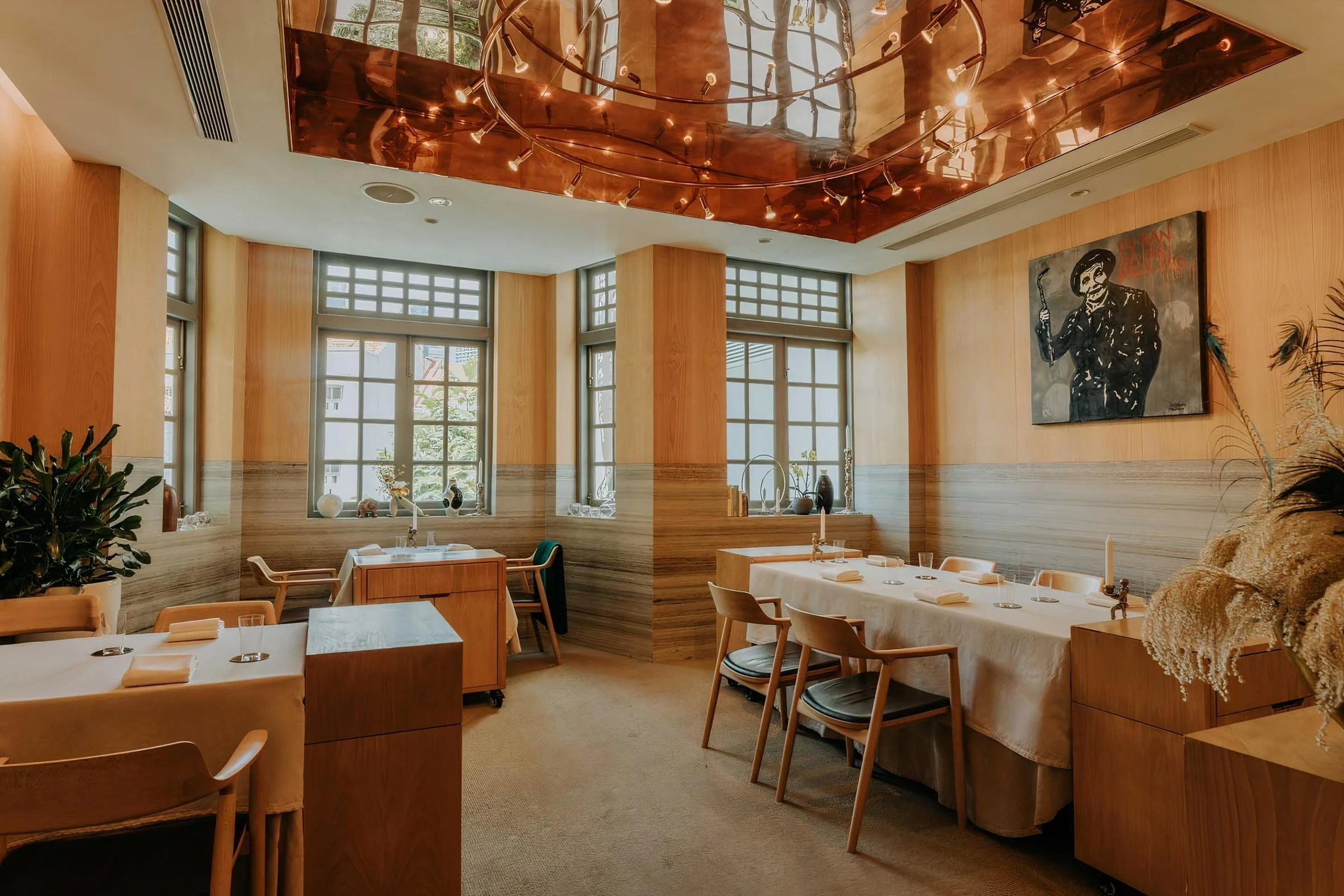
Physical setup on Tras Street places the kitchen in dialogue with the dining room rather than behind a closed door. Dishes move from the counter to the table, often with the final smoke or char applied just before service, which means the sensory environment of the room shifts across the meal. This is a deliberate sequencing choice: courses do not simply arrive, they are completed in the guest's presence. The kitchen operates with a level of consistency and intention that suits the format.
For guests mapping Singapore's dining options against a global comparable set, the reference points are scattered but instructive. The integration of a regional culinary tradition at this level of technical execution is more common in Asia than in Western dining capitals; 8 1/2 Otto e Mezzo Bombana in Hong Kong does something analogous for Italian cooking in a non-Italian context, while restaurants like Aponiente in El Puerto de Santa María demonstrate how a singular cooking philosophy built on one primary ingredient category (in that case, the sea) can generate a coherent fine-dining language. Revolver's equivalent primary category is fire and spice.
Planning Your Visit
Revolver is at 56 Tras Street, Singapore 078995, in Singapore. The restaurant sits at a $90 per-person price level. Google reviews sit at 4.2 across 442 ratings. Booking is essential.
| Venue | Format | Price Tier | Primary Technique | Recognition |
|---|---|---|---|---|
| Revolver | 9-course tasting / à la carte | $$$ | Tandoor, fire, charcoal | Michelin Plate, La Liste 77pts |
| Jaan by Kirk Westaway | Tasting menu | $$$ | British contemporary | Michelin starred |
| Burnt Ends | À la carte | $$$ | Wood fire, charcoal | Michelin starred |
| Zén | Tasting menu | $$$$ | European contemporary | Michelin 3-star |
For global context on how other serious kitchens use fire and regional tradition as a structural base, the programs at Le Bernardin in New York, Emeril's in New Orleans, Alain Ducasse at Louis XV in Monte Carlo, and Alléno Paris au Pavillon Ledoyen each represent a different answer to the same question Revolver is asking: what happens when a kitchen commits fully to a single organising philosophy and builds everything around it.
Questions
Frequently asked
How expensive is Revolver?
Revolver is listed at a price level of $$$$.
Where is Revolver and what does it serve?
Revolver is in CHINATOWN, Singapore, serving Modern Indian Grill.
The field
How it compares
| Place | Cuisine | Notes | Awards |
|---|---|---|---|
| Revolver | Modern Indian Grill | CHINATOWN, $$$$ | · |
| Born | Contemporary Fusion Fine Dining | Singapore | Michelin 1 Star, World's 50 Best |
| Burnt Ends | Modern Australian Barbecue | Singapore | Michelin 1 Star, World's 50 Best |
| Jaan by Kirk Westaway | Modern British Fine Dining | Singapore | Michelin 2 Stars, World's 50 Best |
| Les Amis | Classic French Haute Cuisine | Singapore | Michelin 3 Stars, World's 50 Best |
| Odette | Modern French Fine Dining | Singapore | Michelin 3 Stars, World's 50 Best |
| Zén | Neo-Nordic with Japanese Influences | Singapore | Michelin 3 Stars, World's 50 Best |
Similar places
Contemporary Fusion Fine Dining
Born
Singapore, Singapore
★ · 50 Best
Modern Australian Barbecue
Burnt Ends
Singapore, Singapore
★ · 50 Best
Modern British Fine Dining
Jaan by Kirk Westaway
Singapore, Singapore
★★ · 50 Best
Classic French Haute Cuisine
Les Amis
Singapore, Singapore
★★★ · 50 Best
Modern French Fine Dining
Odette
Singapore, Singapore
★★★ · 50 Best
Neo-Nordic with Japanese Influences
Zén
Singapore, Singapore
★★★ · 50 Best