Rootstalk
In Residence
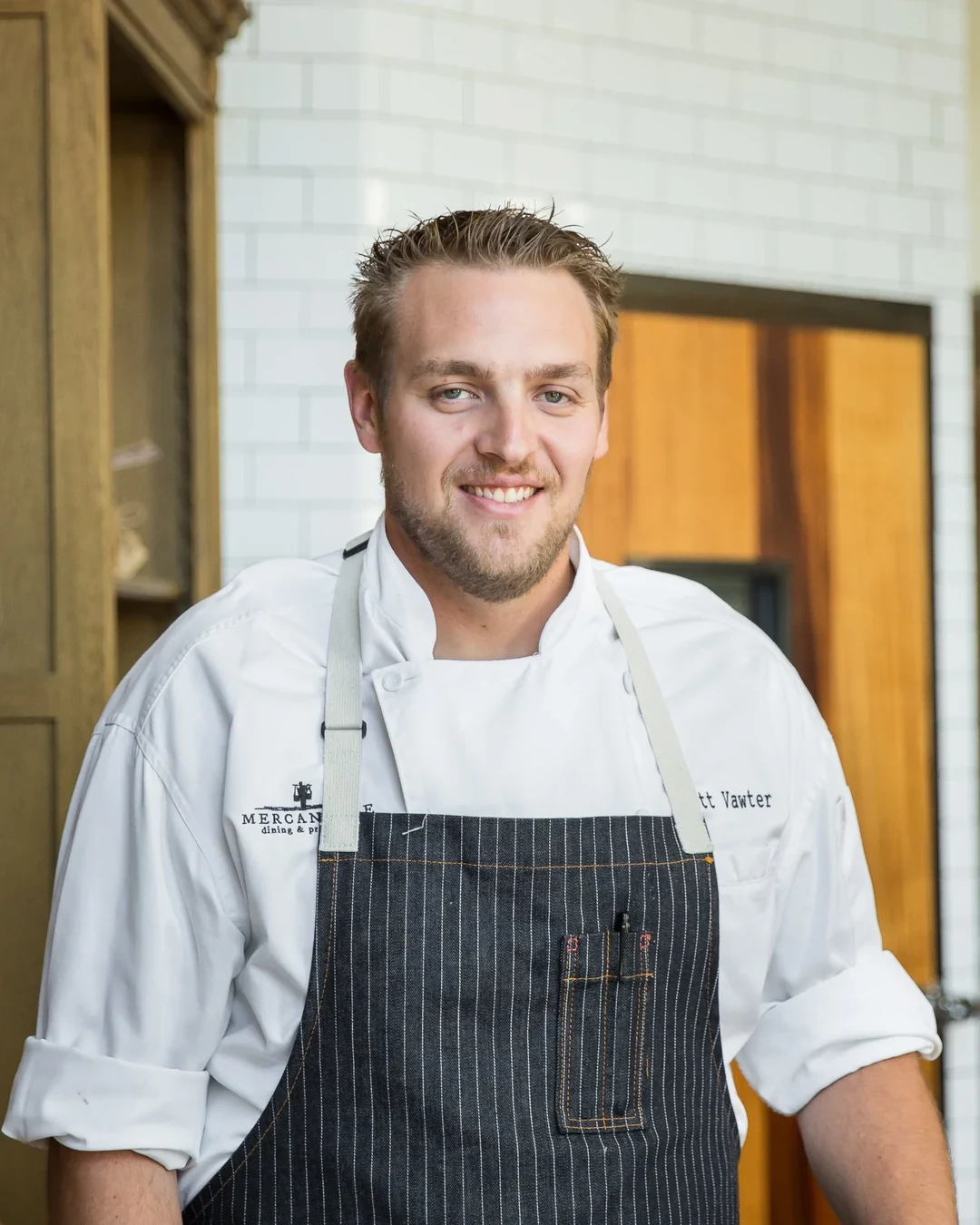
Matt Vawter
Other
- 01CuisineContemporary American Farm-to-Table
- 02CityBreckenridge, United States
- Michelin Plate: 100pts · 2026
Ingredient-Led Cooking in the High Rockies
Mountain resort towns occupy an awkward position in any serious dining conversation. The economics favour volume: high turnover, seasonal visitors, menus engineered for the widest possible appeal. Against that backdrop, the restaurants that choose a harder route, sourcing with intent, cooking with a defined point of view, tend to announce themselves clearly, even when they resist the promotional language that makes them easy to categorise. Rootstalk, at 207 N Main St in Breckenridge, sits in that more deliberate category. The address places it on Main Street in Breckenridge, Colorado, a location that makes supply chains genuinely complicated and sourcing discipline genuinely difficult. When a restaurant in this environment chooses to organise itself around where its ingredients come from, that choice has practical weight in a way it wouldn't in, say, Denver or Boulder.
Colorado's mountain dining scene has historically lagged its urban counterparts. The Front Range cities built their farm-to-table infrastructure over two decades; Breckenridge, like most ski resort towns, moved more slowly, constrained by altitude logistics, shorter operating seasons, and a customer base that often prioritises convenience over complexity. That gap has been narrowing. A handful of mountain kitchens have begun importing the sourcing rigour more associated with urban fine-dining programs, the kind of relationship-driven ingredient work you see at Single Thread Farm in Healdsburg or Blue Hill at Stone Barns in Tarrytown, and applying it at altitude, with all the logistical friction that entails.
The Sourcing Argument at Altitude
The broader American fine-dining conversation around sourcing has matured significantly. Ingredient provenance is no longer a marketing differentiator at the top of the market, it is a baseline expectation. At restaurants like Le Bernardin in New York City or Providence in Los Angeles, sourcing specificity is built into the kitchen's operating logic at a structural level. The question for mountain-town restaurants is whether that same discipline is achievable when you are operating in a compressed season, at altitude, with a supply network that doesn't have the depth of a major metropolitan market.
Colorado does offer real agricultural resources: ranches on the Western Slope, producers in the San Luis Valley, mushroom foragers working the high-country forests in summer and early autumn. A kitchen in Breckenridge that builds relationships with those producers rather than defaulting to broadline distribution is making a specific choice about what kind of restaurant it wants to be. That choice shapes everything downstream: the menu's range, the kitchen's flexibility, the degree to which the cooking actually reflects the season and the geography. It is, in the Colorado context, the difference between a restaurant that happens to be in the mountains and one that is genuinely of the mountains.
Nationally, the restaurants that have most successfully built their identity around sourcing relationships, The French Laundry in Napa, Bacchanalia in Atlanta, Addison in San Diego, have done so by making the supply relationship visible in the dining experience, not just the marketing copy. The ingredient's origin becomes a point of conversation, its seasonality a structuring principle for the menu. That level of integration takes years to build and is considerably harder to execute at a high-mountain address than at sea level.
Where Rootstalk Sits in the Regional Picture
Colorado's most talked-about ingredient-driven kitchens are concentrated on the Front Range. Brutø in Denver and Frasca Food & Wine in Boulder represent the upper bracket of that conversation, with sourcing programs and supplier relationships built over many years. Breckenridge operates at a different scale and serves a different primary audience, resort visitors and second-home owners rather than a dense local dining public, but that doesn't make the sourcing question less interesting. If anything, it makes a committed kitchen more conspicuous.
The comparison set for a restaurant like Rootstalk isn't Alinea in Chicago or Atomix in New York City, where the peer group is defined by tasting-menu formalism and award-cycle recognition. It is closer to the cohort of regional American restaurants, Lazy Bear in San Francisco, Emeril's in New Orleans, The Inn at Little Washington in Washington, that have built durable reputations by rooting their cooking in a specific place and its specific agricultural character. The ambition is locational rather than formal. The question is whether the kitchen consistently delivers on that premise.
For visitors arriving in Breckenridge from resort-focused alternatives, Rootstalk's Main Street address on the 200 block makes it direct to reach on foot from the central ski area base. The practical logistics of a ski-town visit, early lifts, variable weather, equipment, mean that planning a dinner reservation in advance makes sense, particularly during peak winter season (late November through March) and the summer festival calendar (July and August), when Breckenridge's visitor numbers compress the available reservation inventory across all its serious dining options. The town's altitude also affects how visitors feel in their first 24 to 48 hours, which is worth considering when timing a longer dinner.
Visitors who have worked through the sourcing-led dining rooms at Causa in Washington, D.C., ITAMAE in Miami, or 8½ Otto e Mezzo Bombana in Hong Kong will recognise the editorial logic Rootstalk is operating within, even if the mountain-resort context gives it a different texture. The core proposition, that a kitchen should reflect the geography and agricultural season of its location, is consistent across those references. What changes is the degree of difficulty. Executing that proposition in Breckenridge requires navigating supply constraints, altitude logistics, and a visitor-heavy customer base that many of those other kitchens don't face. That difficulty, when a kitchen works through it successfully, is precisely what makes the result worth seeking out.
Rootstalk is located at 207 N Main St, Breckenridge, CO 80424.
Questions
Frequently asked
Who works at Rootstalk?
Made By profiles Matt Vawter (Other) at Rootstalk.
How expensive is Rootstalk?
Rootstalk is listed at a price level of $$$$.
Where is Rootstalk and what does it serve?
Rootstalk is in Downtown Breckenridge, Breckenridge, serving Contemporary American Farm-to-Table.
The field
How it compares
| Place | Cuisine | Notes | Awards |
|---|---|---|---|
| Rootstalk | Contemporary American Farm-to-Table | Downtown Breckenridge, $$$$ | · |
| Barndiva | Contemporary American Farm-to-Table | Healdsburg | · |
| Benu | Modern Asian Fusion Fine Dining | San Francisco | Michelin 3 Stars, World's 50 Best |
| Blue Duck Tavern | Contemporary American Farm-to-Table | Washington DC | · |
| KOL | Modern Mexican Fine Dining | London | Michelin 1 Star, World's 50 Best |
| Steirereck im Stadtpark | Modern Austrian Fine Dining | Vienna | Michelin 3 Stars, World's 50 Best |
| The Chairman | Traditional Cantonese | Hong Kong | Michelin 1 Star, World's 50 Best |
In residence
Similar places
Contemporary American Farm-to-Table
Barndiva
Healdsburg, United States
Modern Asian Fusion Fine Dining
Benu
San Francisco, United States
★★★ · 50 Best
Contemporary American Farm-to-Table
Blue Duck Tavern
Washington DC, United States
Modern Mexican Fine Dining
KOL
London, United Kingdom
★ · 50 Best
Modern Austrian Fine Dining
Steirereck im Stadtpark
Vienna, Austria
★★★ · 50 Best
Traditional Cantonese
The Chairman
Hong Kong, Hong Kong
★ · 50 Best