Ruse
- 01CuisineModern Eastern Shore American
- 02CitySt. Michaels, United States
- 03RecognitionJames Beard Award
- James Beard Winner · James Beard Foundation
- James Beard Award Semi Finalist · 2025
North Talbot Street and What the Shore Produces
Saint Michaels sits on the Miles River, a few miles off the Chesapeake proper, and the town’s dining culture has always tracked the rhythms of what the bay and the surrounding Talbot County farmland make available. Crab, oysters, rockfish, and soft-shell in season; root vegetables and grain from the flat agricultural interior. For a restaurant like Ruse, operating at 209 N Talbot St in this context, the sourcing conversation is not aspirational, it is geographic. The Eastern Shore is one of the few places in the mid-Atlantic where a kitchen can draw on estuary seafood, waterman-harvested shellfish, and small-scale farm production within a radius that keeps both quality and supply chain integrity intact. Ruse is a modern American seafood restaurant in St Michaels.
That specificity matters when you consider where ingredient-led American dining has moved over the past decade. Restaurants like Blue Hill at Stone Barns in Tarrytown and Single Thread Farm in Healdsburg have built their reputations on the demonstrable relationship between a specific piece of land or water and what arrives on the plate. The Eastern Shore has its own version of that logic, older and less theorized: watermen who have worked the same oyster grounds for generations, family farms on the peninsula’s flat interior, and a seasonal calendar that has driven local cooking long before “farm-to-table” became a category. Ruse operates inside that inherited framework.
The Feel of the Room and How It Fits the Town
Saint Michaels draws a particular kind of visitor: DC and Baltimore residents who own or rent on the water, sailors who know the Chesapeake circuit, and a growing number of destination travelers who have discovered that the Eastern Shore offers a density of serious food relative to its size that most small American towns cannot match. The town’s main commercial strip along Talbot Street holds a concentrated set of options, and Ruse sits within that walkable core. The physical scale of a town this size, Saint Michaels has a permanent population of under two thousand, means a restaurant cannot rely on foot traffic volume. Reputation and word of mouth do the work that marketing does elsewhere.
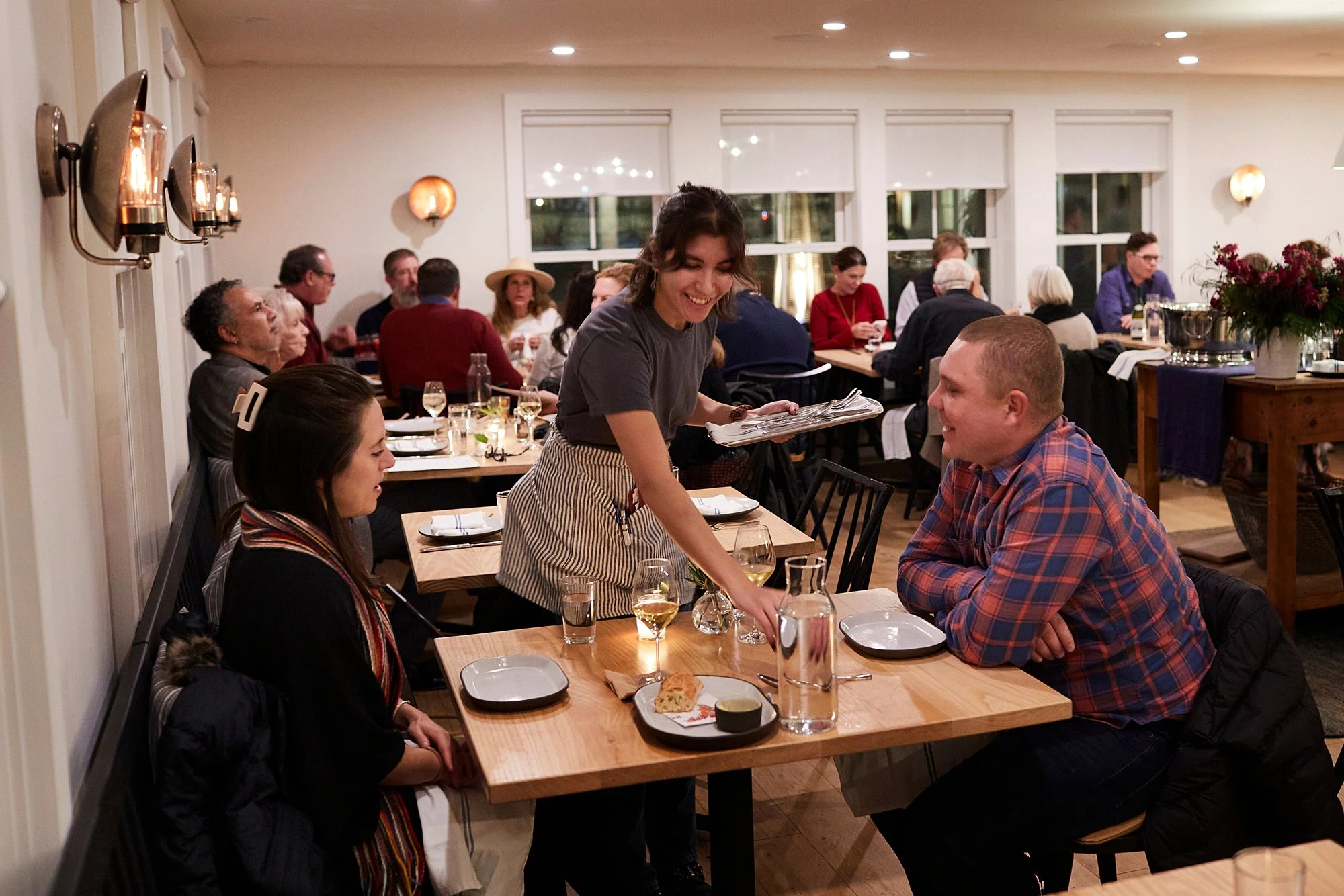
That dynamic tends to produce a specific kind of atmosphere: rooms that read as personal and considered rather than designed for throughput, service that assumes the guest has made a deliberate choice rather than a convenient one. The broader Mid-Atlantic small-town fine-casual format, which has developed most visibly in towns like Easton (fifteen minutes inland) and Oxford (across the Tred Avon), rewards kitchens that commit to a clear point of view. Ruse’s address on North Talbot places it where visitors to the historic district naturally move, within walking distance of the Maritime Museum and the town dock.
Sourcing as the Organizing Principle
The Eastern Shore’s ingredient identity comes from water and agriculture in roughly equal measure. The Chesapeake Bay blue crab remains one of the defining ingredients of Maryland cooking, harvested by independent watermen, deeply seasonal, and subject to annual stock variations that make each season’s supply genuinely unpredictable. Oysters from the Chester, Choptank, and Little Choptank rivers have developed a regional identity serious enough to attract attention from the kind of raw bar programs found in cities like New York and Washington. Rockfish (striped bass) has a legal season that runs from late spring through winter, creating natural menu transitions that ingredient-driven kitchens use rather than resist.
The agricultural dimension is less discussed but equally defining. Talbot County’s farms produce corn, soybeans, and wheat at commodity scale, but the smaller operations, vegetable growers, poultry producers, heritage breed livestock farms, supply the kind of differentiated product that restaurant kitchens at Ruse’s level require. The distance between a Talbot County vegetable farm and a kitchen on Talbot Street is, in many cases, under twenty miles. That compression of supply chain is not incidental; it is what allows a kitchen to change a dish based on what arrived that morning rather than what was ordered three days ago.
This sourcing discipline places Ruse in a recognizable American tier: not the multi-day tasting format of Alinea in Chicago or the estate-integrated model of The French Laundry in Napa, but closer in spirit to the committed regional sourcing that defines places like Bacchanalia in Atlanta or Frasca Food & Wine in Boulder, restaurants that have built credibility through a specific relationship to place rather than through technical spectacle.
Saint Michaels in the Broader Eastern Seaboard Dining Map
The Eastern Shore has never competed with Washington or Baltimore for dining attention in the way that, say, the Hudson Valley competes with New York. It operates on a different register: seasonal, quieter, dependent on visitors who seek it out rather than stumble upon it. That positioning is changing. The post-pandemic reappraisal of smaller destination towns accelerated interest in places like Saint Michaels, and the dining options along the shore have responded with more ambition and more consistency than the market would have supported a decade ago.
For context on the regional appetite that Ruse serves, the nearest peer group is drawn from towns along the upper Chesapeake and Delmarva corridor rather than from urban dining scenes. The Inn at Little Washington, across the Bay in the Virginia foothills, established that serious destination dining can sustain itself far from a major city when the sourcing, the room, and the consistency justify the trip. The Eastern Shore’s argument is similar, built on different geography but the same premise: that ingredient access and a committed kitchen can produce an experience worth planning around.
The town’s accommodation options range from inn-format properties along the water to rental houses in the historic district, and the seasonal calendar, the Chesapeake’s warmest months run from May through October, aligns with peak availability for the bay’s most sought-after ingredients.
For ingredient-led American restaurants operating at comparable ambition in other cities, Lazy Bear in San Francisco, Providence in Los Angeles, Addison in San Diego, Brutø in Denver, Causa in Washington, D.C., ITAMAE in Miami, Atomix in New York City, Le Bernardin in New York City, Emeril’s in New Orleans, and 8 1/2 Otto e Mezzo Bombana in Hong Kong each represent a different national or international expression of the same commitment to sourcing clarity and culinary specificity.
Questions
Frequently asked
What recognition does Ruse hold?
Ruse holds a James Beard award.
How expensive is Ruse?
Ruse is listed at a price level of $$$$.
Where is Ruse and what does it serve?
Ruse is in St. Michaels, St. Michaels, serving Modern Eastern Shore American.
The field
How it compares
| Place | Awards | Cuisine | Notes |
|---|---|---|---|
| Ruse | James Beard | Modern Eastern Shore American | St. Michaels, $$$$ |
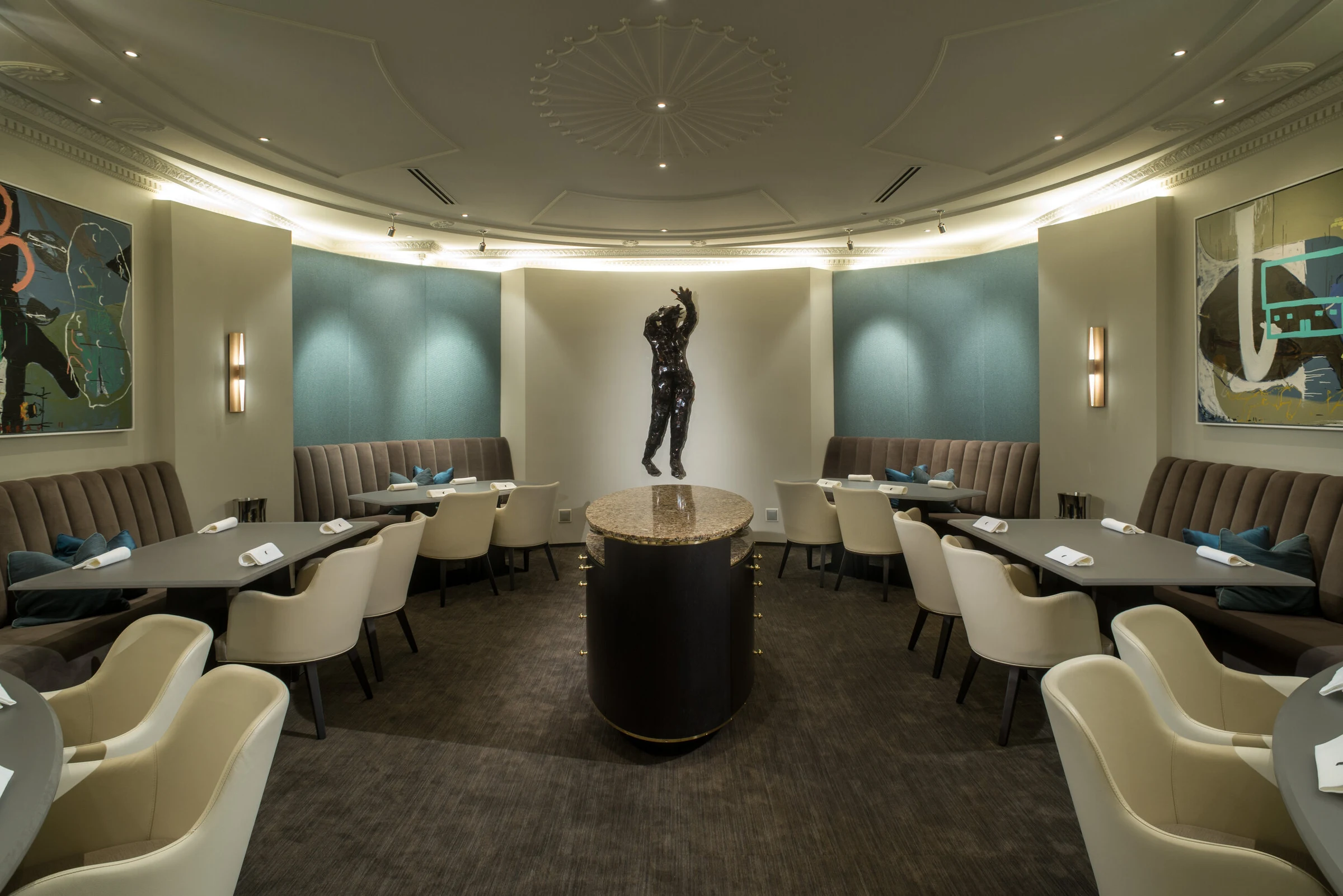
| Alinea | Michelin 3 Stars, World's 50 Best | Avant-Garde Molecular Gastronomy | Chicago |
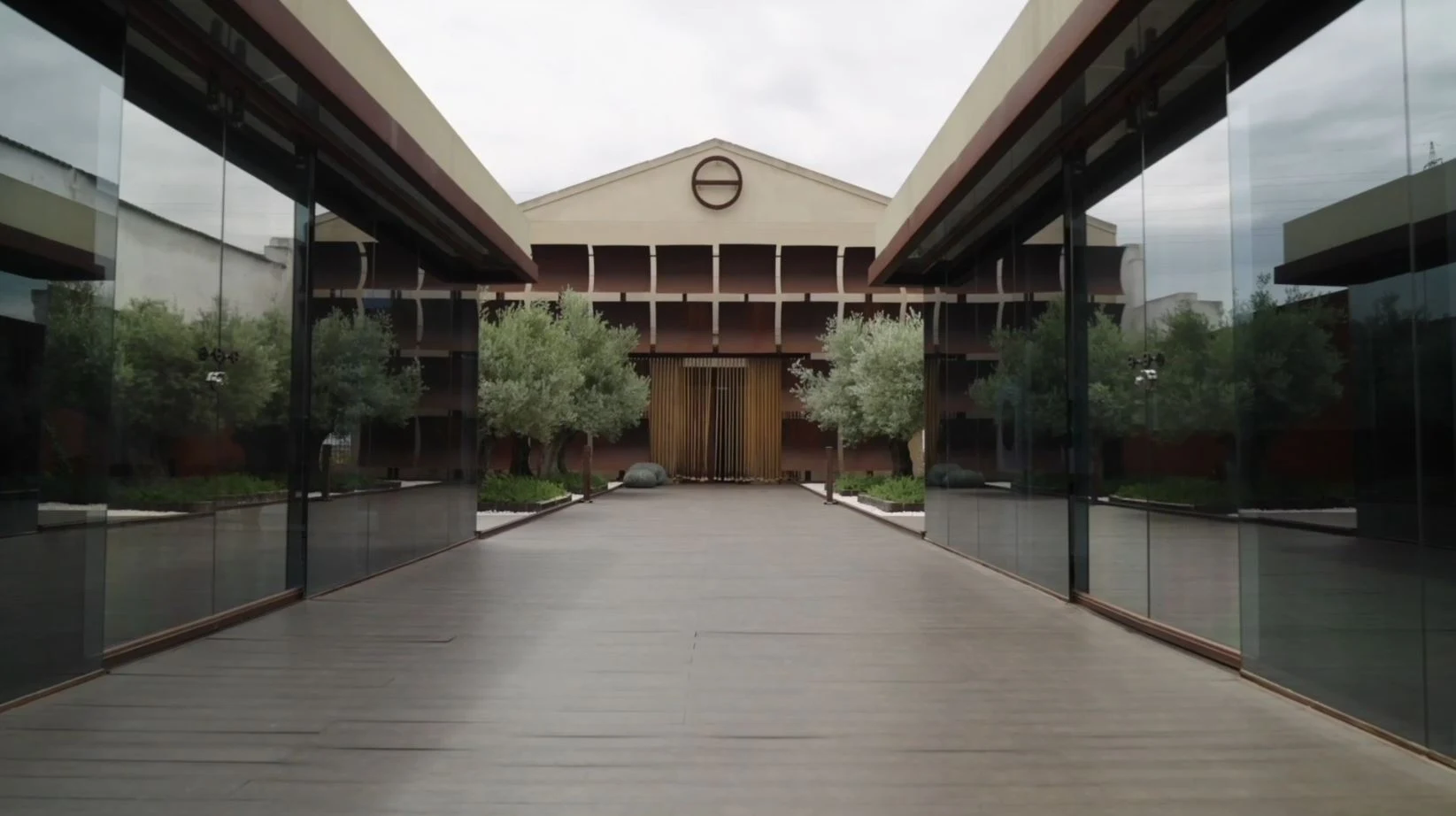
| Aponiente | Michelin 3 Stars, World's 50 Best | Avant-Garde Marine Seafood | El Puerto de Santa María |
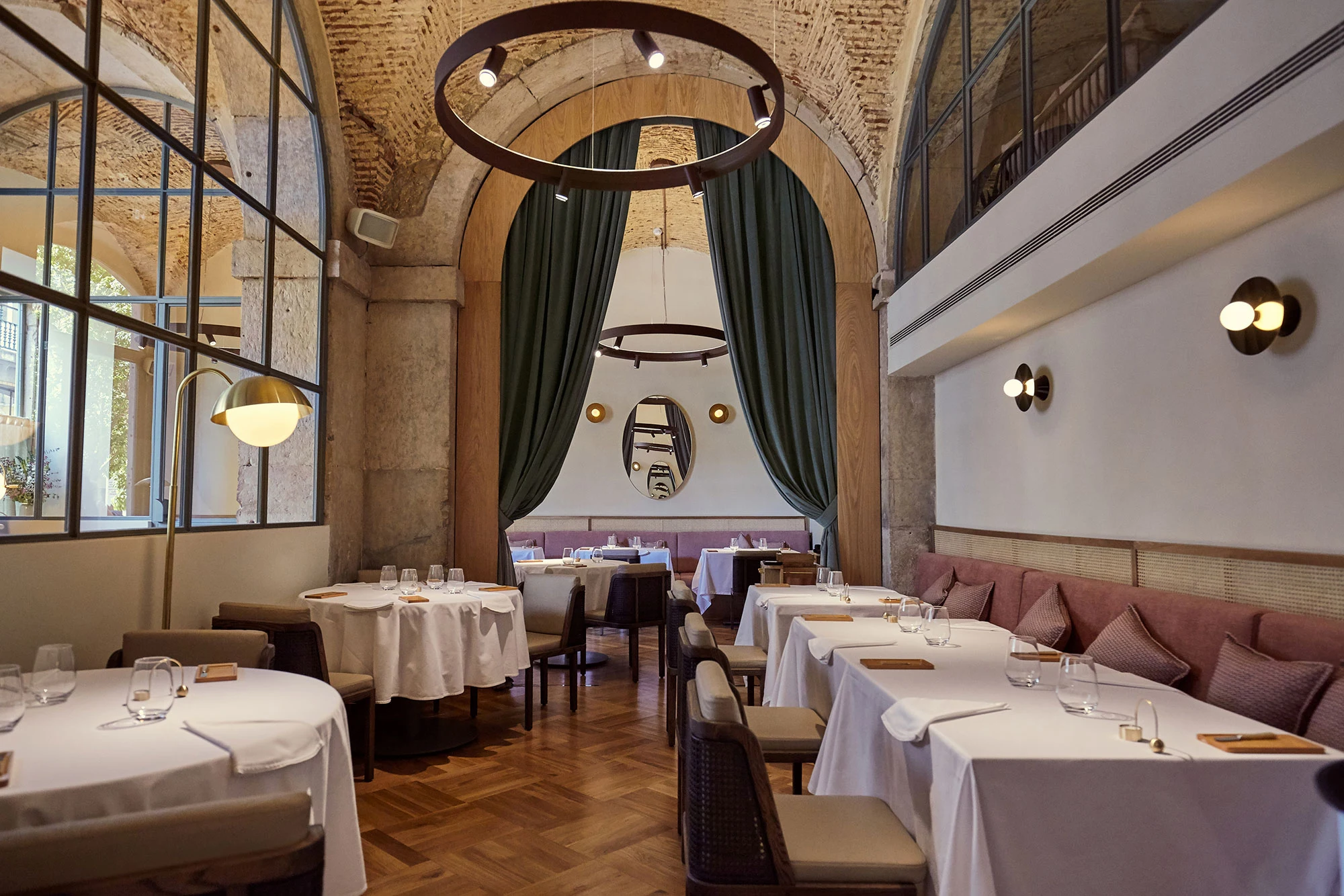
| Belcanto | Michelin 2 Stars, World's 50 Best | Contemporary Portuguese Fine Dining | Lisbon |
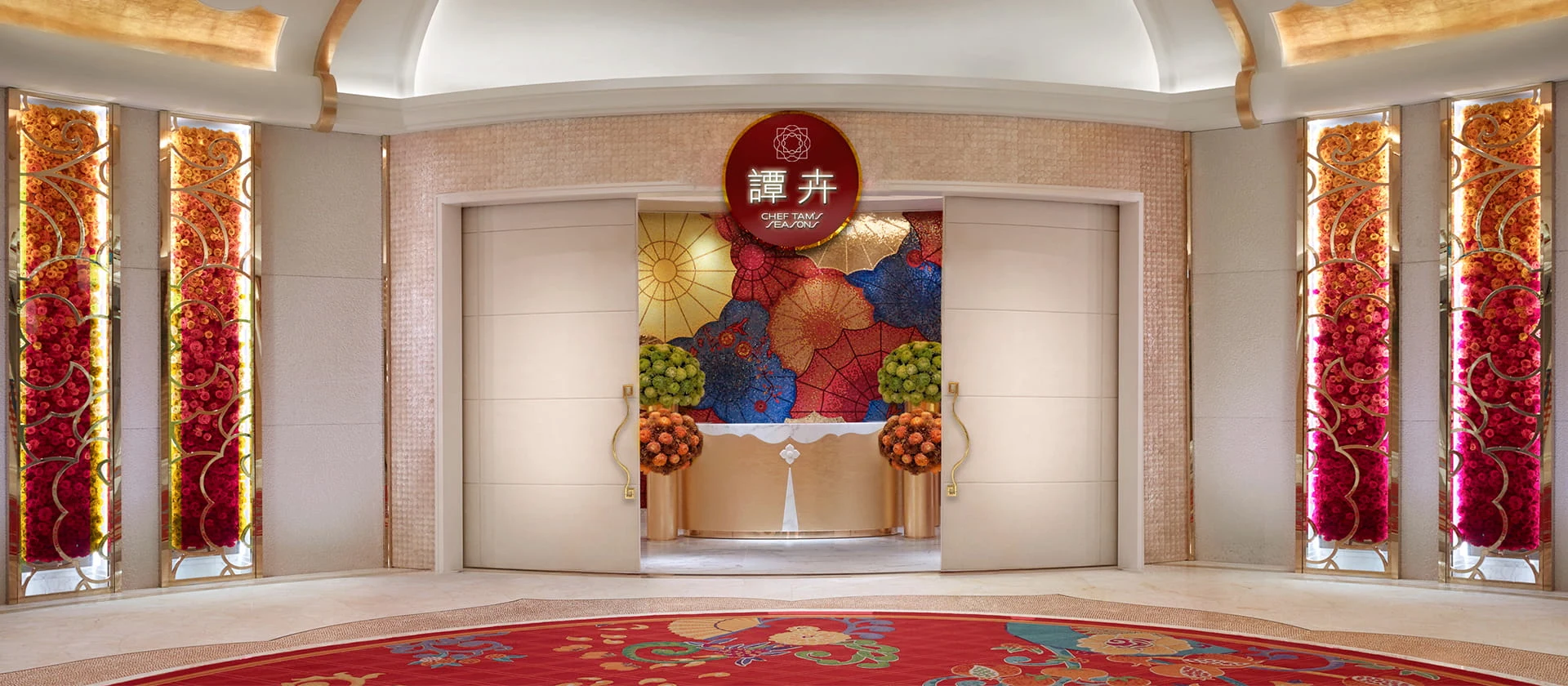
| Chef Tam's Seasons | Michelin 2 Stars, World's 50 Best | Modern Cantonese Fine Dining | Macau |
| Saison | Michelin 2 Stars, World's 50 Best | Modern Fire-Forward Fine Dining | San Francisco |
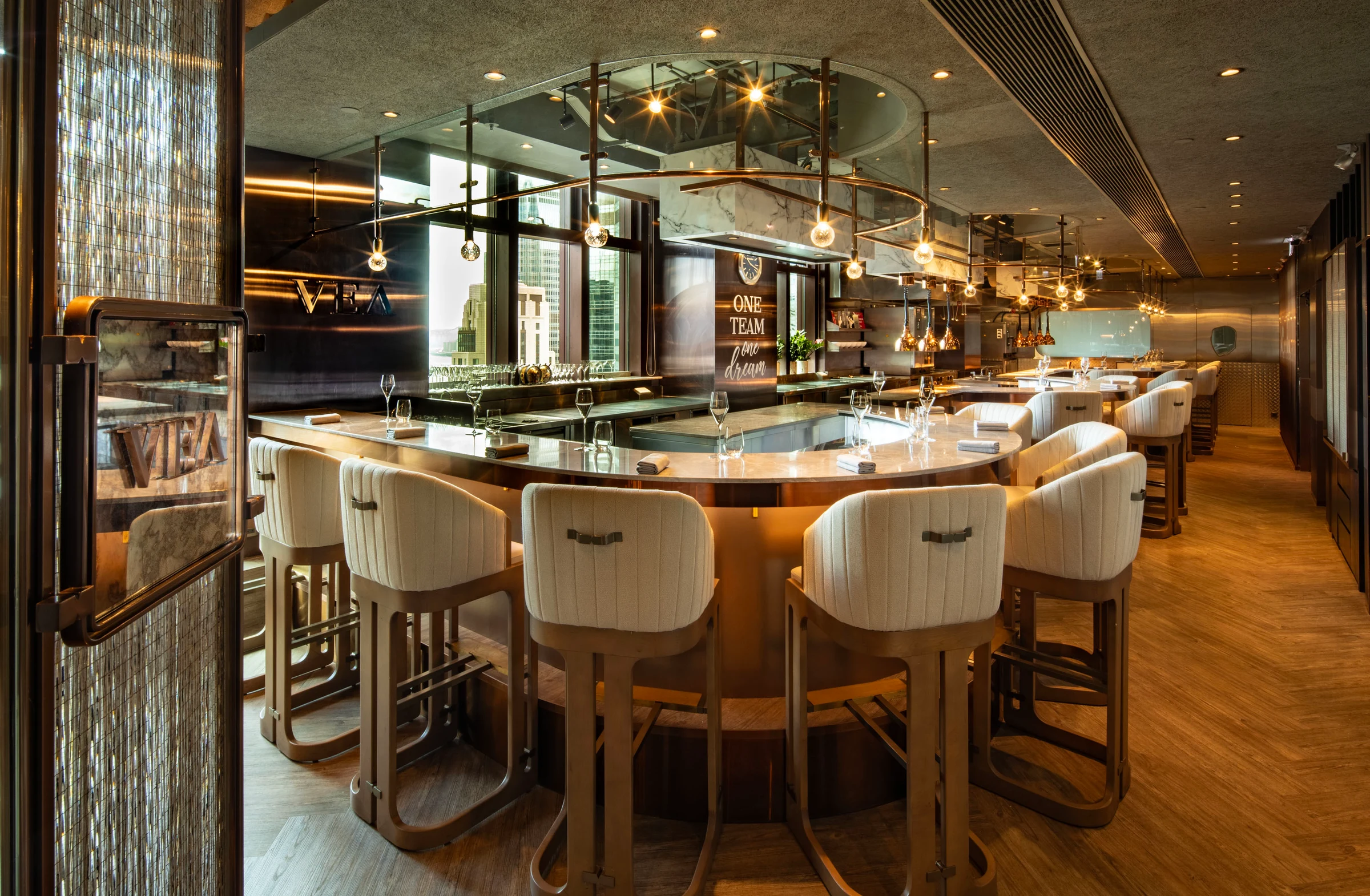
| Vea | Michelin 1 Star, World's 50 Best | Modern Chinese-French Fusion | Hong Kong |
Similar places
Avant-Garde Molecular Gastronomy
Alinea
Chicago, United States
★★★ · 50 Best
Avant-Garde Marine Seafood
Aponiente
El Puerto de Santa María, Spain
★★★ · 50 Best
Contemporary Portuguese Fine Dining
Belcanto
Lisbon, Portugal
★★ · 50 Best
Modern Cantonese Fine Dining
Chef Tam's Seasons
Macau, Macau
★★ · 50 Best
Modern Fire-Forward Fine Dining
Saison
San Francisco, United States
★★ · 50 Best
Modern Chinese-French Fusion
Vea
Hong Kong, Hong Kong
★ · 50 Best