Sake No Hana
- 01CuisineModern Japanese Izakaya
- 02CityNew York City, United States
Sake-led izakaya small plates
- Wine Spectator · Tier 1
- Wine Spectator Award of Excellence · 2026
Small plates at the izakaya pass
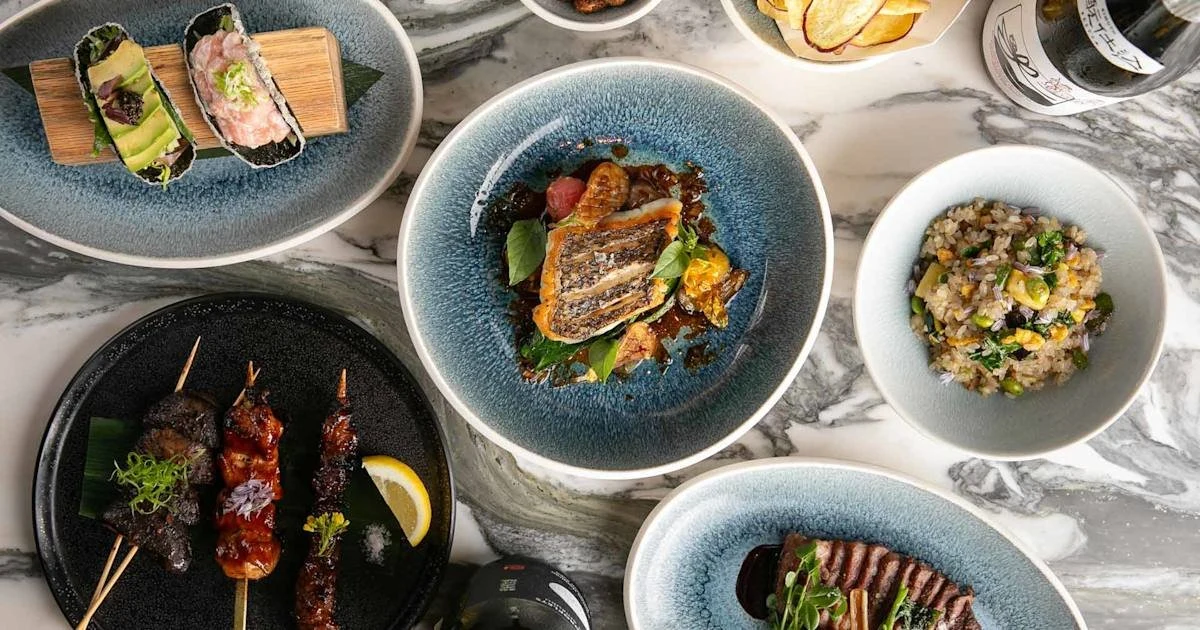
A yakitori skewer leaves the pass at Sake No Hana in New York City, one small plate among a room built for motion. The format is a modern Japanese izakaya, where the meal moves by accumulation rather than ceremony: tartare, beef, skewers, sushi, sake. That structure asks the kitchen to make season, sequence, vessel and appetite answer to one another without a fixed progression to lean on. Spicy Tuna Tartare brings knife work and temperature to the front. Wagyu beef asks for heat control and restraint. Yakitori skewers make the grill a test of timing, fat and smoke. Creative sushi rolls give the counter another register, less formal than kaiseki, still dependent on rice, cut and hand.
Small plates carried by sake
The format is small plates and a la carte, which suits a kitchen built around passing plates across the table rather than fixing the meal into a single arc. Sake is the beverage focus, not an afterthought, and the program sits beside an exceptional wine program. That pairing matters because the food leans across several kinds of texture: the clean fat of Wagyu beef, the heat and char of yakitori skewers, the cold snap of Spicy Tuna Tartare, the polished rice work of sushi. Modern Japanese izakaya cooking can turn vague when it borrows the mood and forgets the method. Here, the stronger idea is in the stations: grill, counter, cold preparation, pass. Each asks for a different hand, and each gives sake a different job at the table, from lift to quieting sweetness to a clean finish after smoke.
Beneath the catwalk
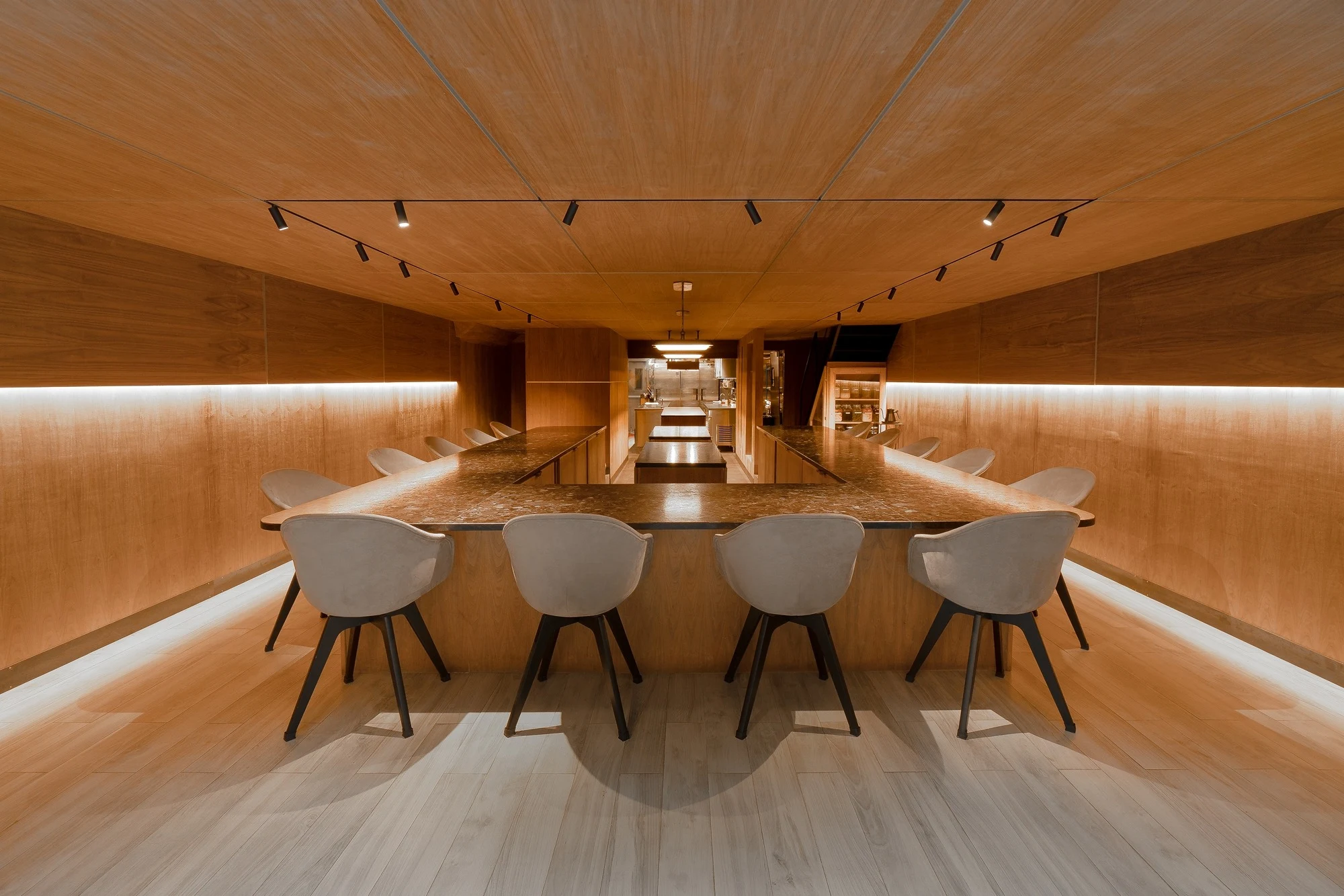
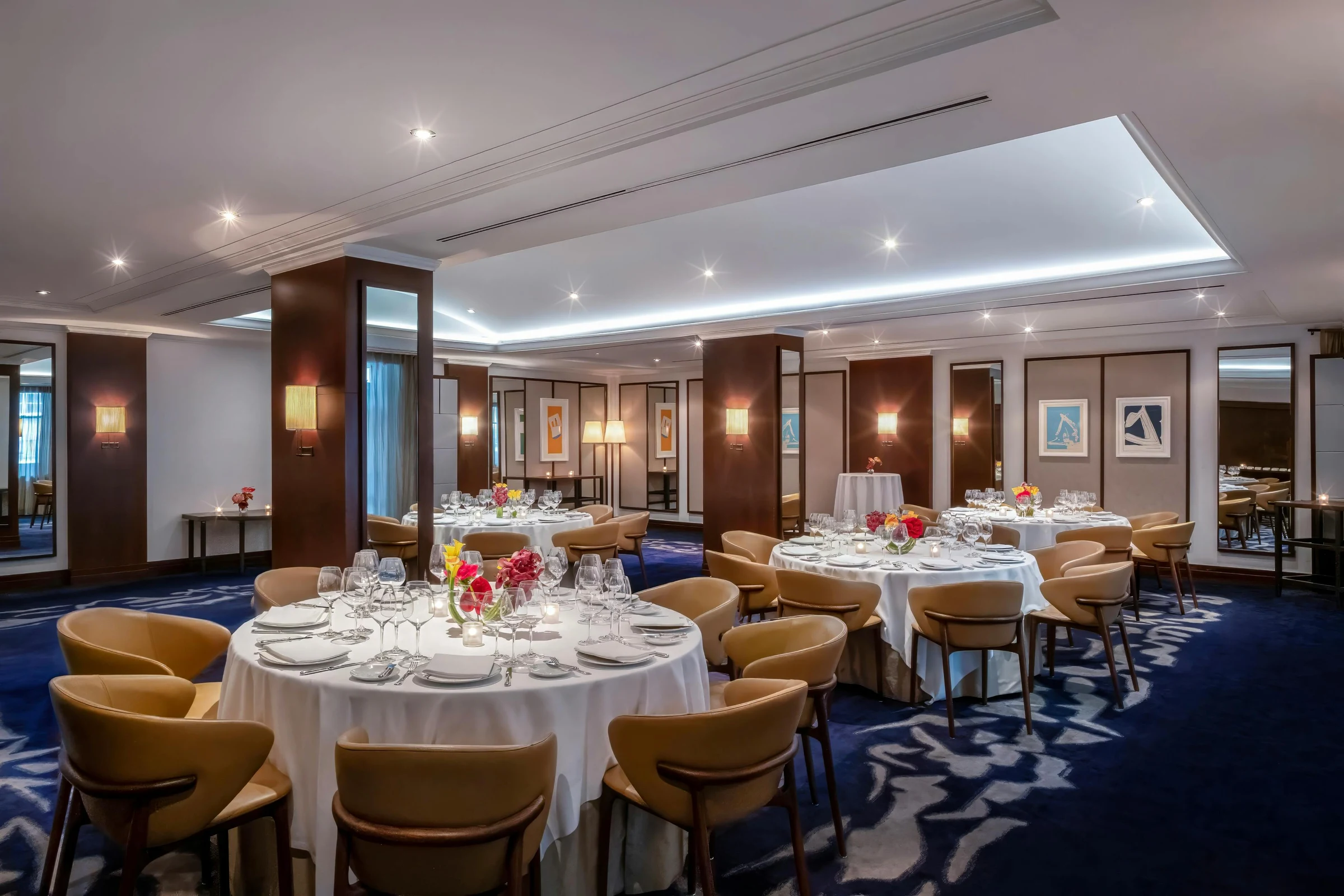
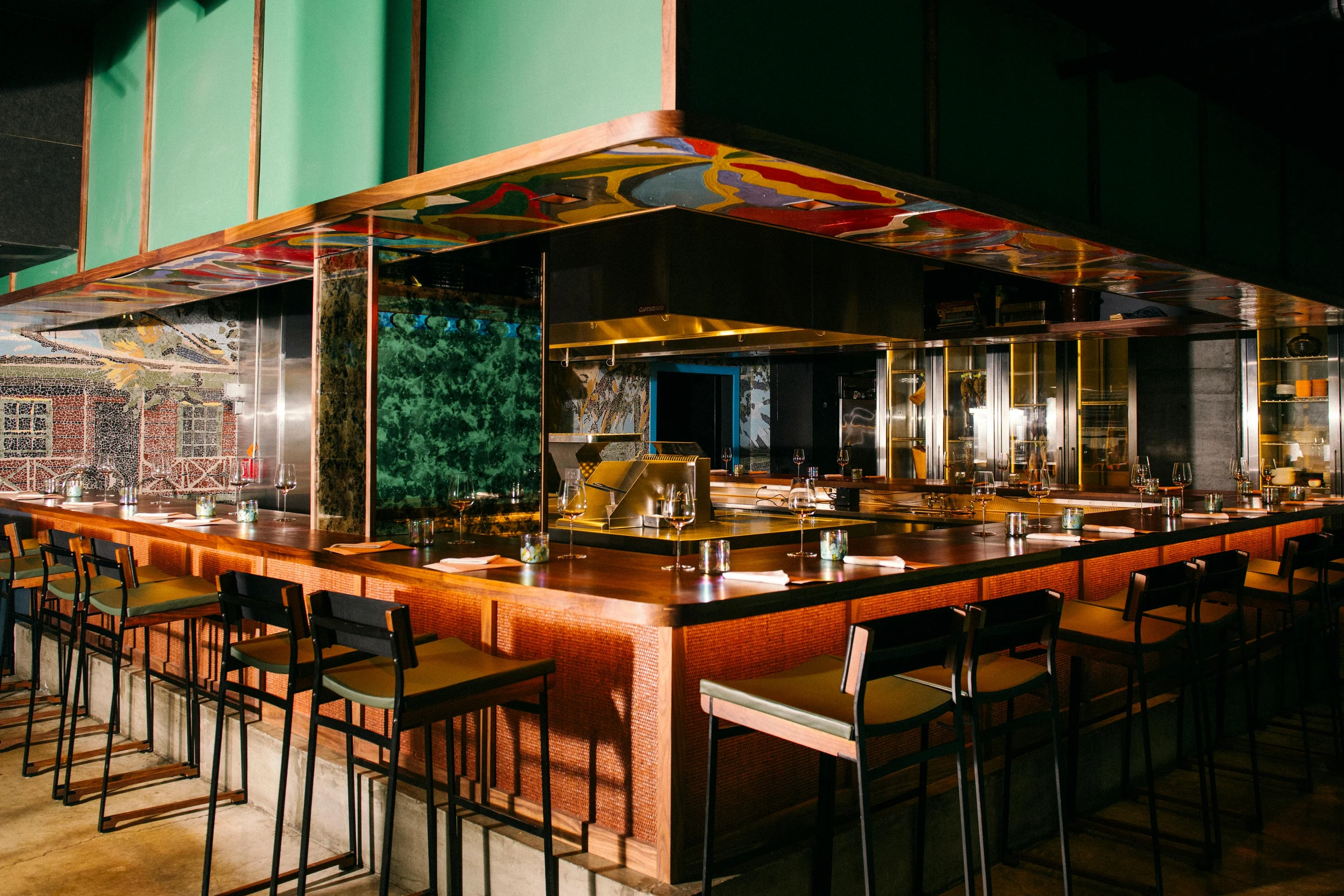
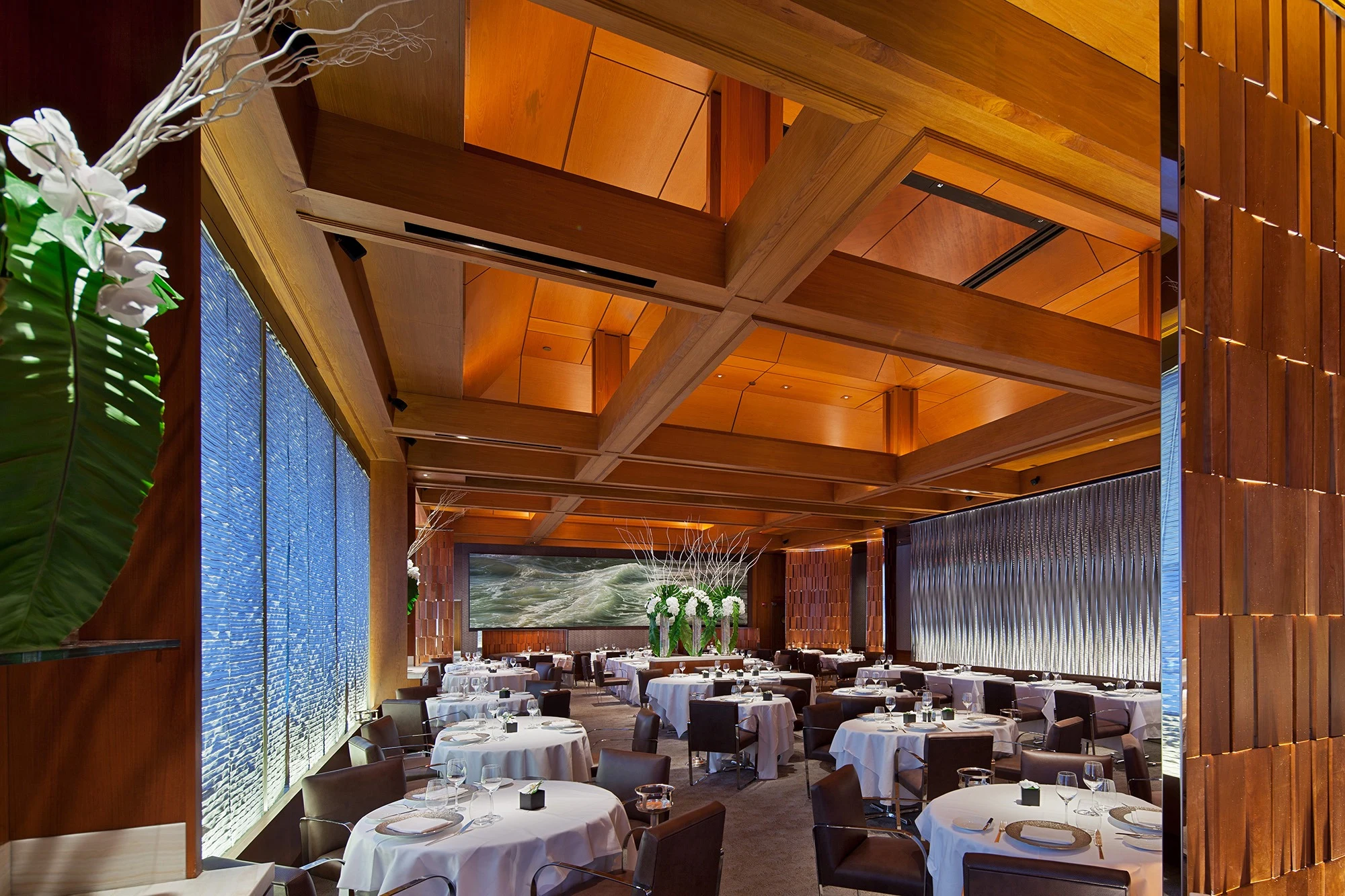
The room sits beneath the Moxy Lower East Side catwalk, a dramatic, festive space inspired by Tokyo’s alleyways. Leather, metal and glass give the dining room its harder surfaces; kimono-like tapestries soften the edges; mirrored ceilings catch Japanese pottery-inspired lighting fixtures above the tables. The energy is lively, and the room does not pretend to be hushed. That changes the craft. Plates need to read quickly when they cross the pass, colors need enough contrast to hold their shape under reflected light, and the server’s hand becomes part of the rhythm between counter and table. In a room with that much movement, the quietest gesture may be the most useful one: a clean cut, a skewer turned at the right moment, rice held together without being pressed into submission.
The discipline that survives the room
Izakaya eating puts season and gathering in the same frame, which is a quieter idea than the room itself suggests. Sake No Hana’s New York space is louder than that image, and the underlying demand is the harder one: food has to meet the moment without losing its line. A skewer cannot wait for the table to settle, and rice cannot be pressed into submission to survive the trip across the floor. The kitchen has held that line most clearly in the Spicy Tuna Tartare.
Questions
Frequently asked
What kind of restaurant is Sake No Hana?
Sake No Hana is a modern Japanese izakaya on the Bowery in the Lower East Side, serving small plates and a la carte.
What is the kitchen known for?
The menu is built around sake-led small plates, including Spicy Tuna Tartare, Wagyu beef, yakitori skewers and creative sushi rolls.
What is the dining room like?
The room sits beneath the Moxy Lower East Side catwalk and is described as a lively space inspired by Tokyo’s alleyways, with leather, metal, glass, kimono-like tapestries and mirrored ceilings.
Is booking recommended?
Reservations are recommended, and bookings are taken through OpenTable.
When is Sake No Hana open?
The restaurant is closed on Monday. It is open from 6 to 11 PM on Tuesday, Wednesday, Thursday and Sunday, and from 6 PM to 12 AM on Friday and Saturday.
The field
How it compares
| Place | Cuisine | Notes | Awards |
|---|---|---|---|
| Sake No Hana | Modern Japanese Izakaya | SoHo-Little Italy-Hudson Square, $$$$ | · |
| Atomix | Modern Korean Tasting Menu | New York City | Michelin 2 Stars, World's 50 Best |
| Daniel | Modern French Fine Dining | New York City | Michelin 1 Star, World's 50 Best |
| Eleven Madison Park | Contemporary Plant-Based Fine Dining | New York City | Michelin 3 Stars, World's 50 Best |
| Jungsik New York | Modern Korean Fine Dining | New York City | Michelin 3 Stars, World's 50 Best |
| Kabawa | Modern Caribbean Prix Fixe | New York City | World's 50 Best |
| Le Bernardin | French Seafood Fine Dining | New York City | Michelin 3 Stars, World's 50 Best |
Similar places
Modern Korean Tasting Menu
Atomix
New York City, United States
★★ · 50 Best
Modern French Fine Dining
Daniel
New York City, United States
★ · 50 Best
Contemporary Plant-Based Fine Dining
Eleven Madison Park
New York City, United States
★★★ · 50 Best
Modern Korean Fine Dining
Jungsik New York
New York City, United States
★★★ · 50 Best
Modern Caribbean Prix Fixe
Kabawa
New York City, United States
50 Best
French Seafood Fine Dining
Le Bernardin
New York City, United States
★★★ · 50 Best