Salomon Estate
- 01CityFinniss, Australia
- Falstaff Winery - Listed · 2026
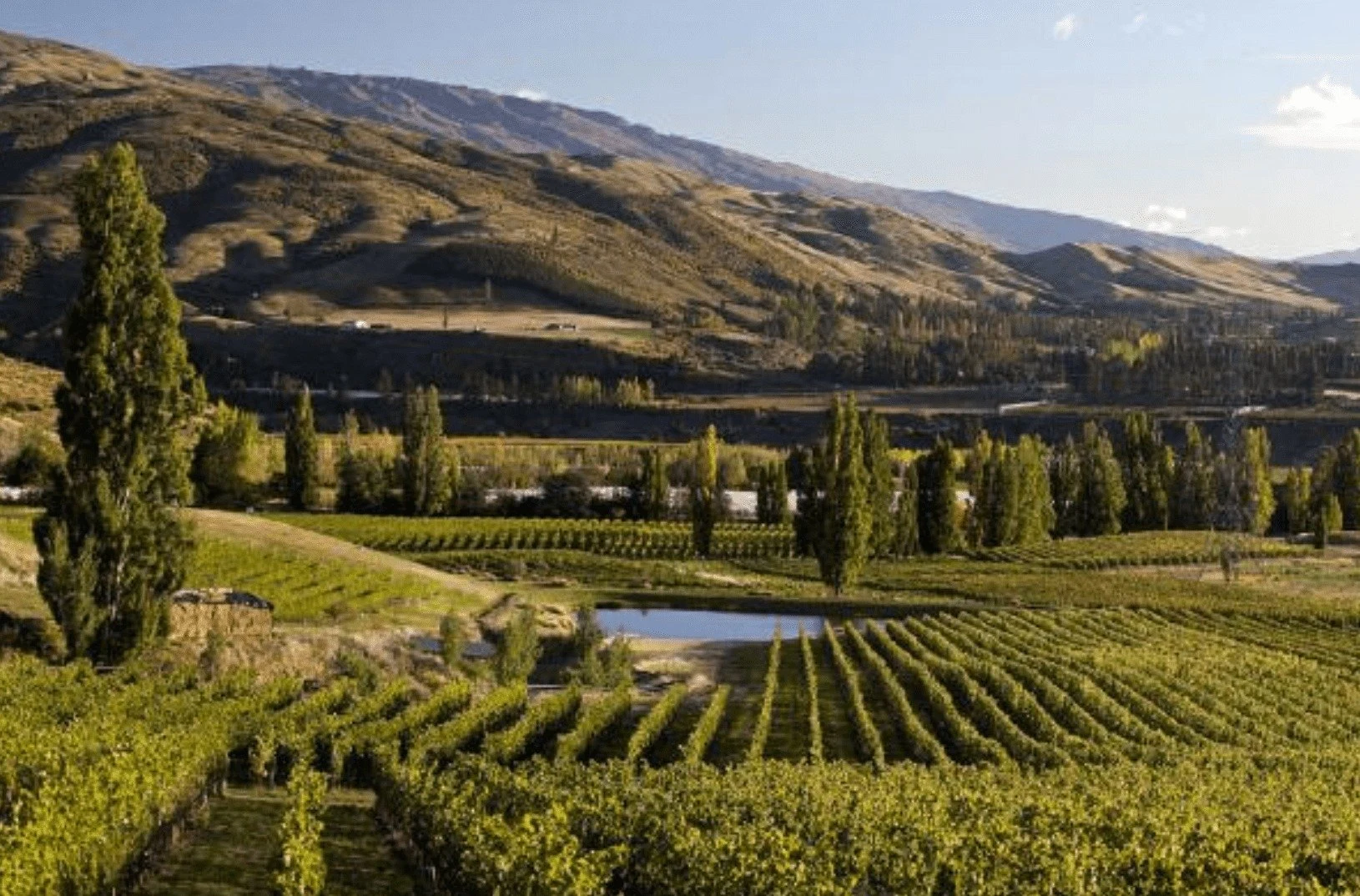
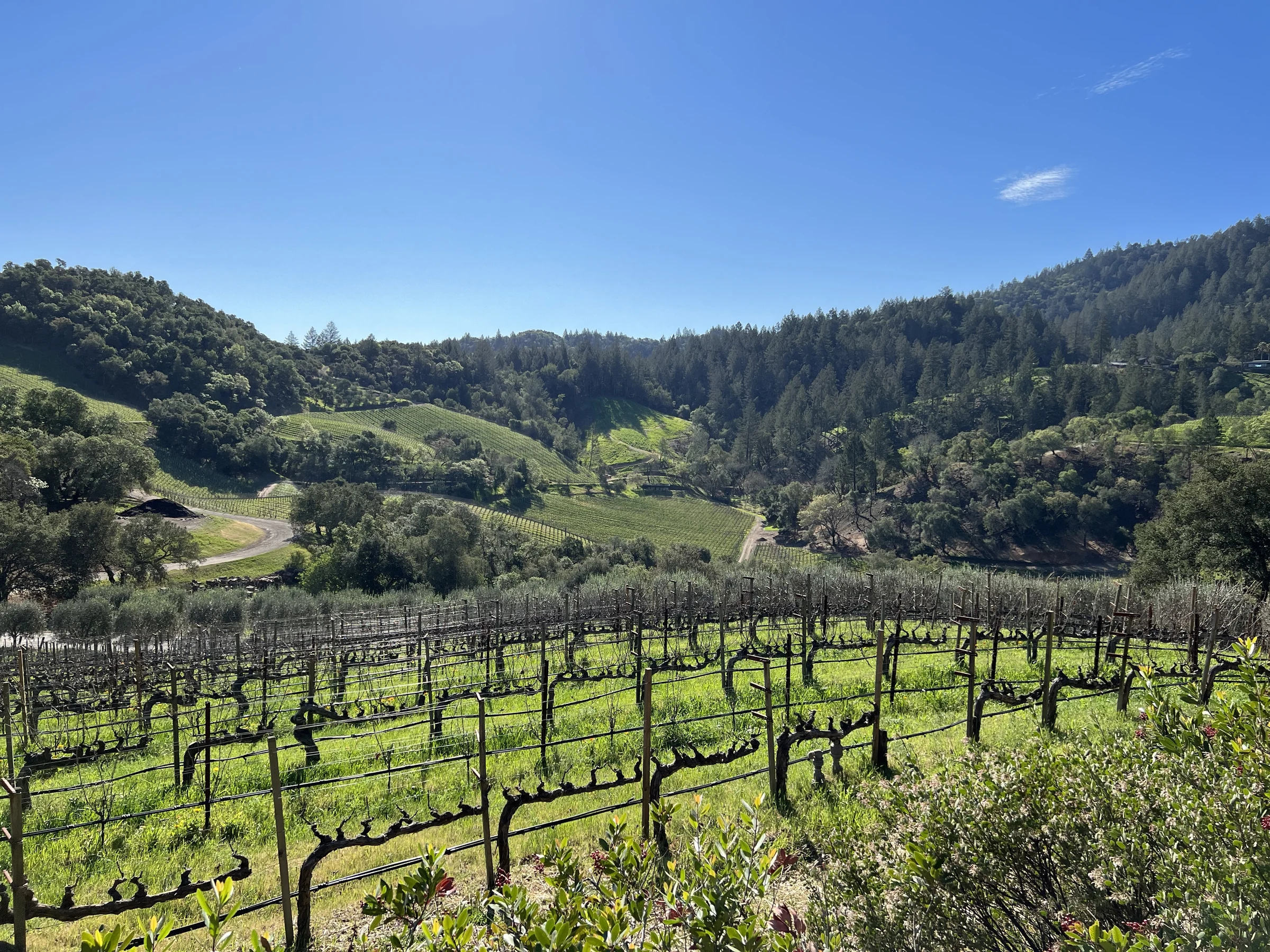
Finniss River wine country does not announce itself with the grandeur of a trophy cellar door. Its power is quieter: rolling vineyard ground, ocean air moving in from the Southern Ocean, and a climatic hinge between ripeness and restraint. Salomon Estate belongs to that register. The estate’s 12.1 hectares sit at around 120 metres elevation, with gravel and glacial sand over calcareous red and orange clay, a soil combination that drains at the surface while holding enough moisture below to matter in warm South Australian conditions.
That physical setting is the point. Southern Fleurieu can give red grapes warmth during the day, then pull the fruit back into shape through cool afternoon winds and cold nights. In a state often read through muscular Shiraz and Cabernet, this site argues for a narrower line: structure without heaviness, aromatic lift without losing depth. Salomon Estate’s stated ambition, Australian robustness with European elegance, is not just branding language here. It tracks with the vineyard’s conditions and the cellar decisions that follow.
Southern Fleurieu fruit handled with Austrian discipline
The estate was founded in 1995 and is tied to the cross-hemisphere work of Bert and Gertrud Salomon, whose Austrian family wine background gives the Finniss project a useful frame. The story is not about importing Europe wholesale into South Australia. It is about applying a European sense of proportion to a site that can ripen serious red varieties with ease. Bert Salomon and Simon White are named as winemakers, and the portfolio reads as a controlled study in how far Finniss River fruit can be pushed before it loses tension.
Production details support that reading. Fruit is hand harvested and de-stemmed. Most wines spend two to three weeks on skins; The Verve sits for seven weeks, a longer extraction window that points toward phenolic build rather than simple fruit volume. Maturation centres on 300-litre hogsheads and larger vessels across two winters, up to 18 months. Alttus receives 100% new French oak for 18 months, while other reds use mostly French oak with a smaller new-oak component. The logic is clear: build frame, keep the site audible.
The vineyard model is also tight. Estate fruit comes from Braeside and Sea Eagle, rather than a broad regional sourcing map, which gives the wines a single-property identity. Vine density is listed at 3,500 vines per hectare, and viticulture is described as sustainable. The wines are vegan friendly. Those facts matter because they position the estate in the small, controlled, site-led tier of South Australian wine rather than the volume-led category many travellers encounter first.
Reds carry the estate; amphora Viognier widens the conversation
The range is led by Shiraz and Cabernet Sauvignon, with Viognier, Grenache and Mourvèdre adding texture and reference points. Alttus is the collector signal: a Shiraz drawn from the higher vineyard portion and selected barrels, released in limited quantities in exceptional years. Its role is less about luxury theatre than hierarchy. It tells the drinker where the estate believes its deepest red-wine expression sits.
Surrounding wines make the picture more interesting. Wildflower Syrah-Viognier is co-fermented in a 92.5% Syrah and 7.5% Viognier blend and aged for 20 months in 300-litre hogsheads, a clear nod to northern Rhône structure filtered through South Australian fruit. The 2022 Fleurieu Peninsula Viognier Amphora is fermented in terracotta after destemming and crushing, spends 45 days on skins, then six months on fine lees in stainless steel. That is the textural outlier in the range, and it keeps the estate from being read only as a red-wine house.
Critical recognition gives the portfolio external weight. The 2020 Wildflower Syrah-Viognier received 94 points from James Halliday. The 2019 Finniss River Cabernet Sauvignon and 2019 Finniss River Sea Eagle Vineyard Shiraz each received 95 points from Halliday. The 2013 Alttus received 18.5 points from Jancis Robinson MW, equivalent to 97/100. Erin Larkin in The Wine Advocate gave the 2019 Sea Eagle Shiraz 94 points. For a small Finniss estate, that pattern of scores places the wines in serious trade and collector discussion rather than cellar-door curiosity.
A quiet appointment estate for drinkers who want the site explained
This is not a casual drop-in model built around crowds, grazing plates, and broad hospitality programming. The experience is appointment based, and the better reason to go is educational: to understand how Southern Fleurieu conditions translate into Shiraz, Cabernet, Syrah-Viognier and skin-contact Viognier. The mood is refined and quiet, with the vineyard itself as the strongest argument. Travellers looking for a social afternoon may find the format too focused; drinkers interested in soil, extraction, barrel size and ageworthy reds will find more to work with.
For broader planning around the city, start with Our full Finniss wineries guide, then cross-check dining, stays and after-hours options through Our full Finniss restaurants guide, Our full Finniss hotels guide, Our full Finniss bars guide, and Our full Finniss experiences guide. For a wider Australian wine map, compare regional directions through 19 Crimes in Southbank, Accolade Fine Wines in Melbourne, Adelina Wines in Clare Valley, Alice Springs Brewing Co in Alice Springs, Alkina Estate in Greenock, Alkina Wine Estate in Barossa Valley, All Saints Estate in Rutherglen, and Allegiance Wines in Alstonville. Internationally, »der Steiner« Hans Steiner in Podersdorf am See and & Handwein in Mannheim offer useful contrasts in European wine culture.
Questions
Frequently asked
How expensive is Salomon Estate?
Salomon Estate is listed at a price level of $$$.
The field
How it compares
| Place | Notes | Awards |
|---|---|---|
| Salomon Estate | Finniss River, $$$ | · |
| BOND Winery | Napa | · |
| Domaine Georges Mugneret-Gibourg | Vosne-Romanée | · |
| Domaine Hubert Lamy | Saint-Aubin | · |
| Felton Road Wines | Bannockburn | World's 50 Best |
| Harlan Estate | Napa | · |
| Vega Sicilia | Valbuena de Duero | · |