Skip to Content
    Made ByWinery

    Schmidt am Bodensee

    1. 01CityWasserburg, Germany
    Schmidt am Bodensee

    Schmidt am Bodensee treats Lake Constance as part of the tasting architecture: vineyards and orchards rise above Wasserburg, with a cellar, wine bar, terrace, and loft tasting room arranged around the view. The draw is not trophy-label theatre but a production-and-hospitality format where Bodensee fruit, hillside exposure, and regional building language shape the experience.

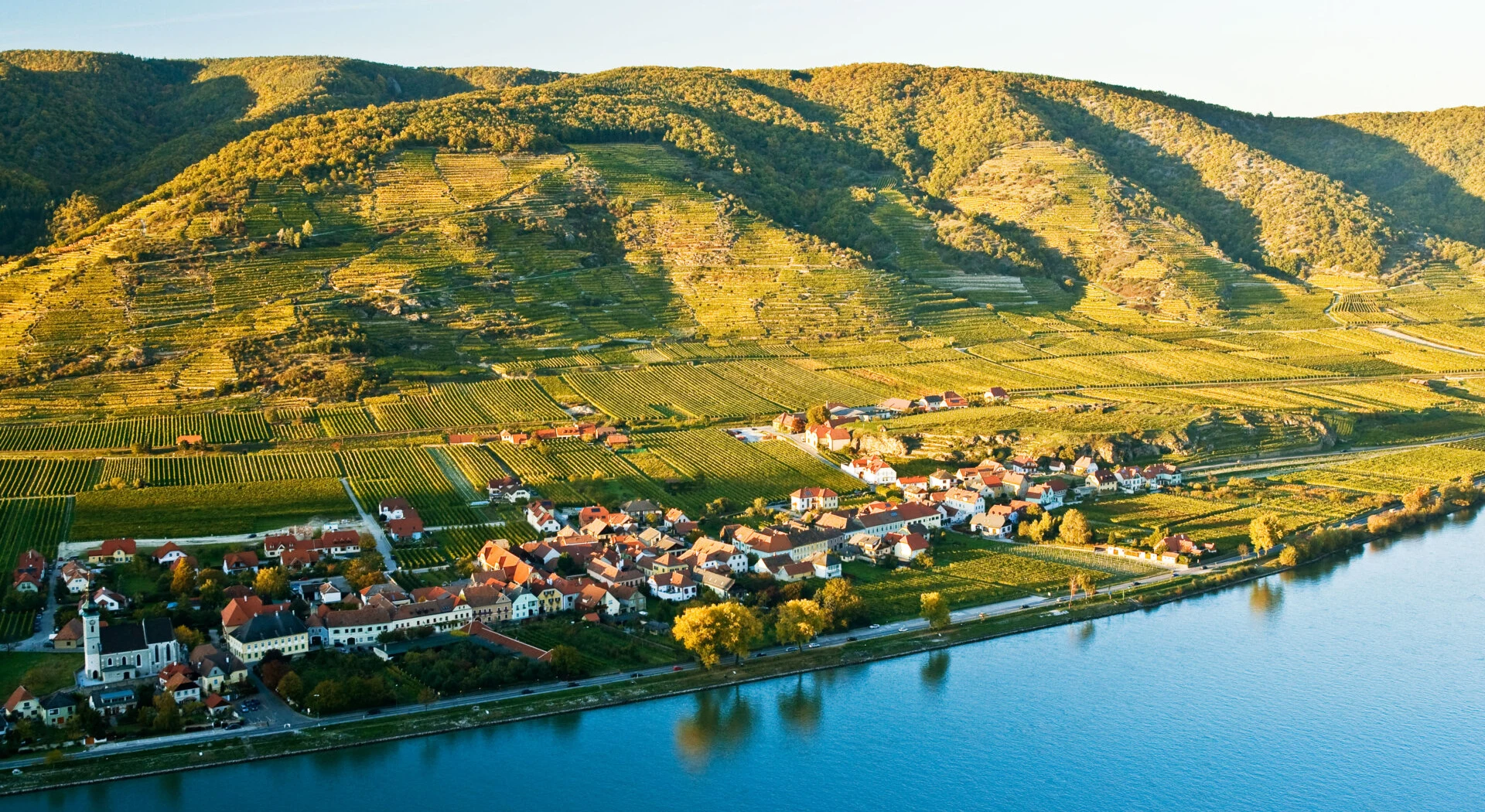
    Approach this corner of Wasserburg and the first impression is spatial rather than ceremonial: hillside vines and orchards, Lake Constance below, Swiss mountains across the water, and a building arranged to turn that geography into a sequence. Schmidt am Bodensee belongs to the increasingly relevant category of German wine estates where the visit is not separated from agriculture. The cellar sits at ground level, the dining terrace opens above it, the wine bar faces the lake, and the tasting room occupies a loft screened by wooden ribs and glass. That layout matters because it gives the Bodensee setting an active role in the wine experience rather than leaving it as scenery outside the window.

    Lake Constance wine tourism has a different rhythm from the more internationally codified German regions built around famous slopes and auction culture. Here, orchard land, lake light, village scale, and cross-border views help define the appeal. The estate’s planted focus includes Pinot Noir, Chardonnay, Weißburgunder, Grauburgunder, Müller-Thurgau, and Sauvignon Blanc, a mix that suits a region where white varieties, lighter reds, and freshness-led drinking have a natural hospitality advantage. The point is not to read this address through the vocabulary of a trophy cellar. It is better understood as a Bodensee estate where wine, food, architecture, and view are designed to work together.

    Lake-facing hospitality built around Bodensee fruit

    The estate format is unusually legible. Production is not hidden behind a decorative tasting counter; the building moves from cellar to bar to terrace to tasting loft, so the guest path follows the logic of the property. That is a useful signal in a region where wine visits often overlap with walking routes, lake excursions, and long lunches rather than formal cellar appointments alone. The presence of a wine bar, a guided tasting format, outdoor seating, and food pairing makes the experience broader than a pour-and-go stop.

    Terroir expression here is best read through categories rather than invented tasting notes. Pinot Noir and Chardonnay place the estate inside a broader cool-climate conversation, while Weißburgunder, Grauburgunder, Müller-Thurgau, and Sauvignon Blanc point toward regional drinkability and aromatic lift. The Bodensee appellation brings lake influence, hillside exposure, and an agricultural identity shaped as much by orchards as by vines. That combination explains why a production-and-pleasure model feels coherent here: fruit cultivation, wine service, and terrace dining are not separate stories but parts of the same land use.

    The estate has been associated with this contemporary hospitality concept since 2014, and that timing is relevant. Across European wine regions, the last decade has pushed many producers toward architecture-led visitor spaces, not merely for visual effect but because direct hospitality now carries commercial and cultural weight. Schmidt am Bodensee fits that shift with a regional rather than urban design language: wood, glass, agricultural massing, and a tasting room that filters sunlight instead of performing luxury through gloss.

    Architecture does the work that awards often do elsewhere

    Some wineries announce status through medals, scores, or allocation scarcity. This one communicates position through setting and design. The estate is family-held across generations, with vineyards and orchards embedded in the hillside above the lake; the building then translates that continuity into a guest-facing structure. Professional architectural attention, including the 2014 project by Ludescher + Lutz Architekten, gives the property a trust signal outside the usual wine-award circuit. For readers planning a German winery itinerary, that distinction is useful: this is an experience-led estate, not a page built around a long list of critic scores.

    The production philosophy is listed as sustainable, and the place-based cues support a low-theatre reading of that claim: small-scale production, estate grounds, regional materials, and agricultural hospitality rather than a detached showroom. The more concrete information is the operational shape. Wine education is part of the experience, the setting works for groups, the atmosphere is conversational, and the estate sits in the medium-capacity tier. Those signals make it more suitable for visitors who want context with their glass than for collectors chasing named trophy bottles.

    Food pairing gives the venue another point of connection with the land. In wine regions where visitors arrive by car, trail, or lake-route itinerary, pairing formats can often be more revealing than a technical tasting alone because they show how local acidity, texture, and fruit profile behave at the table. Here, the hospitality design supports that logic: bar, terrace, tasting room, and cellar are stacked into a single estate experience.

    How to place it in a Wasserburg itinerary

    Wasserburg is small enough that a wine visit can anchor the day rather than compete with a dense urban dining schedule. The better plan is to treat Schmidt am Bodensee as part of a lake-and-hillside circuit: wine first, then a slower meal or terrace stop if the day’s format allows. The casual dress code and walk-in-friendly approach keep the mood relaxed, while the architecture and view give the visit enough structure for a special occasion or group outing.

    For broader planning, use Our full Wasserburg wineries guide alongside Our full Wasserburg restaurants guide, Our full Wasserburg hotels guide, Our full Wasserburg bars guide, and Our full Wasserburg experiences guide. Readers building a wider German-speaking wine route can also map this Bodensee stop against other estate pages in the EP Club archive, including & Handwein in Mannheim, 2 Naturkinder in Kitzingen, 3 Winner in Bechtheim, 49Point9 in Geisenheim, 532 Riesling in Rüdesheim am Rhein, 70469! in Stuttgart Feuerbach, 746 - Route du Brut in Ettlingen, Achkarrer Winzer am Schlossberg eG in Vogtsburg Achkarren, »der Steiner« Hans Steiner in Podersdorf am See, and ®walzer in Gneixendorf Bei Krems.

    The editorial case is clear: come for the way Bodensee agriculture has been turned into a coherent hospitality setting. The wines sit inside that frame, with still red and still white styles, small production scale, and a visitor experience that makes the lake, vines, orchard land, and building read as one continuous argument.

    Questions

    Frequently asked

    Is Schmidt am Bodensee more formal or casual?

    It reads as casual rather than formal: the venue lists a casual dress code and a walk-in-friendly policy. The setting is more polished than rustic, with a terrace facing Lake Constance and a tasting room in the loft.

    What part of town is Schmidt am Bodensee in?

    Schmidt am Bodensee is located at Wasserburg, Württemberg, Baden-Wuerttemberg, Deutschland, Wasserburg.

    What's the pricing like at Schmidt am Bodensee?

    Pricing at Schmidt am Bodensee is listed as $$.

    What should I know about Schmidt am Bodensee before I go?

    Schmidt am Bodensee is a hillside vineyard estate in Wasserburg, open since 2014, with a cellar at ground level, a wine bar, a terrace, and guided tastings. The wine list focuses on Pinot Noir, Chardonnay, Weißburgunder, Grauburgunder, Müller-Thurgau, and Sauvignon Blanc.

    How hard is it to get in to Schmidt am Bodensee?

    It is walk-in friendly, which keeps access easier than at reservation-led tasting rooms. The medium capacity and on-site lot help for groups, though the terrace and tasting loft are the areas most likely to fill first.

    The field

    How it compares

    PlaceNotesAwards
    Schmidt am BodenseeHattnau, $$·
    Marqués de RiscalElciegoWorld's 50 Best
    Domaine Jean-Louis ChaveMauves·
    Felton Road WinesBannockburnWorld's 50 Best
    Mission Hill Family EstateWest KelownaWorld's 50 Best
    ScarecrowNapa·
    ArdbegPort Ellen·

    Similar places

    ← Browse all places