Where the Lake Sets the Architecture's Terms
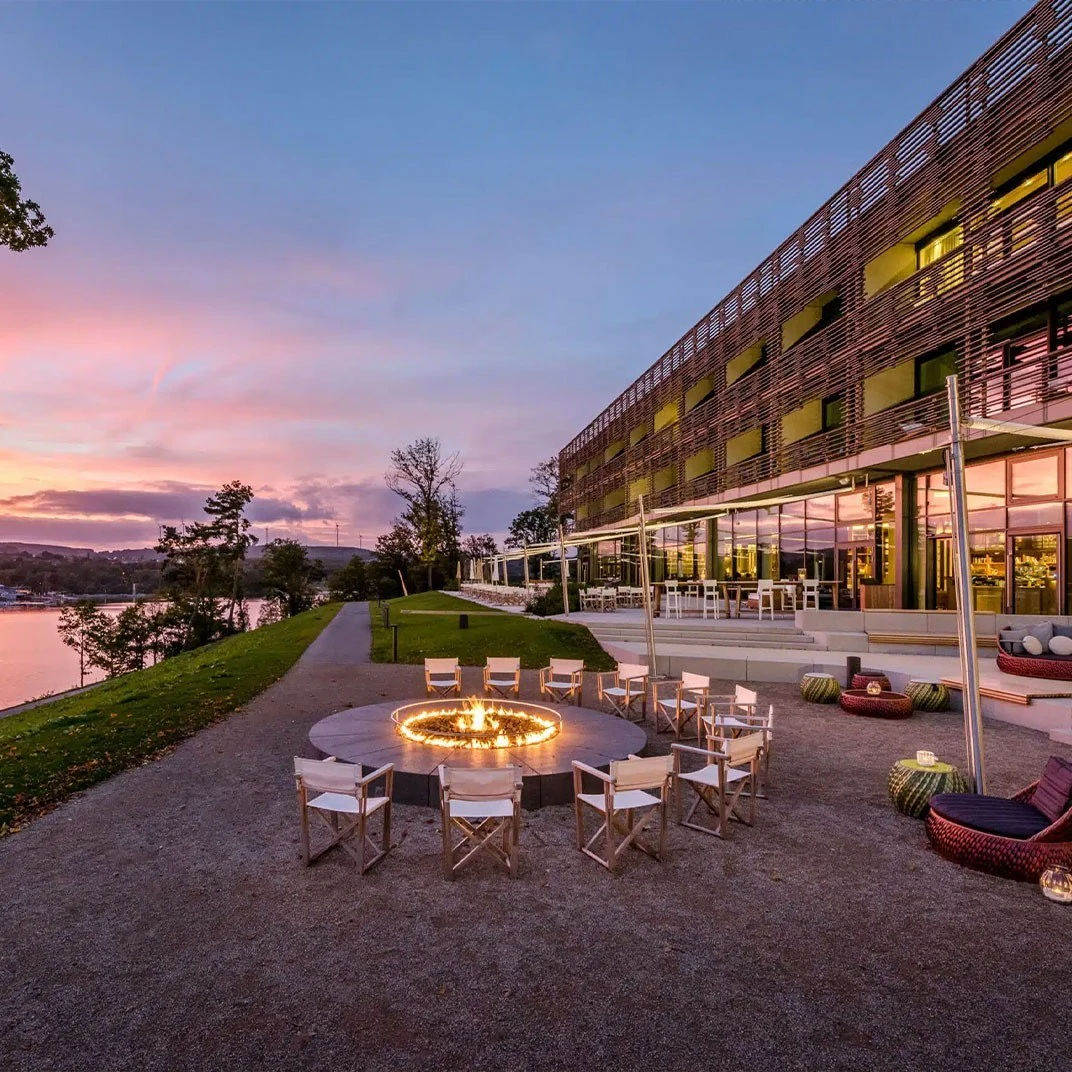
There is a category of German resort hotel that earns its standing not through urban proximity or heritage building stock, but through the deliberate decision to place itself at the edge of something natural and let that edge do the work. Seezeitlodge Hotel & Spa, at Am Bostalsee 1 in Nohfelden, belongs squarely in that category. The Bostalsee is the largest recreational lake in southwest Germany, and the property sits directly on its shore, in immediate contact with the Saar-Hunsrück Nature Park. The architecture and spatial logic of the hotel follow from that positioning: the lake is not a backdrop viewed from a distance but the primary spatial reference from which the entire guest experience is oriented.
This is a meaningfully different design premise from what you find at city-adjacent German spa hotels, where the wellness facilities compensate for surroundings that are managed rather than genuinely wild. At properties like the Althoff Seehotel Überfahrt in Rottach-Egern or the Mandarin Oriental Munich, the spa offer is layered onto an urban or peri-urban context. Here, the natural setting and the built environment are in a more direct conversation, and the hotel's Michelin 2 Keys recognition in 2024 signals that this conversation is being conducted at a level that places it among Germany's more considered hospitality propositions.
The Sunday email
Read about the people behind hotels like Seezeitlodge Hotel & Spa in the Sunday email.
Every Sunday we send a lead story and up to four more about the chefs, winemakers, sommeliers and hoteliers behind the restaurants, bars, wineries and hotels we cover.
Recent stories
Free. One email a week, and you can unsubscribe from any issue.
A Spa Format Built Around the Celtic Tradition
The spa sector at European resort hotels has bifurcated sharply over the past decade. One branch pursues the branded-wellness model: globally recognised product lines, treatment menus that could belong to any property in any country, and facilities scaled for volume. The other branch leans into regional and cultural specificity, using local thermal traditions, architectural character, and landscape integration as the distinguishing variables. Seezeitlodge sits in the second group.
The spa covers 2,700m² and is anchored by a Celtic sauna village, a format that draws on the sauna traditions historically associated with the Celtic populations of the wider Saar and Moselle region. Sauna villages, as opposed to single-room installations, operate on a different rhythm: guests move between structures, transition between heat levels and cooling stages across outdoor and indoor settings, and engage with the landscape rather than retreating from it. The lake adjacency makes this sequence meaningful in a way that an inland or urban spa cannot replicate.
All-in package format, which bundles spa access into the room rate, removes the friction that often characterises resort spa usage at comparable German properties. At hotels like Hotel Bareiss in Baiersbronn or Das Kranzbach in Kranzbach, spa programming is tightly integrated into the stay proposition. Seezeitlodge follows the same logic: the spa is not an add-on purchased separately but the central premise around which the stay is structured. For guests whose primary objective is extended time in the spa rather than a single treatment session, this bundled approach substantially changes the economics of the stay.
One Hundred Rooms, Spacious Format, Lake Orientation
At 100 rooms, Seezeitlodge occupies an interesting position in the scale spectrum for German nature resorts. It is large enough to sustain full-service F&B and a spa facility of this size without the occupancy pressure that forces compromises in guest experience, yet it is not a sprawling conference-hotel complex of the kind that populates lakeside locations across Bavaria and Baden-Württemberg. The rooms are described as spacious and modern, and in a property of this type, the spatial allocation per room matters: cramped rooms undermine the decompression that lakeside spa stays are supposed to deliver.
The property's Saar-Hunsrück setting places it in a part of Germany that receives considerably less international attention than the Bavarian lakes, the Black Forest, or the North Sea islands. The Luisenhöhe in Horben and Der Öschberghof in Donaueschingen operate in the Black Forest context, which carries stronger destination recognition among international guests. The Saarland and the surrounding nature park draw a predominantly German and neighbouring French clientele, which shapes the property's character in ways that matter for the guest experience: no expectation of English-language orientation as a default, a dining programme that addresses regional preferences rather than a pan-European tourist palate, and a pace that runs closer to local rhythms.
For travellers comparing options in the wider Saar region, the nearby Esplanade in Saarbrücken and LA MAISON in Saarlouis offer city-based alternatives, but neither replicates the nature-immersion format that defines the Seezeitlodge proposition.
Michelin 2 Keys: What the Recognition Means in Context
Michelin's hotel key system, relaunched in its current form, rates properties on criteria that include design, service quality, and the overall coherence of the guest experience rather than simply facilities count or room size. A 2 Keys designation for a property in a location as regionally specific as Nohfelden is a meaningful signal. It places Seezeitlodge in the same recognition tier as properties with significantly larger marketing reach and more established international reputations.
Among German Michelin-keyed lake and nature resort properties, the competitive set includes Gut Steinbach in Reit im Winkl, Weissenhaus Private Nature Luxury Resort, and BUDERSAND Hotel in Hörnum, all of which operate at the intersection of natural setting and considered hospitality. The 4.7 Google rating across 2,987 reviews adds a volume signal that distinguishes this from properties with strong critical recognition but shallow guest feedback bases. Nearly 3,000 reviews at that average score indicates consistent delivery rather than selective performance on high-expectation visits.
Questions
Frequently asked
What recognition does Seezeitlodge Hotel & Spa hold?
Seezeitlodge Hotel & Spa holds 2 Michelin keys.
Who works at Seezeitlodge Hotel & Spa?
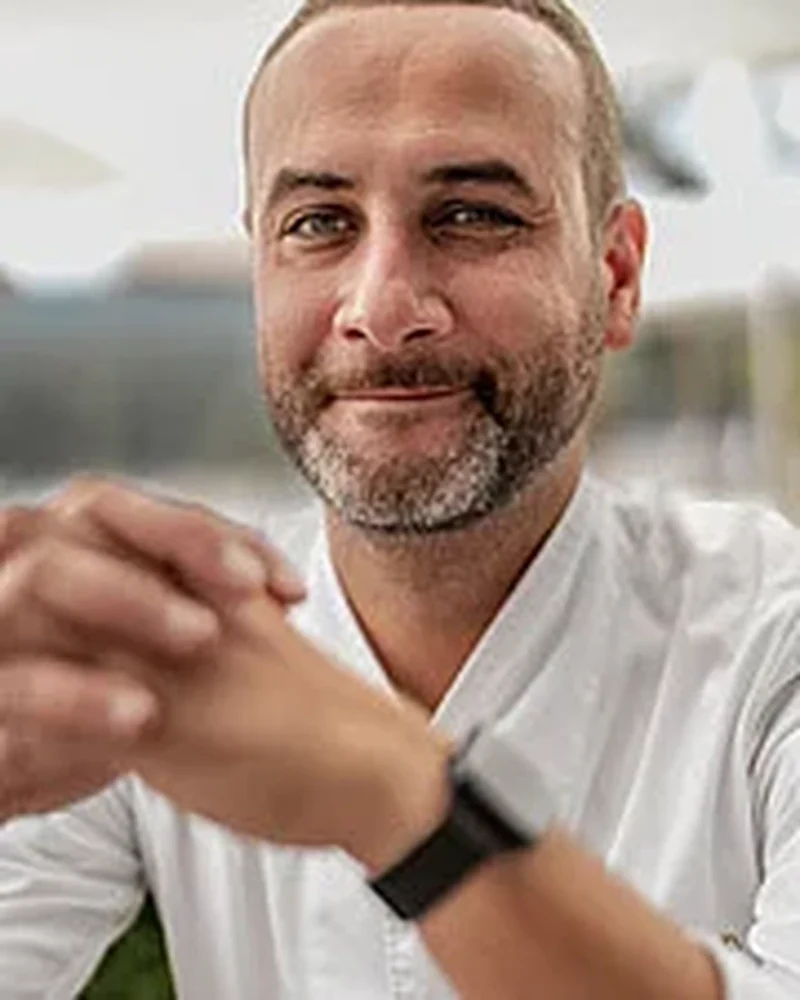
Made By profiles Daniel Schöfisch (Head Chef) at Seezeitlodge Hotel & Spa.
How expensive is Seezeitlodge Hotel & Spa?
Seezeitlodge Hotel & Spa is listed at a price level of $$$$.
The field
How it compares
| Place | Awards | Notes |
|---|---|---|
| Seezeitlodge Hotel & Spa | Michelin 2 Keys | Gonnesweiler, $$$$ |
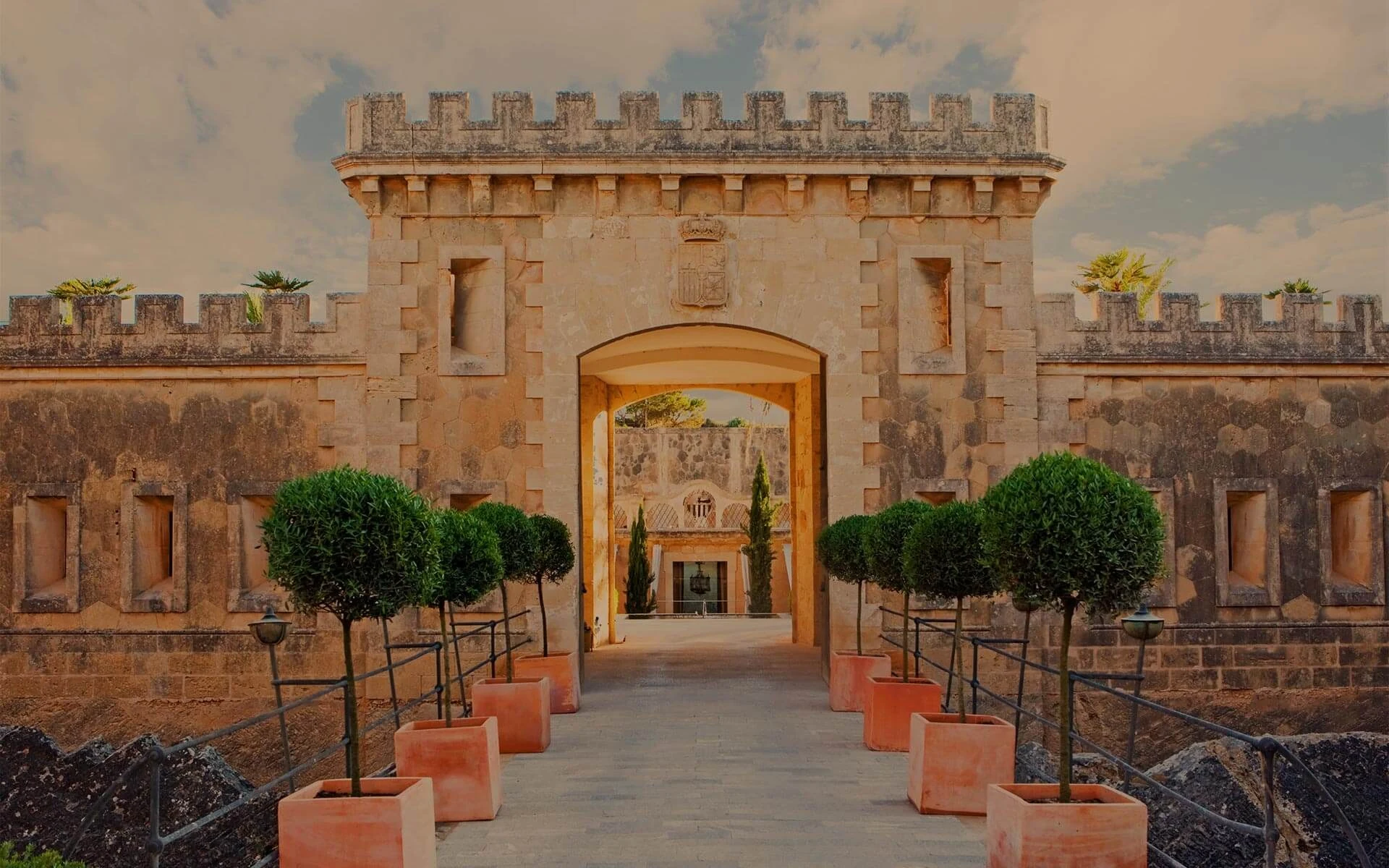
| Cap Rocat | Michelin 2 Keys | Cala Blava |
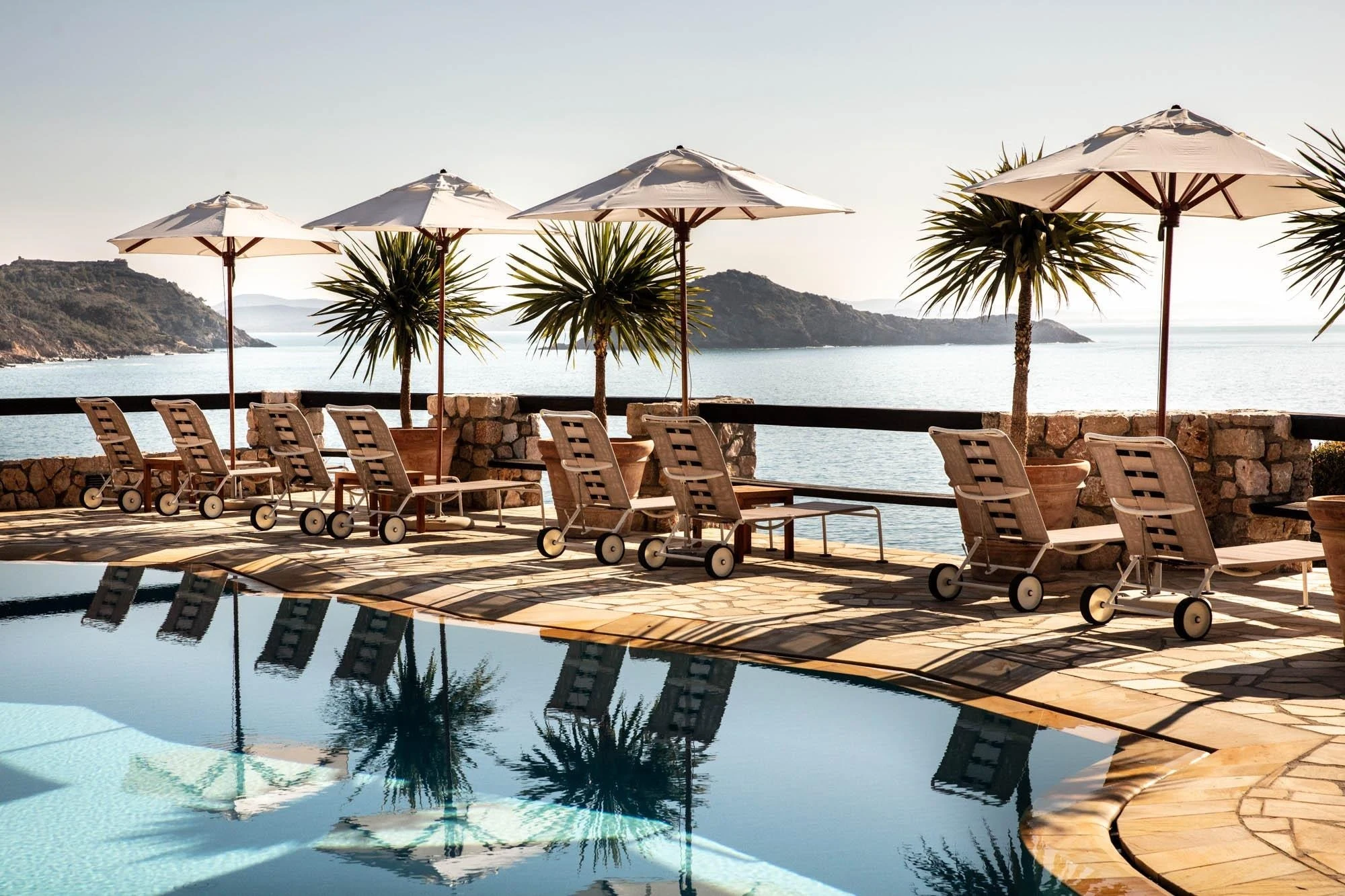
| Il Pellicano | Michelin 1 Key, 50 Best | Porto Ercole |
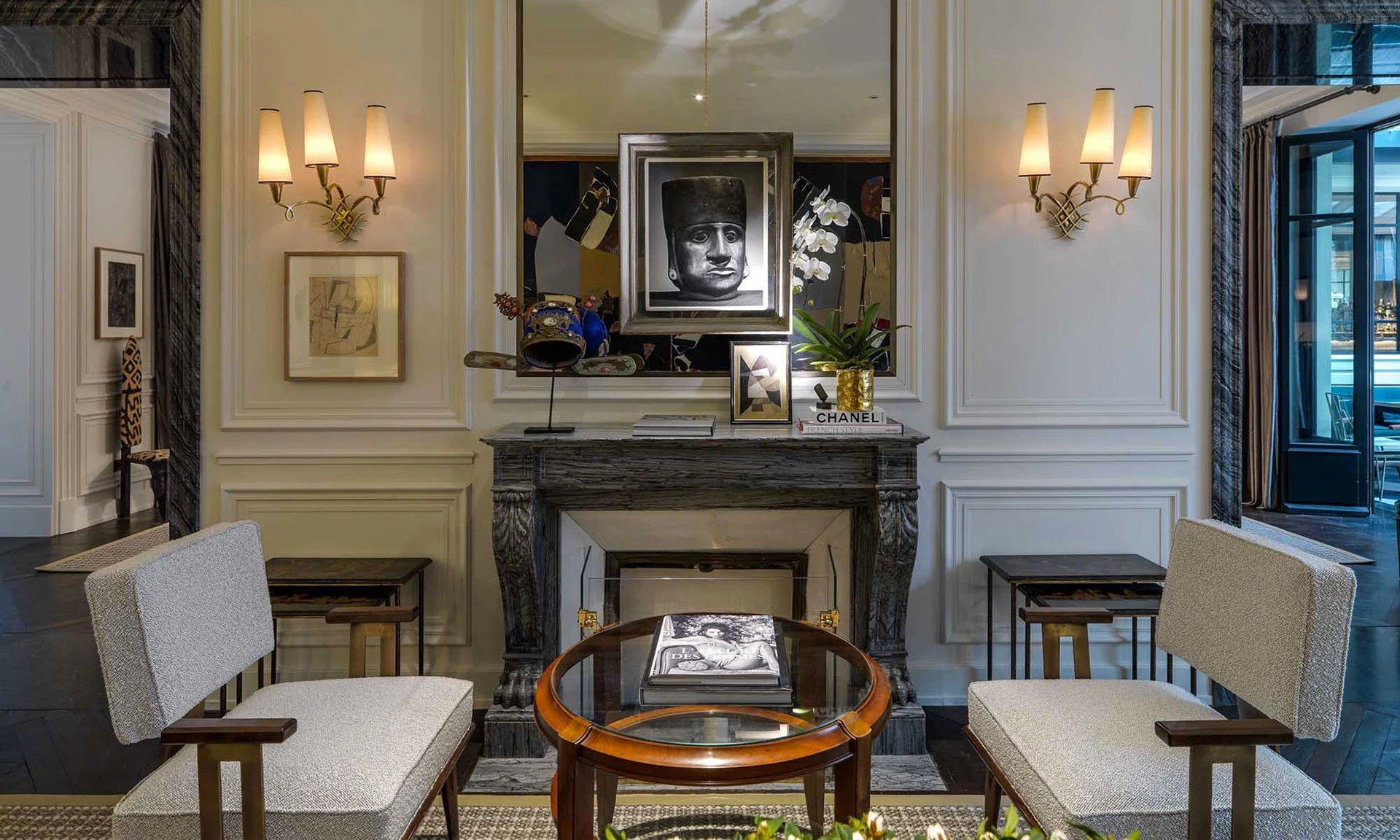
| J.K. Place Paris | Michelin 2 Keys | Paris |
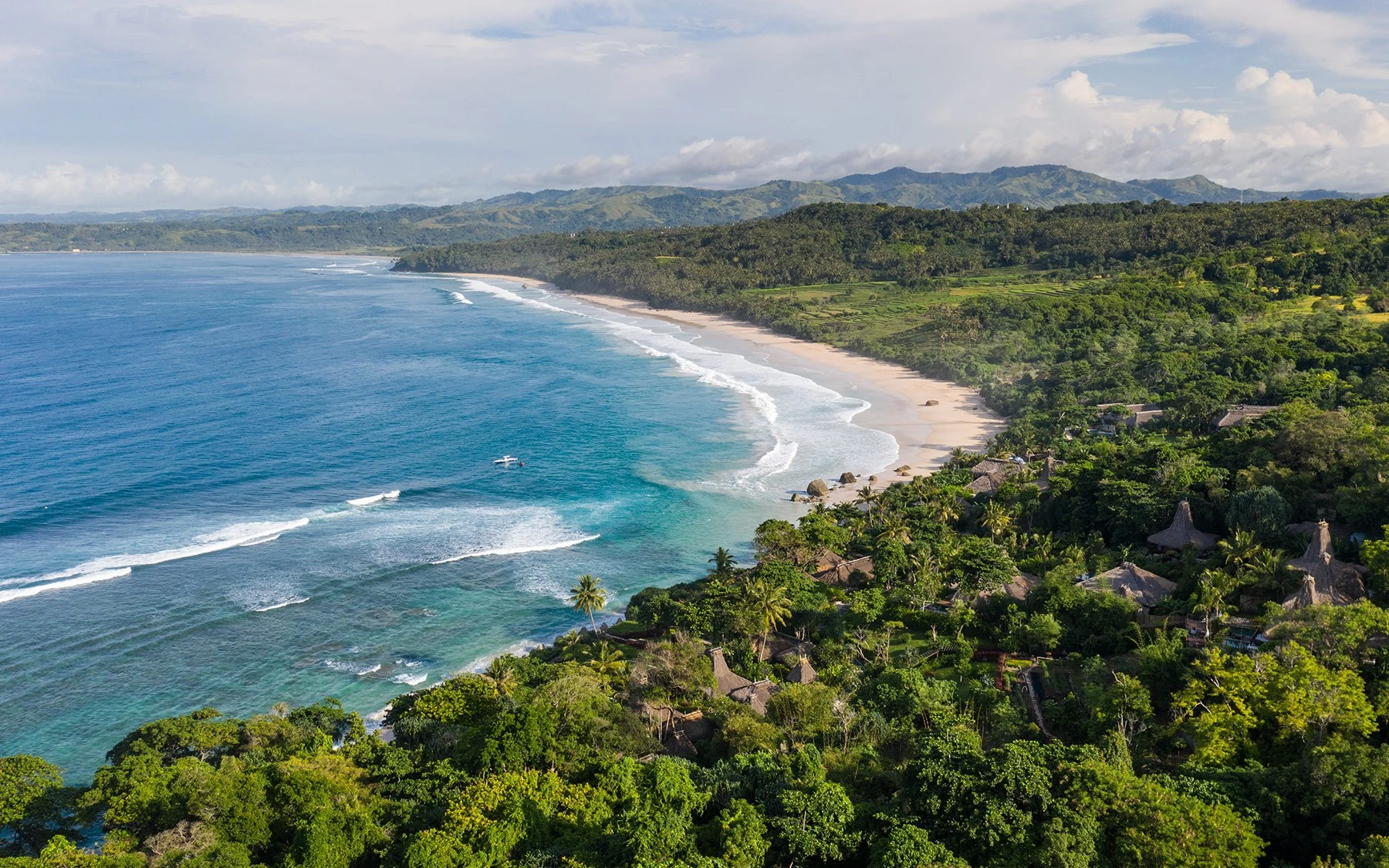
| Nihi Sumba | Michelin 3 Keys, 50 Best | Sumba |
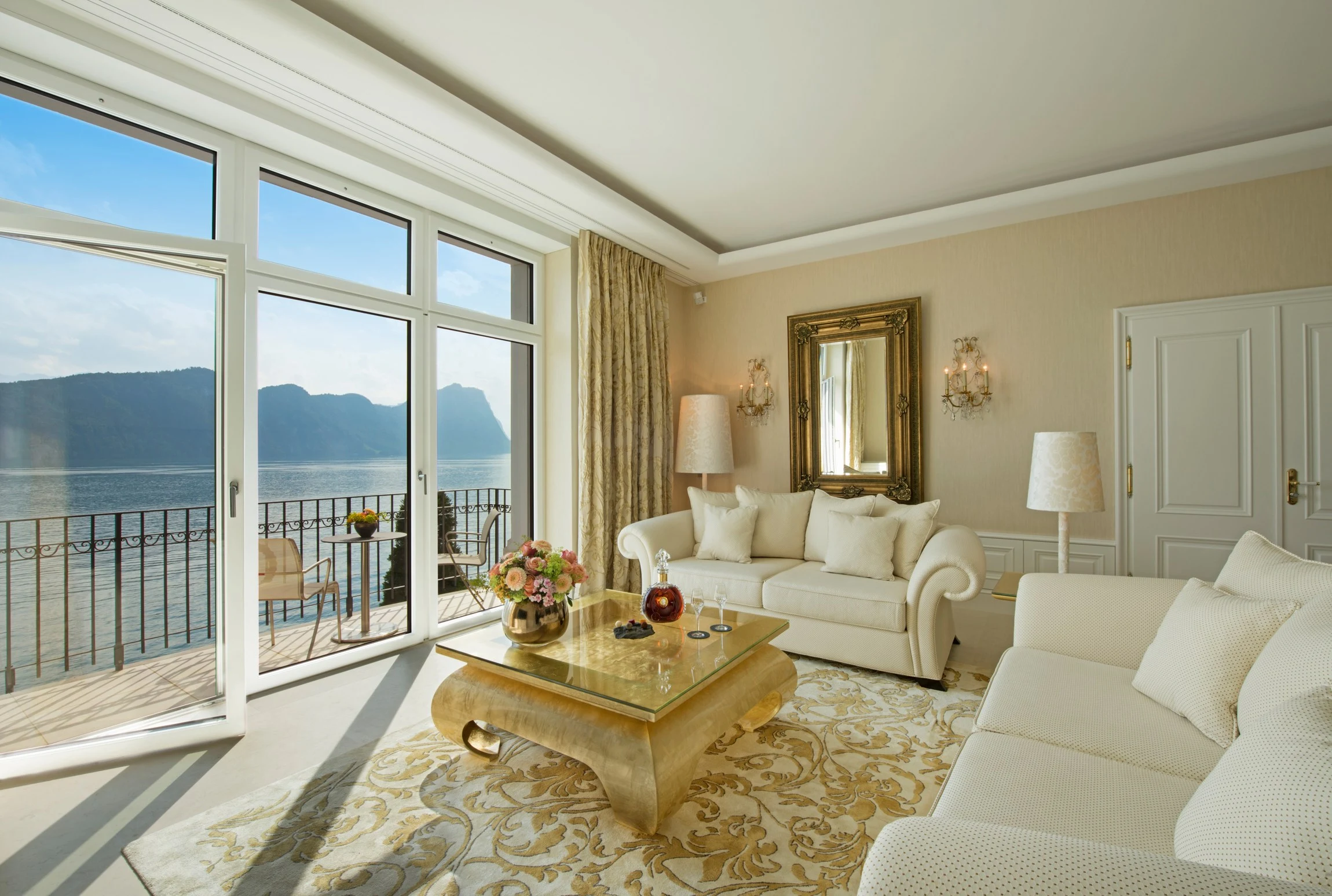
| Park Hotel Vitznau | Michelin 2 Keys | Vitznau |
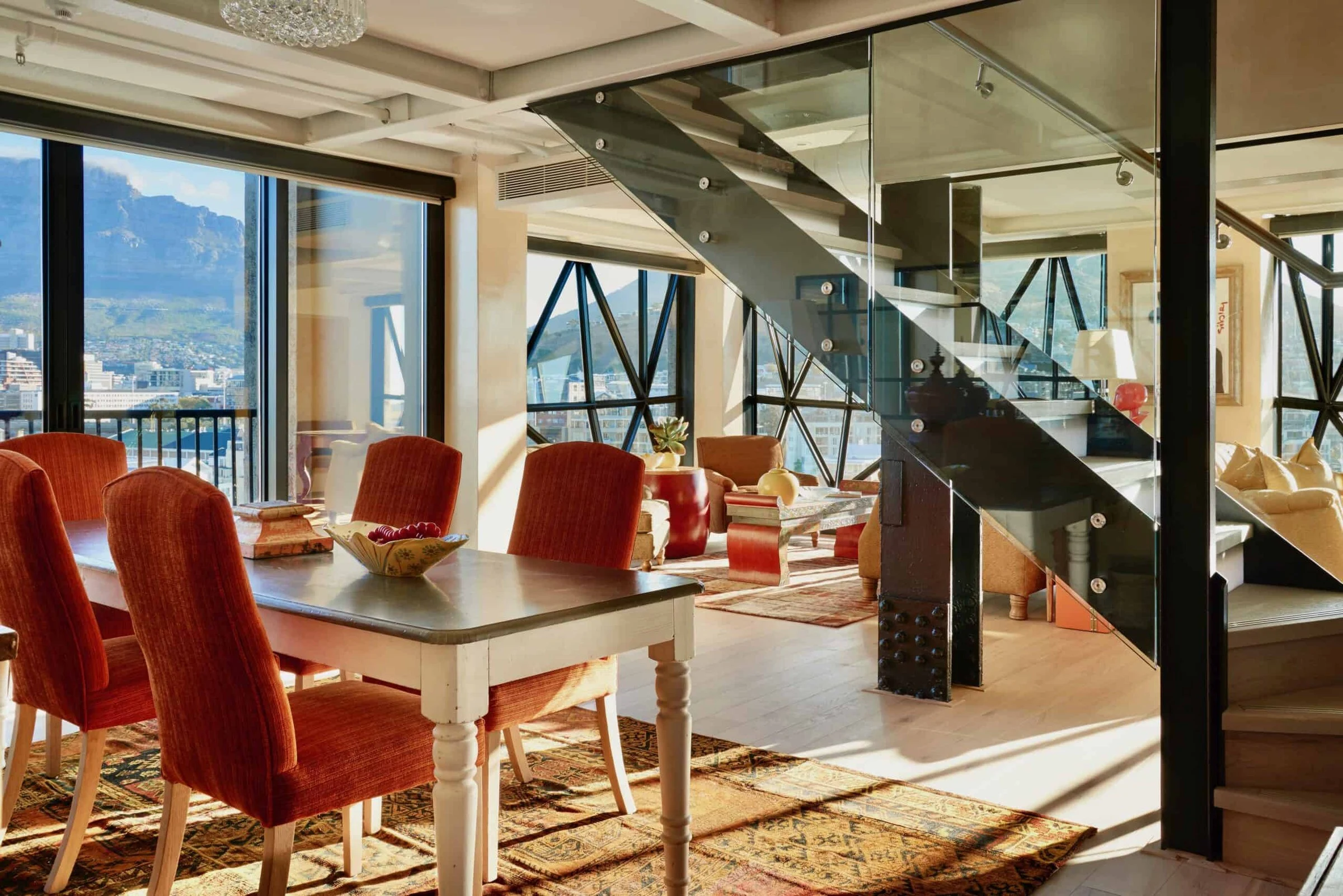
| The Silo Hotel | Michelin 1 Key | Cape Town |
Similar places
The Sunday email
Read about the people behind hotels like Seezeitlodge Hotel & Spa in the Sunday email.
Every Sunday we send a lead story and up to four more about the chefs, winemakers, sommeliers and hoteliers behind the restaurants, bars, wineries and hotels we cover.
Recent stories
Free. One email a week, and you can unsubscribe from any issue.