Selendi
- 01CityIstanbul, Turkey
- Falstaff Winery - Listed · 2026
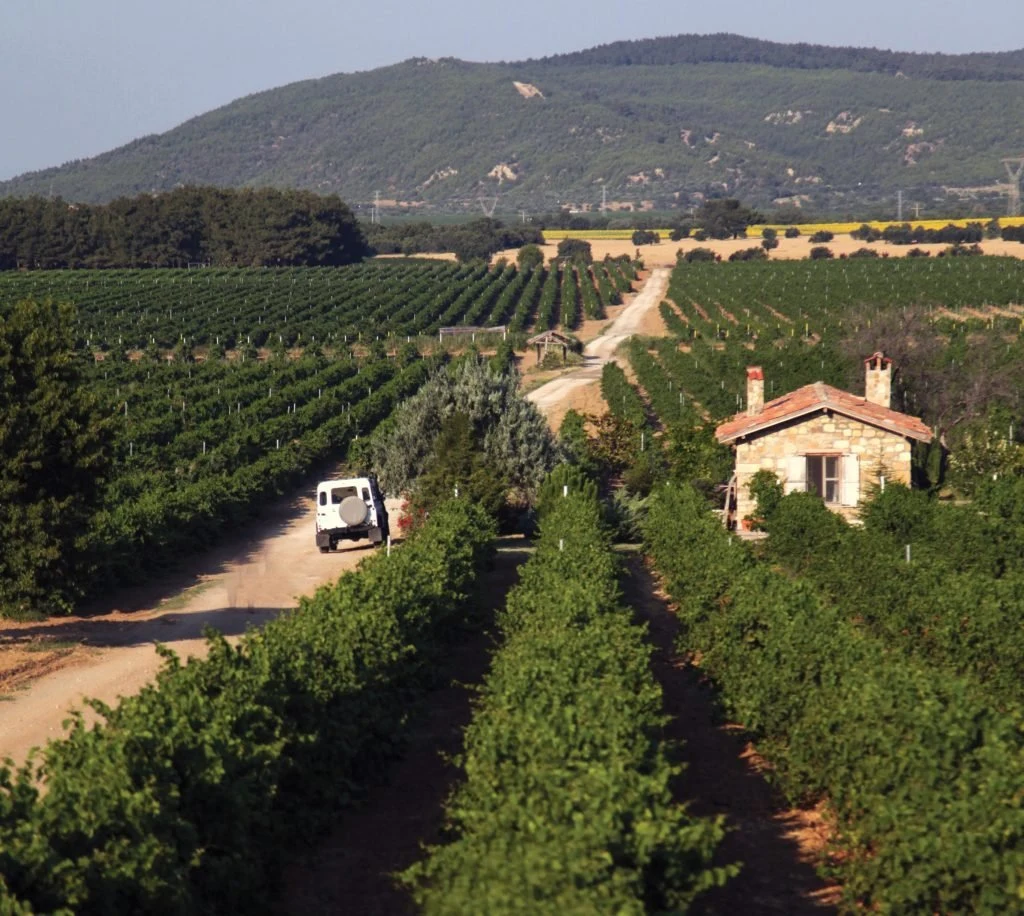
Approach this wine through the vineyard rather than the label. The defining image is not a polished urban tasting room in Istanbul but an inner Aegean basin near Akhisar, where vines sit around a château-style estate and low mountains mark the edge of the agricultural plain. That physical setting matters because Selendi’s strongest claim is not scale, awards, or cellar theatre. It is the link between a compact organic vineyard footprint and Turkish grape identity, especially Narince.
Turkey’s modern wine conversation has often been split between two impulses: proving technical fluency with Cabernet Sauvignon, Merlot, Chardonnay, and other globally legible grapes, while arguing for the seriousness of native varieties that rarely travel with the same commercial ease. Selendi sits inside that second argument without rejecting the first. Its varietal list includes Narince, Viognier, Chardonnay, Cabernet Sauvignon, and Merlot, but the more interesting editorial point is how Narince gives the estate a clearer reason to exist within the wider Turkish field.
Narince gives the Aegean estate its clearest voice
Narince is usually discussed as a Turkish white grape with enough texture and acidity to support several interpretations, from fresh and aromatic to more structured styles. In Selendi’s case, the Moralı Narince has carried much of the attention, helped by its reappearance in wider circulation after a period when drinkers had found it difficult to source. That availability story is a useful signal: the wine reads less like supermarket volume and more like a specialist bottle that has built recognition among people already paying attention to Turkish wine.
The 2022 Moralı Narince is the most concrete lens into the house style. It is presented as a Narince from organic grapes, with 12.5% alcohol and a profile that leans toward aromatic lift, medium body, citrus, stone fruit, melon, and floral notes. Those details point to freshness rather than weight, and to a style where fruit clarity matters more than oak-driven force. The wine’s peach-toned appearance has also been noted as unusual for a white, a small but telling reminder that Turkish native varieties do not always fit into familiar visual and stylistic categories.
The broader portfolio complicates the picture in a useful way. The Sarnıç Viognier Chardonnay Narince blend shows that the estate is not making a purist argument about indigenous grapes alone. Instead, it uses Narince both as a standalone point of identity and as part of a more contemporary blending language. That is where Selendi feels current: not folkloric, not international by default, but moving between local variety and modern cellar expectations.
Small-scale organic farming, not trophy production, frames the appeal
Vineyard story is unusually compact. Selendi’s organically farmed estate holding is described at 3.2 hectares, with vineyards associated with Moralılar and Sarnıç. Moralılar is especially relevant because the vines surround the winery in a flat basin bordered by low-lying mountains. No soil map is needed to understand the editorial significance: this is a site-led proposition, not a broad regional label assembled for anonymity.
That scale also changes the reader’s expectations. Turkish wine can be encountered through established national producers, island wineries, Cappadocian volcanic-soil estates, and Mediterranean mountain vineyards; Selendi belongs to the smaller, estate-feeling end of that spread. For a broader national view, the Istanbul wine circuit can be read alongside Our full Istanbul wineries guide, with other Turkish references including BÜYÜLÜBAĞ, Kayra, Amadeus / Ayana in Bozcaada Canakkale, Corvus in Bozcaada, Doluca in Cerkezkoy, Kavaklidere in Akyurt Ankara, KOCABAĞ in Uchisar Nevsehir, and LIKYA in Antalya.
The organic point should be read precisely. It is a farming signal, not a complete sustainability manifesto. There is no need to inflate it into a full environmental platform. Its value is narrower and stronger: a small estate farming organically, working with a native grape, and presenting wines that make place and variety easier to read. In a market where imported styles can dominate premium cues, that restraint is part of the attraction.
How Selendi fits a wider Istanbul wine itinerary
Selendi is listed for Istanbul, but its cultural usefulness is broader than city geography. It helps explain why Turkey’s wine revival cannot be reduced to restaurant lists or coastal tourism. The serious thread runs through regional grape memory, agricultural specificity, and producers willing to make wines that do not need to mimic Bordeaux, Burgundy, or the New World to justify their price tier.
The experience itself is better framed as a quiet, guided, estate-grounded visit than a high-energy hospitality stop. The setting is described through vineyard views, château-style production, rustic polish, and a small-capacity format. That makes it better suited to travellers who want context around Turkish wine than to groups looking for a casual drop-in tasting between city appointments. Casual dress fits the tone; the premium positioning comes from scale, farming, and bottle identity rather than formality.
For travellers building a fuller Istanbul trip, wine works well as one layer rather than the whole itinerary. Dining context sits in Our full Istanbul restaurants guide, while hotels, bars, and cultural programming can be planned through Our full Istanbul hotels guide, Our full Istanbul bars guide, and Our full Istanbul experiences guide. International wine travellers may also find useful contrast in Central European and German-speaking producers such as »der Steiner« Hans Steiner in Podersdorf am See and & Handwein in Mannheim, where small-scale identity and regional expression operate under different wine cultures.
The editorial case for Selendi is compact but persuasive: organic farming at modest scale, a Narince-led identity, and an Aegean basin setting that gives the wines a clearer origin story than many premium labels can claim. It is not the producer to choose for maximal ceremony. It is the one to choose when Turkish wine’s native-grape future is the subject.
Questions
Frequently asked
How expensive is Selendi?
Selendi is listed at a price level of $$$.
The field
How it compares
| Place | Notes |
|---|---|
| Selendi | Akhisar, $$$ |
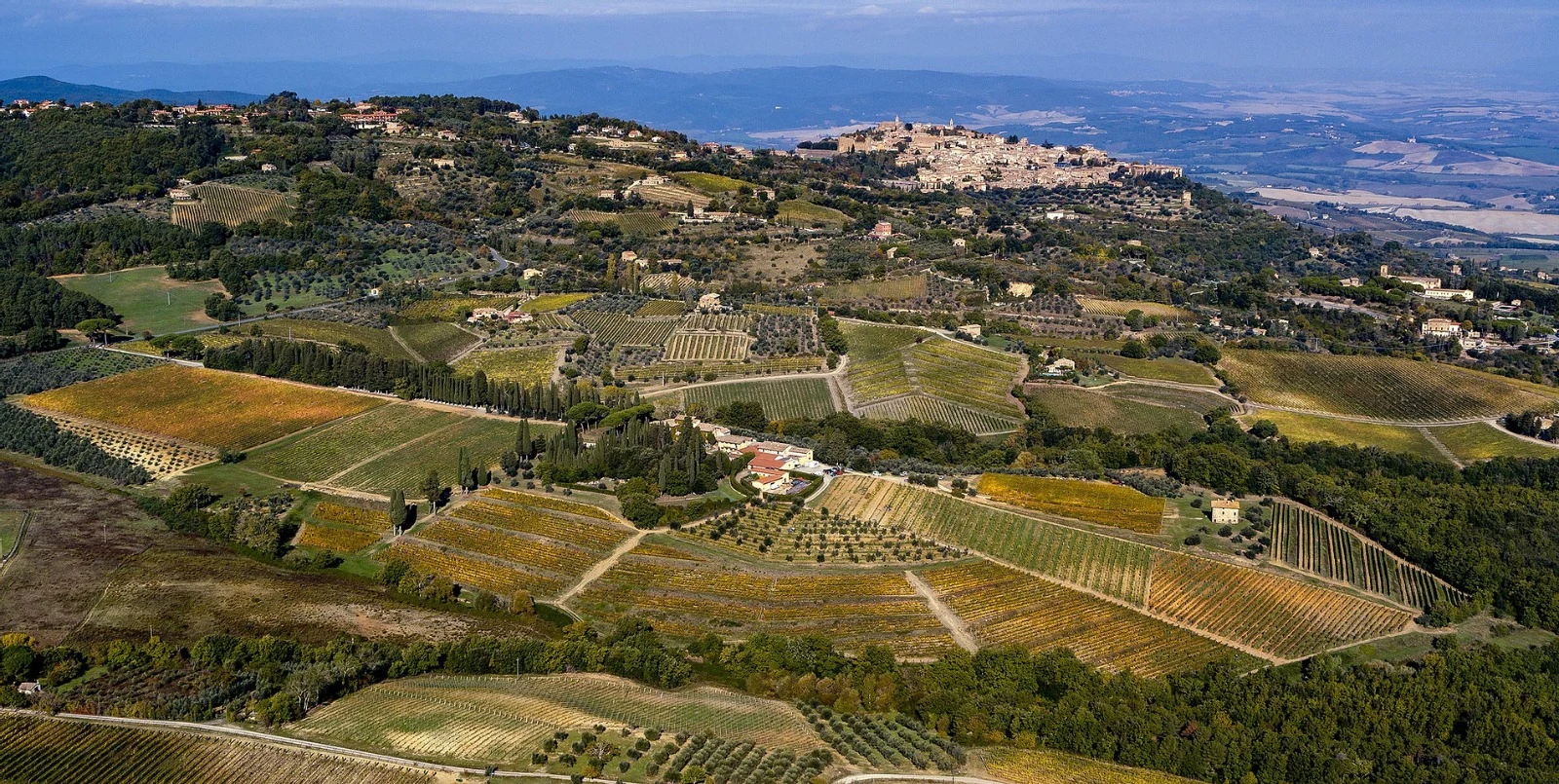
| Biondi-Santi Tenuta Greppo | Montalcino |
| BÜYÜLÜBAĞ | Istanbul |
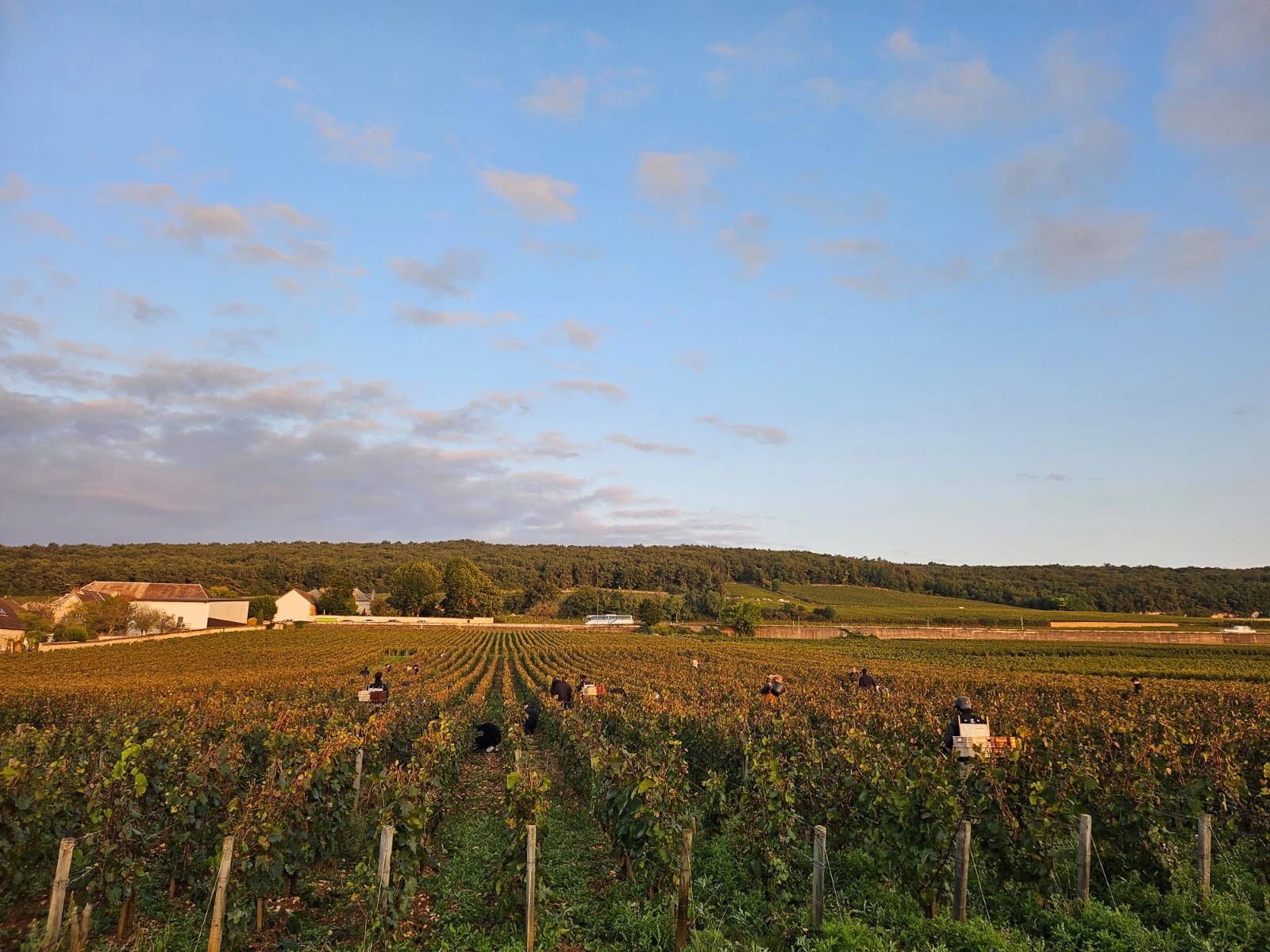
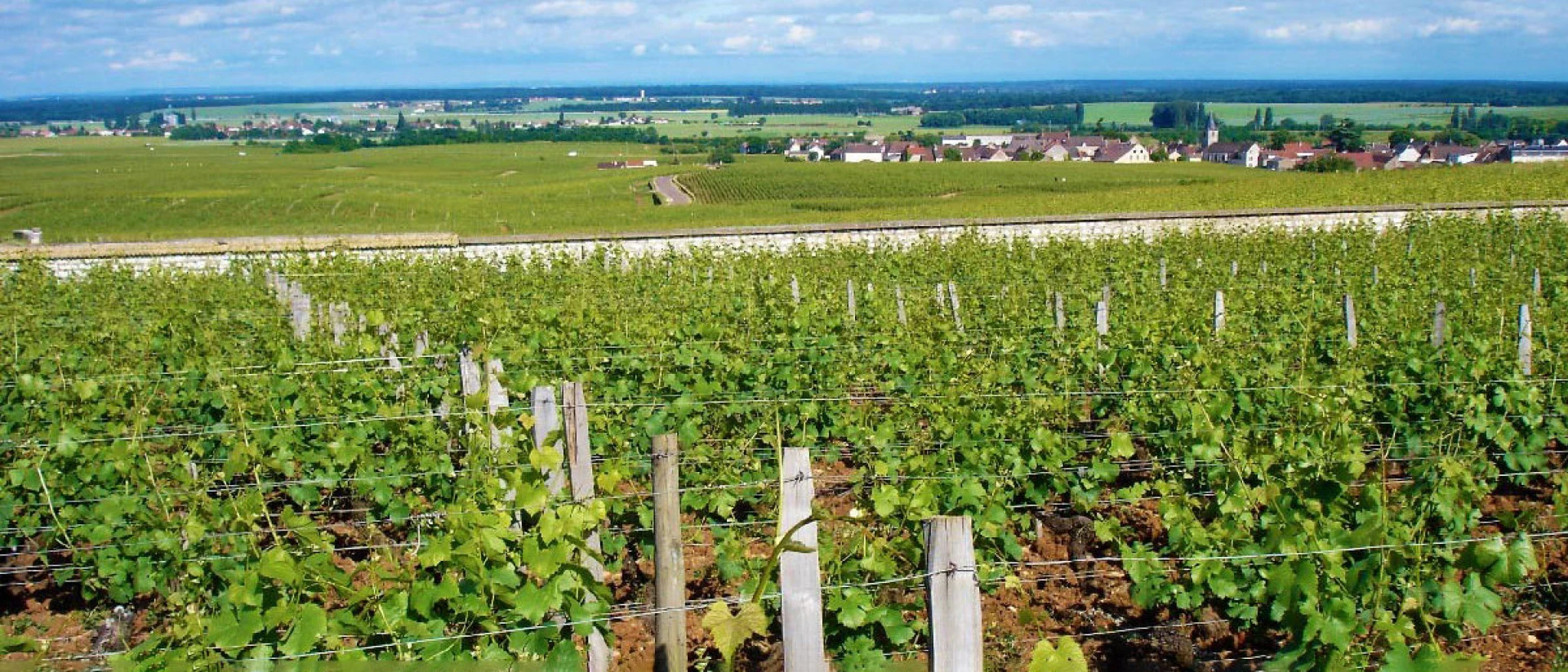
| Domaine du Comte Liger-Belair | Vosne-Romanée |
| Domaine Méo-Camuzet | Vosne-Romanée |
| Kayra | Istanbul |
| Masseto | Castagneto Carducci |