Shitennoji Hayauchi
- 01CuisineTraditional Soba
- 02CityOsaka, Japan
- Michelin Bib Gourmand · Michelin Guide
- Michelin Bib Gourmand · 2026
- Michelin Bib Gourmand · 2025
- Tabelog 100 #9: 3.7pts · 2025
- Michelin Bib Gourmand · 2024
Where Temple Ground Meets Buckwheat Craft
The streets around Shitennoji, Japan's oldest Buddhist temple complex, carry a different atmospheric weight from Osaka's better-publicised eating districts. Namba's neon and Dotonbori's noise are a city away in feeling, even if the geography places them closer. Tennoji Ward is older, quieter in its rhythms, and home to a dining culture that tends toward craft and neighbourhood loyalty rather than tourist throughput. It is in this context that Shitennoji Hayauchi operates, a soba shop whose address is as deliberate a statement as anything on its menu.
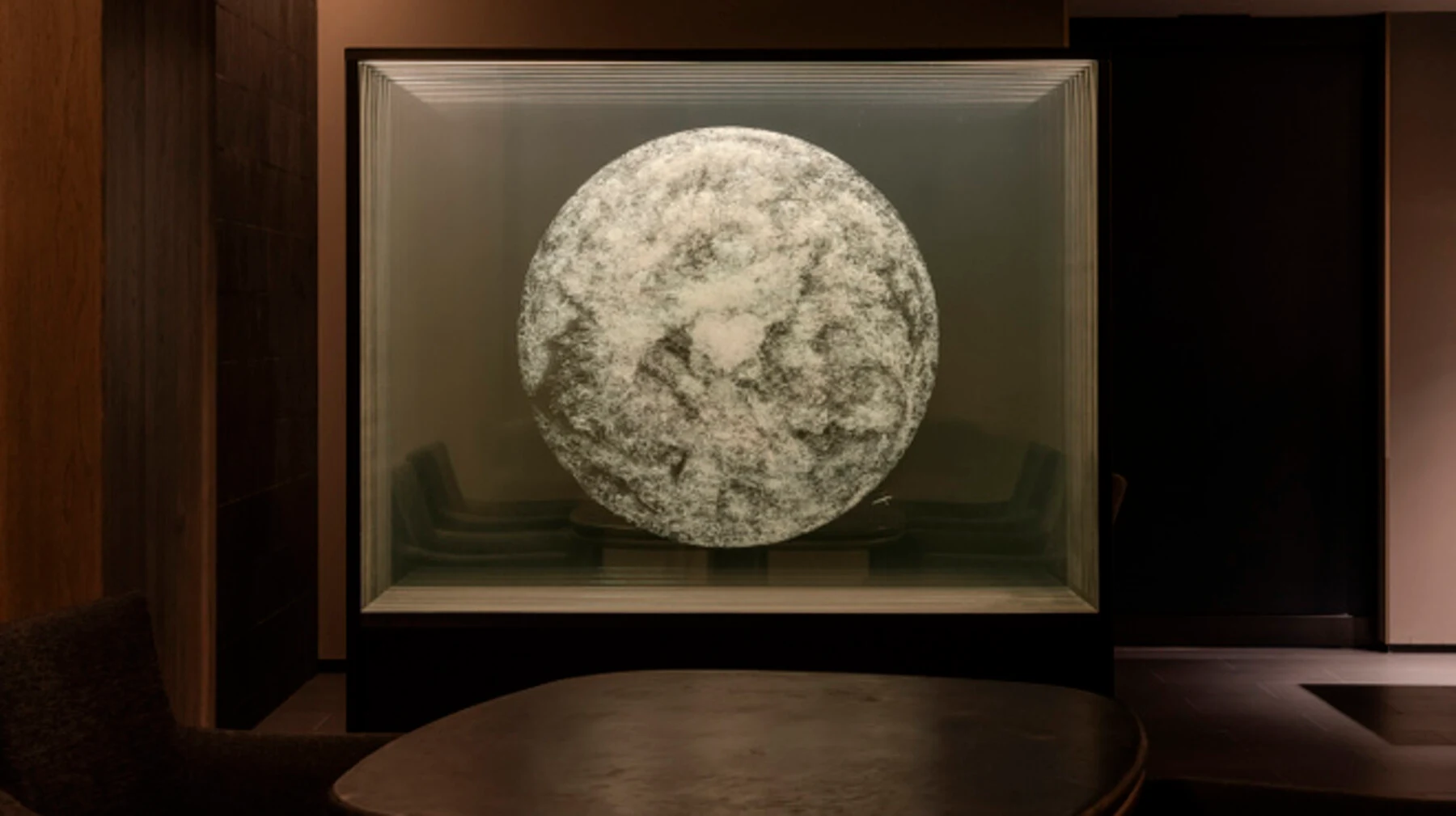
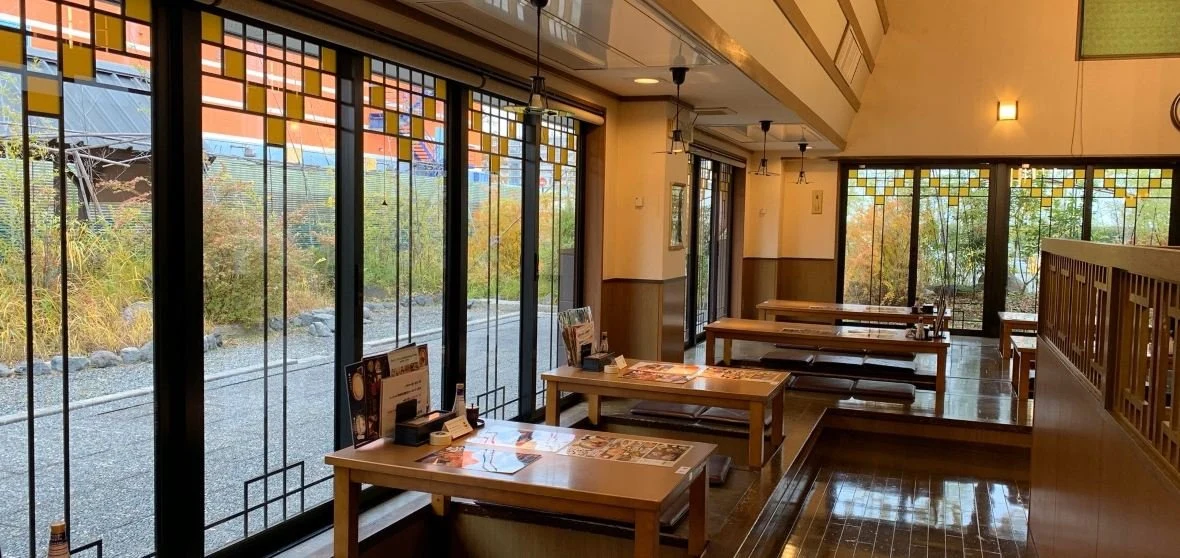
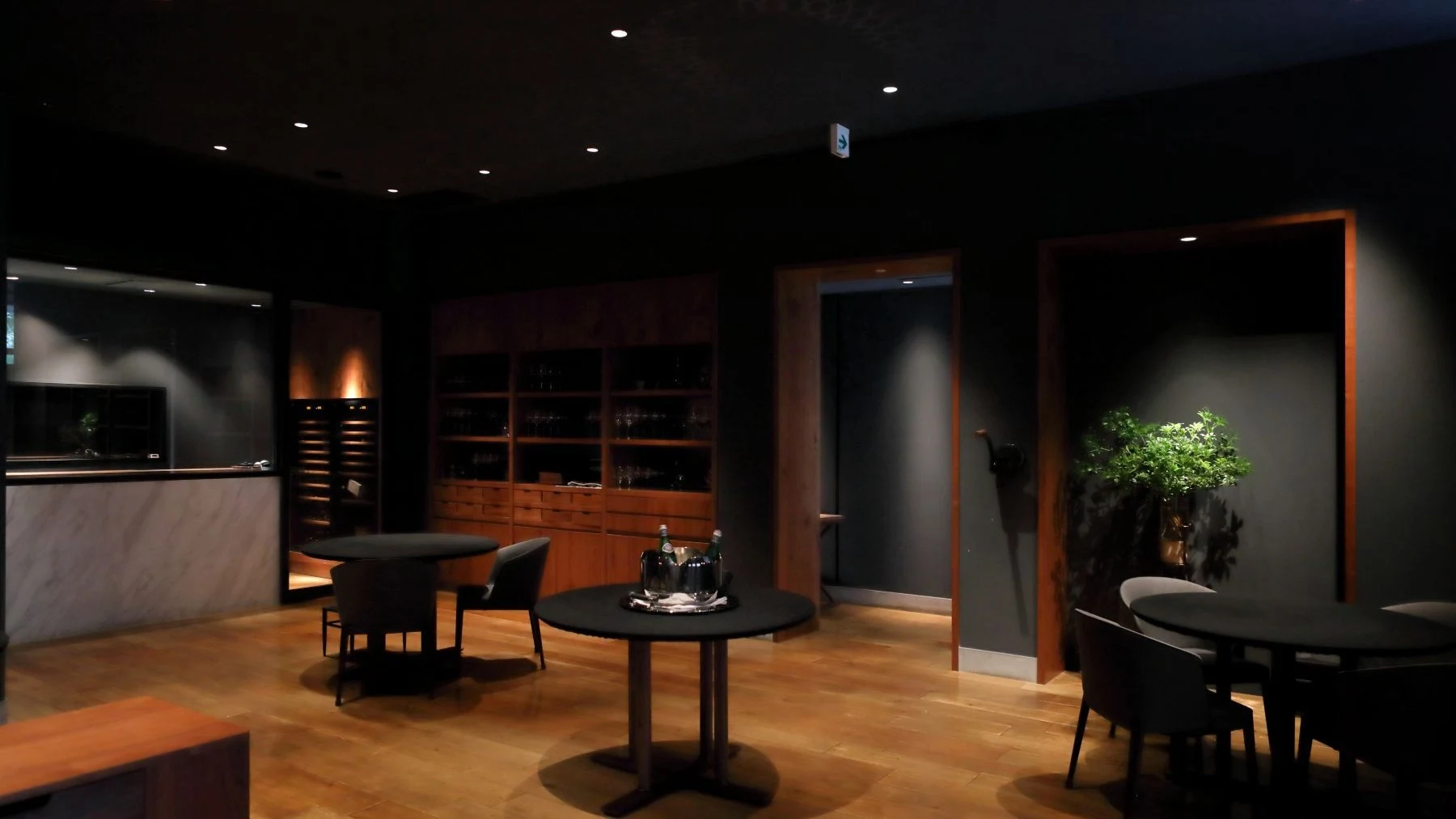
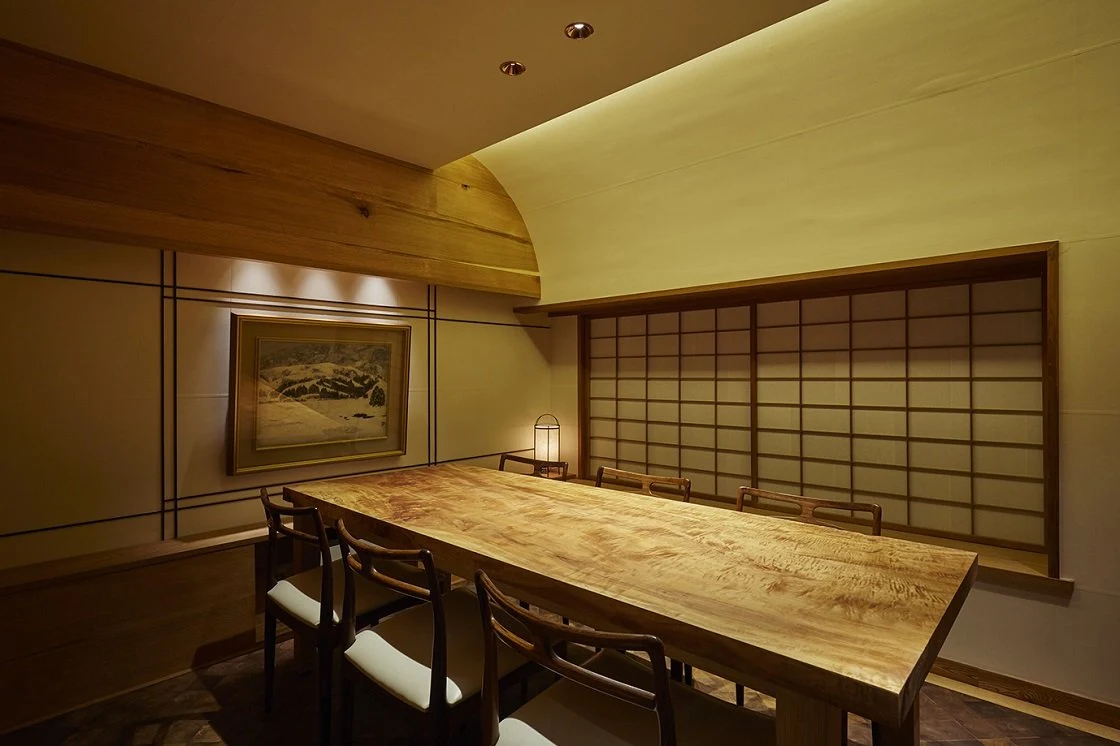
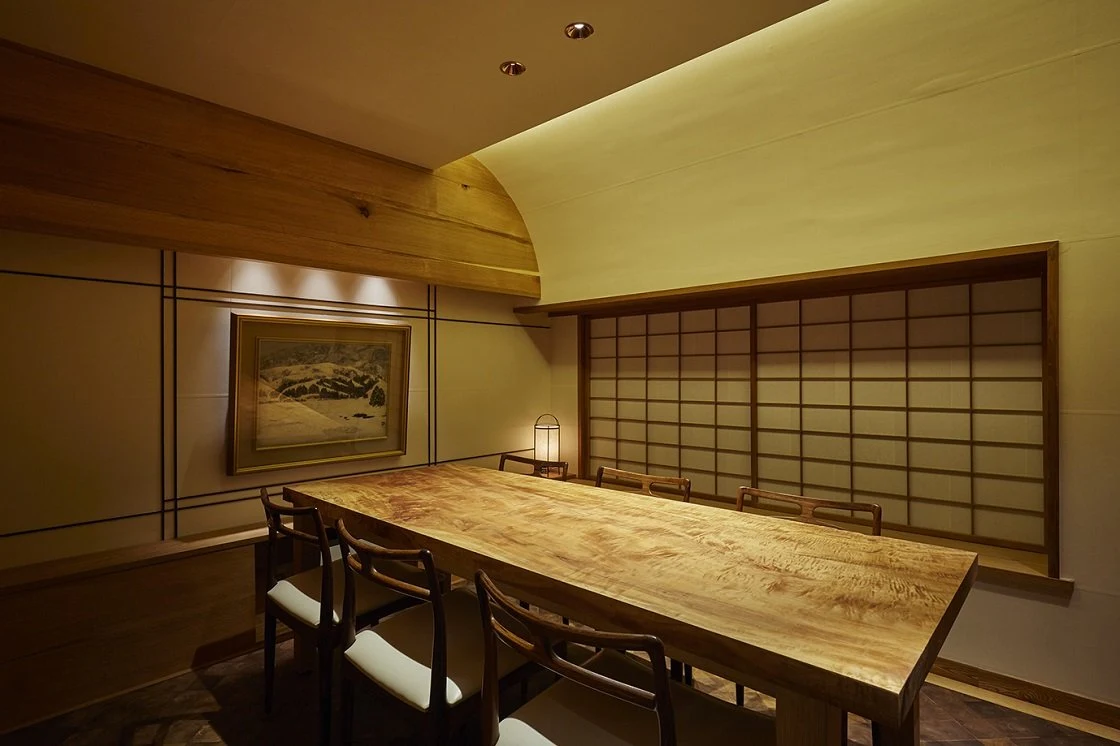
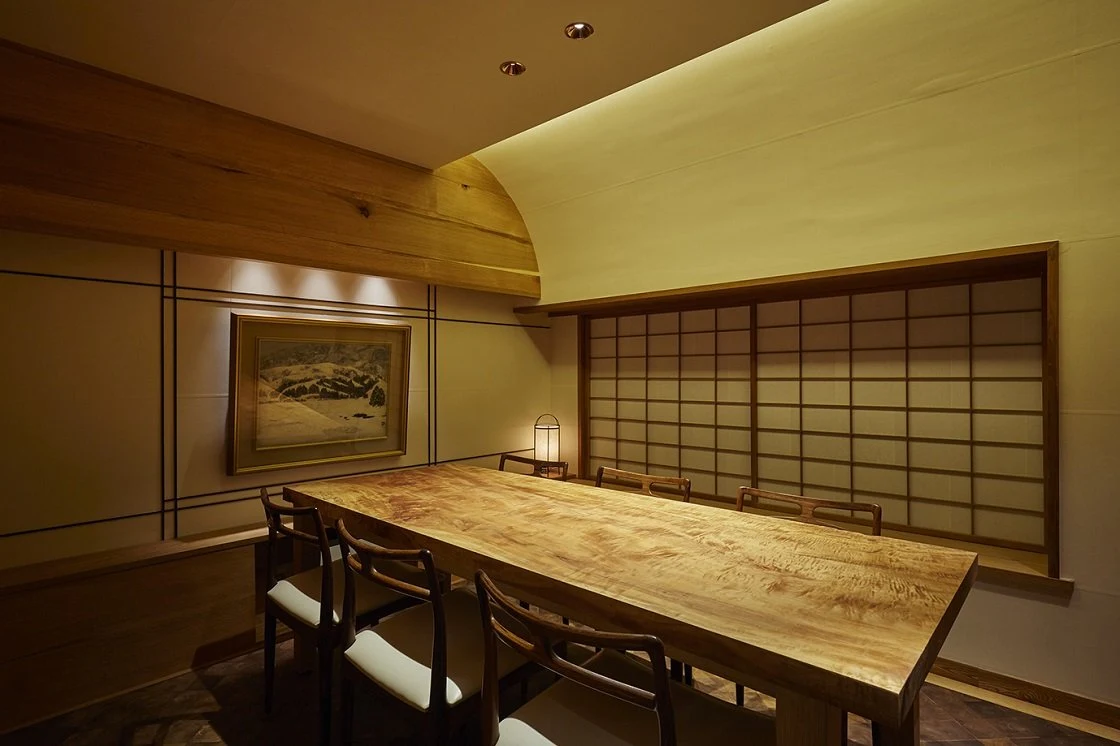
The physical environment signals its intentions before a bowl arrives. Oribe stoneware, that characteristically austere, iron-spotted Japanese ceramic tradition, gives the interior a grounded material presence. Earthen walls and recycled materials create a rough-hewn quality that reads closer to folk-art workshop than restaurant. The crockery is produced by a potter with whom the owner-chef maintains an ongoing relationship, which means the vessels have a consistency and intentionality that mass-produced tableware cannot replicate. In a city where Osaka dining spans everything from three-star kaiseki to standing ramen bars, this considered materiality places Hayauchi in a distinct corner of the spectrum.
Two Soba, One Standard
Soba shops across Japan tend to anchor their identity in one of two directions: the delicacy of finely milled noodles or the chew and earthiness of coarser, more rustically ground buckwheat. Shitennoji Hayauchi does not choose between them. Both fine-ground seiro soba and coarse-ground inaka soba are on offer, and both are rolled to the same thickness. This single technical decision carries more weight than it might first appear. Rolling different grain grades to a uniform thickness requires precision and control; the texture difference between seiro and inaka therefore comes entirely from the milling and the flour composition, not from a shortcut in rolling technique. For a ¥-tier establishment operating in a genre where craft is the primary currency, this consistency is the clearest signal of where the kitchen's priorities lie.
The soba tradition in Japan's Kansai region sits in a different register from its Tokyo counterpart. Where Tokyo soba culture emphasises the restrained dipping of cold noodles into tsuyu, Kansai has historically accommodated a broader palette of accompaniments and warmer, brothier presentations. Hayauchi's format reflects local lineage, and its position in the Bib Gourmand tier for both 2024 and 2025 confirms that Michelin's inspectors have recognised the craft here as operating above its price point. Compare this to Osaka peers like Naniwa Okina or Soba Takama, and a clear tier of serious, accessible soba in this city begins to take shape.
The Queue as Context
Lunchtime queues forming before the doors open are not unusual in Osaka's food culture, but they carry specific meaning for a soba shop rather than a ramen counter or a takoyaki stall. Soba is a more considered eating experience, and the people queuing for it tend to know exactly what they are coming for. The pre-opening queue at Shitennoji Hayauchi is an indicator of a loyal, repeat customer base rather than tourist curiosity, which tells you something about how the shop functions within its neighbourhood. This is Tennoji eating on its own terms.
Reservations are recommended. Visitors planning around the reservation route should treat that as the more deliberate, unhurried version of the meal.
Tennoji Ward and the Broader Osaka Table
Osaka's dining reputation is built on a particular kind of democratic seriousness: good food at accessible prices, executed with craft, in spaces that do not require a dress code or a special occasion. Shitennoji Hayauchi fits that description precisely. But framing it only within Osaka's general eating culture undersells the specificity of its location. The neighbourhood around Shitennoji temple has a gravitational pull of its own, drawing a mix of local residents, temple visitors, and the kind of food-focused travellers who build itineraries around a soba shop in a ward most tourists pass through on the way to something else.
For visitors already exploring Osaka's more familiar circuits, adding a meal here means crossing to the eastern side of the city centre, where the JR Tennoji and Osaka Metro Tennoji stations make the area direct to reach. The broader Tennoji district also connects well with a day in Nara, making a stop at Hayauchi a logical anchor for that kind of regional circuit. For those building a multi-city Japan itinerary, Gion Sasaki in Kyoto and akordu in Nara represent the broader Kansai table at very different price points.
Where It Sits in the Osaka Soba Picture
Osaka's soba scene is smaller and less discussed than Tokyo's, but it has genuine depth. Sobadokoro Toki, Sobakiri Arabompu, and Ayamedo each represent distinct approaches within the city. For a Tokyo comparison, Akasaka Sunaba and Azabukawakamian show how the capital's soba culture operates in a different register. Hayauchi's Bib Gourmand standing for two consecutive years at the ¥ price tier places it in a specific competitive position: craft-led, locally embedded, and priced for frequency rather than occasion.
Within the wider Osaka dining context, the contrast with the city's highest-end tables is instructive. Venues like Hajime or La Cime operate at ¥¥¥¥, where the experience is structured around a single, extended occasion. Hayauchi operates in an entirely different economy of time and money, but the Michelin recognition it holds is not a consolation tier. Bib Gourmand listings reward cooking that exceeds its price bracket, and two consecutive years of that recognition at a soba shop in Tennoji Ward says something clear about the consistency of what this kitchen produces.
Planning Your Visit
| Detail | Shitennoji Hayauchi | Peer Reference (Osaka Soba tier) |
|---|---|---|
| Price range | ¥ | ¥ to ¥¥ across serious Osaka soba shops |
| Award | Michelin Bib Gourmand 2024, 2025 | Peer shops vary; Bib Gourmand is a differentiator at this price |
| Booking | Reservations available (recommended for soba trays); walk-in queue for standard service | Walk-in is norm at this tier; reservation access is an advantage here |
| Timing | Lunch queue forms before opening; arrive early or book ahead | Lunch is peak for most Osaka soba shops |
| Location | Tennoji Ward, near Shitennoji temple; JR and Metro Tennoji stations | Osaka soba shops distributed across multiple wards |
| Format | Counter / soba shop; soba trays with snacks by reservation | Standard soba shop format across comparable set |
If you are building a wider Japan itinerary, Harutaka in Tokyo and Goh in Fukuoka illustrate how different Japan's serious dining culture looks at the upper end of the price range.
Questions
Frequently asked
What recognition does Shitennoji Hayauchi hold?
Shitennoji Hayauchi holds a Michelin Bib Gourmand.
How expensive is Shitennoji Hayauchi?
Shitennoji Hayauchi is listed at a price level of $$.
Where is Shitennoji Hayauchi and what does it serve?
Shitennoji Hayauchi is in Tennōji, Osaka, serving Traditional Soba.
The field
How it compares
| Place | Cuisine | Notes | Awards |
|---|---|---|---|
| Shitennoji Hayauchi | Traditional Soba | Tennōji, $$ | · |
| HAJIME | Avant-Garde Japanese Fine Dining | Osaka | Michelin 3 Stars, World's 50 Best |
| Honkogetsu | Traditional Kaiseki | Osaka | · |
| La Cime | Modern French with Japanese Ingredients | Osaka | Michelin 2 Stars, World's 50 Best |
| Numata | Michelin-Starred Tempura Omakase | Osaka | Michelin 2 Stars |
| Sushi Sanshin | Edomae Omakase Sushi | Osaka | Michelin 1 Star |
| Taian | Traditional Japanese Kaiseki Omakase | Osaka | Michelin 3 Stars |
Similar places
Avant-Garde Japanese Fine Dining
HAJIME
Osaka, Japan
★★★ · 50 Best
Traditional Kaiseki
Honkogetsu
Osaka, Japan
Modern French with Japanese Ingredients
La Cime
Osaka, Japan
★★ · 50 Best
Michelin-Starred Tempura Omakase
Numata
Osaka, Japan
★★
Edomae Omakase Sushi
Sushi Sanshin
Osaka, Japan
★
Traditional Japanese Kaiseki Omakase
Taian
Osaka, Japan
★★★