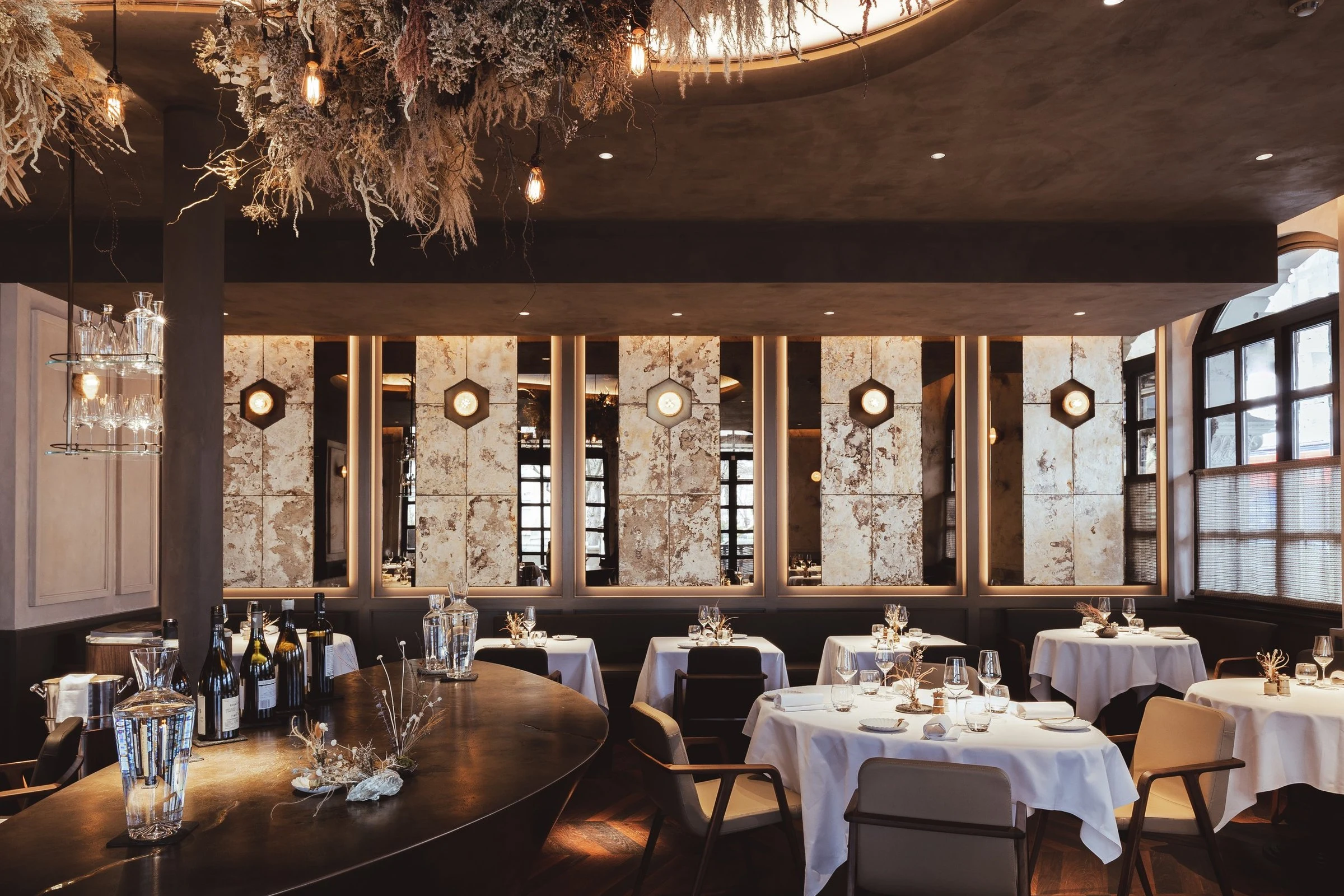
Silk Road
- 01CuisineAuthentic Xinjiang Chinese
- 02CityLondon, United Kingdom

From the people index
Recommended by
One trusted voice points here.

Where the Silk Road's Culinary Logic Lands in South London
Silk Road is a restaurant in Camberwell, London, serving Authentic Xinjiang Chinese. The stretch of Camberwell Church Street that runs toward Denmark Hill is lined with chicken shops, a few independent cafes, and the kind of mid-century shopfronts that survive in south London because no developer has found a compelling reason to replace them. That ordinariness is precisely the context that makes Silk Road legible: it is a Xinjiang restaurant in a part of the city where the dining scene runs on value, loyalty, and word of mouth.
Xinjiang cuisine occupies a specific and underrepresented position in London's Chinese restaurant map. The city's Chinese dining is heavily weighted toward Cantonese traditions in the West End and increasingly toward Sichuan heat-led cooking in both the West End and outer boroughs. Xinjiang cooking belongs to a different register altogether. Geographically, Xinjiang sits in the far northwest of China, sharing borders with Kazakhstan, Kyrgyzstan, Tajikistan, and other Central Asian states, and the cuisine reflects that intersection: lamb is the dominant protein, cumin and dried chilli are the primary spices, and flatbreads play the structural role that rice holds elsewhere in Chinese cooking. The flavour logic is closer to the eastern Silk Road trading corridors than to the coastal Chinese traditions that most London diners know.
The Ritual of the Meal: How to Eat at Silk Road
The dining ritual at Silk Road rewards a particular approach. The room is small, the tables turn, and the format is emphatically communal. Ordering light misses the point. The kitchen's output is built around the logic of shared plates arriving in rough sequence, and the meal works well when the table commits to volume and variety rather than treating it as a standard two-course dinner.
Lamb features consistently across the menu in multiple preparations, from skewered and charred formats to braised applications. The cumin presence throughout is not decorative: it anchors the spice profile that defines Xinjiang cooking and distinguishes it clearly from the numbing heat of Sichuan or the delicate aromatics of Cantonese cuisine. Flatbread arrives as an instrument, not a side, and is used to scoop, wrap, and absorb. The pacing is informal. Dishes arrive when they are ready rather than according to a choreographed sequence, which makes the meal feel more like eating in a family kitchen than at a restaurant operating to service standards.
That informality is the format's strength and also its signal. Silk Road sits in the casual end of London's Chinese dining spectrum, and it makes no claims to the contrary. The comparison set is not CORE by Clare Smyth or The Ledbury, where service choreography and tasting menus define the experience. It is closer in spirit to the neighbourhood specialists that have driven London's most durable food reputations: places that survive on cooking quality and price-to-value rather than on atmosphere engineering.
South London's Dining Tradition and Where Silk Road Fits
South of the river, London's most durable restaurant reputations have tended to grow from the same conditions: low rents, local regulars, and a cuisine that rewards repeat visits. Camberwell has produced a handful of these over the years, and Silk Road follows that template. It has accumulated a significant following through recommendations rather than through the media coverage that drives attention to restaurants in Mayfair, Marylebone, or Notting Hill, where places like Sketch, The Lecture Room and Library, Restaurant Gordon Ramsay, and Dinner by Heston Blumenthal operate with the full weight of institutional recognition behind them.
The contrast in London's dining geography is worth stating directly. The city's Michelin-starred tier, which includes restaurants from Waterside Inn in Bray and L'Enclume in Cartmel to Moor Hall in Aughton, Gidleigh Park in Chagford, Hand and Flowers in Marlow, hide and fox in Saltwood, Midsummer House in Cambridge, Opheem in Birmingham, Ynyshir Hall in Machynlleth, and Restaurant Andrew Fairlie in Auchterarder, operates with different economics, different service logic, and different expectations. Silk Road's value to the London dining conversation is not that it competes with any of those rooms. It is that it holds a position in the city's culinary range that almost no one else occupies: a serious, specific, and affordable entry point into a Central Asian-inflected cuisine that the city's restaurant industry has largely ignored.
Internationally, the casual communal dining format that Silk Road uses has found serious expressions in cities with larger Central Asian diaspora populations. Le Bernardin in New York City and Lazy Bear in San Francisco represent entirely different points on the formality and investment spectrum, which illustrates how wide the range of serious restaurant experiences actually runs. Silk Road's informality is a deliberate register, not an absence of intent.
Planning Your Visit
Camberwell Church Street is reachable by bus from both London Bridge and Brixton, and the SE5 postcode is a reasonable walk from Denmark Hill overground station. The restaurant does not operate with the kind of booking infrastructure associated with London's higher-profile dining rooms, so arrival timing and queue tolerance are worth considering, particularly on weekend evenings when the room's reputation draws visitors from across the city. Groups of four to six make the most of the shared format.
Know Before You Go
- Address: 47 Camberwell Church St, London SE5 8TR
- Neighbourhood: Camberwell, south London
- Getting there: Bus from London Bridge or Brixton; Denmark Hill overground station within walking distance
- Format: Casual, communal, shared plates
- Cuisine: Xinjiang (northwest Chinese, Central Asian influence)
- Booking: Check current arrangements on arrival or via direct contact; walk-ins are typical at this type of venue
- Leading for: Groups of four or more; those familiar with lamb-forward, cumin-led cooking
Questions
Frequently asked
How expensive is Silk Road?
Silk Road is listed at a price level of $.
Where is Silk Road and what does it serve?
Silk Road is in Camberwell, London, serving Authentic Xinjiang Chinese.
The field
How it compares
| Place | Cuisine | Notes | Awards |
|---|---|---|---|
| Silk Road | Authentic Xinjiang Chinese | Camberwell, $ | · |
| CORE by Clare Smyth | Modern British Fine Dining | London | Michelin 3 Stars, World's 50 Best |
| Ikoyi | Modern West African Fine Dining | London | Michelin 2 Stars, World's 50 Best |
| Kitchen Table | Modern British Fine Dining | London | Michelin 2 Stars |
| KOL | Modern Mexican Fine Dining | London | Michelin 1 Star, World's 50 Best |
| Row on 5 | Modern British Fine Dining with Mediterranean & Asian Influences | London | Michelin 2 Stars |
| The Ledbury | Modern British Fine Dining | London | Michelin 3 Stars, World's 50 Best |
Similar places
Modern British Fine Dining
CORE by Clare Smyth
London, United Kingdom
★★★ · 50 Best
Modern West African Fine Dining
Ikoyi
London, United Kingdom
★★ · 50 Best
Modern British Fine Dining
Kitchen Table
London, United Kingdom
★★
Modern Mexican Fine Dining
KOL
London, United Kingdom
★ · 50 Best
Modern British Fine Dining with Mediterranean & Asian Influences
Row on 5
London, United Kingdom
★★
Modern British Fine Dining
The Ledbury
London, United Kingdom
★★★ · 50 Best