Skip to Content
    Made ByWinery

    Silvio Grasso

    1. 01CityLa Morra, Italy
    Silvio Grasso

    Silvio Grasso is a family-run La Morra winery founded in 1927, with a compact Piedmont program led by Nebbiolo and Barolo. The draw is terroir rather than spectacle: La Morra marne and sandstone for Barolo “Giachini,” Monforte d’Alba calcareous soils for Nebbiolo “Peirass,” and regional breadth through Dolcetto and Barbera.

    La Morra wine country works on a quieter frequency than the tasting-room circuits built around architecture, restaurants, and large hospitality programs. The more serious pleasure here is often agricultural: slopes, cellar doors, family names, and the way Nebbiolo changes meaning when a producer names the commune and soil before the sales pitch. Silvio Grasso belongs to that older grammar of the Langhe, a small family-run agricultural enterprise where the visit is framed around wine, place, and continuity rather than staged leisure.

    The estate dates to 1927, and its modern shape is tied to a decisive shift in the mid-1980s, when Alessio Federico Grasso began bottling the full production after taking over from Silvio Grasso. In Piedmont, that move matters. Many historic farms passed through a similar transition, from selling grapes or partial production to building an estate identity under their own label. The result here is not a sprawling portfolio designed to chase every market segment, but a traditional La Morra range centered on Nebbiolo, with Dolcetto and Barbera doing the regional work around it.

    La Morra soils give the Barolo program its main argument

    Barolo is never only about grape variety. Nebbiolo provides the structure, but village and soil decide much of the conversation, especially in a commune such as La Morra, where origin carries commercial and cultural weight. Silvio Grasso’s Barolo “Giachini” is 100% Nebbiolo from La Morra, with marne and sandstone soils named as part of the wine’s identity. That is the key signal: the bottle is positioned through place, not through cellar technique or brand theatrics.

    The estate’s second Nebbiolo reference, “Peirass,” comes from Monforte d’Alba and is also 100% Nebbiolo, but the soil language changes to medium-textured calcareous ground. That contrast gives the range a useful educational shape for visitors who care about how Langhe geography reads across wines. The point is not a single grand statement about Nebbiolo; it is the difference between La Morra and Monforte d’Alba expressed through bottlings that keep grape variety constant while shifting origin.

    Dolcetto and Barbera complete the classical Piedmont frame. The Langhe Dolcetto is listed as 100% Dolcetto from La Morra and Roddino on limestone, while Barbera d’Alba is 100% Barbera from La Morra, also on limestone. In a cellar-door context, these wines matter because they keep the estate grounded in the everyday drinking culture of the region. Barolo may carry the prestige, but Dolcetto and Barbera explain how a family producer remains tied to local tables rather than only to collectors.

    A visit built around cellar conversation, not hospitality spectacle

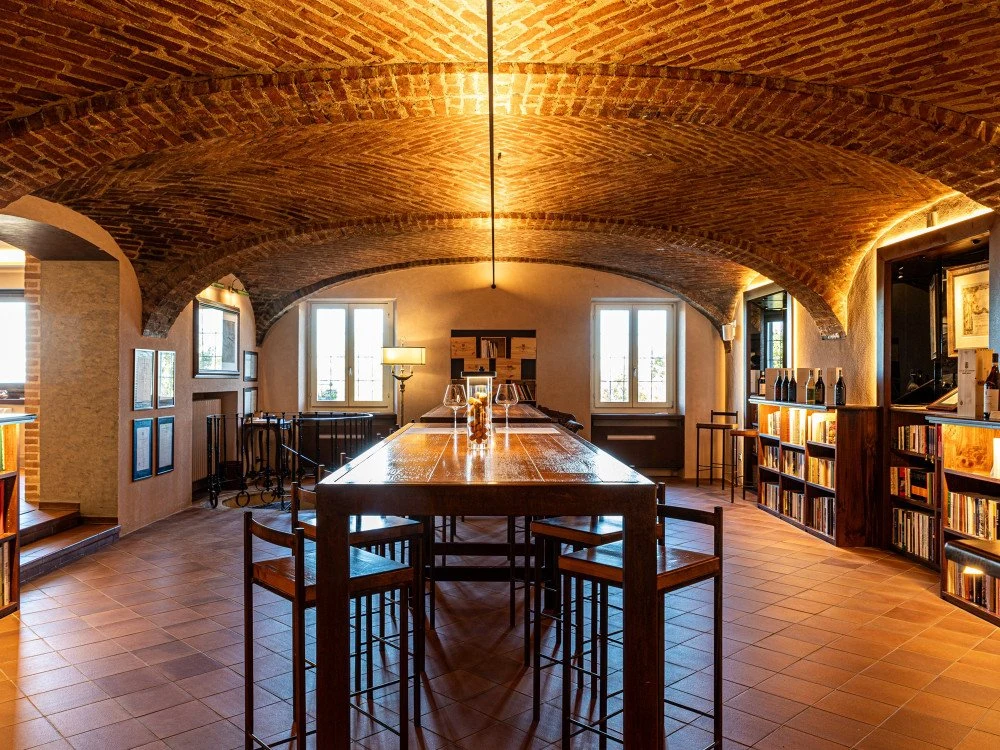
    The experience is appointment-based, with guided tastings and private tasting formats forming the core of the visit. That format suits the estate’s scale. Langhe wineries of this kind are not trying to behave like resort properties; they work better when the rhythm is slower and the subject is the vineyard, the cellar, and the differences between bottlings. For travelers building a La Morra itinerary, this is the kind of stop to place alongside a broader look at the commune’s wine culture rather than as a standalone entertainment block.

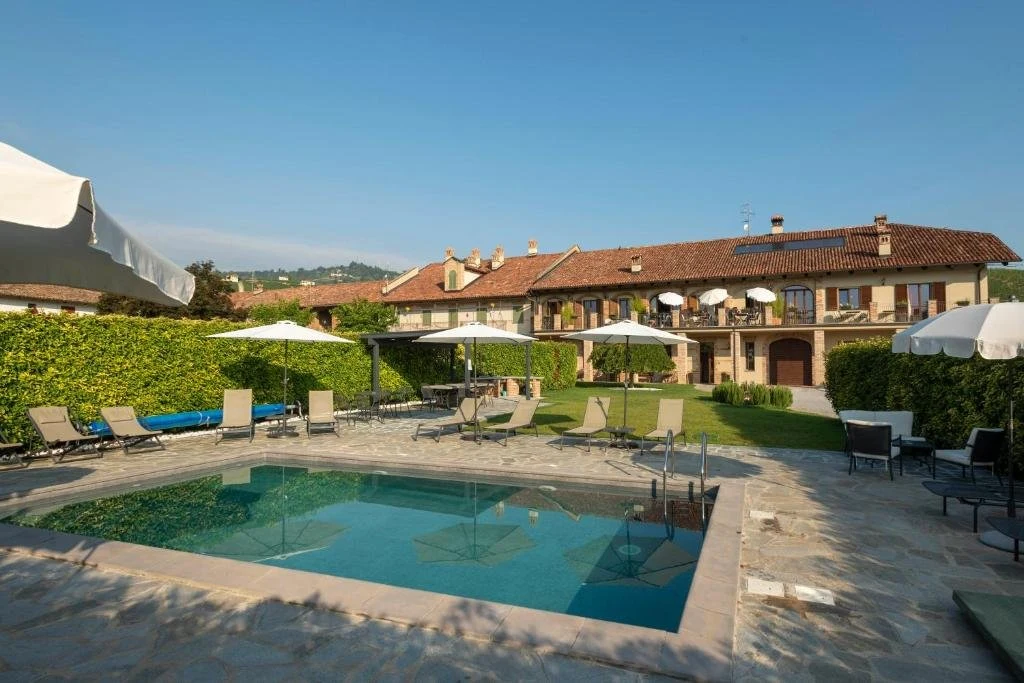
    The atmosphere is described in practical terms: family-run, traditional, quiet, rustic, classic, intimate, and scenic, with vineyard context part of the setting. There is no restaurant-style pairing program attached to the experience, and that is not a weakness. In Barolo country, a stripped-back tasting can be more useful than a heavily choreographed format, especially when the producer’s main evidence lies in appellation, grape, and soil.

    Estate also sits within a La Morra network worth approaching as a full-day wine study rather than a sequence of isolated tastings. For more local planning, EP Club’s broader city coverage includes Our full La Morra wineries guide, plus dining, hotels, bars, and experiences through Our full La Morra restaurants guide, Our full La Morra hotels guide, Our full La Morra bars guide, and Our full La Morra experiences guide. Nearby La Morra winery pages include Agostino Bosco, Agricola Gian Piero Marrone, Alberto Voerzio, Aurelio Settimo, and Azienda Agricola Alessandria Crissante.

    Where Silvio Grasso fits in a Piedmont itinerary

    Main reason to prioritize this estate is not awards hardware or luxury hospitality; it is the clarity of a family Barolo producer whose range makes terroir legible. The trust signals are concrete: a 1927 founding date, full estate bottling from the mid-1980s, a La Morra base, named production areas, and varietal transparency across Nebbiolo, Dolcetto, and Barbera. For travelers who want the Langhe reduced to essentials, that is a stronger argument than a longer list of amenities.

    Price level sits in the premium winery bracket, but the experience reads as traditional rather than polished-for-tourism. Plan it for wine education, a special-occasion cellar visit, a small group tasting, or solo exploration with an interest in Barolo structure. It is less suited to visitors looking for children’s programming, outdoor seating, shipping services, or food-led hospitality. The value is in hearing how La Morra, Monforte d’Alba, marne, sandstone, limestone, and calcareous soils organize a compact family portfolio.

    For readers mapping wine travel beyond Piedmont, EP Club also covers producers such as 3GP SRL in Treviso, 47 Anno Domini in Trebaseleghe, A Mano Wine in Noci, »der Steiner« Hans Steiner in Podersdorf am See, and & Handwein in Mannheim. Silvio Grasso is a different proposition: smaller in feel, rooted in Barolo, and built around the plain but demanding question that defines serious Langhe wine, namely how much of the land makes it into the glass.

    Questions

    Frequently asked

    What kind of setting is Silvio Grasso?

    Silvio Grasso is a family-run agricultural enterprise in La Morra, with a quiet, rustic atmosphere and vineyard views. Visits are by appointment, and the experience centers on guided or private tastings at the Barolo estate founded in 1927.

    Is Silvio Grasso expensive?

    Pricing at Silvio Grasso is listed as $$$.

    Where can I find Silvio Grasso?

    Silvio Grasso is located at La Morra, Piedmont, Italien, La Morra.

    What's Silvio Grasso best at?

    It is strongest as a Barolo producer with a clear terroir focus, especially across La Morra cru sites such as Luciani, Manzoni, and Giachini. The cellar-visit format also suits guests who want a guided tasting rather than a staged hospitality experience.

    How far ahead should I plan for Silvio Grasso?

    Because visits are appointment only, planning ahead is sensible, especially for private tastings or group outings. The estate is small and set in Barolo country, so availability is shaped by scheduled visits rather than walk-in traffic.

    Who tends to like Silvio Grasso most?

    Wine travelers who care more about vineyards, cellar context, and production philosophy than dining-room theatrics tend to get the most from it. The setting suits solo exploration, wine education, and small groups drawn to a family-run Barolo estate in La Morra.

    The field

    How it compares

    PlaceNotes
    Silvio GrassoLa Morra, $$$
    OdderoLa Morra
    BrandiniLa Morra
    Azienda Agricola Alessandria CrissanteLa Morra
    Aurelio SettimoLa Morra
    Azienda Agricola Eugenio BocchinoLa Morra
    Chateau AusoneSaint-Émilion

    Similar places

    ← Browse all places