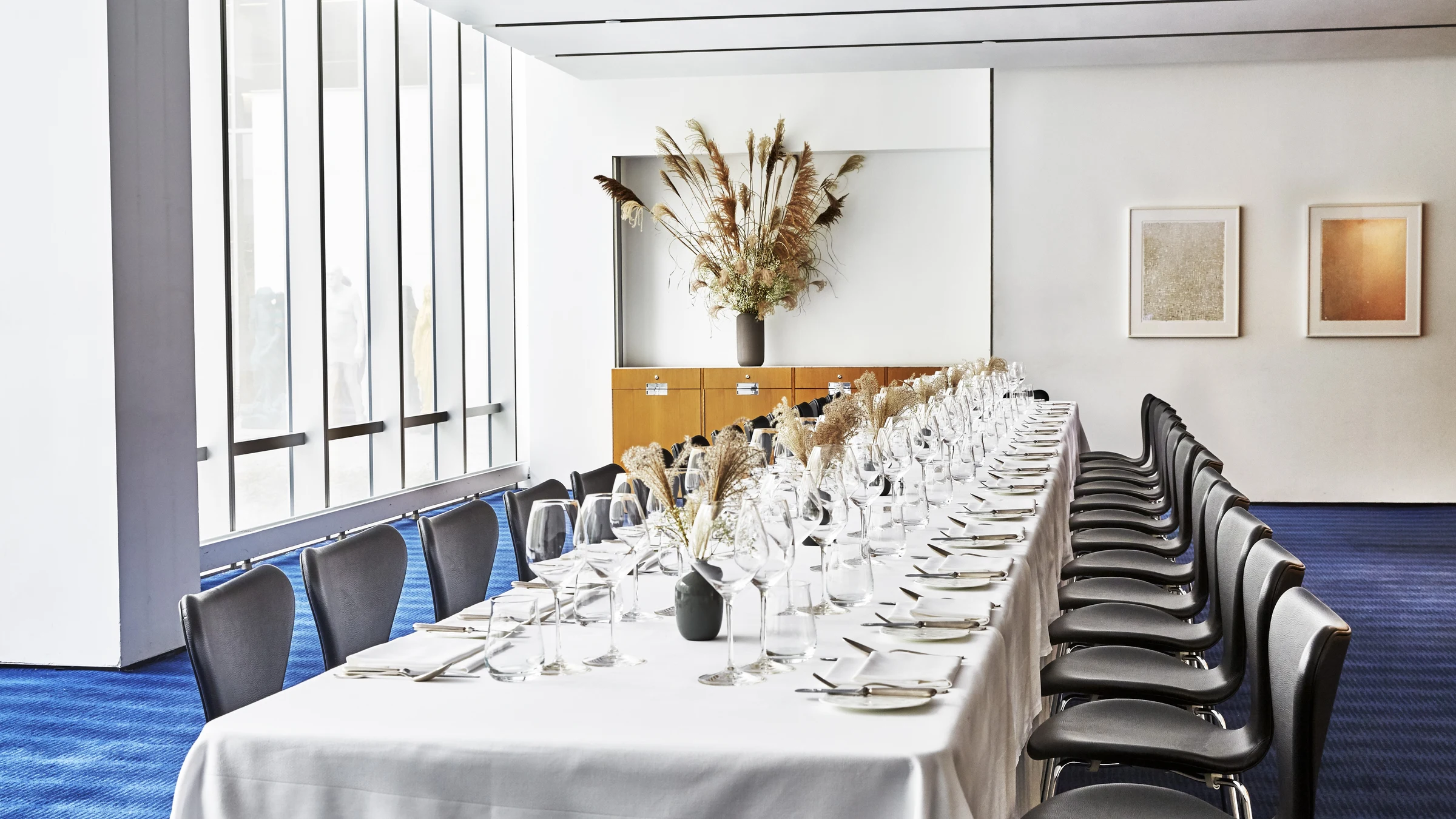
Skogen Kitchen

In Residence
Joseph Raney
Chef
- 01CuisineModern American with European and Scandinavian Influences
- 02CityCuster, United States
- 03RecognitionJames Beard Award
- James Beard Winner · James Beard Foundation
- James Beard Award Semi Finalist · 2025
Where the Black Hills Meet the Plate
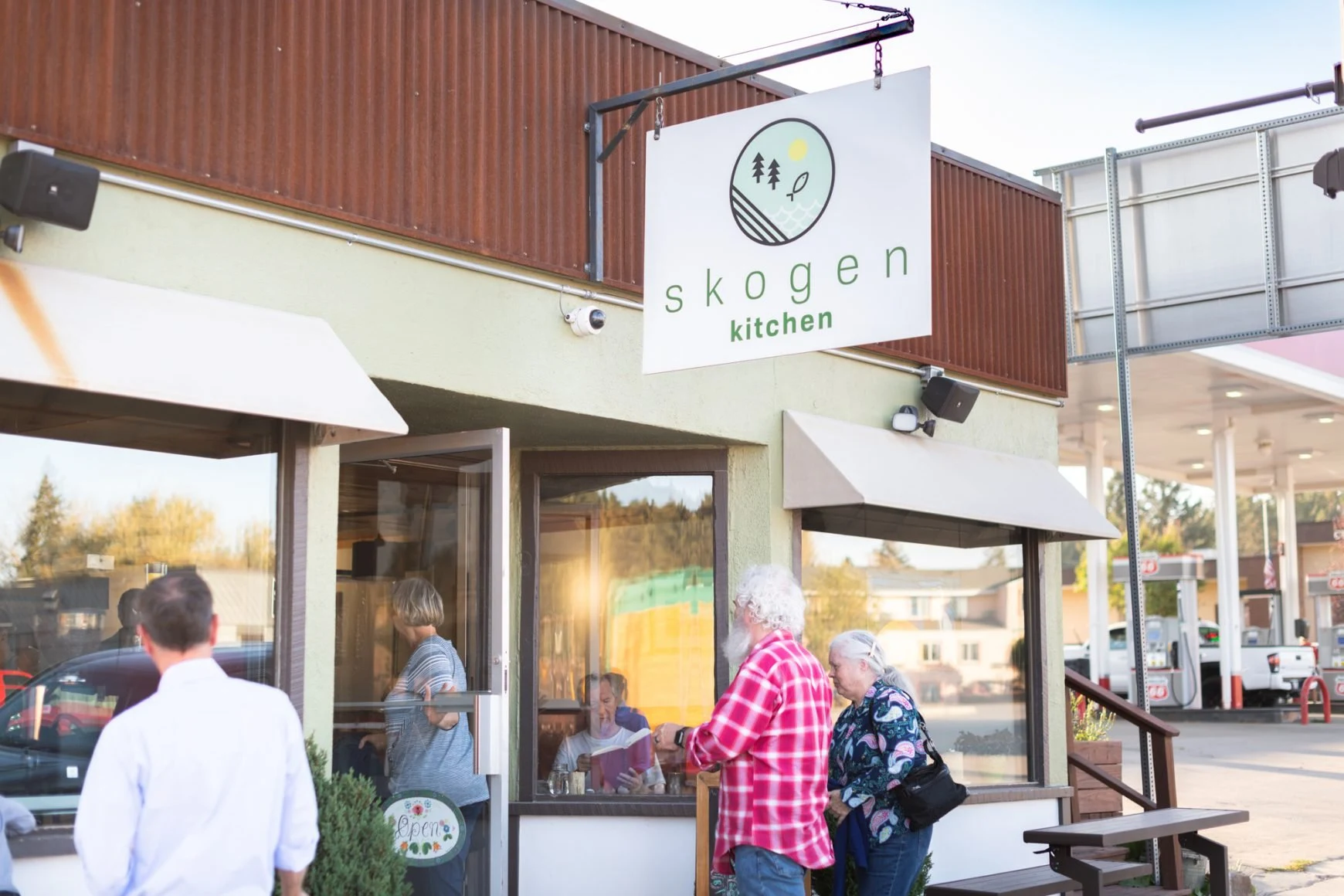
Custer sits at roughly 5,300 feet inside the Black Hills, a geography that defines what grows, what runs, and what gets foraged in the surrounding land. Arriving on 5th Street, the town operates at a scale that makes the dining room feel like a deliberate local institution rather than an outpost of something else. In this part of South Dakota, the culinary reference points are not the urban tasting-menu circuit but the ranches, rivers, and high-altitude forests that frame every meal eaten here. Skogen Kitchen is a restaurant in Custer, South Dakota, serving modern American cuisine with European and Scandinavian influences.
The name itself signals the frame: “skogen” is a Scandinavian word for forest, and in a region where ponderosa pine, granite outcrops, and cold-water streams define the terrain, that framing is not incidental. It situates the kitchen inside a sourcing conversation that connects Scandinavian respect for foraged and seasonal ingredients with the actual geography of the Black Hills. That conversation is more substantive than most restaurants at this altitude bother to have.
The Ingredient Geography of the Black Hills
American restaurants that treat sourcing as a genuine editorial position rather than a marketing signal occupy a small but growing tier. At the high end, places like Blue Hill at Stone Barns in Tarrytown and Single Thread Farm in Healdsburg have built entire identities around farm-to-table chains where the farm is visible and verifiable. In the Mountain West, that discipline is rarer. Brutø in Denver and Frasca Food & Wine in Boulder hold comparable regional credibility in Colorado. Skogen Kitchen operates in this tradition at a smaller scale and in a town where the surrounding land is the actual larder.
South Dakota's Black Hills offer a sourcing range that goes beyond what most visitors assume. Bison ranching in the region predates the contemporary nose-to-tail movement by decades; the Custer State Park herd alone numbers around 1,400 animals and is one of the largest publicly managed bison herds in North America. Wild game, cold-water fish from mountain streams, and foraged plants from high-altitude forests represent a genuine local inventory. A kitchen that draws on that inventory seriously is participating in an ingredient story with real depth, not borrowing a trend from coastal dining rooms.
This positioning matters because it separates a restaurant in Custer from the kind of dining experience that arrives pre-packaged from a distant supply chain. The Black Hills sourcing geography is specific enough to give a menu genuine regional character, the kind that cannot be replicated by moving the kitchen to another zip code.
How Skogen Kitchen Sits Within American Fine Dining
The broader American fine dining conversation in 2024 is fractured across several models. At one end, destination restaurants like Alinea in Chicago, The French Laundry in Napa, and Le Bernardin in New York City operate as formal, high-investment experiences priced at or above $300 per person. At the other end, regionally anchored restaurants in smaller American cities have carved a different niche: serious cooking, locally sourced, at a price point that reflects local economics rather than coastal real estate costs. Bacchanalia in Atlanta and Addison in San Diego each demonstrate that Michelin-level execution does not require a coastal metropolis. Skogen Kitchen occupies a related but distinct position: a small-town kitchen in a touring region, where the guest base arrives largely from outside and the sourcing story is the primary editorial hook.
Restaurants in tourist-adjacent towns face a structural choice: cook for the visitor traffic with safe, familiar formats, or commit to a local ingredient identity that gives the room a reason to exist beyond convenience. Skogen Kitchen, based on its framing and address, belongs to the latter category. That choice carries risk in a market where diners may expect conventional steakhouse or casual American formats, but it also creates the conditions for a more memorable meal in the context of a national park visit.
For comparison, Lazy Bear in San Francisco built its identity around communal dining and American sourcing; Providence in Los Angeles anchors its menu in California's seafood geography. Skogen Kitchen works a smaller but analogous version of the same argument: the specific land around this kitchen is the reason the food tastes the way it does.
Planning Your Visit
Custer is approximately 22 miles south of Rapid City along US-16, making it accessible as a day stop from the regional hub or as a base for exploring Custer State Park and Wind Cave National Park. The town's dining options are limited in the fine dining register, which means Skogen Kitchen draws visitors who are specifically seeking a more considered meal within a national park itinerary. Booking in advance is advisable during peak summer season, when the Black Hills corridor sees its highest tourist volume, typically June through August. Shoulder seasons in May and September offer fewer crowds and, often, closer proximity to the foraged and wild ingredients that define the kitchen's sourcing calendar. The restaurant's address on 5th Street places it within walking distance of Custer's small downtown, so combining dinner with an evening in the town itself is logistically simple. Specific hours, current pricing, and reservation details are best confirmed directly with the venue, as none of those particulars are available through third-party sources at this time.
The Wider Mountain West Dining Context
The Mountain West's fine dining infrastructure has grown considerably over the past decade, but it remains thinner than coastal equivalents. Restaurants like Causa in Washington, D.C., ITAMAE in Miami, and Atomix in New York City each demonstrate that ingredient-focused, culturally specific kitchens can reach recognition at the highest tier. The Mountain West equivalent of that ambition tends to be quieter, less decorated, and more dependent on word of mouth among serious eaters. The Inn at Little Washington in Virginia shows what a destination restaurant can do anchored to a small-town address; the model translates across geographies when the kitchen has a genuine ingredient story to tell. Emeril's in New Orleans similarly built regional identity through sourcing specificity in a city that takes its food geography seriously. Skogen Kitchen is operating in that tradition, at smaller scale, in a part of the country where that kind of commitment is still relatively rare.
Questions
Frequently asked
What recognition does Skogen Kitchen hold?
Skogen Kitchen holds a James Beard award.
Who works at Skogen Kitchen?
Made By profiles Joseph Raney (Chef) at Skogen Kitchen.
How expensive is Skogen Kitchen?
Skogen Kitchen is listed at a price level of $$$.
Where is Skogen Kitchen and what does it serve?
Skogen Kitchen is in Custer, Custer, serving Modern American with European and Scandinavian Influences.
The field
How it compares
| Place | Awards | Cuisine | Notes |
|---|---|---|---|
| Skogen Kitchen | James Beard | Modern American with European and Scandinavian Influences | Custer, $$$ |
| Belcanto | Michelin 2 Stars, World's 50 Best | Contemporary Portuguese Fine Dining | Lisbon |
| KOL | Michelin 1 Star, World's 50 Best | Modern Mexican Fine Dining | London |
| Mugaritz | Michelin 2 Stars, World's 50 Best | Avant-Garde Basque Fine Dining | Errenteria |
| Quince | Michelin 3 Stars, World's 50 Best | Modern French Fine Dining | San Francisco |
| Steirereck im Stadtpark | Michelin 3 Stars, World's 50 Best | Modern Austrian Fine Dining | Vienna |
| The Modern | Michelin 2 Stars | Contemporary American Fine Dining | New York City |
In residence
Similar places
Contemporary Portuguese Fine Dining
Belcanto
Lisbon, Portugal
★★ · 50 Best
Modern Mexican Fine Dining
KOL
London, United Kingdom
★ · 50 Best
Avant-Garde Basque Fine Dining
Mugaritz
Errenteria, Spain
★★ · 50 Best
Modern French Fine Dining
Quince
San Francisco, United States
★★★ · 50 Best
Modern Austrian Fine Dining
Steirereck im Stadtpark
Vienna, Austria
★★★ · 50 Best
Contemporary American Fine Dining
The Modern
New York City, United States
★★