Made ByRestaurant
Speisemeisterei Burgthalschenke
Chef in Residence
Guido Boerenkamp
Chef
- 01CuisineSeasonal Regional German
- 02CityVöhringen, Germany
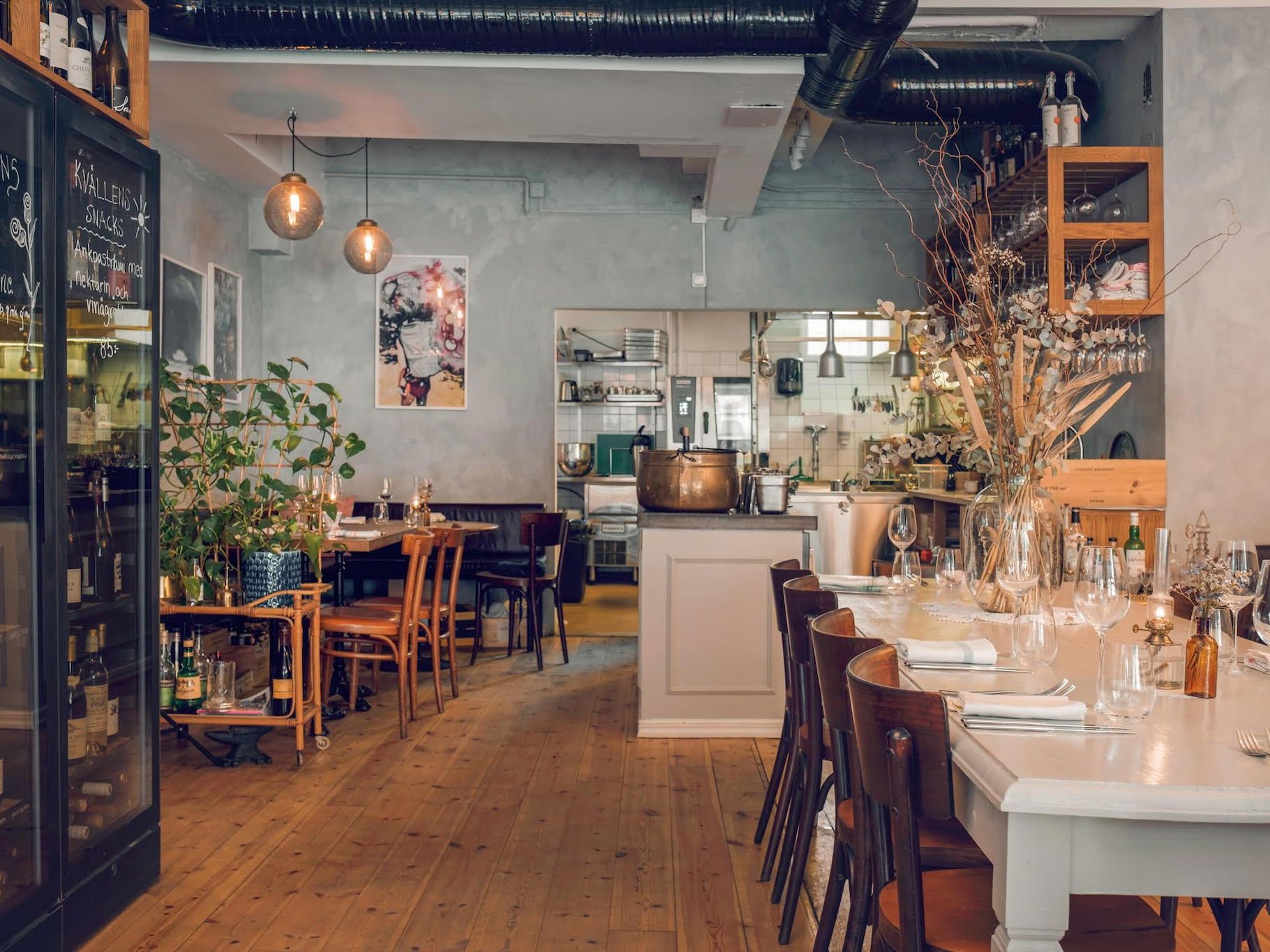
Speisemeisterei Burgthalschenke holds a Michelin Bib Gourmand (2025) and a 4.8 Google rating across 240 reviews, placing it among the more consistently recognised tables in the Swabian south. Chef Guido Boerenkamp leads a seasonal, locally sourced kitchen that offers both a set menu and classic à la carte options. The three-level room with terrace makes it one of Vöhringen's more versatile dining addresses at the €€ price point.
- Michelin Bib Gourmand
At a glance
- Cuisine
- Seasonal Regional German
- Price
- $$
- Per person
- $35
- Hours
- Mon: Closed; Tue: Closed; Wed: 11:30 AM–2 PM, 6–10 PM; Thu: 11:30 AM–2 PM, 6–10 PM; Fri: 11:30 AM–2 PM, 6–10 PM; Sat: 11:30 AM–2 PM, 6–10 PM; Sun: 11:30 AM–2 PM, 6–10 PM
- Neighborhood
- Vöhringen
- Rating
- 4.8 (249)
<h2>Where Swabian Consistency Earns Its Stripes</h2><p>Speisemeisterei Burgthalschenke is a restaurant in Vöhringen, Germany, serving seasonal regional German cooking at a €€ price point. Approach Untere Hauptstraße on a warm evening and the terrace at Speisemeisterei Burgthalschenke is already occupied. This is not a destination that relies on novelty or spectacle to fill its seats. In a small industrial town on the Iller river, a restaurant earning and retaining a Michelin Bib Gourmand has to do something correctly, repeatedly, over years. Here, that something is a kitchen rooted in seasonal, local sourcing and a dining room spread across three levels that manages to feel neither cavernous nor cramped.</p><p>The Bib Gourmand designation, for those who treat Michelin's tiered recognition as a meaningful signal rather than a marketing badge, is instructive. It identifies cooking of genuine quality at a price point below the starred category. In Germany, where Michelin has grown increasingly confident in its Bib selections alongside its star list, that recognition carries weight. The 2025 edition confirms this is not a flash in the pan.</p><h2>Classic Cuisine in a Non-Destination Town</h2><p>Germany's dining conversation tends to concentrate on Munich, Hamburg, Berlin, and the Rhineland. Properties like <a href="https://www.enprimeurclub.com/restaurants/jan-munich-restaurant">JAN in Munich</a> or <a href="https://www.enprimeurclub.com/restaurants/schwarzwaldstube-baiersbronn-restaurant">Schwarzwaldstube in Baiersbronn</a> attract the kind of attention that comes with high-profile locations and multi-star reputations. At the other end of the spectrum, places like <a href="https://www.enprimeurclub.com/restaurants/aqua-wolfsburg-restaurant">Aqua in Wolfsburg</a> demonstrate that serious cooking can exist in unlikely industrial settings. Vöhringen falls into that same category of towns where the presence of genuine culinary ambition is genuinely surprising to outsiders and entirely expected by locals.</p><p>The Classic Cuisine designation matters here. It signals a kitchen that is not chasing trends, not plating microherbs for their own sake, and not asking diners to decode a conceptual menu. Classic Cuisine, as a category, has experienced something of a quiet rehabilitation in German critical circles over the past decade. As creative formats like those at <a href="https://www.enprimeurclub.com/restaurants/coda-dessert-dining-berlin-restaurant">CODA Dessert Dining in Berlin</a> or <a href="https://www.enprimeurclub.com/restaurants/vendome-bergisch-gladbach-restaurant">Vendôme in Bergisch Gladbach</a> have pushed the experimental edge of German dining further, there has been a corresponding appreciation for kitchens that execute traditional frameworks with discipline. Burgthalschenke operates in that latter space, and its sustained local audience suggests the case for classicism remains strong in smaller Swabian communities.</p><h2>Chef Guido Boerenkamp and the Logic of a Seasonal Kitchen</h2><p>Guido Boerenkamp leads the kitchen, where seasonal discipline and local sourcing shape the menu across the year. What the record does confirm is a kitchen operating with clear seasonal discipline and a local-sourcing framework that shapes the menu across the year. In the context of southern Germany, that is not a marketing position but a practical reality. The Allgäu and Swabian regions offer producers of genuine quality within a short radius, and a kitchen committed to working with them is making a structural choice about flavour and supply chain, not just a branding decision.</p><p>Dual-format offering, a set menu alongside classic à la carte options, is also telling. It suggests a kitchen confident enough to present a curated sequence for guests who want the chef's full editorial control, while remaining accessible to diners who want to choose their own path through the menu. In higher-price-bracket restaurants across Germany, the tasting menu has become almost the default format. At the €€ price point, maintaining both options without diluting either takes a degree of kitchen organisation that shouldn't be underestimated.</p><h2>The Room and the Experience</h2><p>Three levels of dining room plus a terrace is an unusual configuration for a restaurant of this scale. In practice, it gives the kitchen the ability to serve meaningfully different parties simultaneously, from a quiet table on the upper level to a terrace service in the warmer months. The terrace, in particular, is worth noting as a seasonal asset in a region where summer evenings can be long and mild. The on-site car park makes it accessible from surrounding towns in the Iller valley, and the terrace adds value for visits between late spring and early autumn.</p><p>That profile, a local institution with regional draw and no dependence on transient visitors, tends to produce a particular kind of service character. The dining room at a place like this operates with the confidence of knowing its regulars by name and the discipline of knowing that Michelin is watching. That combination rarely produces theatrical service, but it does tend to produce reliable, attentive hospitality that prioritises the experience of the meal over the performance of luxury.</p><h2>Where It Sits in the Broader German Scene</h2><p>Mapping Burgthalschenke onto Germany's broader dining hierarchy requires honest calibration. It is not competing with <a href="https://www.enprimeurclub.com/restaurants/essenz-grassau-restaurant">ES:SENZ in Grassau</a>, <a href="https://www.enprimeurclub.com/restaurants/restaurant-haerlin-hamburg-restaurant">Restaurant Haerlin in Hamburg</a>, or <a href="https://www.enprimeurclub.com/restaurants/schanz-piesport-restaurant">Schanz in Piesport</a> for the same diner. Its comparison set is the network of Bib Gourmand tables across Bavaria and Baden-Württemberg, restaurants where the question is how consistently a clear brief is executed across seasons. On that measure, the 4.8 Google score across 249 reviews, taken alongside the 2025 Bib Gourmand confirmation, suggests the answer is yes. For more context on the broader German fine dining scene, see our comparisons of <a href="https://www.enprimeurclub.com/restaurants/waldhotel-sonnora-dreis-restaurant">Waldhotel Sonnora in Dreis</a>, <a href="https://www.enprimeurclub.com/restaurants/victors-fine-dining-by-christian-bau-perl-restaurant">Victor's Fine Dining by Christian Bau in Perl</a>, and <a href="https://www.enprimeurclub.com/restaurants/bagatelle-trier-restaurant">Bagatelle in Trier</a>.</p><h2>Planning a Visit</h2><p>Speisemeisterei Burgthalschenke is at Untere Hauptstraße 4, 89269 Vöhringen. The large on-site car park makes it accessible from surrounding towns in the Iller valley, and the terrace adds value for visits between late spring and early autumn. Reservations are recommended, and the restaurant is open Wednesday through Sunday for lunch and dinner. The €€ pricing bracket positions it well within range for a mid-week dinner or a weekend lunch without the commitment of a full tasting-menu format.</p>
Know before you go
- Dress code
- smart_casual
- Reservations
- recommended
- Parking
- on_site_lot
- Payment
- cash, credit_card, debit_card, contactless
- Accessibility
- wheelchair_accessible
- Outdoor seating
- Yes
- Children
- Welcomed
Frequently asked
Is Speisemeisterei Burgthalschenke a family-friendly restaurant?
The multi-level layout, with three dining floors plus a terrace, gives the room flexibility that suits groups of varying sizes and compositions. The Großhammer family has run the kitchen for years, and the mid-range price tier (€€) and classic cuisine format suggest a setting where families dining together are a natural fit, not an afterthought.
What's the overall feel of Speisemeisterei Burgthalschenke?
This is a neighbourhood anchor that has earned Michelin recognition without repositioning itself as a destination venue. The terrace fills on warm evenings, the kitchen follows seasonal local sourcing, and diners choose between a structured set menu or à la carte classics. Solid, consistent, and unpretentious — which is precisely what the Bib Gourmand designation is designed to reward.
What kind of recognition has Speisemeisterei Burgthalschenke received?
Speisemeisterei Burgthalschenke has received recognition including: Michelin Bib Gourmand (2025); The Großhammer family has been renowned for its good cooking for years! Diners can choose between the set menu or classic dishes. The cuisine follows the seasons, with ingredients being sourced in the local are….
What dish is Speisemeisterei Burgthalschenke famous for?
The menu rotates with the seasons and draws on locally sourced ingredients, so no single dish defines the kitchen year-round. The Michelin Bib Gourmand citation highlights the cooking across both the set menu and the classic dishes section, suggesting reliable execution rather than a single signature plate.
Address
Untere Hauptstraße 4, 89269 Vöhringen, Germany
Vöhringen
How it compares
Speisemeisterei Burgthalschenke
- Cuisine
- Seasonal Regional German
- Price
- $$
- Awards
- Michelin Bib Gourmand
- Notes
- Vöhringen
- Cuisine
- Traditional Swabian
- Price
- $$
- Awards
- Michelin Bib Gourmand
- Notes
- Oberboihingen
- Cuisine
- Traditional Swabian German
- Price
- $$
- Awards
- Michelin Plate
- Notes
- Stubersheim
- Cuisine
- Local German with Italian Influences
- Price
- $$
- Awards
- Michelin Bib Gourmand
- Notes
- Tengen
- Cuisine
- Modern Franconian Slow-Food
- Price
- $$
- Awards
- Michelin Bib Gourmand
- Notes
- Kirchlauter
- Cuisine
- Traditional Swabian Cuisine
- Price
- $$
- Awards
- Michelin Bib Gourmand
- Notes
- Winterbach, Baden-Württemberg
In residence
Similar places
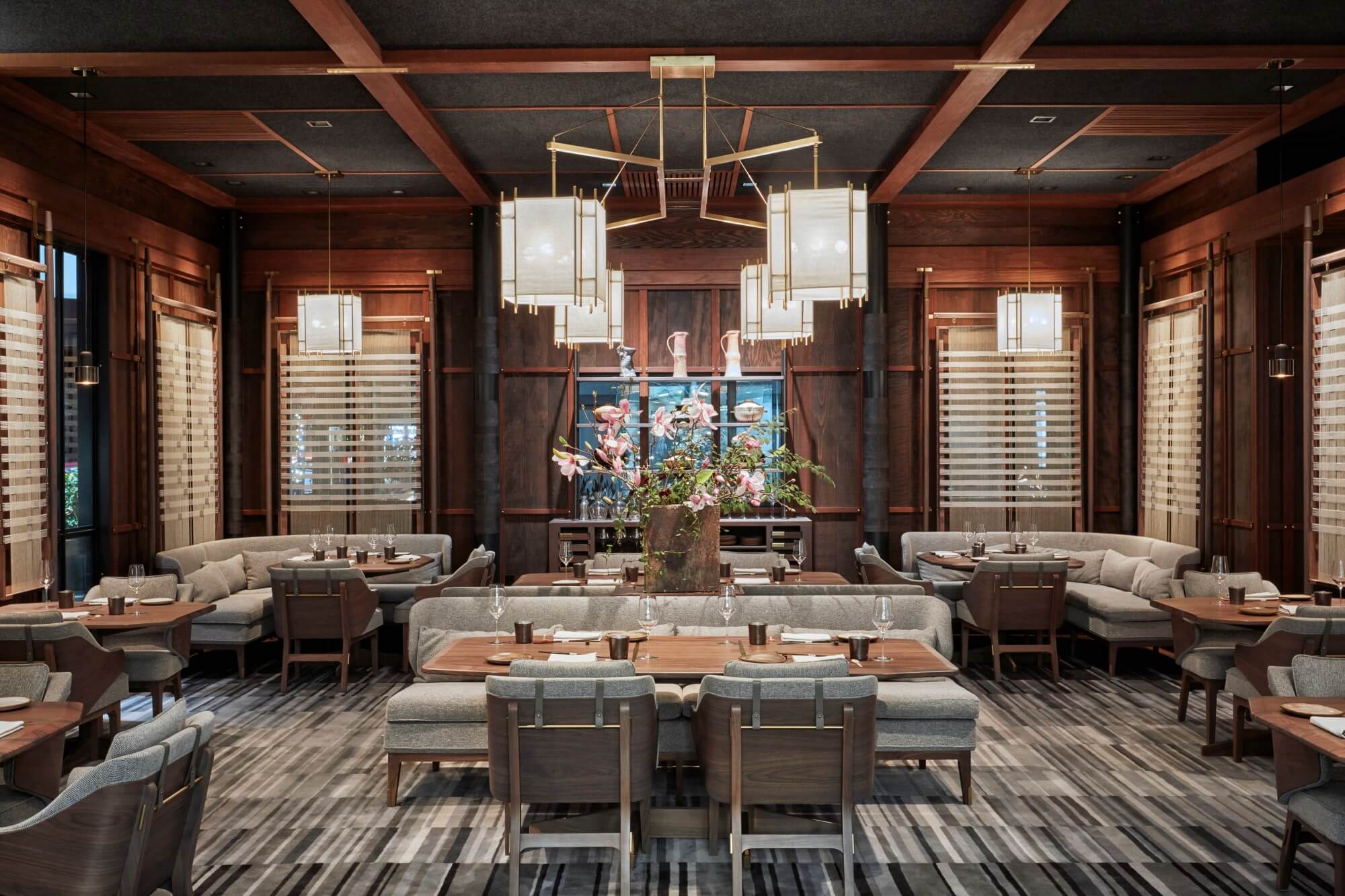
Japanese-influenced Californian Kaiseki
Single Thread Farm
Healdsburg, United States
★★★ · 50 Best
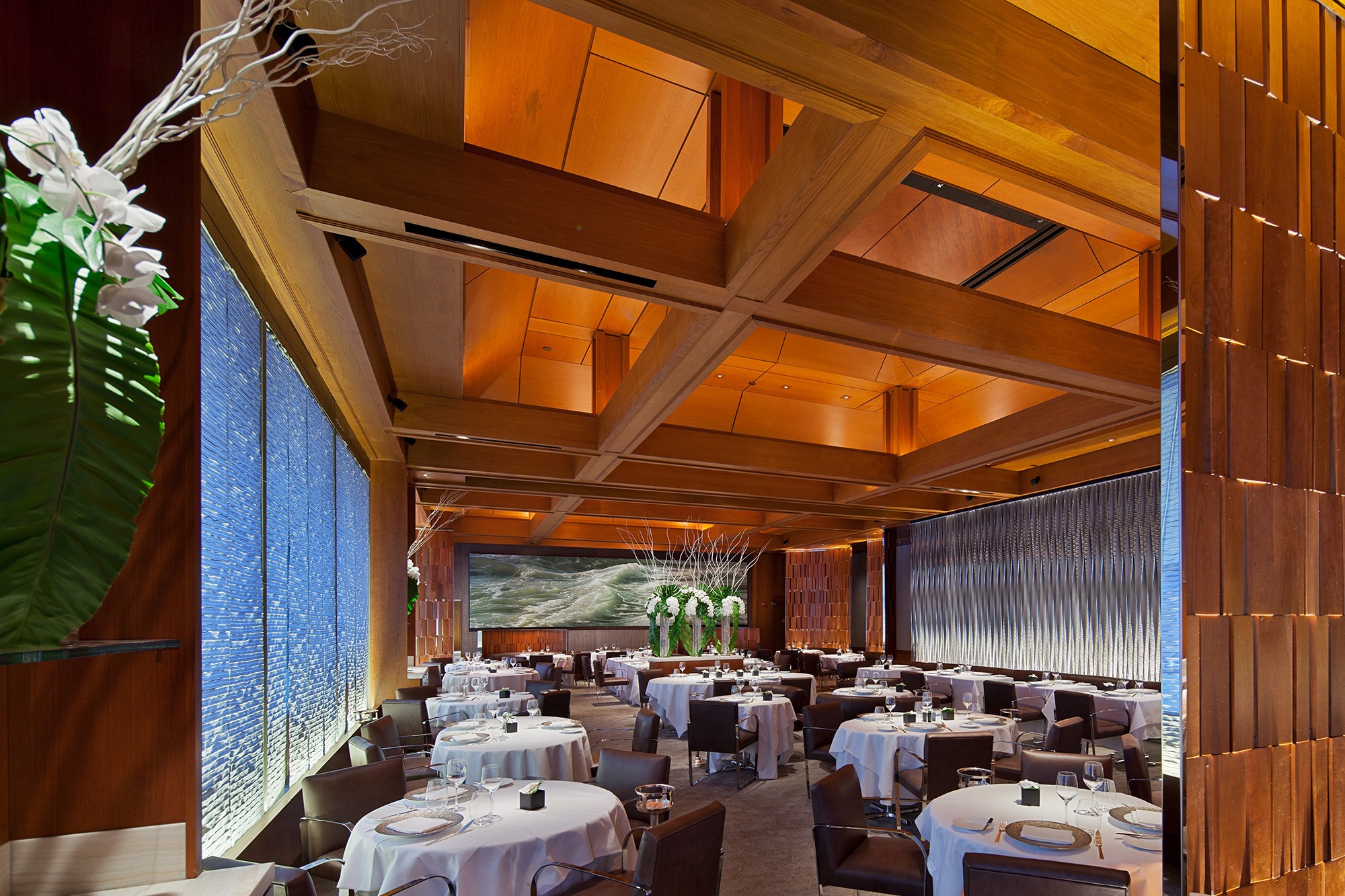
French Seafood Fine Dining
Le Bernardin
New York City, United States
★★★ · 50 Best
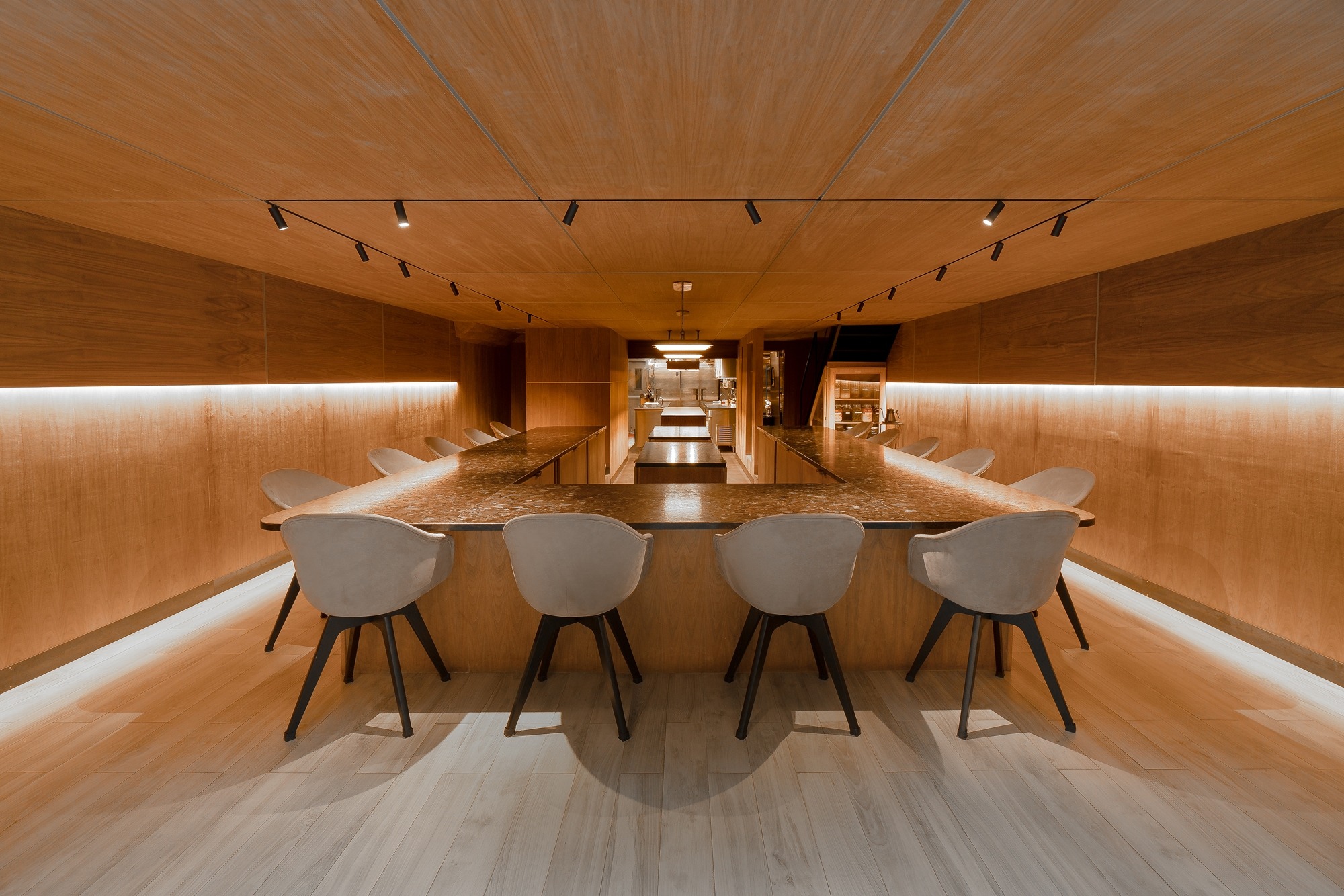
Modern Korean Tasting Menu
Atomix
New York City, United States
★★ · 50 Best
French
Sézanne
Tokyo, Japan
★★★ · 50 Best
Contemporary Plant-Based Fine Dining
Eleven Madison Park
New York City, United States
★★★ · 50 Best
Modern Seafood Fine Dining
Providence
Los Angeles, United States
★★★ · 50 Best