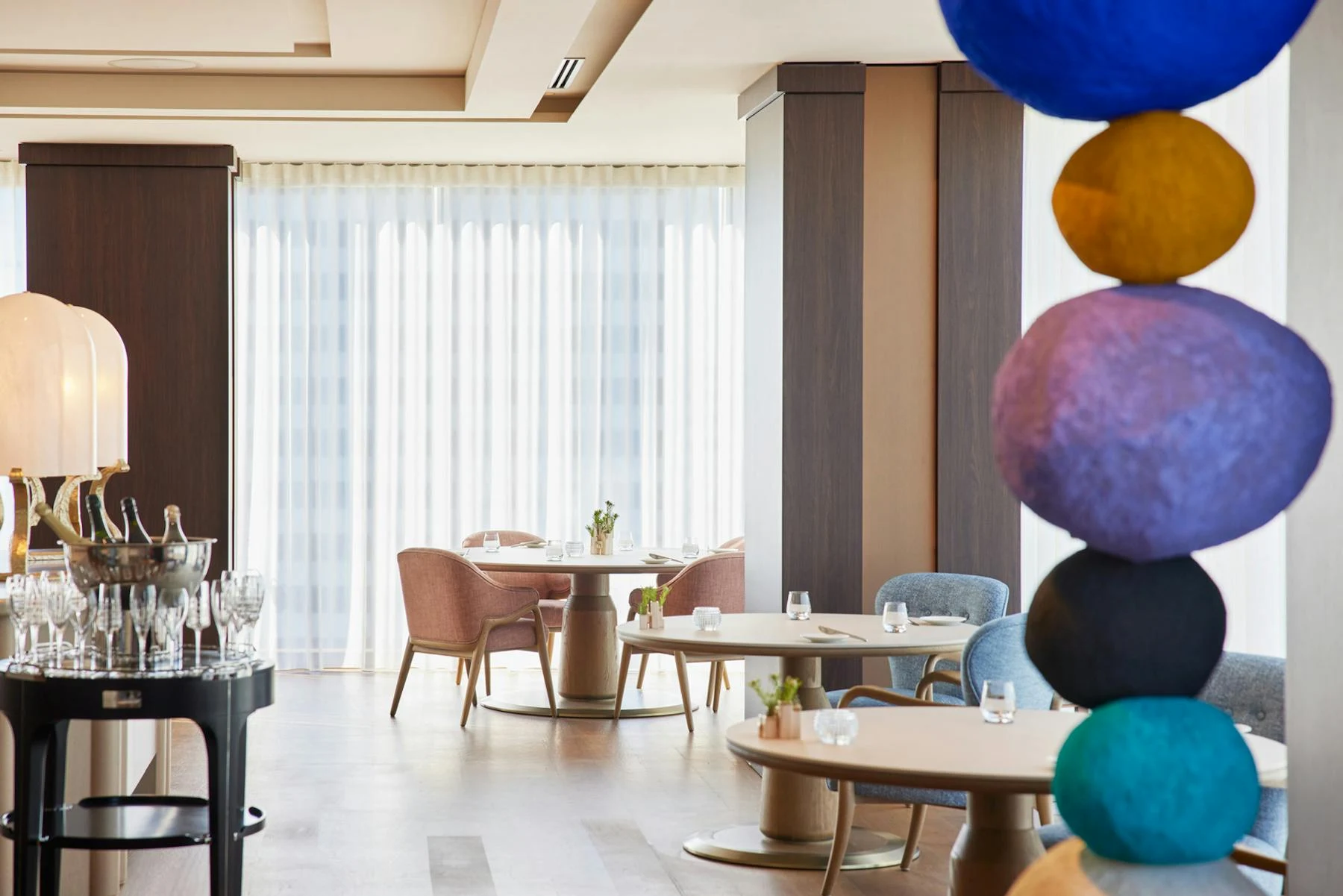
Steak Dining Vitis
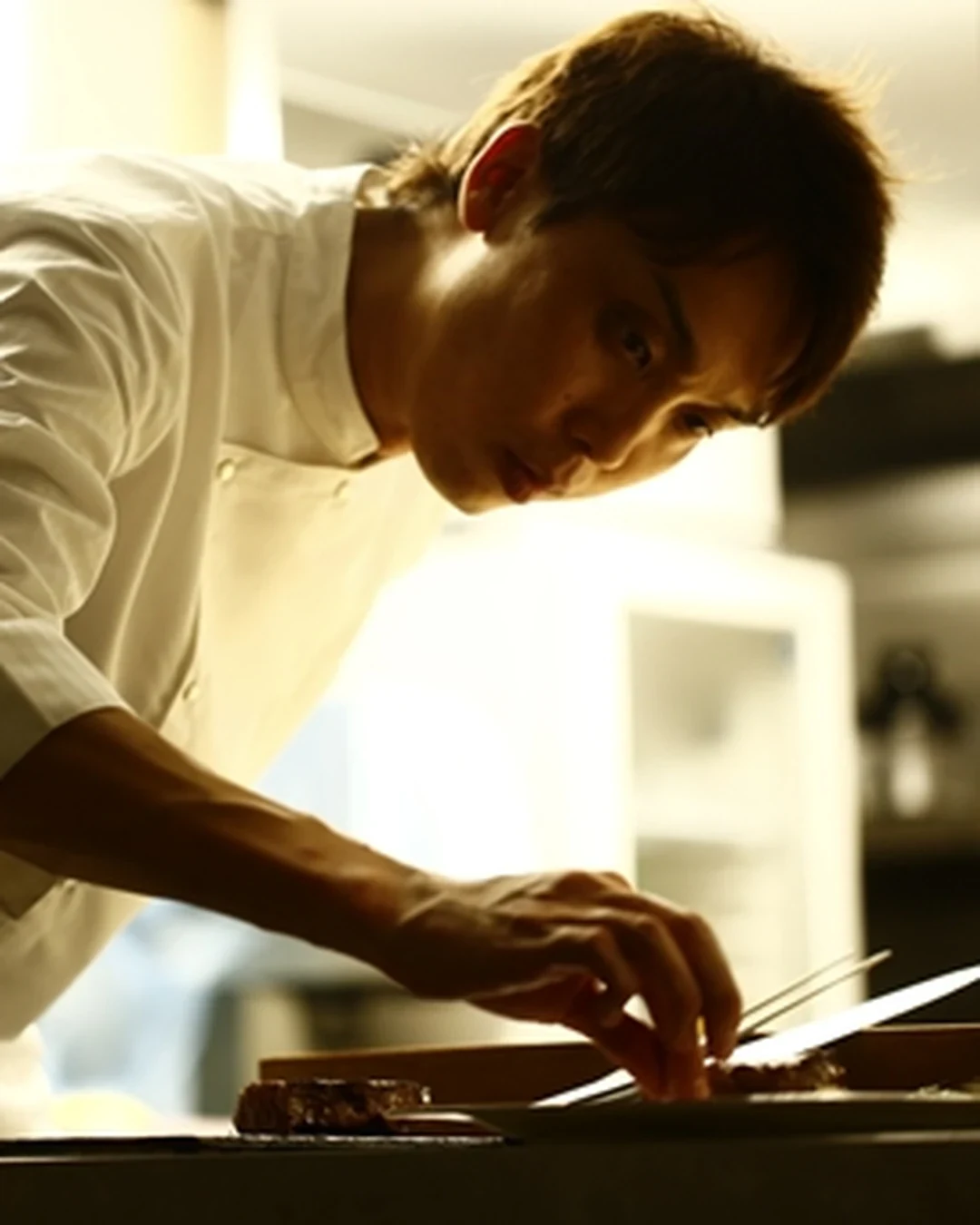
In Residence
Sohei Yuki
Chef
- 01CuisineCharcoal-Grilled Wagyu Steakhouse
- 02CityTokyo, Japan
- Opinionated About Dining Top Restaurants in Japan Recommended · 2026
- Tabelog 100 #65: 3.7pts · 2025
- Opinionated About Dining Top Restaurants in Japan Ranked #540 · 2025
- Opinionated About Dining Top Restaurants in Japan Ranked #399 · 2024
Tokyo's Steakhouse Subgenre and Where Vitis Sits Within It
Japan's relationship with Western-style beef dining has evolved considerably since the postwar decades when teppanyaki parlours first shaped how Tokyo restaurants approached prime cuts. What has emerged across the past twenty years is a layered market: high-volume tourist-facing steakhouses at one end, and a tighter tier of counter-style or small-room formats built around Japanese beef sourcing, careful temperature control, and a pacing that owes as much to kaiseki tradition as to any Western chophouse. Steak Dining Vitis, operating from a basement space in Kamimeguro since at least the mid-2010s, belongs to the latter category.
The Opinionated About Dining list, one of the more data-rigorous peer-reviewed rankings in the Japan dining scene, placed Vitis at #399 among all Japan restaurants in 2024 and #540 in 2025. That movement in the rankings is worth reading carefully: a slight drop in a crowded, competitive field does not indicate decline so much as it reflects how many serious operators have entered this space. A Google review score of 4.6 across 91 ratings further confirms a consistently high return-visitor experience rather than a single wave of attention.
The Ritual of the Meal at a Tokyo Steakhouse of This Tier
In Tokyo's more considered beef dining rooms, the meal operates as a structured progression rather than an à la carte ordering exercise. The rhythm tends to begin with lighter preparations, often cured or lightly dressed presentations that prime the palate, before moving through cuts of escalating richness. This sequencing borrows from omakase logic: the kitchen controls pacing, and guests are expected to surrender to that rhythm rather than direct it.
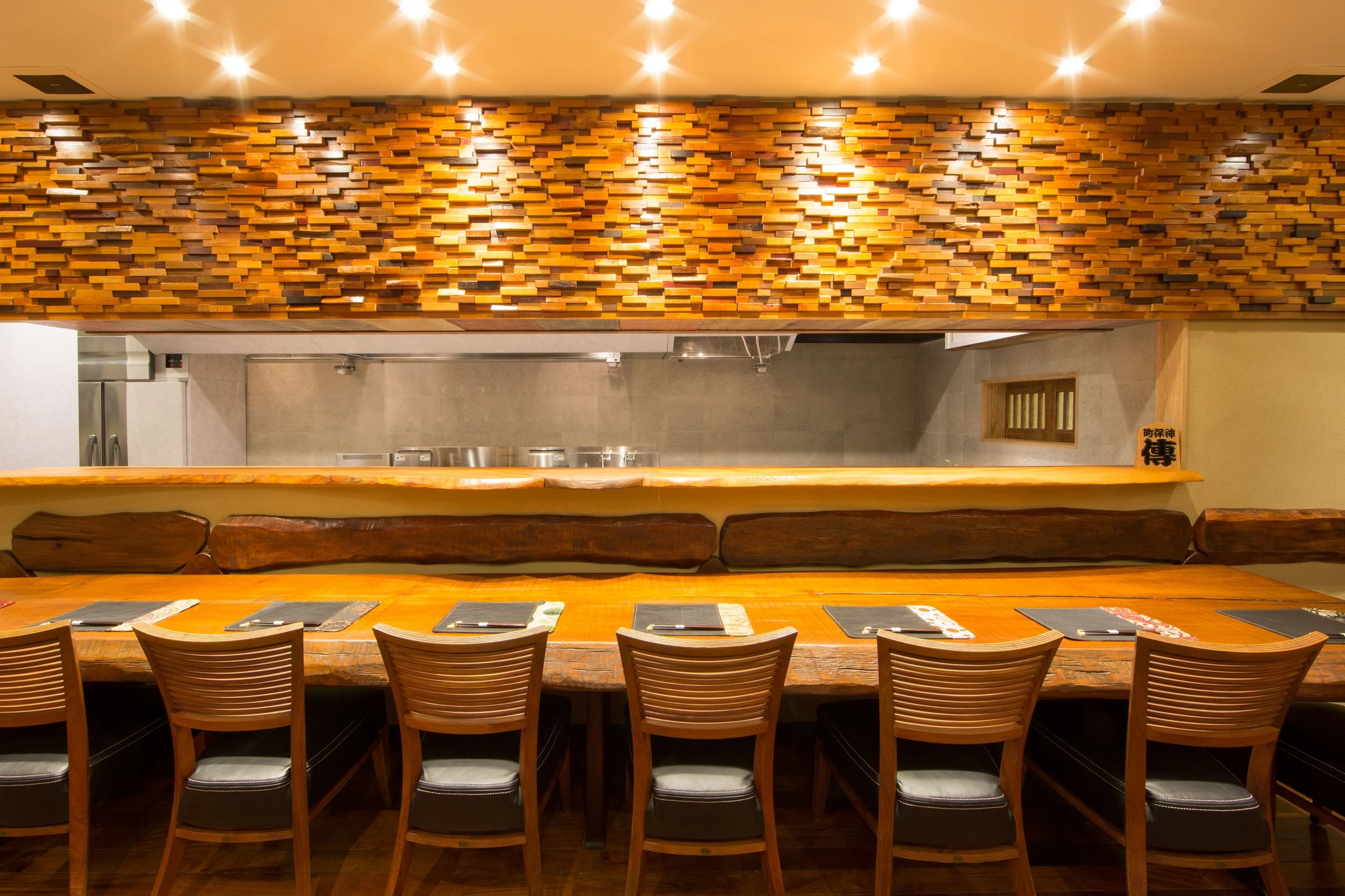
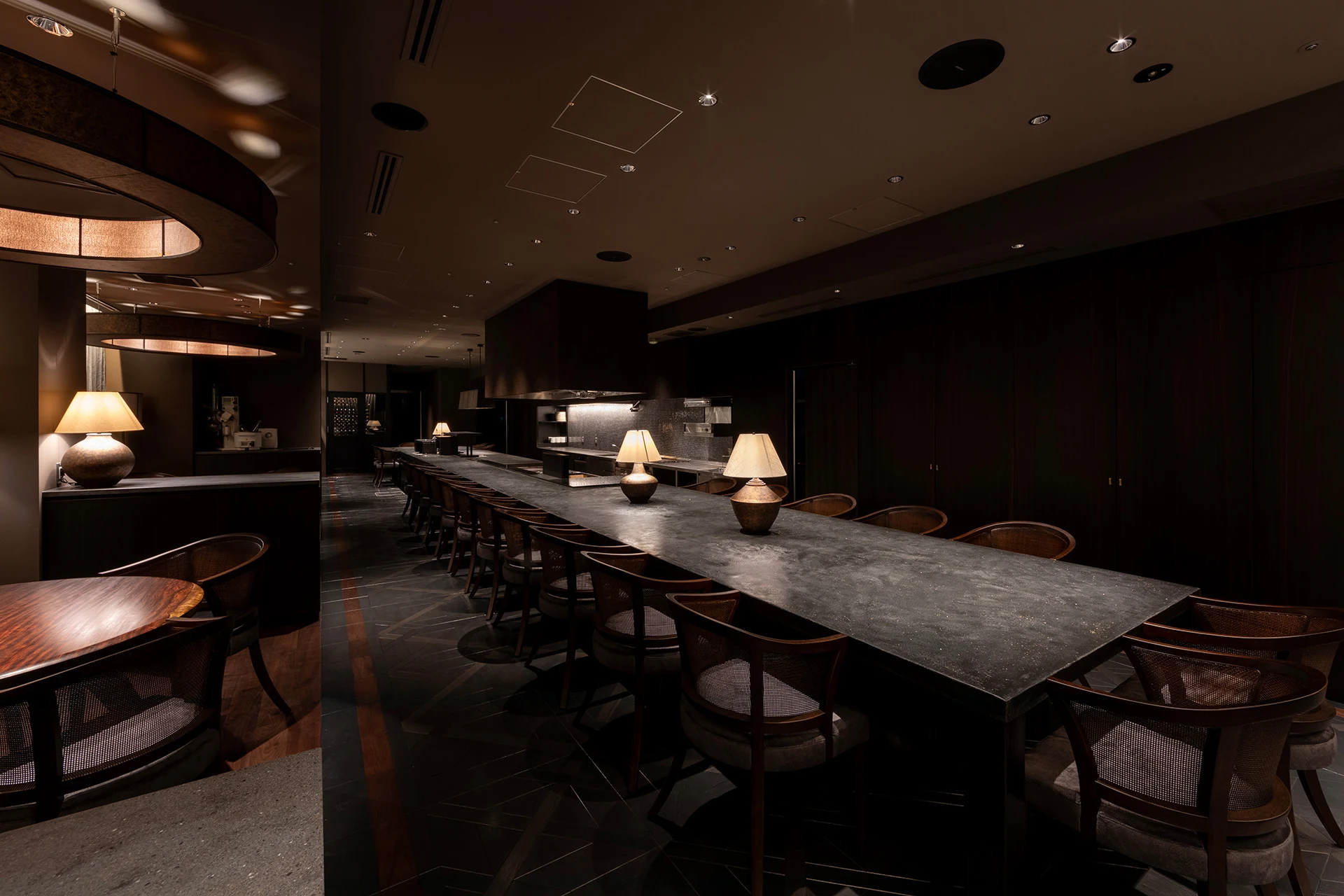
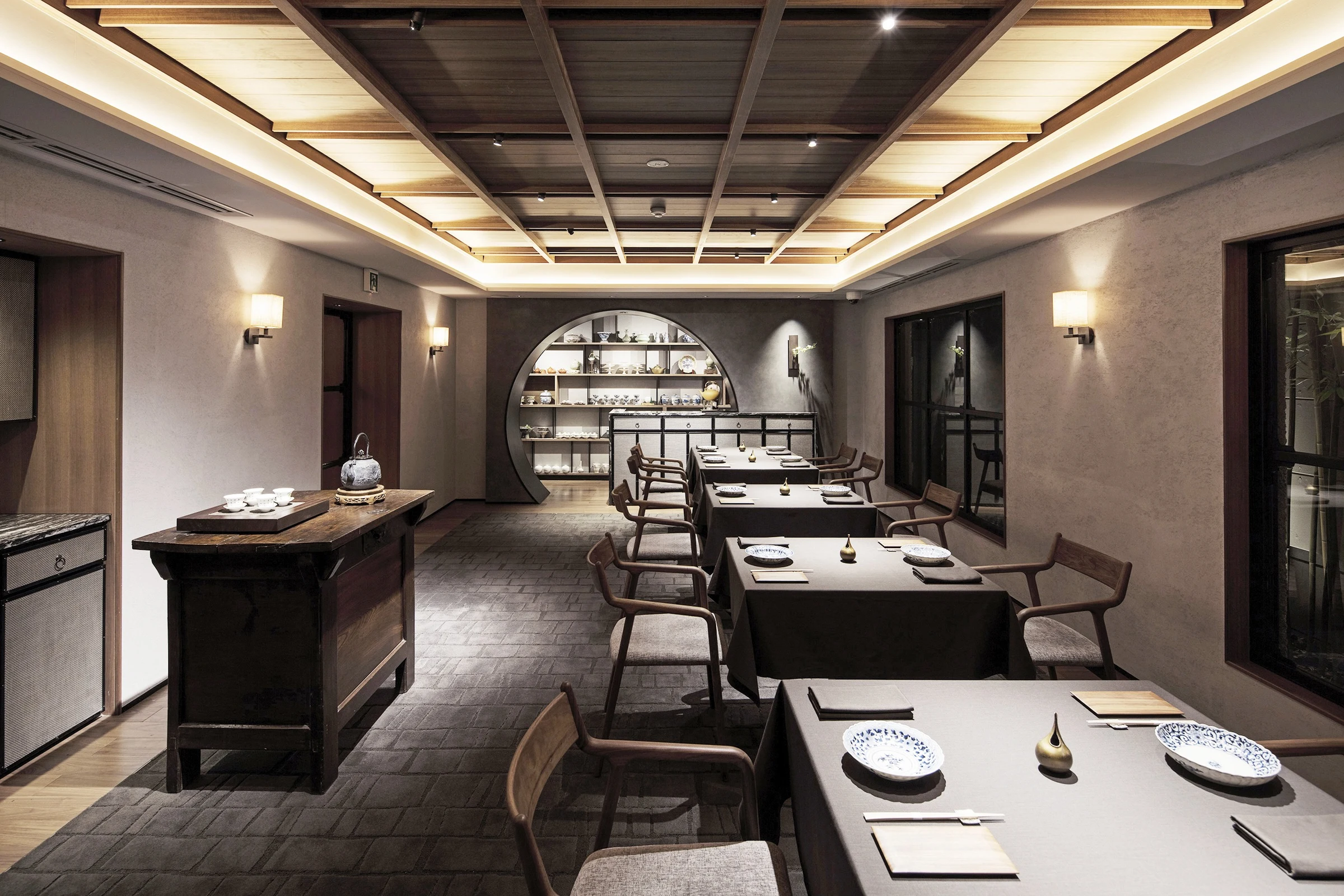
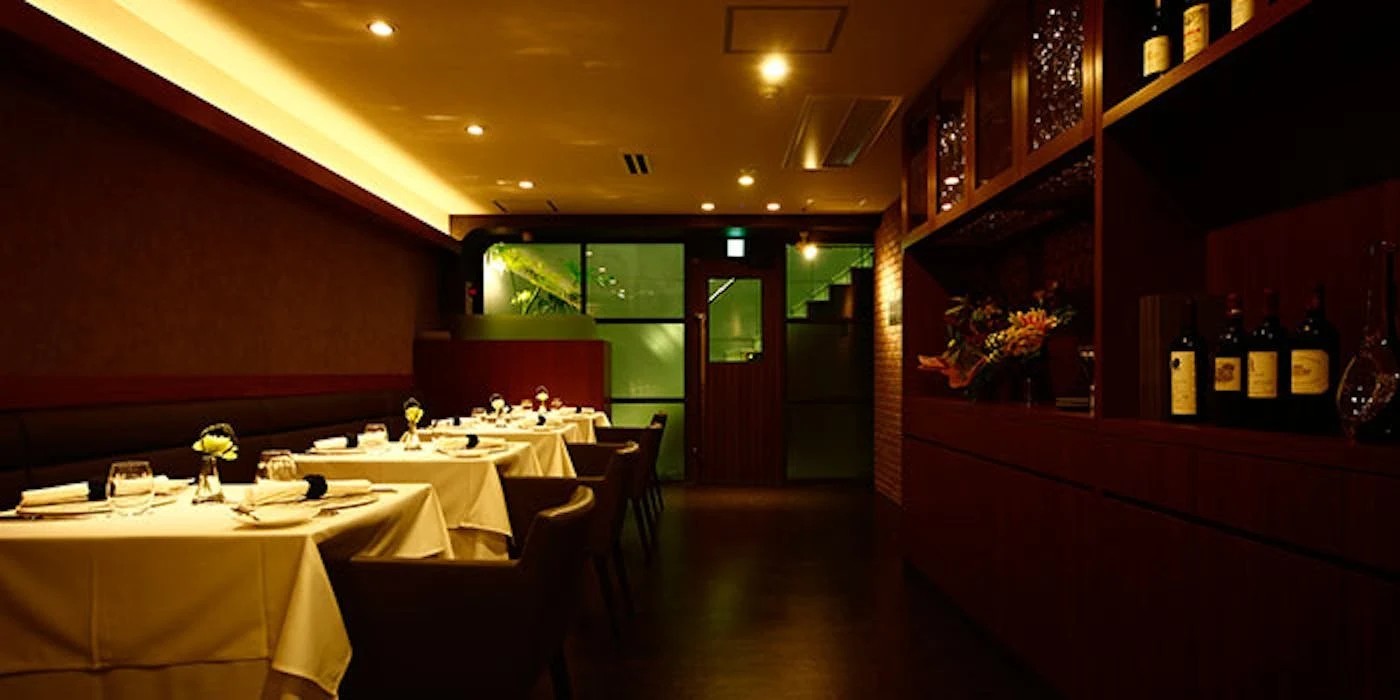
At Vitis, chef Sohei Yuki leads a program built around this kind of deliberate structure. The basement setting on Kamimeguro's 3-chome block reinforces the atmosphere: away from street-level noise, the space creates a contained environment where the focus narrows to what is on the plate. Basement dining rooms in Tokyo have a particular cultural weight, they signal seriousness rather than concealment, and the format tends to attract guests who have already done the research before arriving.
The etiquette of these meals follows an unspoken but well-understood set of conventions. Reservations are made well in advance. The group size is usually small. Conversation stays at a considered register. Phones emerge only briefly. These are not enforced rules but absorbed norms among the clientele that Vitis draws, and they shape the experience more than any written policy could.
Kamimeguro as a Restaurant Address
Meguro City has developed one of Tokyo's more interesting mid-weight dining districts over the past decade. Kamimeguro in particular sits close enough to Nakameguro's canal-side concentration of restaurants to benefit from foot traffic and awareness, while maintaining a slightly quieter residential character. This creates conditions that suit operator-led, independently owned restaurants: rents are workable, clientele is local and educated, and there is limited pressure to perform for tourists who arrive without prior knowledge of the scene.
Steakhouse operators in this kind of neighbourhood typically lean into the intimacy of the format. The comparison with Minami-Aoyama or Ginza beef establishments is instructive: those addresses carry more of the prestige-signalling overhead, while Kamimeguro restaurants tend to earn their standing through repeat-visit loyalty rather than first-impression spectacle. Vitis's position in this neighbourhood aligns it with that pattern.
For broader context on Tokyo dining across price points and cuisines, the full Tokyo restaurants guide covers the range, from counter sushi at Harutaka through tasting-menu formats like L'Effervescence, RyuGin, Sézanne, and Crony. Those restaurants occupy the ¥¥¥¥ bracket and draw a comparable demographic to Vitis, though the cuisine formats differ considerably.
Beef Dining in the Regional Context
Japan's position in global beef culture is distinct. Wagyu, the umbrella term for Japanese cattle breeds including Kuroge Washu, has become one of the most cited categories in premium dining globally, but the domestic experience of eating it differs from how it appears on export menus abroad. Japanese chefs working with high-grade domestic beef tend to work with smaller portions, higher marbling grades, and serving temperatures that allow the fat to present correctly. The preference for thin slices served at precise temperatures, rather than thick-cut steaks cooked to Western doneness preferences, reflects both the cattle genetics and the culinary tradition around them.
This distinction matters when setting expectations for Vitis. Guests arriving from North American or European steakhouse backgrounds may find the format initially unfamiliar, the portion logic is different, the progression is slower, and the focus on fat quality over sheer volume is non-negotiable. Those who understand that framework in advance tend to find the experience more coherent and the value clearer.
For regional comparison across Japan's serious dining scene, restaurants like HAJIME in Osaka, Gion Sasaki in Kyoto, akordu in Nara, Goh in Fukuoka, 1000 in Yokohama, and 6 in Okinawa all demonstrate how Japan's multi-city dining circuit operates at a high level beyond Tokyo. The steakhouse format specifically can also be compared internationally: A Cut in Taipei and Capa in Orlando represent how the format travels across different hospitality contexts.
Planning Your Visit
Vitis operates daily across both lunch and dinner service, with consistent hours throughout the week. Hours: Monday through Sunday, 12:00 to 2:30 pm and 5:00 to 11:00 pm. Address: Kamimeguro 3-chome-1-13, B1F, Meguro City, Tokyo, a basement unit accessible from the street-level building entrance. Reservations: Advance booking is strongly advisable given the recognition level and likely small seat count; the OAD ranking places Vitis among restaurants where walk-in availability cannot be assumed. Access: Nakameguro Station on the Tokyo Metro Hibiya Line and Tokyu Toyoko Line is the nearest major transit point, with Kamimeguro within walking distance.
For the wider Tokyo picture beyond dining, the Tokyo hotels guide, Tokyo bars guide, Tokyo wineries guide, and Tokyo experiences guide cover the full range of what the city offers at this level of engagement.
Questions
Frequently asked
Who works at Steak Dining Vitis?
Made By profiles Sohei Yuki (Chef) at Steak Dining Vitis.
How expensive is Steak Dining Vitis?
Steak Dining Vitis is listed at a price level of $$$$.
Where is Steak Dining Vitis and what does it serve?
Steak Dining Vitis is in Meguro, Tokyo, serving Charcoal-Grilled Wagyu Steakhouse.
The field
How it compares
| Place | Cuisine | Notes | Awards |
|---|---|---|---|
| Steak Dining Vitis | Charcoal-Grilled Wagyu Steakhouse | Meguro, $$$$ | · |
| Den | Modern Japanese Kaiseki | Tokyo | Michelin 2 Stars, World's 50 Best |
| Florilège | Modern French-Japanese Plant-Based Fine Dining | Tokyo | Michelin 2 Stars, World's 50 Best |
| Narisawa | Modern Japanese Satoyama Fine Dining | Tokyo | Michelin 2 Stars, World's 50 Best |
| Quintessence | Modern French Fine Dining | Tokyo | Michelin 3 Stars |
| Sazenka | Modern Chinese Fine Dining | Tokyo | Michelin 3 Stars, World's 50 Best |
| Sézanne | Modern French Fine Dining | Tokyo | Michelin 3 Stars, World's 50 Best |
In residence
Similar places
Modern Japanese Kaiseki
Den
Tokyo, Japan
★★ · 50 Best
Modern French-Japanese Plant-Based Fine Dining
Florilège
Tokyo, Japan
★★ · 50 Best
Modern Japanese Satoyama Fine Dining
Narisawa
Tokyo, Japan
★★ · 50 Best
Modern French Fine Dining
Quintessence
Tokyo, Japan
★★★
Modern Chinese Fine Dining
Sazenka
Tokyo, Japan
★★★ · 50 Best
Modern French Fine Dining
Sézanne
Tokyo, Japan
★★★ · 50 Best