Sushi Kaito
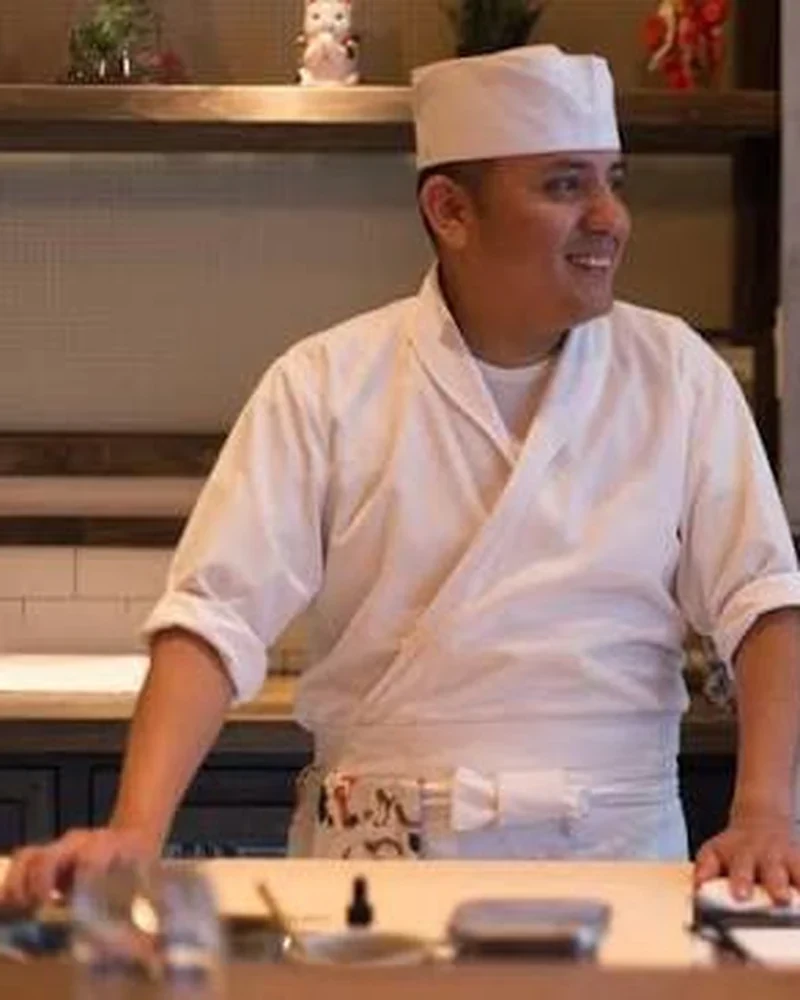
In Residence
Yoko Hasegawa
Chef
- 01CuisineTraditional Japanese Omakase
- 02CityNew York City, United States
- Opinionated About Dining Top Restaurants in North America Recommended · 2026
- Opinionated About Dining Top Restaurants in North America Ranked #390 · 2024
- Opinionated About Dining Top Restaurants in North America Recommended · 2023
Omakase on the Upper West Side: How Sushi Kaito Fits the New York Counter Narrative
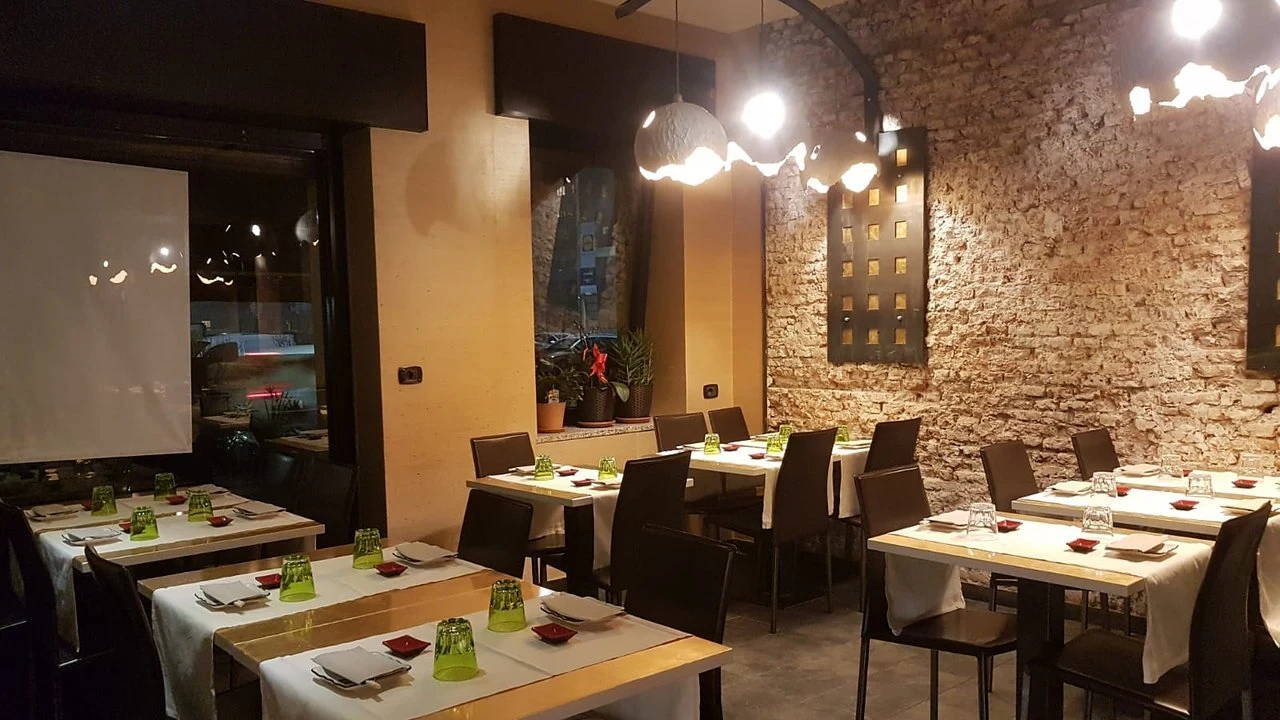
Sushi Kaito is a traditional Japanese omakase restaurant on the Upper West Side in New York City, with a 4.7 Google rating and an average price of about $115 per person. New York's serious omakase scene has, for the better part of a decade, concentrated itself downtown and in Midtown: the high-ticket counters around Masa and Joji, the technically rigorous rooms like Shion 69 Leonard Street, and the perennial benchmarks anchored further south. The Upper West Side has rarely entered that conversation at the same tier. Sushi Kaito, at 244 West 72nd Street, represents something the neighbourhood has lacked: a counter with documented critical recognition operating within the framework of traditional edomae omakase, not as an approximation of it.
Chef Yoko Hasegawa's appearance on the Opinionated About Dining list of leading restaurants in North America in both 2023 and 2024, ranked 390th in the 2024 edition, places Sushi Kaito in a comparable set that includes some of the most scrutinised Japanese counters on the continent.
The Sunday letter
Find new places through the people who run them.
Our Sunday email brings you the chefs, winemakers and hoteliers behind our newest stories. See a sample before you subscribe.
See a sample of the Sunday emailOne email a week. Unsubscribe from any issue.
The Arc of the Meal: Sequencing as the Point
Edomae omakase is, structurally, an argument made in courses. The meal does not simply proceed from lighter to heavier; it builds a case about the chef's priorities through the sequence of fish, temperature, fat content, and the ratio of rice to topping. At the better New York counters, that argument is coherent enough that you could reconstruct the chef's sourcing philosophy from the order of service alone.
The progression typically opens with leaner, cleaner cuts, offering the palate a baseline before moving through richer mid-course pieces. The transition from white fish to fatty tuna to the richer aged or marinated preparations marks the meal's rhetorical midpoint. Warm dishes, if present, punctuate the sequence at key junctures, offering relief and contrast before the final pieces arrive. The closing nigiri, often a hand roll of crisp nori with fatty tuna or sea urchin, functions less as a finale than as a punctuation mark: a clean, immediate contrast to the precision that preceded it.
Hasegawa's position as one of the relatively few women leading a serious omakase counter in New York is worth noting as context, not biography. The edomae tradition has historically been defined by a narrow set of voices; the widening of that set at the level where critical recognition follows is a development in the scene, not just a fact about an individual restaurant.
Where Sushi Kaito Sits in the New York Counter Hierarchy
New York's omakase market has stratified sharply. At the leading tier, counters like Masa, Bar Masa, and Joji operate at price points that place them in direct competition with Tokyo's top-tier experiences. For international comparison, counters like Harutaka in Tokyo and Sushi Shikon in Hong Kong define what the category looks like at its most formally demanding. Below that apex, a second tier operates with genuine technical ambition at prices that do not require the same level of financial commitment. Sushi Kaito occupies a position in this second tier, where the OAD ranking functions as a quality signal.
For context within broader New York fine dining, the city's tasting-menu landscape includes benchmark rooms like Joji at one end and accessible neighbourhood counters at the other. Nationally, the format sits alongside progressive American tasting menus at places like Alinea in Chicago, Lazy Bear in San Francisco, and Single Thread Farm in Healdsburg, though the omakase counter operates under a distinctly different set of constraints and traditions. For seafood-focused dining of comparable seriousness, Providence in Los Angeles and Emeril's in New Orleans represent the range of how American kitchens approach premium ocean-sourced menus.
Within the sushi category specifically, the contrast between Sushi Kaito's neighbourhood positioning and the midtown concentration of its peer counters is itself an editorial point. The Upper West Side has long supported serious eating at the French and contemporary American level, but Japanese counter dining at this tier of recognition has arrived here later than downtown. Blue Ribbon Sushi has long served the neighbourhood for more accessible Japanese dining, but the omakase register is a different proposition entirely.
The Room, the Format, and What to Expect
Counter dining of this type is a particular social contract. The room is small by design, the format sequential and chef-directed, and the interaction between diner and chef is part of the product. This is not incidental to the experience; it is the mechanism through which edomae omakase communicates. Arriving with a clear sense of what the format demands, no major dietary restrictions and a genuine interest in the progression rather than a preference for choosing individual dishes, is the baseline condition for getting full value from the meal.
Sushi Kaito operates Wednesday through Sunday, with service running from 5:30 to 8:30 pm on each of those days. The counter is closed Monday and Tuesday. A Google rating of 4.7 across 228 reviews suggests a consistent floor of quality across a meaningful sample of sittings.
Planning Your Visit
Address: 244 W 72nd St, New York, NY 10023. Hours: Wednesday to Sunday, 5:30 to 9 pm; closed Monday and Tuesday. Reservations: essential. Recognition: Opinionated About Dining Leading Restaurants in North America, ranked 390th (2024) and Recommended (2023). Google rating: 4.7 from 228 reviews.
Questions
Frequently asked
Who works at Sushi Kaito?
Made By profiles Yoko Hasegawa (Chef) at Sushi Kaito.
How expensive is Sushi Kaito?
Sushi Kaito is listed at a price level of $$$$.
Where is Sushi Kaito and what does it serve?
Sushi Kaito is in Upper West Side-Lincoln Square, New York City, serving Traditional Japanese Omakase.
The field
How it compares
| Place | Cuisine | Notes | Awards |
|---|---|---|---|
| Sushi Kaito | Traditional Japanese Omakase | Upper West Side-Lincoln Square, $$$$ | · |
| Atomix | Modern Korean Tasting Menu | New York City | Michelin 2 Stars, World's 50 Best |
| Daniel | Modern French Fine Dining | New York City | Michelin 1 Star, World's 50 Best |
| Eleven Madison Park | Contemporary Plant-Based Fine Dining | New York City | Michelin 3 Stars, World's 50 Best |
| Jungsik New York | Modern Korean Fine Dining | New York City | Michelin 3 Stars, World's 50 Best |
| Kabawa | Modern Caribbean Prix Fixe | New York City | World's 50 Best |
| Le Bernardin | French Seafood Fine Dining | New York City | Michelin 3 Stars, World's 50 Best |
In residence
Similar places
Modern Korean Tasting Menu
Atomix
New York City, United States
★★ · 50 Best
Modern French Fine Dining
Daniel
New York City, United States
★ · 50 Best
Contemporary Plant-Based Fine Dining
Eleven Madison Park
New York City, United States
★★★ · 50 Best
Modern Korean Fine Dining
Jungsik New York
New York City, United States
★★★ · 50 Best
Modern Caribbean Prix Fixe
Kabawa
New York City, United States
50 Best
French Seafood Fine Dining
Le Bernardin
New York City, United States
★★★ · 50 Best
The Sunday letter
Get the next Made By story in your inbox.
We send one email every Sunday morning with the places and people we covered that week.
See a sample of the Sunday emailOne email a week. Unsubscribe from any issue.