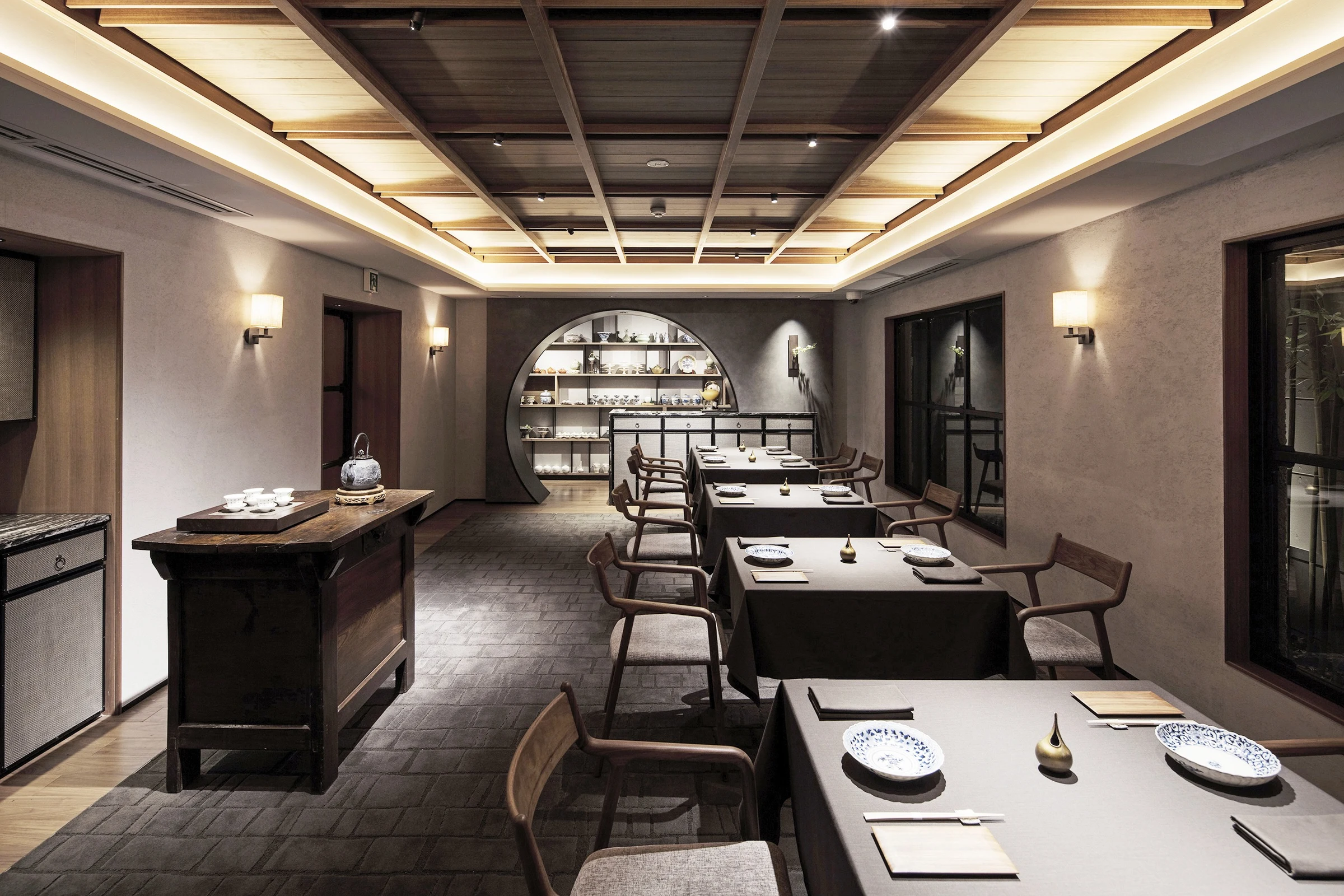
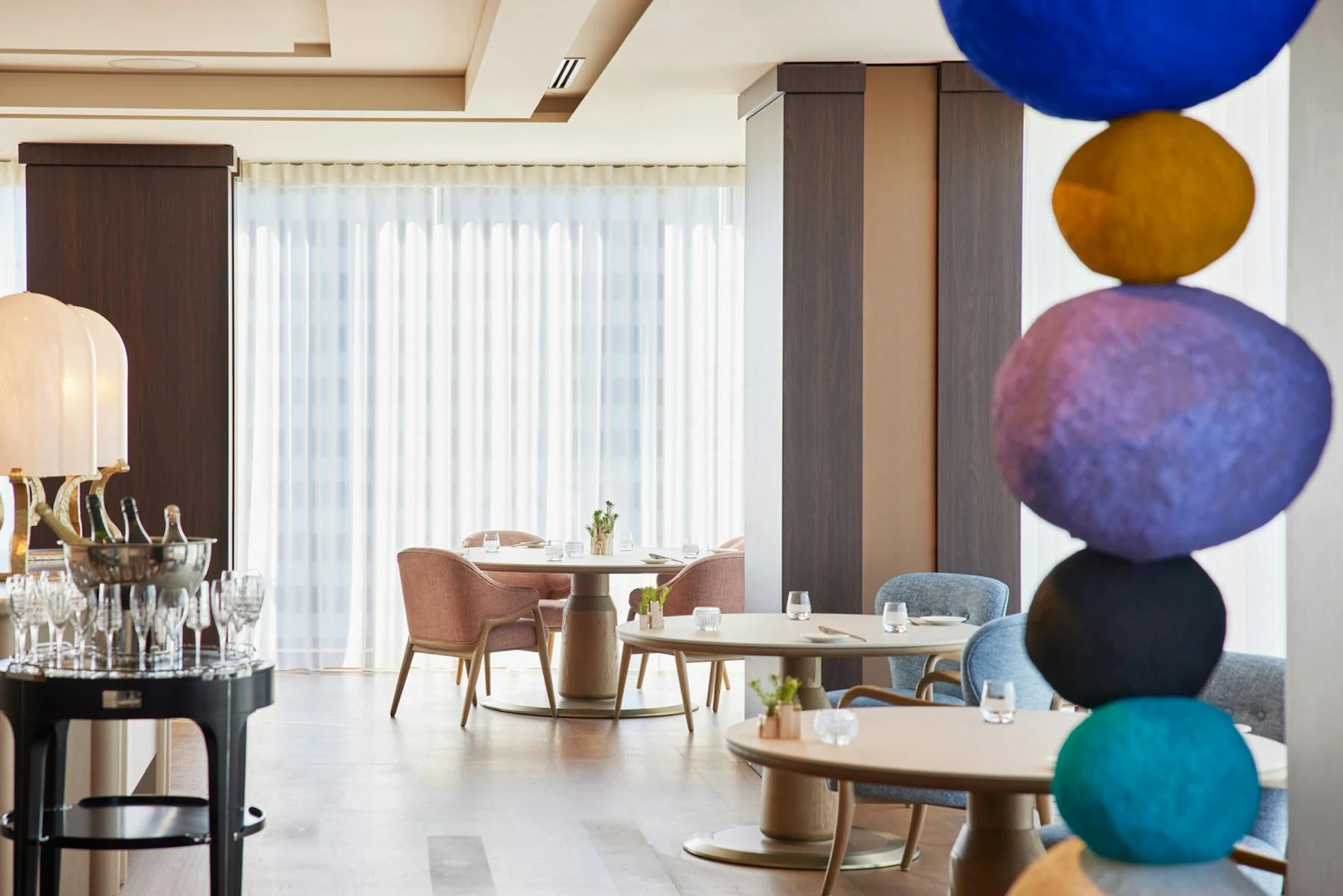
Sushi Nakano
- 01CuisineAsakusa Sushi
- 02CityTokyo, Japan
- Opinionated About Dining Top Restaurants in Japan Recommended · 2026
- Opinionated About Dining Top Restaurants in Japan Ranked #529 · 2025
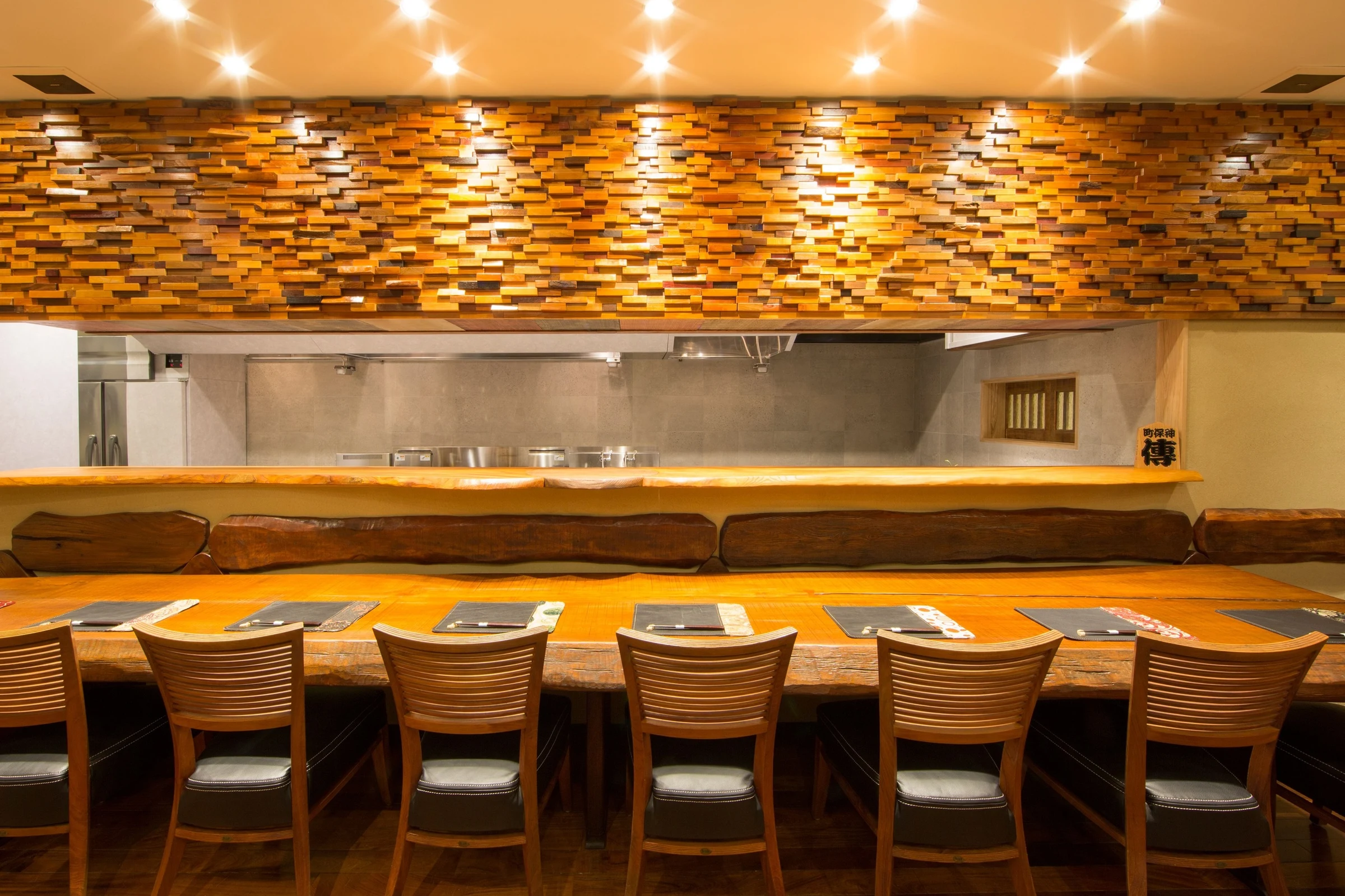
Where the Shokunin Tradition Meets the Modern Tokyo Counter
The apprenticeship model that defines serious sushi in Japan is, by design, slow. A chef may spend three years learning to cook rice before touching fish. Another decade passes before knife work is trusted to produce anything served to guests. This compression of skill into silence and repetition is what separates the shokunin tradition from most professional kitchens elsewhere in the world, and it is the framework through which a counter like Sushi Nakano should first be understood. Chef Leo Nakano works within that lineage, and Sushi Nakano in Tokyo earned an Opinionated About Dining ranking of #529 in 2025.
Tokyo's omakase market has stratified considerably over the past decade. At the upper end sit the counters that draw three-month advance bookings and charge prices that compete with Michelin three-star dining internationally, addresses like Harutaka and Sukiyabashi Jiro Roppongiten. Below them, and often more interesting to a certain kind of sushi devotee, sits a mid-tier of serious counters where the shokunin craft is no less rigorous but the performance is quieter.
The Apprenticeship Logic Behind Edomae Craft
Edomae sushi, the Tokyo-rooted style that draws on preserved and marinated fish as much as raw cuts, is the product of a training culture that has been formalised for well over a century. The great counters of Ginza and surrounding neighbourhoods, including Sushi Kanesaka, whose lineage has seeded a generation of serious chefs, operate as nodes in an informal but traceable network. A chef's credibility in this world is not self-declared; it is inherited through the kitchen they trained in and the master they stood beside. That credential chain matters to how Tokyo's sushi community reads a counter's identity.
Within that system, Leo Nakano's counter presents as a practitioner-led address rather than a concept-led one. The emphasis is on material quality and technical control: the temperature of the rice, the ratio of vinegar seasoning, the thickness and angle of each cut. These are the variables that serious omakase guests track across visits, and they are the variables that earn sustained recognition on competitive lists like Opinionated About Dining. Counters with comparable profiles in Tokyo's mid-upper tier, including Edomae Sushi Hanabusa and Hiroo Ishizaka, operate on similar principles, where the craft is the statement.
Reading the OAD Ranking in Context
Opinionated About Dining compiles its Japan rankings from a broad base of contributor scores weighted toward serious repeat diners rather than casual visitors. Appearing at #529 in 2025 places Sushi Nakano within a ranked cohort that spans several hundred addresses across the country, from three-Michelin-star institutions to neighbourhood specialists with no international profile at all. That placement represents a meaningful signal from within the enthusiast community rather than from the mainstream critical press.
It is worth noting what that ranking does and does not imply. It suggests consistent quality and a following among regular guests who return and score with precision. It does not imply the kind of theatrical production values or international media coverage that define the top tier. For many guests, that distinction is the point. The counters that appear in the 400-600 range on OAD Japan tend to be the ones that reward regulars, where the chef-guest relationship accumulates over multiple visits rather than delivering a single peak experience for first-timers.
Sushi in Tokyo Beyond Nakano: The Broader Scene
Tokyo's sushi geography extends well beyond any single counter, and understanding where Nakano sits requires at least some sense of the full map. The city's serious omakase addresses span everything from the globally ranked Ginza institutions to neighbourhood counters that have never sought outside recognition. Visitors who want to build a fuller picture of the scene can look to Tokyo's broader sushi landscape.
For those extending beyond Tokyo, Japan's serious food network reaches into every major city. HAJIME in Osaka represents the country's innovative fine dining tier, while Gion Sasaki in Kyoto anchors the kaiseki tradition in its home city. Further afield, Goh in Fukuoka, akordu in Nara, 1000 in Yokohama, and 6 in Okinawa each represent the regional depth of Japan's dining culture. The shokunin model that defines counters like Sushi Nakano has also migrated beyond Japan's borders: Sushi Shikon in Hong Kong and Shoukouwa in Singapore both operate within the same training tradition, transporting the Edomae discipline to Southeast Asian dining rooms.
Planning Your Visit
Sushi Nakano is recommended for reservations and is open Tuesday through Sunday from 4:30 to 9 PM, with Monday closed. Reservations are recommended. Expect a smart casual dress code and pricing around $70 per person.
Questions
Frequently asked
How expensive is Sushi Nakano?
Sushi Nakano is listed at a price level of $$$.
Where is Sushi Nakano and what does it serve?
Sushi Nakano is in Asakusa, Tokyo, serving Asakusa Sushi.
The field
How it compares
| Place | Cuisine | Notes | Awards |
|---|---|---|---|
| Sushi Nakano | Asakusa Sushi | Asakusa, $$$ | · |
| Den | Modern Japanese Kaiseki | Tokyo | Michelin 2 Stars, World's 50 Best |
| Florilège | Modern French-Japanese Plant-Based Fine Dining | Tokyo | Michelin 2 Stars, World's 50 Best |
| Narisawa | Modern Japanese Satoyama Fine Dining | Tokyo | Michelin 2 Stars, World's 50 Best |
| Quintessence | Modern French Fine Dining | Tokyo | Michelin 3 Stars |
| Sazenka | Modern Chinese Fine Dining | Tokyo | Michelin 3 Stars, World's 50 Best |
| Sézanne | Modern French Fine Dining | Tokyo | Michelin 3 Stars, World's 50 Best |
Similar places
Modern Japanese Kaiseki
Den
Tokyo, Japan
★★ · 50 Best
Modern French-Japanese Plant-Based Fine Dining
Florilège
Tokyo, Japan
★★ · 50 Best
Modern Japanese Satoyama Fine Dining
Narisawa
Tokyo, Japan
★★ · 50 Best
Modern French Fine Dining
Quintessence
Tokyo, Japan
★★★
Modern Chinese Fine Dining
Sazenka
Tokyo, Japan
★★★ · 50 Best
Modern French Fine Dining
Sézanne
Tokyo, Japan
★★★ · 50 Best