Skip to Content
    Made ByRestaurant

    Sushi Seki

    Seki Shi

    In Residence

    Seki Shi

    Chef

    1. 01CuisineSushi
    2. 02CityNew York City, United States
    Sushi Seki (restaurant)

    Seki Shi, chef at Sushi Seki in New York City, holds a sushi counter shaped by nigiri, restraint, and steady repetition.

    • Opinionated About Dining Top Restaurants in North America Recommended · 2026

    Held at the same counter since 2002

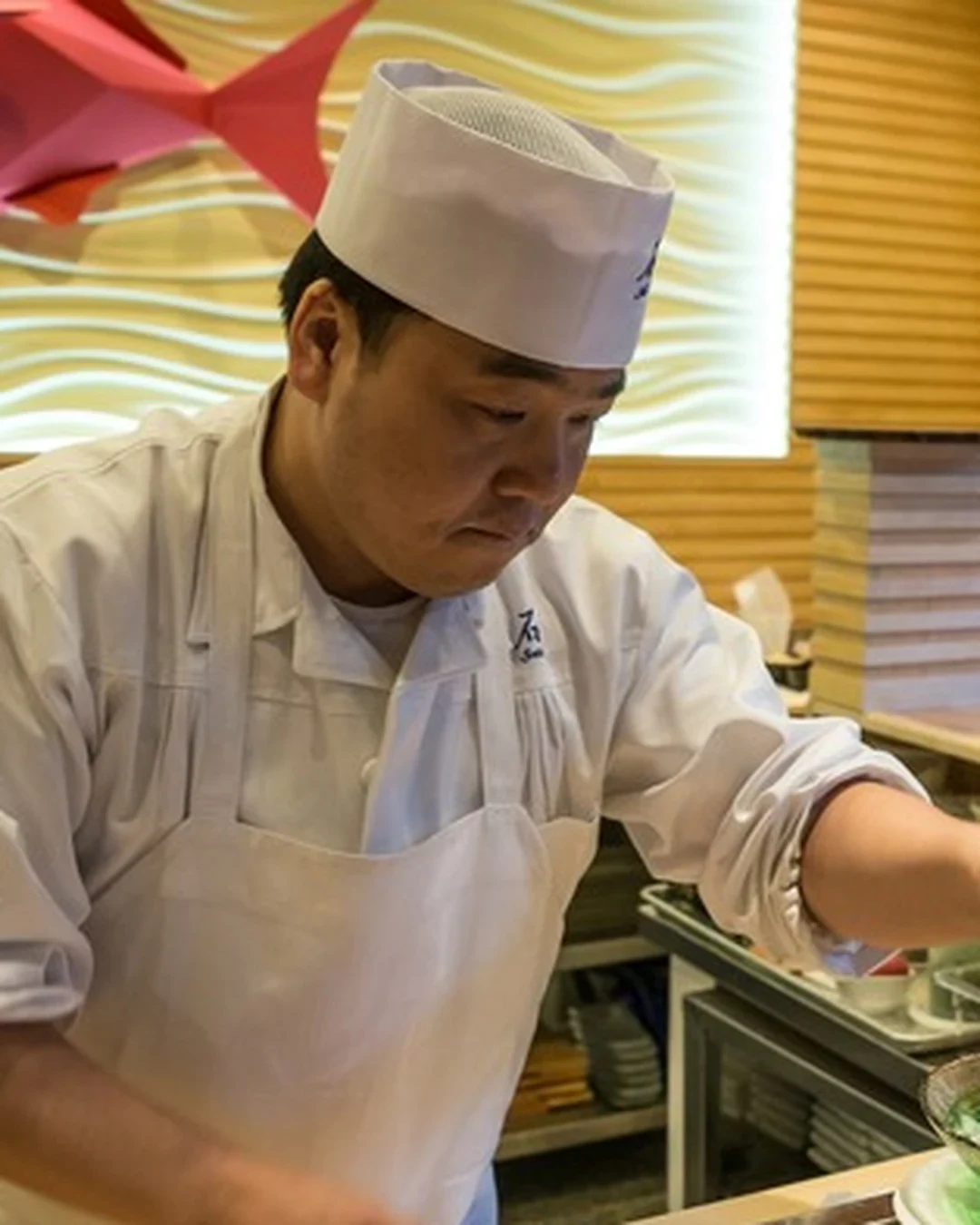
    The nigiri stays the anchor: fish, rice, pressure, sequence. Seki Shi, chef at Sushi Seki in New York City, has kept that line steady since 2002, when he opened the restaurant on 1st Avenue between East 62nd Street and East 63rd Street. His role here is not only at the pass. As chef and owner, Shi sets the grammar of the room: sushi first, cooked dishes alongside it, and a menu that lets seasoning and temperature sit close to the fish rather than cover it.

    Shi’s formation before Sushi Seki included seafood knowledge developed at Tokyo’s Tsukiji Market and training at Sushi of Gari. Those details matter because the Upper East Side restaurant has never read as a neutral sushi counter. Its house style accepts modern gestures: young yellowtail with jalapeño, salmon nigiri with torched tomato, tai with sea salt, tuna tofu, pickled toro. The point is not novelty for its own sake. At Sushi Seki, the added ingredient has to behave like a cut, a brush, a small correction in the sequence.

    More than two decades in the same New York City house has given Shi’s work a visible continuity. The restaurant has also extended its name to Sushi Seki Times Square, opened in 2018, but the 1st Avenue counter remains the original station: compact, direct, and built around the repetition of service.

    A set menu built around nigiri

    By 2018, the Sushi Seki language had a shorter formal expression at the Times Square address: a $55 abridged set menu with two paths. One placed six pieces of seasonal nigiri with two hand rolls; the other kept the same nigiri count and moved toward one hand roll plus a mini bowl of soba or udon noodles. The structure made the meal compact without turning it casual. Nigiri still carried the weight.

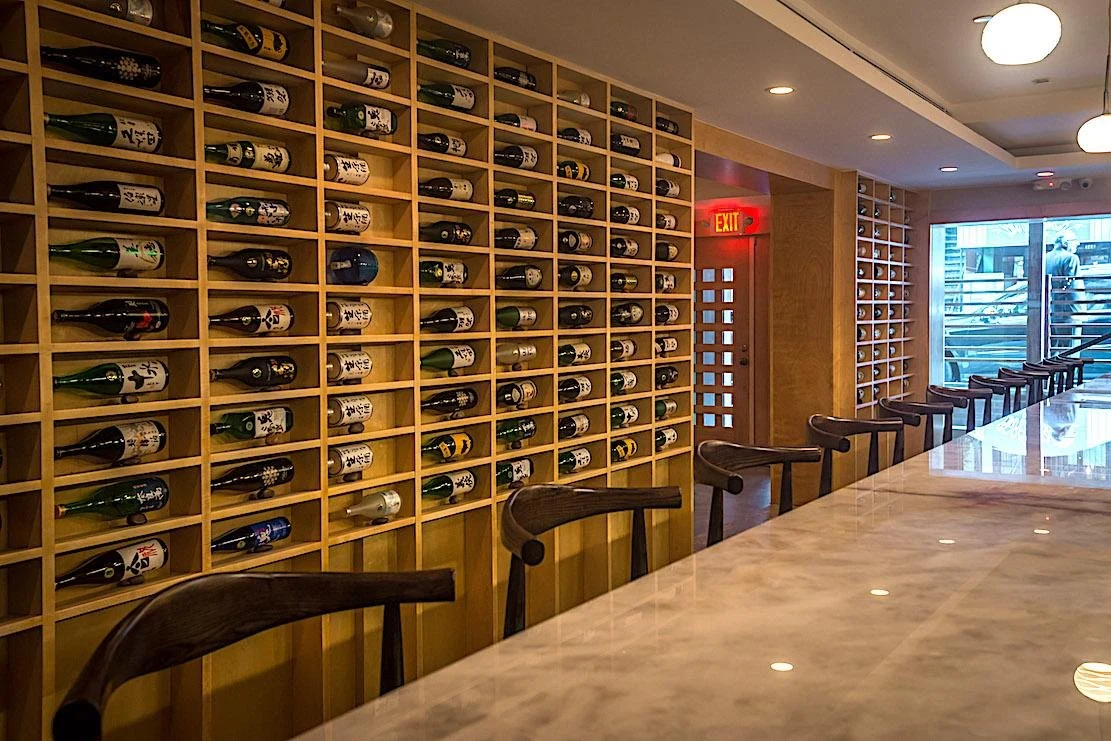
    That format clarifies how Shi thinks about pace. The fish arrives as individual decisions, not as abundance. A hand roll changes the hand position and the temperature of the rice. Soba or udon gives the sequence a cooked, slurped finish, closer to the kitchen than the counter. At the 1st Avenue restaurant, the same discipline appears in the broader menu: butter fish, maguro avocado, Yuzu Miso Cod, tempura, Chicken Teriyaki, nebeyaki udon, cut rolls called Three Golden Flowers, and a sake list wide enough to support both omakase and à la carte eating.

    The measurements here are modest on purpose: a piece, a roll, a bowl, a cut. Sushi Seki’s method depends on calibration at that scale. Too much sauce changes the fish. Too little heat makes the tomato ornamental. The craft sits in the adjustment.

    The room on 1st Avenue

    The room at 1143 1st Avenue is small and spare, with the counter doing much of the work. Plateware, chopstick rests, private sushi rooms, and the open spacing around the sushi bar give the place its quiet punctuation, but the eye returns to the bench-side rhythm: rice shaped, fish placed, garnish set, the next plate moving out.

    Sushi Seki has long carried a late-night New York identity, a place where chefs and regulars could read the counter without needing it translated. The atmosphere is not theatrical. It is narrow, practical, and tuned to the pass. Cooked dishes move from the kitchen, omakase pieces move from the sushi bar, sake moves through the table, and the room holds all of it without asking for a scene.

    Shi’s next movement is already visible in the spread between the original Upper East Side counter and the Times Square house opened in 2018. The clearest measure remains the same first station: Seki Shi at 1143 1st Avenue, setting fish over rice at Sushi Seki.

    Questions

    Frequently asked

    Who runs Sushi Seki?

    Seki Shi is the chef and owner. He has kept the restaurant’s sushi counter steady since 2002.

    What is Sushi Seki known for?

    The restaurant is built around nigiri, with fish, rice, pressure, and sequence at the centre. Shi’s style also allows modern touches such as young yellowtail with jalapeño, salmon nigiri with torched tomato, tai with sea salt, tuna tofu, and pickled toro.

    What kind of menu does the Upper East Side restaurant serve?

    Sushi Seki serves sushi first, with cooked dishes alongside it. The menu includes items such as butter fish, maguro avocado, Yuzu Miso Cod, tempura, Chicken Teriyaki, nebeyaki udon, and cut rolls called Three Golden Flowers.

    Is there more than one Sushi Seki?

    Yes. The original restaurant is at 1143 1st Avenue on the Upper East Side, and Sushi Seki Times Square opened in 2018.

    The field

    How it compares

    PlaceCuisineAwardsNotes
    Sushi SekiSushi··
    AtomixModern Korean Tasting MenuMichelin 2 Stars, World's 50 BestNew York City
    DanielModern French Fine DiningMichelin 1 Star, World's 50 BestNew York City
    Eleven Madison ParkContemporary Plant-Based Fine DiningMichelin 3 Stars, World's 50 BestNew York City
    Jungsik New YorkModern Korean Fine DiningMichelin 3 Stars, World's 50 BestNew York City
    KabawaModern Caribbean Prix FixeWorld's 50 BestNew York City
    Le BernardinFrench Seafood Fine DiningMichelin 3 Stars, World's 50 BestNew York City

    In residence

    Similar places

    More in New York City← Browse all places