Sushi Sonagi
In Residence
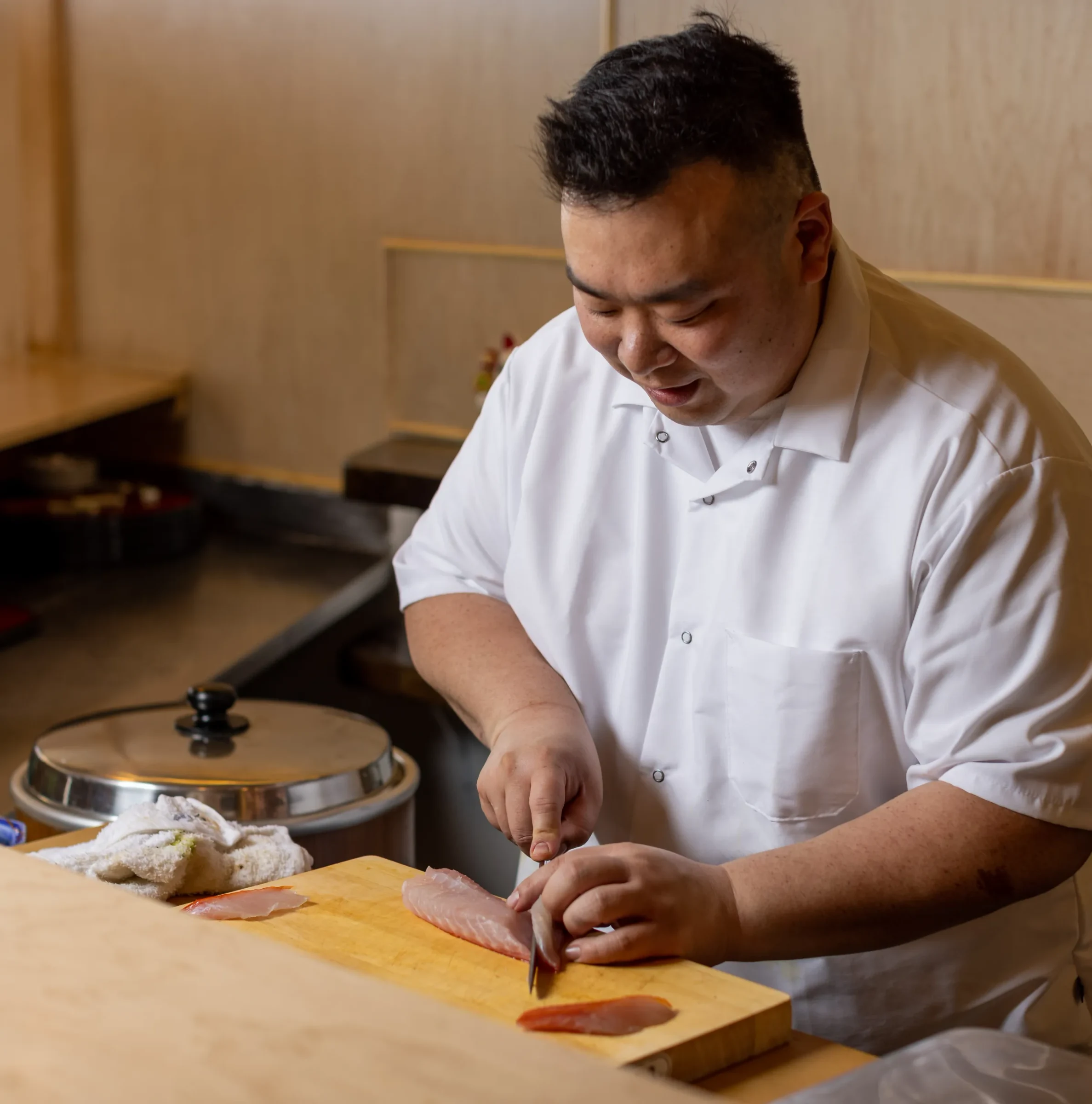
Daniel Son
Owner
- 01CuisineKorean-Infused Japanese Omakase
- 02CityGardena, United States
- Opinionated About Dining Top Restaurants in North America Recommended · 2026
- Michelin Plate · 2026
- Michelin Plate · 2025
- Michelin Plate · 2024
A Counter Format Built on Restraint and Ritual
Sushi Sonagi is a Korean-Infused Japanese Omakase restaurant in Gardena, California, with a $200 per person price point. The format here follows the logic that governs serious sushi counters everywhere from Tokyo's Ginza to New York's Midtown: small capacity, fixed menu, no improvisation from the guest's side. What distinguishes the Gardena version is the cultural overlay, a Korean-American sensibility woven into a Japanese framework, and the rigorous limit on access that keeps the experience controlled from start to finish.
Across American cities, the premium omakase tier has bifurcated sharply over the past decade. On one end sit the high-ticket destination counters, Masa in New York sits at the extreme of that bracket, where the price-per-seat model is partly about scarcity theater. On the other end, smaller operations in less-trafficked neighborhoods offer a version of the same format with fewer of the ceremony markers and more of the actual cooking. Sushi Sonagi Gardena sits firmly in that second cohort. Its 2025 Michelin Plate recognition confirms its standing, while its operational structure, weekends only, keeps it closer to the intimate, cook-to-counter rhythm that the format is meant to deliver. For context on what Michelin recognition at this tier signals nationally, consider how a similar commitment to format discipline shapes acclaimed tasting-menu counters like Lazy Bear in San Francisco or the controlled-access model at Providence in Los Angeles.
The Communal Logic of a Shared Counter
The structural logic here is communal rather than individual. Japanese food culture has long understood the counter as a social instrument: guests face the chef, conversation moves sideways as well as forward, and the shared pace of a tasting sequence creates a collective rhythm that restaurant tables rarely replicate. At an eight-seat counter like Sushi Sonagi, that dynamic is amplified. Everyone receives the same dish at roughly the same moment, everyone tracks the same progression through the meal, and the room's energy is calibrated by the kitchen's tempo rather than by individual orders.
That communal arc matters when assessing what Sushi Sonagi offers relative to peers. Larger omakase rooms in Los Angeles, some running twenty seats or more, lose the intimacy that makes the format work. The counter here restores it. The eight-seat limit means Chef Daniel Son, a second-generation sushi chef, works in direct proximity to every guest throughout service, which changes the texture of the meal in ways that floor service and expedited runners cannot replicate.
Where the Korean Inflection Registers
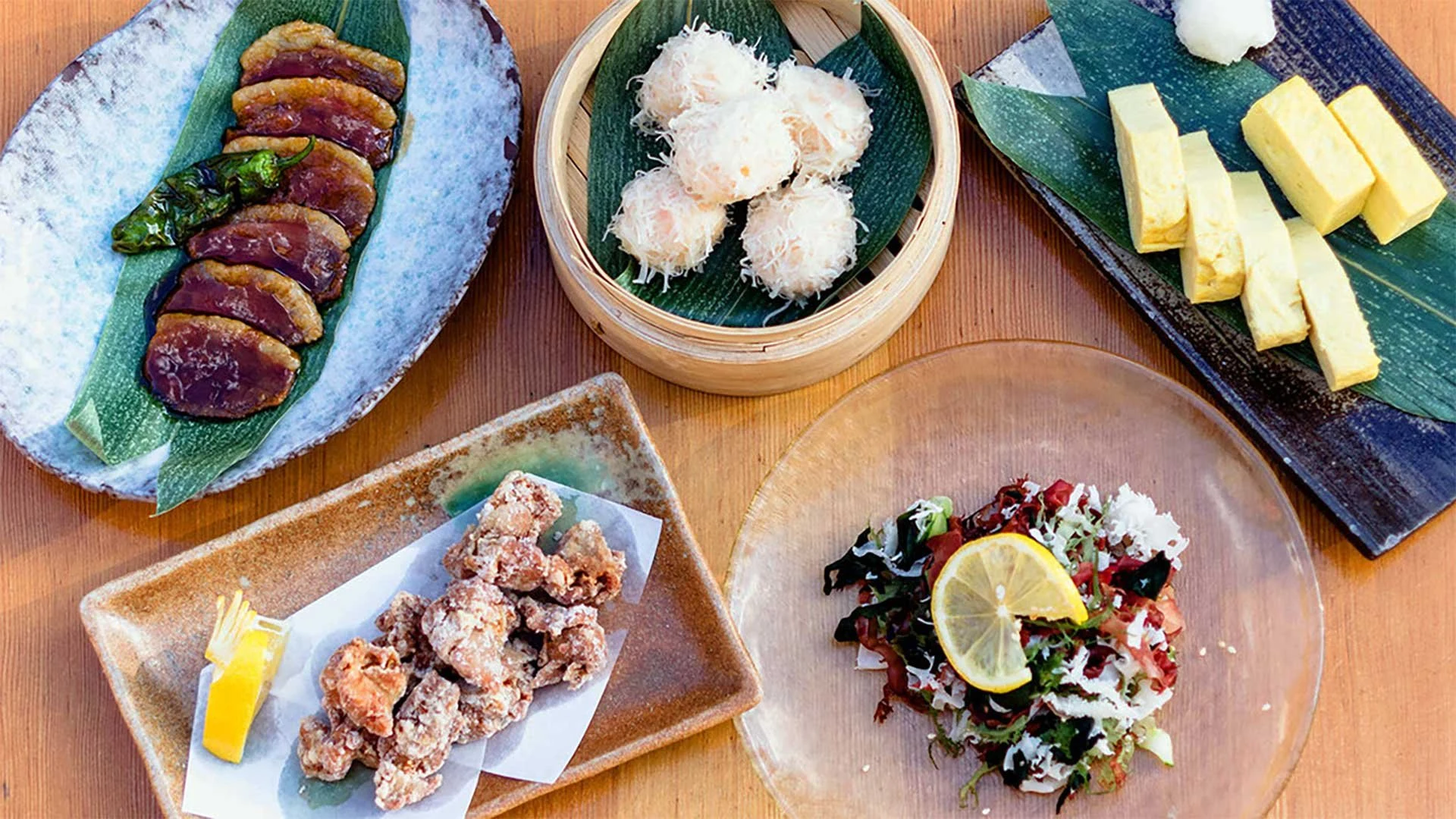
The multicourse format moves through recognizable omakase terrain, chawanmushi, ankimo, nigiri, before arriving at the sequence's structural pivot: the dolsot sekogani. Female snow crab is served in a stone pot, heated tableside until the rice develops a crispy crust against the vessel's base. The crab's seasoning carries the richness the format needs at that point in the meal, and the theatrical presentation, pot arriving whole, then portioned, creates a moment of genuine communal attention at the counter. This is where the Korean-American context becomes legible: the dolsot technique belongs to Korean kitchen tradition, applied here to Japanese ingredients and omakase sequencing. It is not fusion in the blurred sense, but a second-generation cook working from two distinct culinary inheritances simultaneously.
The savory sequence closes before the dessert register, where a charcoal-roasted sweet potato arrives with house-made white sesame ice cream. The combination is clean and considered, roasted sweetness against the toasted, slightly bitter register of sesame, and it functions as a deliberate decompression after the crab course's intensity. Across the wider American tasting-menu tier, from Alinea in Chicago to The French Laundry in Napa, the dessert sequence carries specific narrative weight in long menus; here it is simpler, and that simplicity reads as a choice rather than a gap. The nigiri between the hot courses is minimally dressed, a marker of confidence in the fish rather than a need to amplify with saucing, which aligns Sushi Sonagi with the restraint-led school rather than the embellished, ingredient-stacking counters that multiplied across Los Angeles during the last decade.
Gardena as Context, Not Coincidence
Gardena's Japanese and Japanese-American community is one of the oldest and densest in California, and the area's dining infrastructure reflects that history. Establishments like Otafuku Noodle House and Sweet Rice anchor the neighborhood's broader food character, which runs toward authenticity and regulars rather than destination marketing. Sushi Sonagi fits that context even as it operates at a price tier well above the area's casual dining baseline. The $$$$ price range places it in the same bracket as destination counters in Beverly Hills or the Westside, but the address, a unit in a strip-format building on Artesia Boulevard, signals that the premium is going into the food and format, not into the real estate premium of a more visible zip code.
Planning a Visit
Sushi Sonagi operates on Thursdays, Fridays, and Saturdays from 5:30 to 10:30 PM, with reservations essential. The eight-seat counter and the absence of walk-in availability mean advance booking is the only viable approach; the Michelin Plate recognition in 2025 and a Google rating of 4.9 across 41 reviews have accelerated demand beyond what the venue's operational footprint can easily absorb. Plan well ahead and treat the reservation as a fixed commitment. The address is 1425 Artesia Blvd UNIT 27, Gardena, CA 90248.
FAQ: What dish defines the Sushi Sonagi experience?
The dolsot sekogani, female snow crab cooked and served in a heated stone pot until the rice base forms a crispy crust, is the course that draws the most attention from diners and appears prominently in the Michelin Plate citation. The chawanmushi and ankimo tart are characteristic of the omakase format, but the crab rice pot is where Sushi Sonagi's Korean-American culinary inheritance becomes most legible, and it functions as the meal's structural and sensory peak before the charcoal-roasted sweet potato dessert closes the sequence.
Questions
Frequently asked
Who works at Sushi Sonagi?
Made By profiles Daniel Son (Chef-Owner) at Sushi Sonagi.
How expensive is Sushi Sonagi?
Sushi Sonagi is listed at a price level of $$$$.
Where is Sushi Sonagi and what does it serve?
Sushi Sonagi is in Gardena, Gardena, serving Korean-Infused Japanese Omakase.
The field
How it compares
| Place | Cuisine | Notes | Awards |
|---|---|---|---|
| Sushi Sonagi | Korean-Infused Japanese Omakase | Gardena, $$$$ | · |
| Burnt Ends | Modern Australian Barbecue | Singapore | Michelin 1 Star, World's 50 Best |
| Gaggan Anand | Progressive Indian | Bangkok | Michelin 1 Star, World's 50 Best |
| MAZ | Innovative Peruvian-Japanese Fusion | Tokyo | Michelin 2 Stars, World's 50 Best |
| Per Se | French Fine Dining Tasting Menu | New York City | Michelin 3 Stars, World's 50 Best |
| Potong | Progressive Thai-Chinese Fine Dining | Bangkok | Michelin 1 Star, World's 50 Best |
| Providence | Modern Seafood Fine Dining | Los Angeles | Michelin 3 Stars, World's 50 Best |
In residence
Similar places
Modern Australian Barbecue
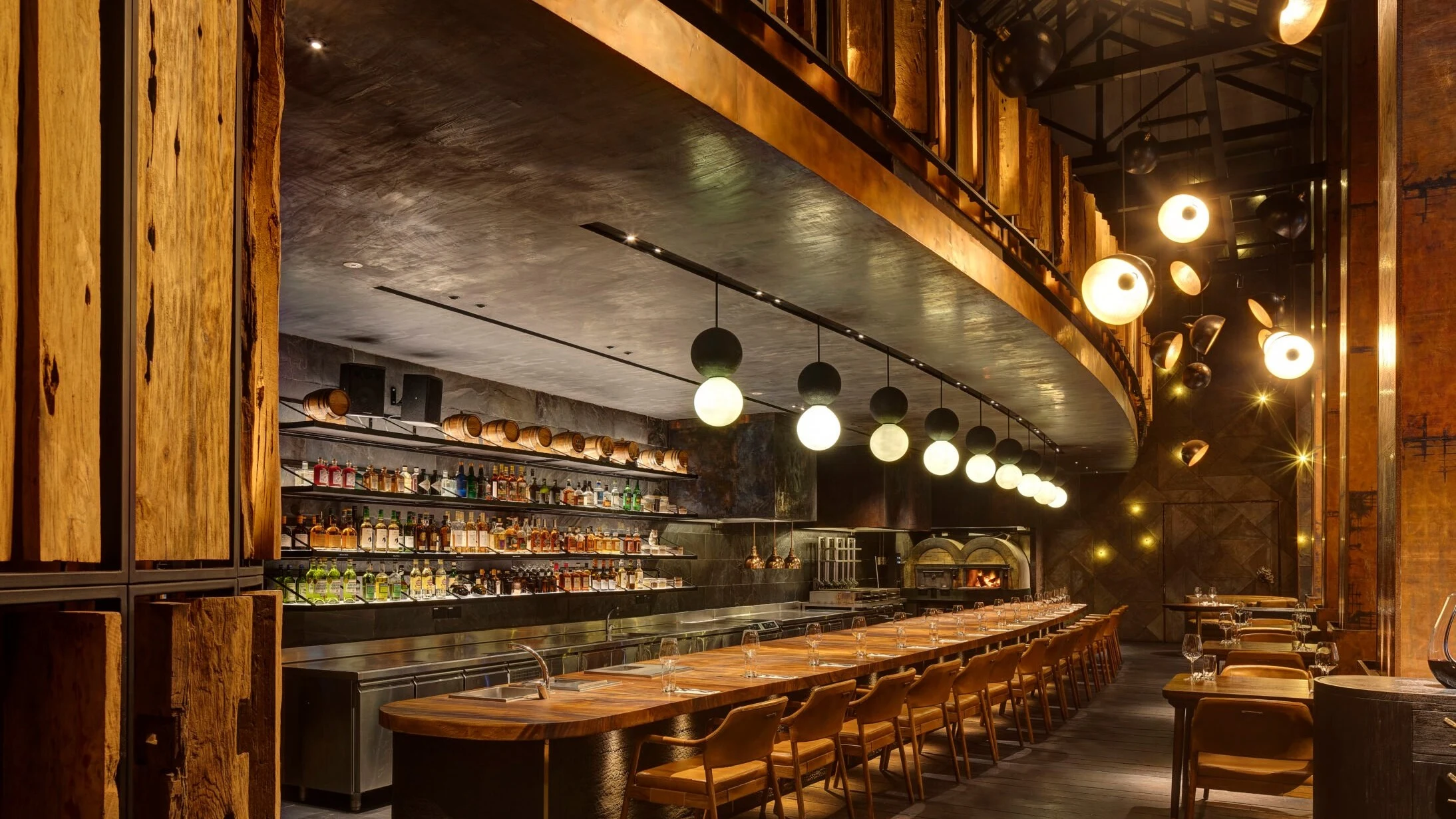
Burnt Ends
Singapore, Singapore
★ · 50 Best
Progressive Indian
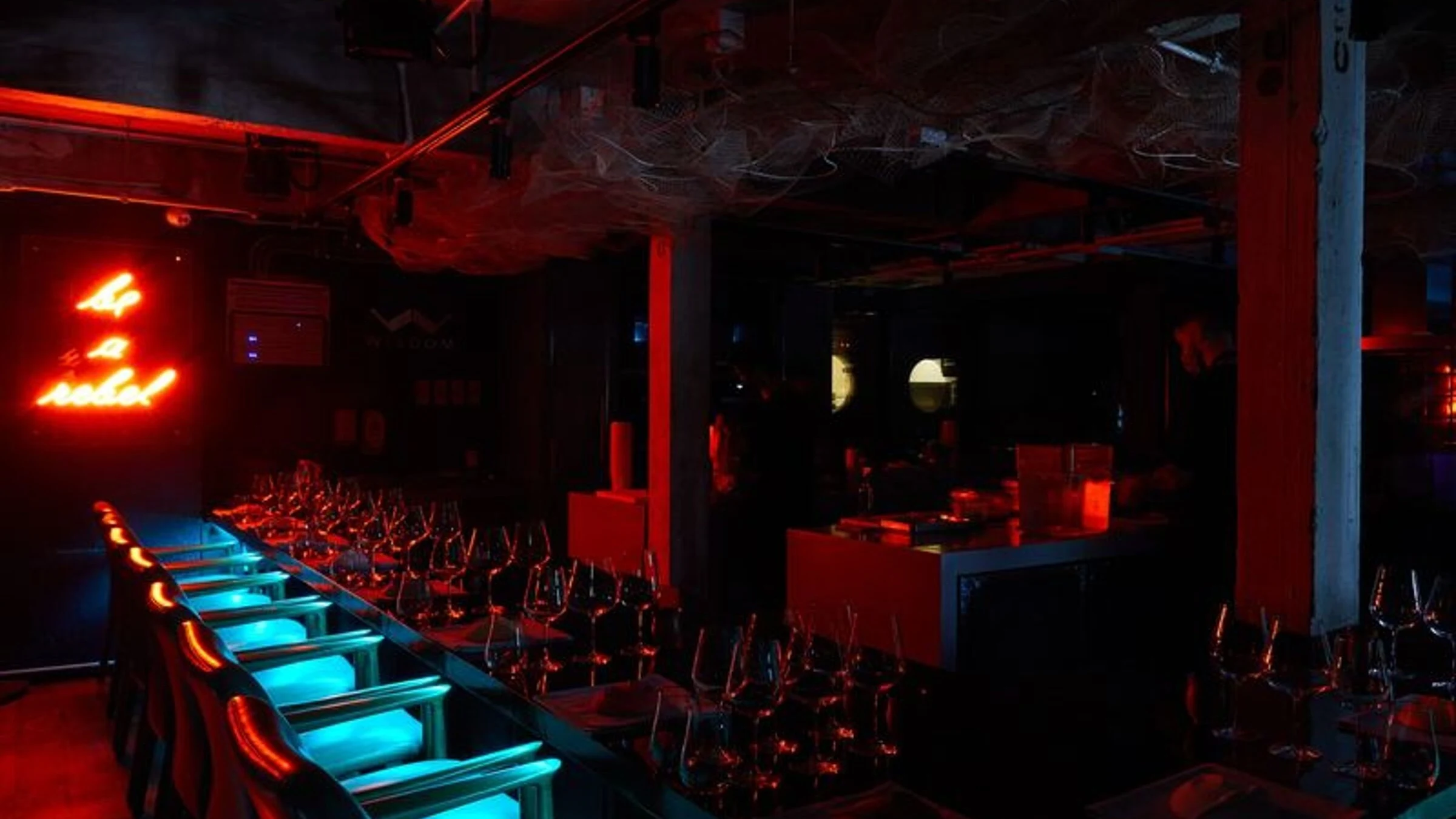
Gaggan Anand
Bangkok, Thailand
★ · 50 Best
Innovative Peruvian-Japanese Fusion
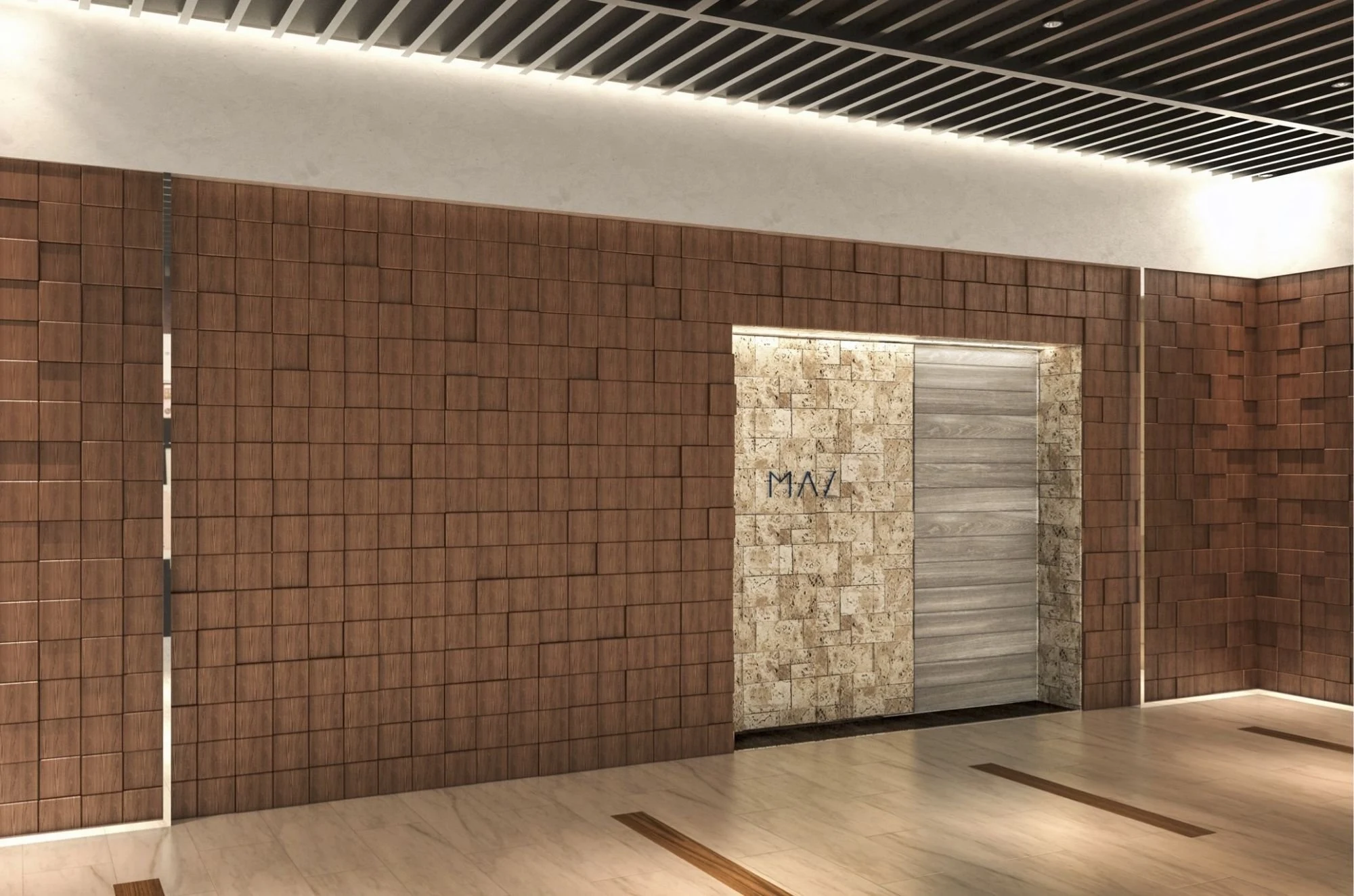
MAZ
Tokyo, Japan
★★ · 50 Best
French Fine Dining Tasting Menu
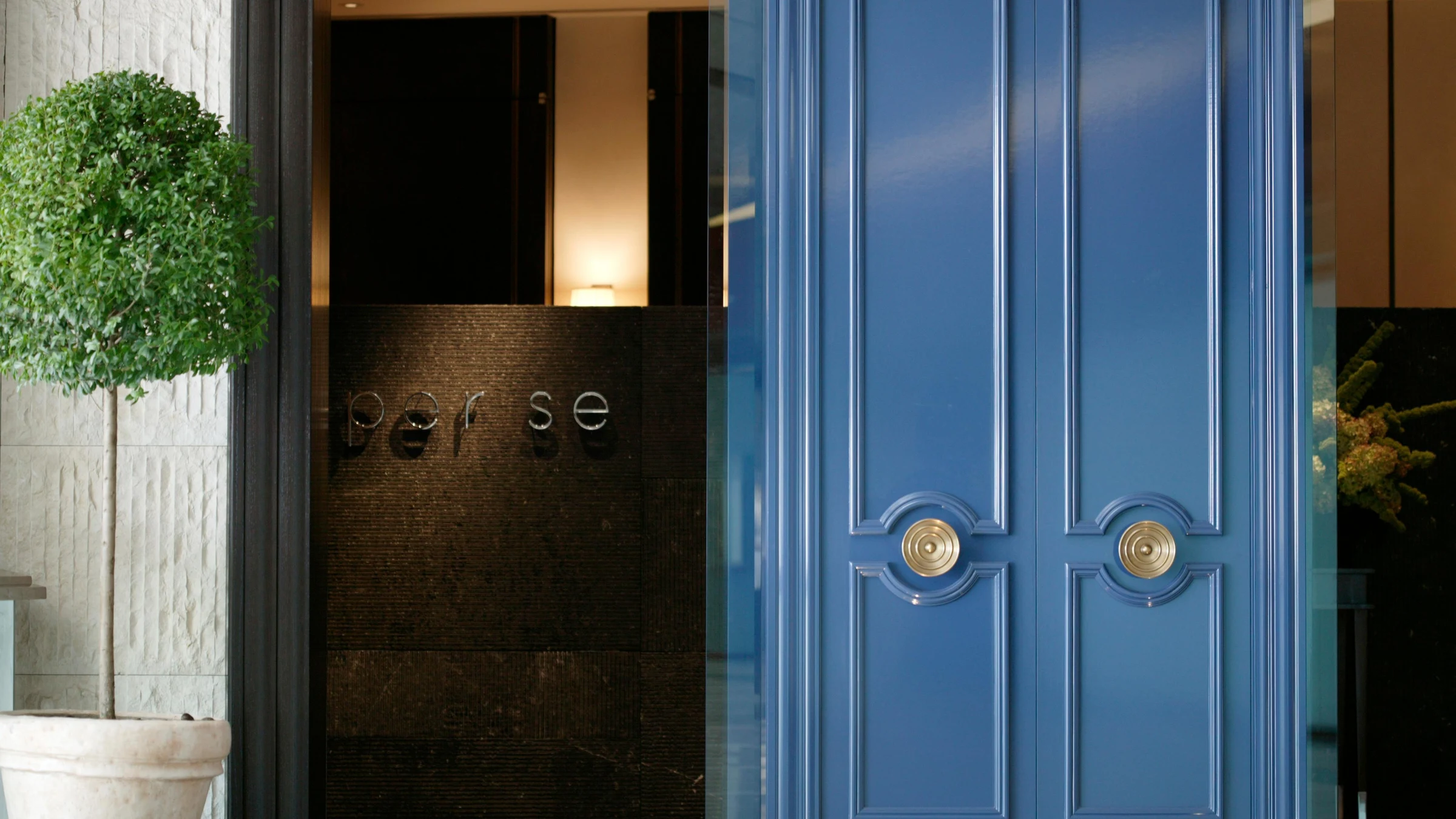
Per Se
New York City, United States
★★★ · 50 Best
Progressive Thai-Chinese Fine Dining
Potong
Bangkok, Thailand
★ · 50 Best
Modern Seafood Fine Dining
Providence
Los Angeles, United States
★★★ · 50 Best