- Opinionated About Dining Top Restaurants in Japan Ranked #134 · 2026
- Opinionated About Dining Top Restaurants in Japan Ranked #106 · 2025
- Opinionated About Dining Top Restaurants in Japan Ranked #64 · 2024
- Opinionated About Dining Top Restaurants in Japan Ranked #67 · 2023
Minami-Aoyama and the Counter Format That Defines It
Tokyo's omakase circuit sorted itself, over the past two decades, into legible tiers. Sushi Takumi Shingo is an Edomae omakase sushi restaurant in Minami-Aoyama, Tokyo, with a price point of about $300 per person. At the leading sit the three-star counters of Ginza, places like Sushi Kanesaka and Sukiyabashi Jiro Roppongiten, where the price of entry reflects both lineage and scarcity. Below them, a broader and more interesting middle tier has developed across Aoyama, Hiroo, and Azabu: counters with serious technique and independent identity, priced and sized to reward regulars rather than trophy diners. Sushi Takumi Shingo, located at 2 Chome-2-15 Minamiaoyama in Minato City, belongs to that middle tier. Its Minami-Aoyama address is not incidental. The neighbourhood has drawn a particular kind of restaurant over the past decade, modest in signage, serious in execution, attracting a clientele that books on reputation rather than visibility.
That positioning is confirmed by its Opinionated About Dining ranking history in Japan. Sushi Takumi Shingo entered the OAD Leading Restaurants in Japan list at #67 in 2023, moved to #64 in 2024, and then settled back to #106 in 2025. Three consecutive appearances, with a peak in the mid-sixties, places this counter inside a recognisable comparable set: counters with strong local followings and enough critical attention to rank, but without the media saturation of the leading twenty. Nearby counters Harutaka and Hiroo Ishizaka occupy comparable territory on the circuit.
The Physical Counter as Editorial Statement
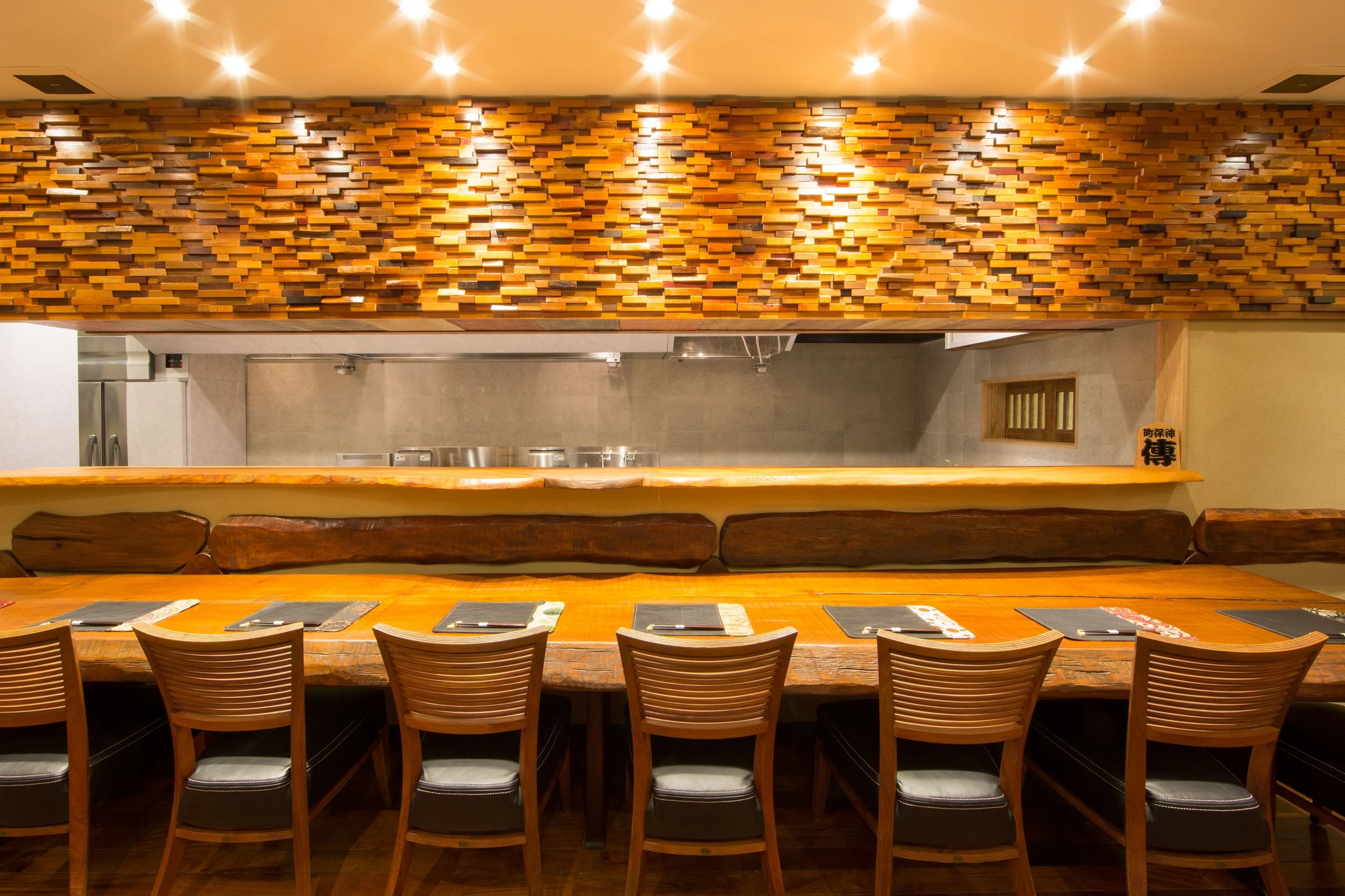
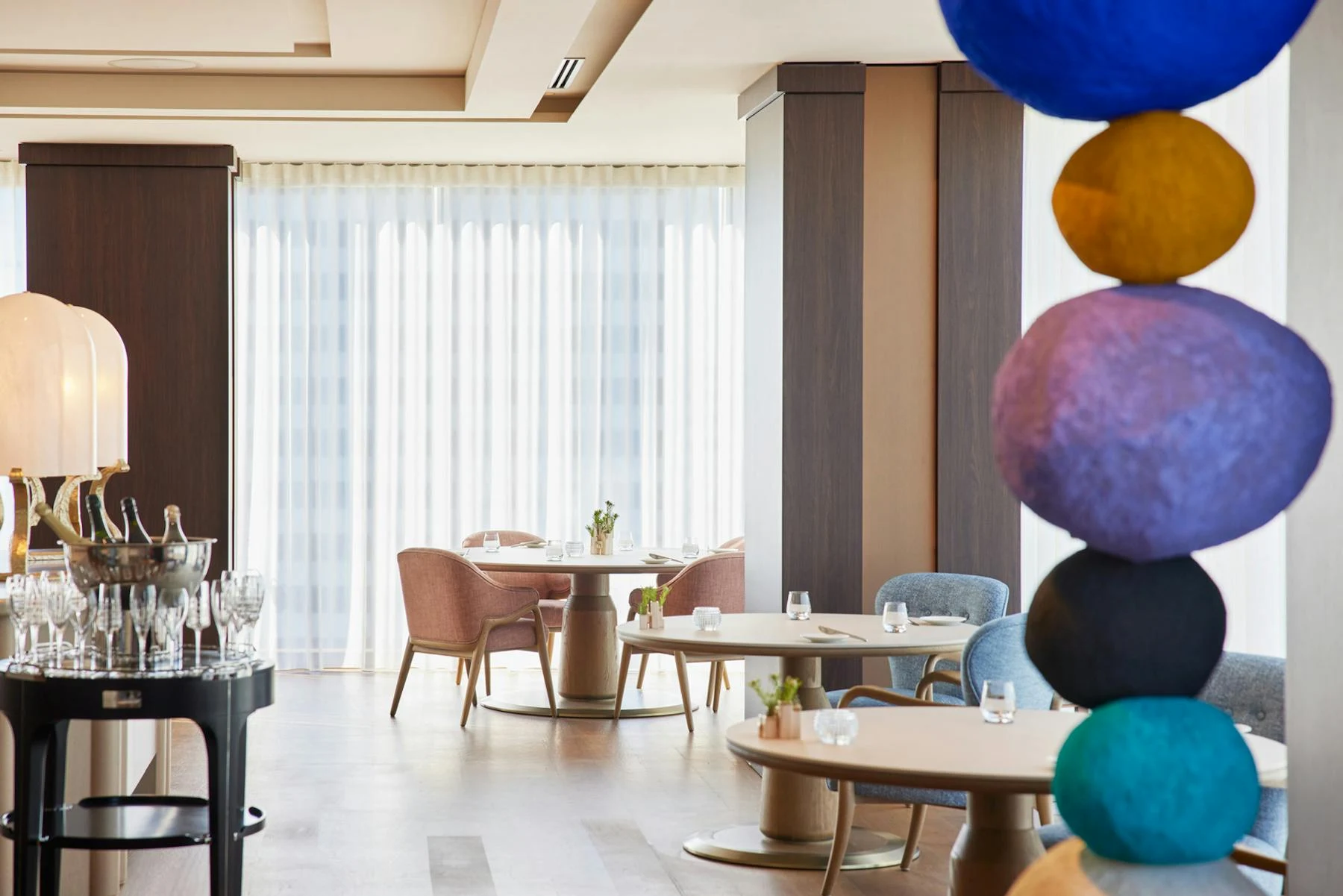
In Tokyo sushi, the room is not decoration, it is argument. The counter format exists to enforce a particular relationship between the chef and the guest: no intermediary, no translation layer, no distance between the hand that prepares and the mouth that receives. Counter length determines pace, sightlines, and the social temperature of the meal. Short counters, typically under ten seats, generate a stillness that longer rooms cannot replicate. The itamae works within arm's reach. Every movement is visible. The grain of the hinoki, the temperature of the ceramic, the angle of the knife, these details accumulate into a cumulative sensory argument that a dining room with tables simply cannot make.
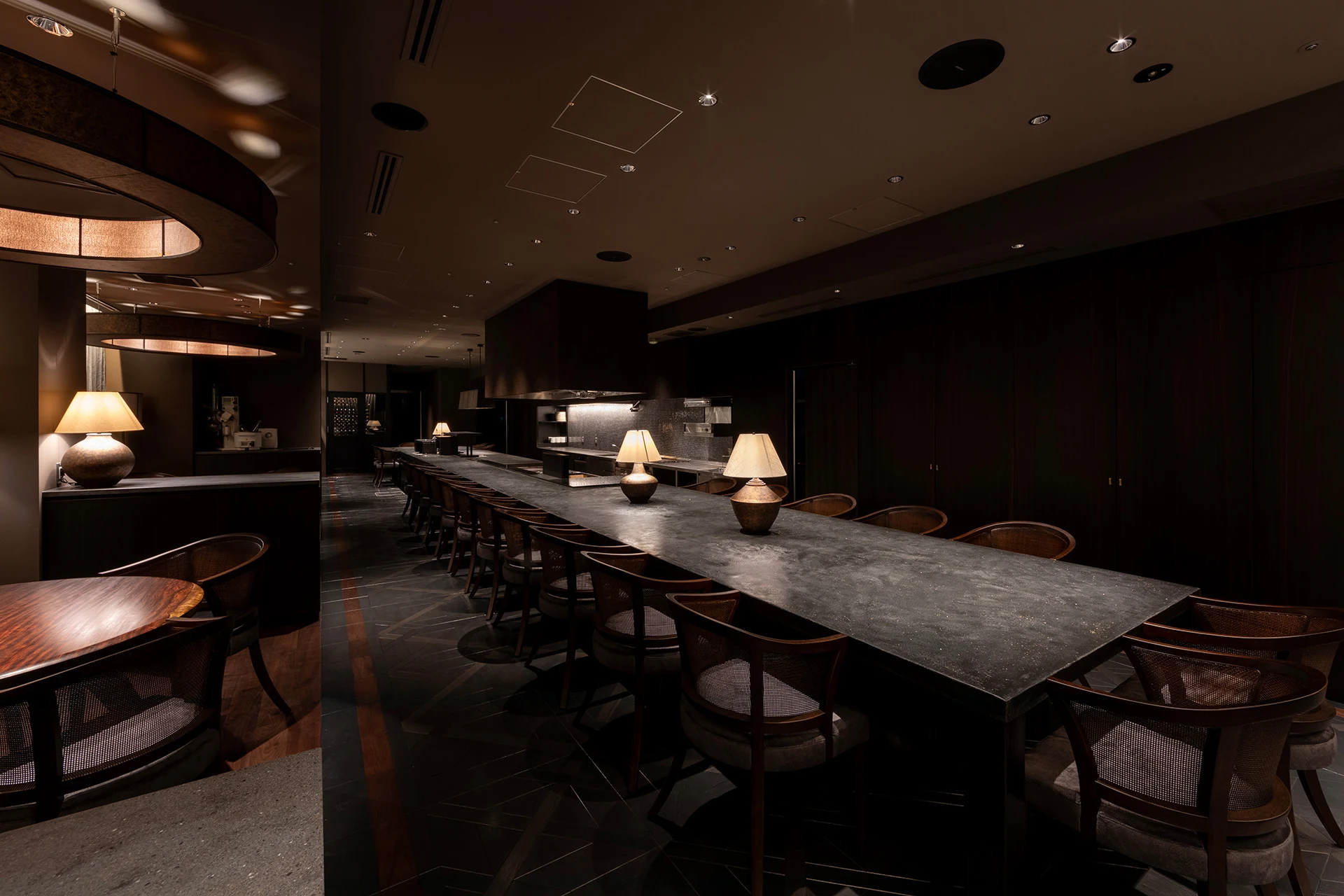
The Minami-Aoyama address and the counter format imply a room built for focus rather than volume. Tokyo counters at this OAD ranking level rarely exceed twelve seats; the economics of the format demand it. What the physical container signals, in venues of this type, is a preference for depth over throughput, a single seating per evening rather than the two-turn model that characterises more commercially driven addresses. The evening service runs from 5 pm to 11 pm, Thursday through Sunday, with Tuesday and Wednesday closed. That four-night-per-week schedule is itself a design choice: fewer covers, more preparation time, higher consistency across service.
The counter in Japanese sushi culture also functions as a training tool made visible. The itamae's station, knives arranged, fish aged and held at precise temperatures, rice timed to the moment of service, is a working space observed in real time. At counters ranked in the OAD mid-tier, that visibility carries a different weight than at the tourist-facing flagship counters. The audience is predominantly local and repeat, which means the chef performs without the latitude that novelty affords. Consistency, not theatre, is the operative standard.
Chef Shingo Takahashi and the Edomae Tradition
Edomae sushi, the Tokyo tradition of preparing fish through curing, marinating, and ageing rather than serving it raw and unadorned, has fragmented into several distinct schools. Some practitioners have moved toward the ultra-minimalist approach associated with Ginza's leading counters, stripping technique to near-invisibility. Others maintain a more expressive relationship with the preparation methods that defined the tradition before refrigeration standardised fish handling. At counters like Edomae Sushi Hanabusa, the classical preparation methods remain foregrounded as editorial choices rather than historical residue.
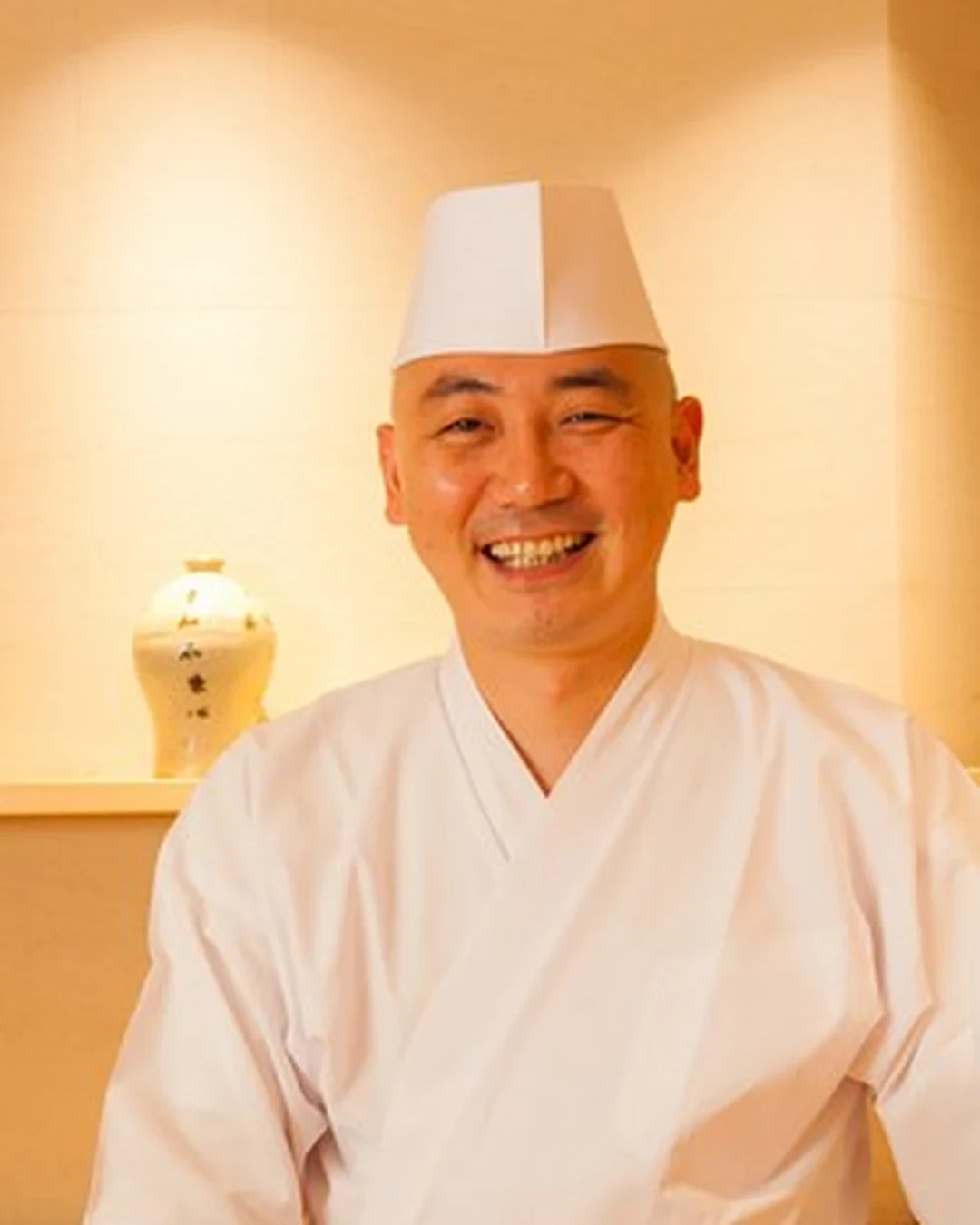
Chef Shingo Takahashi operates within this tradition. The sustained OAD presence across 2023, 2024, and 2025 indicates a kitchen that has maintained quality without regression. The 4.6 Google rating across 129 reviews corroborates the OAD position.
Where This Counter Sits in the Broader Japan Circuit
Tokyo functions as the gravitational centre of Japan's sushi scene, but the OAD rankings have increasingly recognised serious work outside the capital. HAJIME in Osaka, Gion Sasaki in Kyoto, akordu in Nara, Goh in Fukuoka, 1000 in Yokohama, and 6 in Okinawa represent the geographic spread of Japan's serious dining circuit. Within that spread, Tokyo's mid-tier sushi counters hold a specific position: they are where the tradition is maintained and evolved by chefs working without the institutional scaffolding of a three-star lineage. For visitors building a Japan itinerary around sushi specifically, a counter in the OAD 60-110 range in Tokyo often delivers a more direct experience of the form than the headline addresses.
The same dynamic operates at the international level. Sushi Shikon in Hong Kong and Shoukouwa in Singapore represent the export version of Tokyo counter culture, calibrated for markets where the Edomae tradition is received rather than native. At Sushi Takumi Shingo, the context is native, Minami-Aoyama, a Japanese clientele, a chef working within the tradition rather than translating it for an international audience.
Planning Your Visit
Tokyo's mid-tier omakase counters operate on advance booking schedules that vary by season and demand. The four-night operating week at Sushi Takumi Shingo compresses availability and makes early reservation planning advisable, particularly for weekend seatings in autumn (October to November), when Tokyo's dining circuit is at peak activity and competition for counter seats across the city intensifies. Spring, from late March through April, represents a secondary peak tied to cherry blossom season and refined visitor numbers.
The address, 2 Chome-2-15 Minamiaoyama, Minato City, places the counter within walking distance of Omotesando station, one of Tokyo's better-connected interchange points on the Ginza, Chiyoda, and Hanzomon lines. Evening service runs 5 pm to 11 pm on open nights.
Questions
Frequently asked
Who works at Sushi Takumi Shingo?
Made By profiles Shingo Takahashi (Chef) at Sushi Takumi Shingo.
How expensive is Sushi Takumi Shingo?
Sushi Takumi Shingo is listed at a price level of $$$$.
Where is Sushi Takumi Shingo and what does it serve?
Sushi Takumi Shingo is in Minato, Tokyo, serving Edomae Omakase Sushi.
The field
How it compares
| Place | Cuisine | Notes | Awards |
|---|---|---|---|
| Sushi Takumi Shingo | Edomae Omakase Sushi | Minato, $$$$ | · |
| Den | Modern Japanese Kaiseki | Tokyo | Michelin 2 Stars, World's 50 Best |
| Florilège | Modern French-Japanese Plant-Based Fine Dining | Tokyo | Michelin 2 Stars, World's 50 Best |
| Narisawa | Modern Japanese Satoyama Fine Dining | Tokyo | Michelin 2 Stars, World's 50 Best |
| Quintessence | Modern French Fine Dining | Tokyo | Michelin 3 Stars |
| Sazenka | Modern Chinese Fine Dining | Tokyo | Michelin 3 Stars, World's 50 Best |
| Sézanne | Modern French Fine Dining | Tokyo | Michelin 3 Stars, World's 50 Best |
In residence
Similar places
Modern Japanese Kaiseki
Den
Tokyo, Japan
★★ · 50 Best
Modern French-Japanese Plant-Based Fine Dining
Florilège
Tokyo, Japan
★★ · 50 Best
Modern Japanese Satoyama Fine Dining
Narisawa
Tokyo, Japan
★★ · 50 Best
Modern French Fine Dining
Quintessence
Tokyo, Japan
★★★
Modern Chinese Fine Dining
Sazenka
Tokyo, Japan
★★★ · 50 Best
Modern French Fine Dining
Sézanne
Tokyo, Japan
★★★ · 50 Best