Sushi Taro
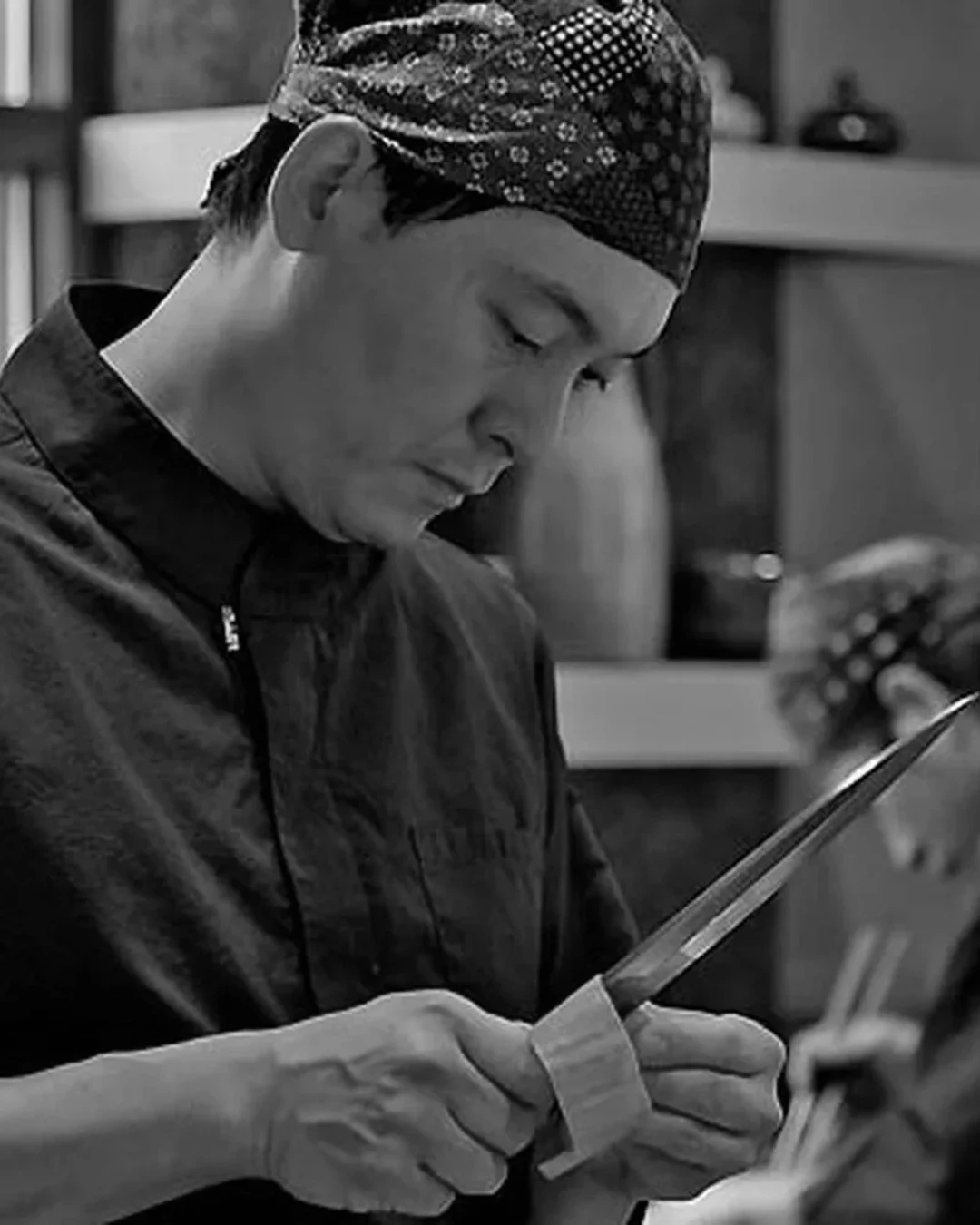
In Residence
Nobu Yamazaki
Chef
- 01CuisineTraditional Japanese Omakase
- 02CityWashington DC, United States
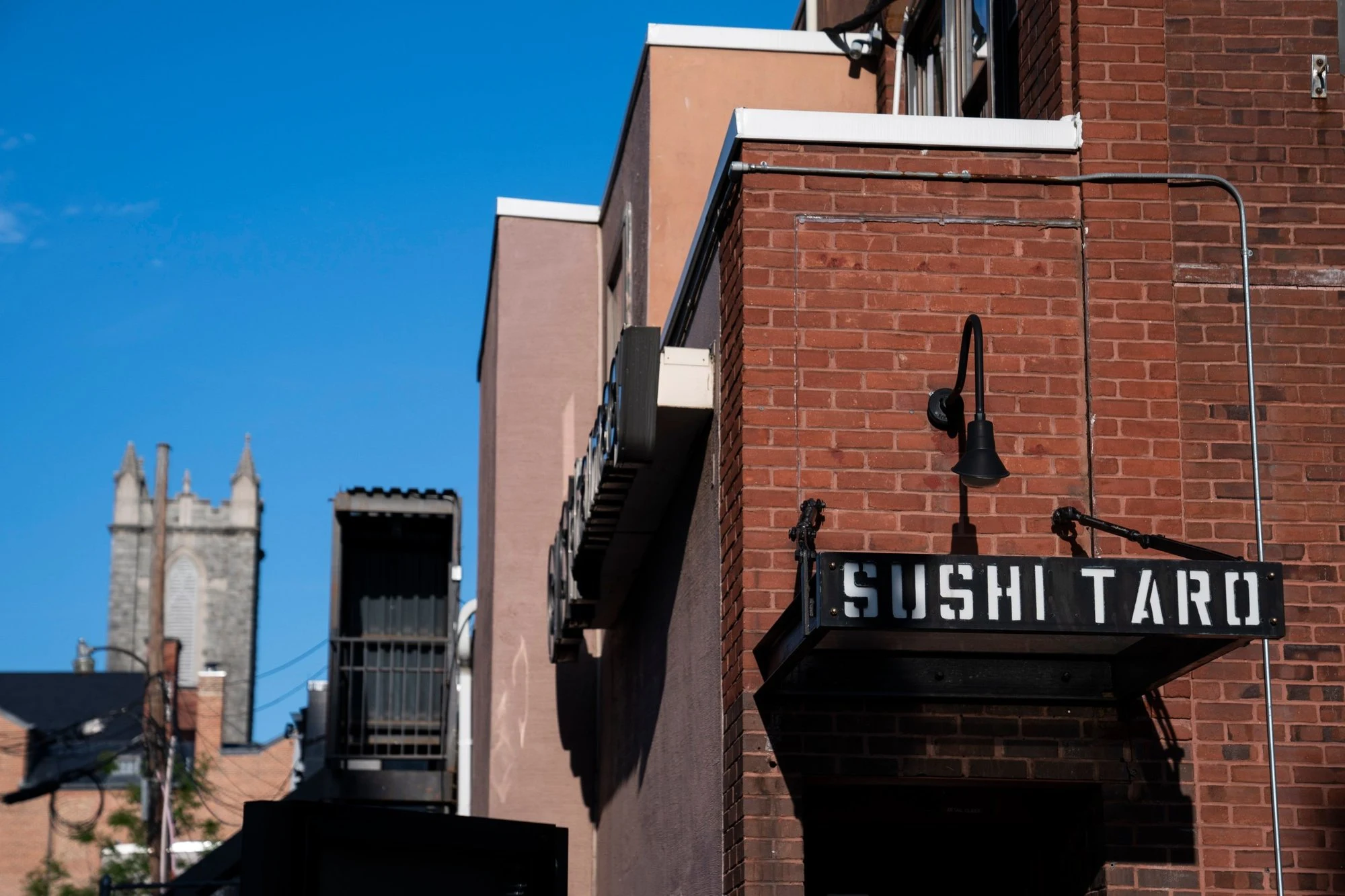
From the people index
Recommended by
One trusted voice points here.
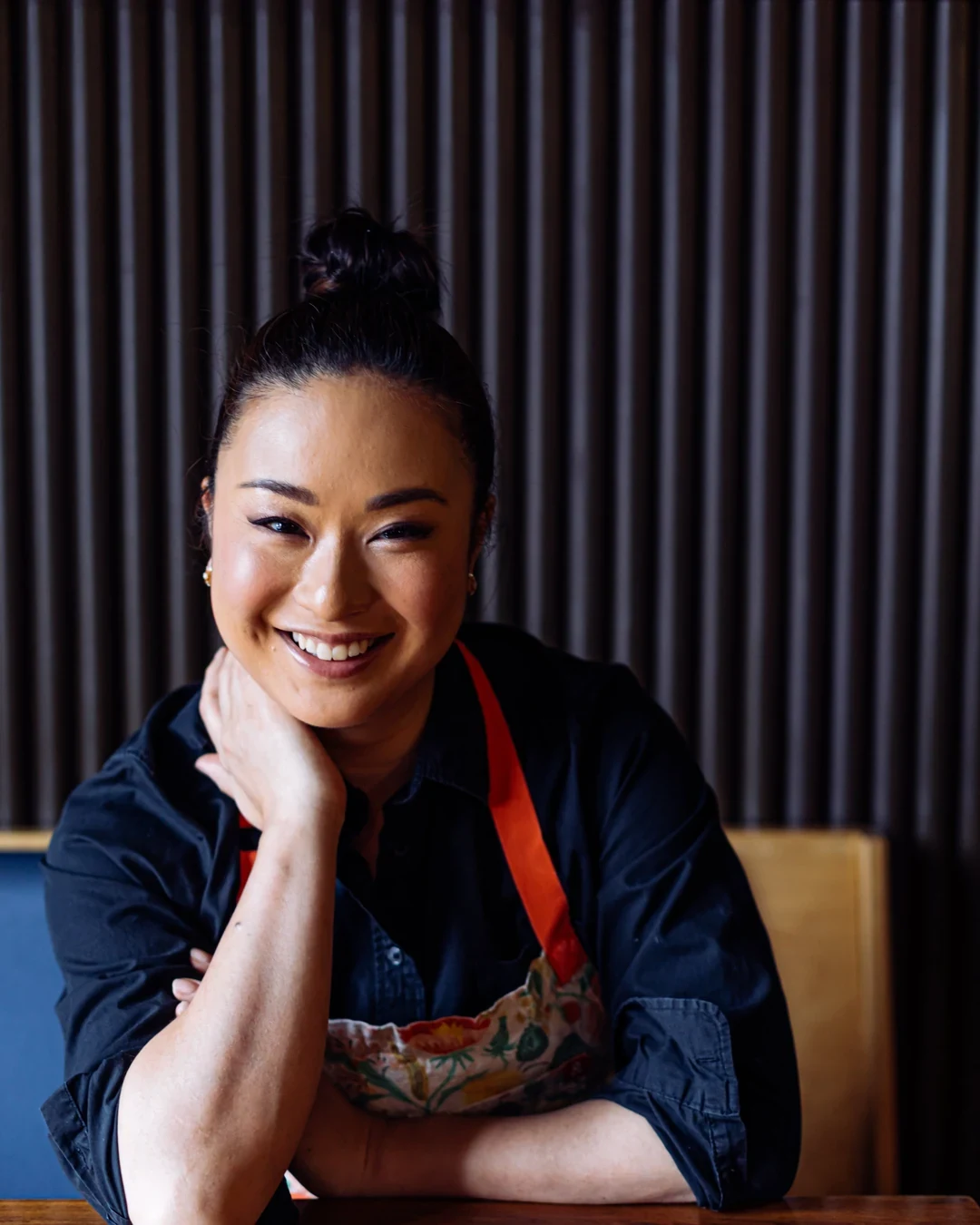
Warm rice, seasonal fish, six seats
- Washingtonian 100 Very Best Restaurants #24 · 2026
Rice shaped to expectation
The rice arrives warm enough to register in the hand before Nobu Yamazaki, chef-owner of Sushi Taro in Washington, DC, brings fish and pressure together at the counter. His station in Dupont Circle carries a family history that began in 1986, when his father helped turn a Chinese restaurant into a sushi establishment as Washington was learning the form. Yamazaki grew up inside that rhythm, then went to art school before returning to the business and taking it over in 2003. He has described the beginning without decoration: “Being in my parents’ restaurant. I started to help my parents, then went to art school.” The line explains much of the room. Composition matters here, but so does service, and Yamazaki speaks about hospitality as a working discipline rather than a flourish: “Customers come to certain restaurants with certain expectations. They are trying to have a good time so we are here to help.” At Sushi Taro, that help takes the shape of restraint, sequence, and the quiet confidence of a chef who has kept the family business pointed toward more traditional Japanese cooking.
An omakase counter for six
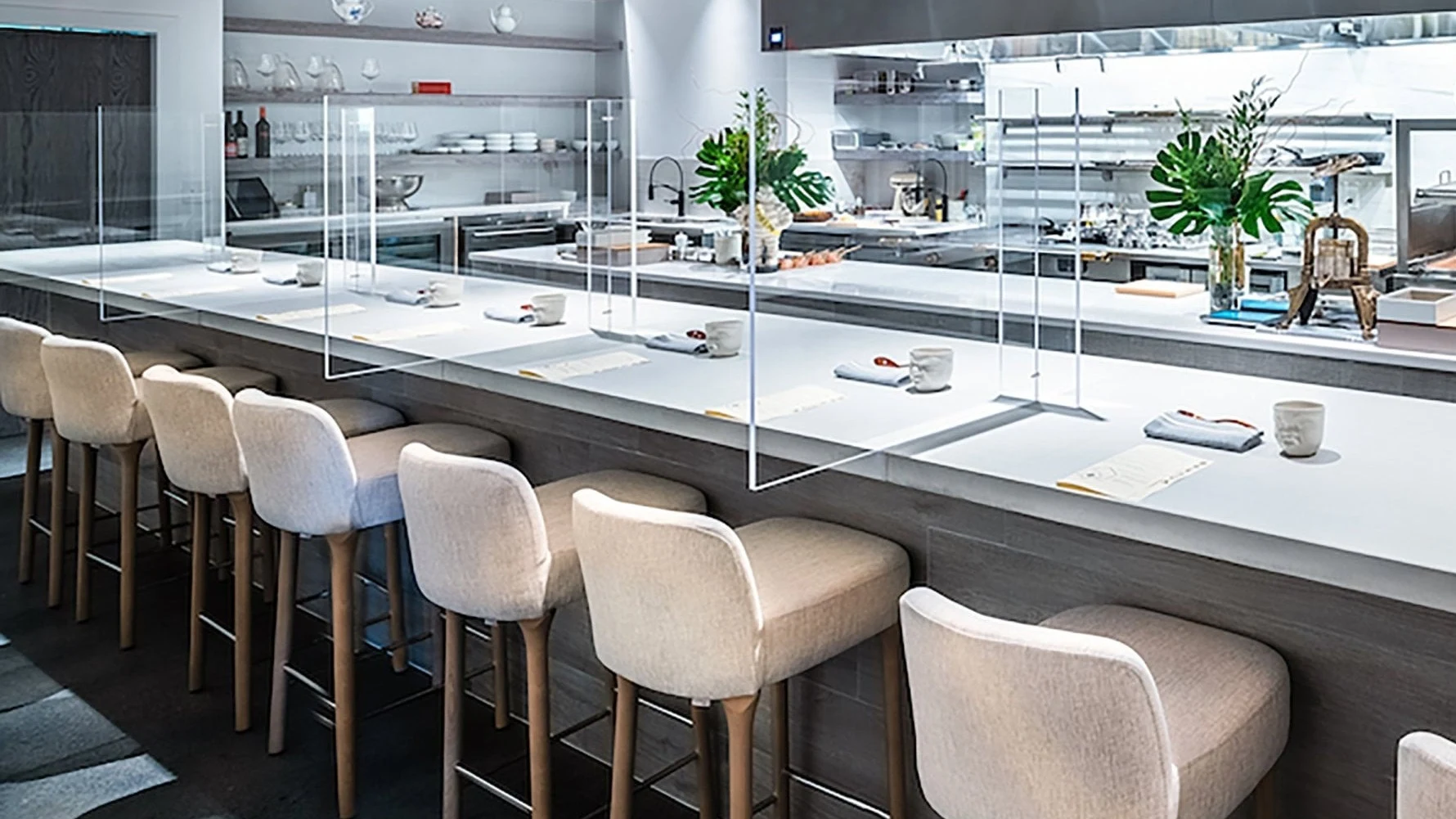
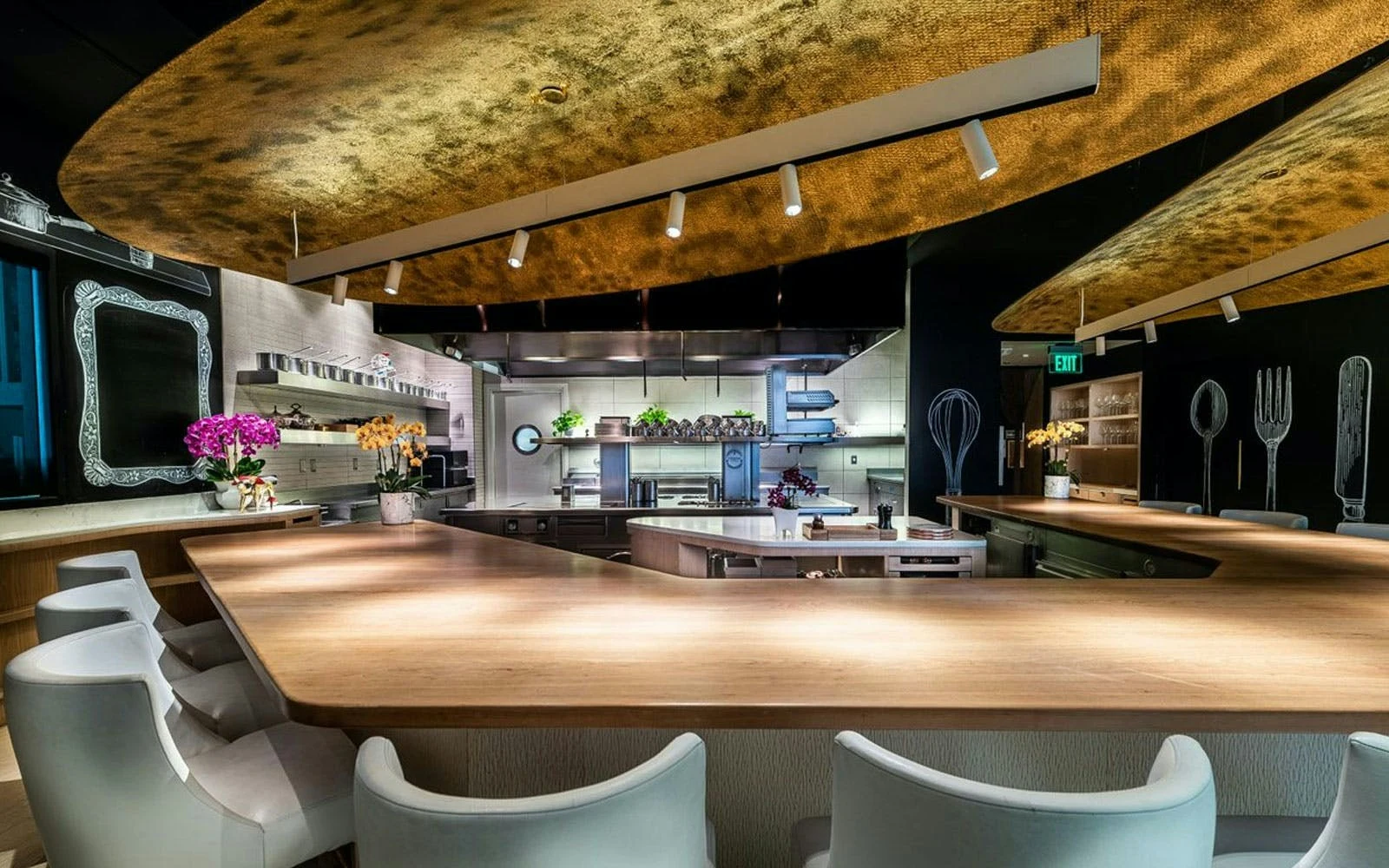
The restaurant’s sharpest work happens at the omakase counter, a small rear station built for six diners and a progression of 20+ seasonal courses. The method is not theatrical. It depends on rice temperature, vinegar balance, the cut of the fish, and the final pressure of the hand. Edo-style nigiri appears alongside kaiseki-minded plates, with the menu moving through fish and texture rather than through abundance alone. Sanma may be scored in a cross-hatch pattern and carried by ginger; madai may take sabi and soy; kasugo may arrive with sesame and salt. The house has also been noted for red crab leg marinated in jalapeño-infused soy, tomato-cured dry-aged tuna, uni in light brine, anago, saba, chutoro, and tamago. Yamazaki’s own phrasing gives the direction its center: “I thought it was about time we focused on more Traditional Japanese cooking.” That focus does not make the counter static. It gives the chefs a frame tight enough for small decisions to matter.
The Sunday letter
Find new places through the people who run them.
Our Sunday email brings you the chefs, winemakers and hoteliers behind our newest stories. See a sample before you subscribe.
See a sample of the Sunday emailOne email a week. Unsubscribe from any issue.
The room above the street
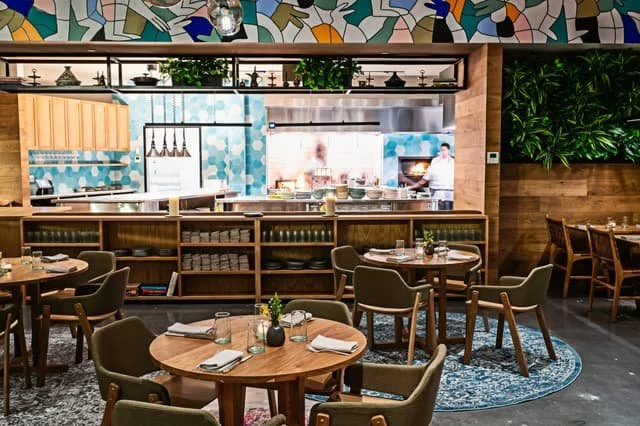
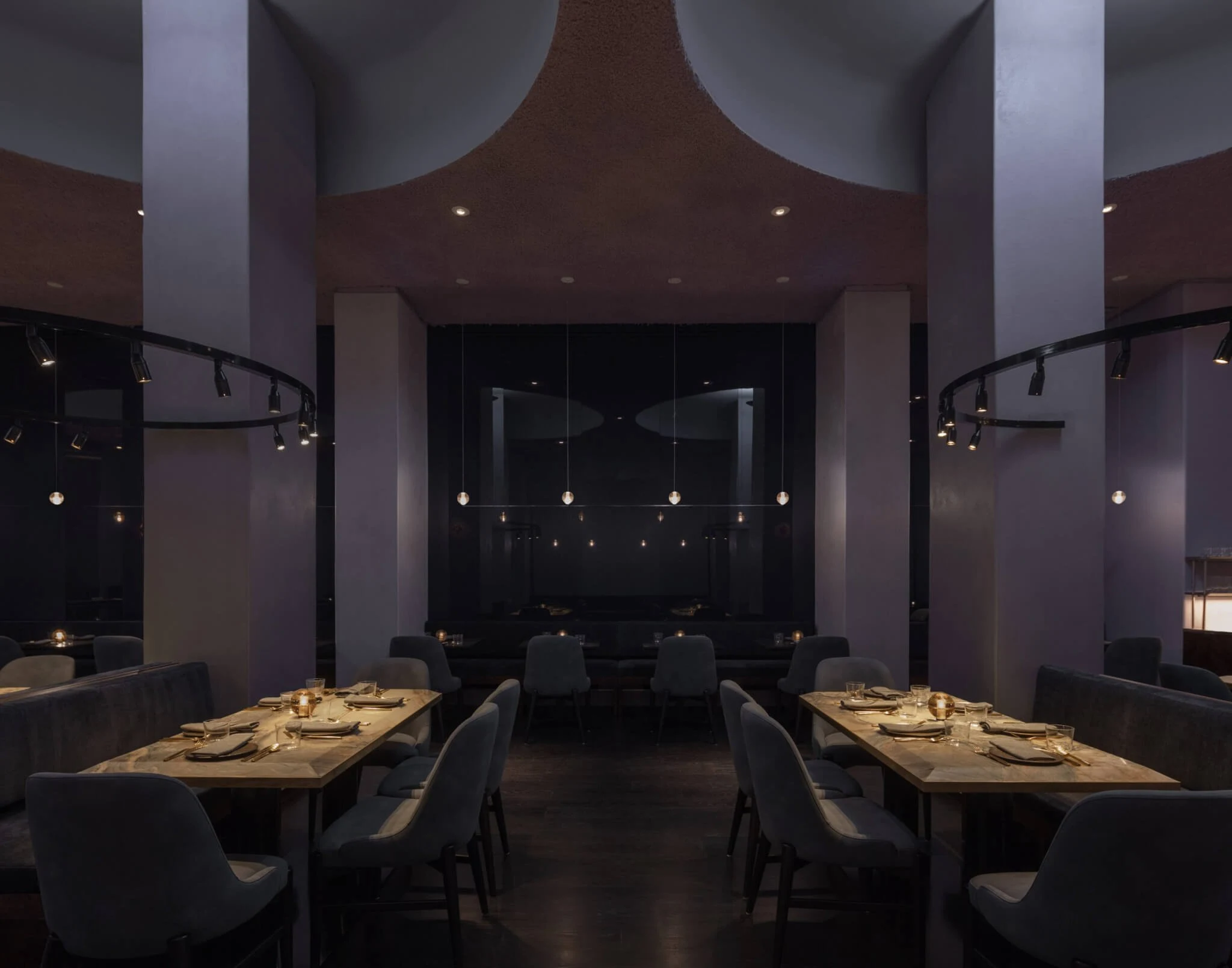
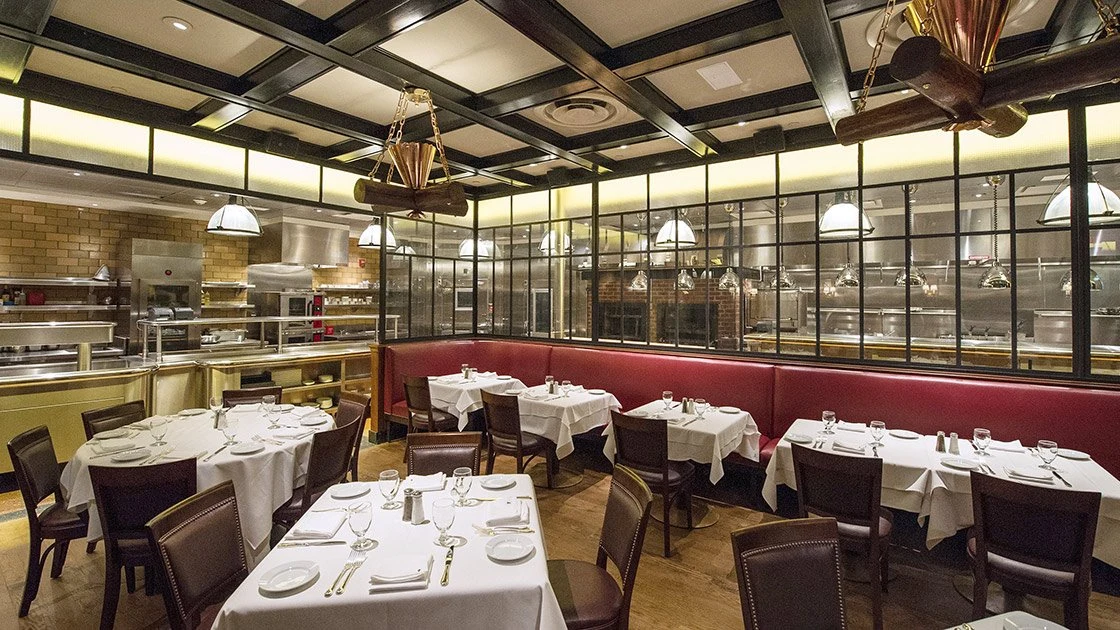
Sushi Taro sits in Dupont Circle, above the movement of 17th Street NW, but the room lowers the volume. The dining room is quiet and formal without becoming stiff; the counter draws attention toward the bench-side exchange between chef and guest. Plates arrive in a measured cadence, sake works beside the fish, and the best seats make clear how much of the meal happens in the hands before it reaches the lacquer. This is not a room built around spectacle. It is built around proximity, with Yamazaki’s service view felt in the way expectation is met course by course. When the final piece lands, the lasting detail is often not a grand statement, but the temperature of the rice under chutoro at Sushi Taro.
Questions
Frequently asked
Who is behind Sushi Taro?
Sushi Taro is led by Nobu Yamazaki, the chef-owner. He took over the family business in 2003 after growing up in it and later returning from art school.
What kind of cooking does Sushi Taro do?
The restaurant serves traditional Japanese omakase, with a focus on seasonal fish, warm rice, and a progression of more than 20 courses at the counter.
What is the omakase counter like?
The omakase counter is a small rear station for six diners. It is built around close service and a measured sequence of courses rather than theatrical presentation.
Is booking necessary at Sushi Taro?
Reservations are essential.
What is the dress code and price level?
The dress code is smart casual, and the restaurant is in the $$$$ price tier at approximately $160 per person.
The field
How it compares
| Place | Cuisine | Notes | Awards |
|---|---|---|---|
| Sushi Taro | Traditional Japanese Omakase | Dupont Circle, $$$$ | · |
| Albi | Modern Levantine Fine Dining | Washington DC | Michelin 1 Star, World's 50 Best |
| Dōgon | Modern Afro-Caribbean | Washington DC | World's 50 Best |
| Jônt | Modern Japanese Fine Dining | Washington DC | Michelin 2 Stars |
| minibar | Avant-Garde Molecular Gastronomy | Washington DC | Michelin 2 Stars |
| Moon Rabbit | Creative Vietnamese-Cajun Fusion | Washington DC | World's 50 Best |
| Oyster Oyster | Modern Vegetable-Focused Tasting Menu | Washington DC | Michelin 1 Star |
In residence
Similar places
Modern Levantine Fine Dining
Albi
Washington DC, United States
★ · 50 Best
Modern Afro-Caribbean
Dōgon
Washington DC, United States
50 Best
Modern Japanese Fine Dining
Jônt
Washington DC, United States
★★
Avant-Garde Molecular Gastronomy
minibar
Washington DC, United States
★★
Creative Vietnamese-Cajun Fusion
Moon Rabbit
Washington DC, United States
50 Best
Modern Vegetable-Focused Tasting Menu
Oyster Oyster
Washington DC, United States
★
The Sunday letter
Get the next Made By story in your inbox.
We send one email every Sunday morning with the places and people we covered that week.
See a sample of the Sunday emailOne email a week. Unsubscribe from any issue.