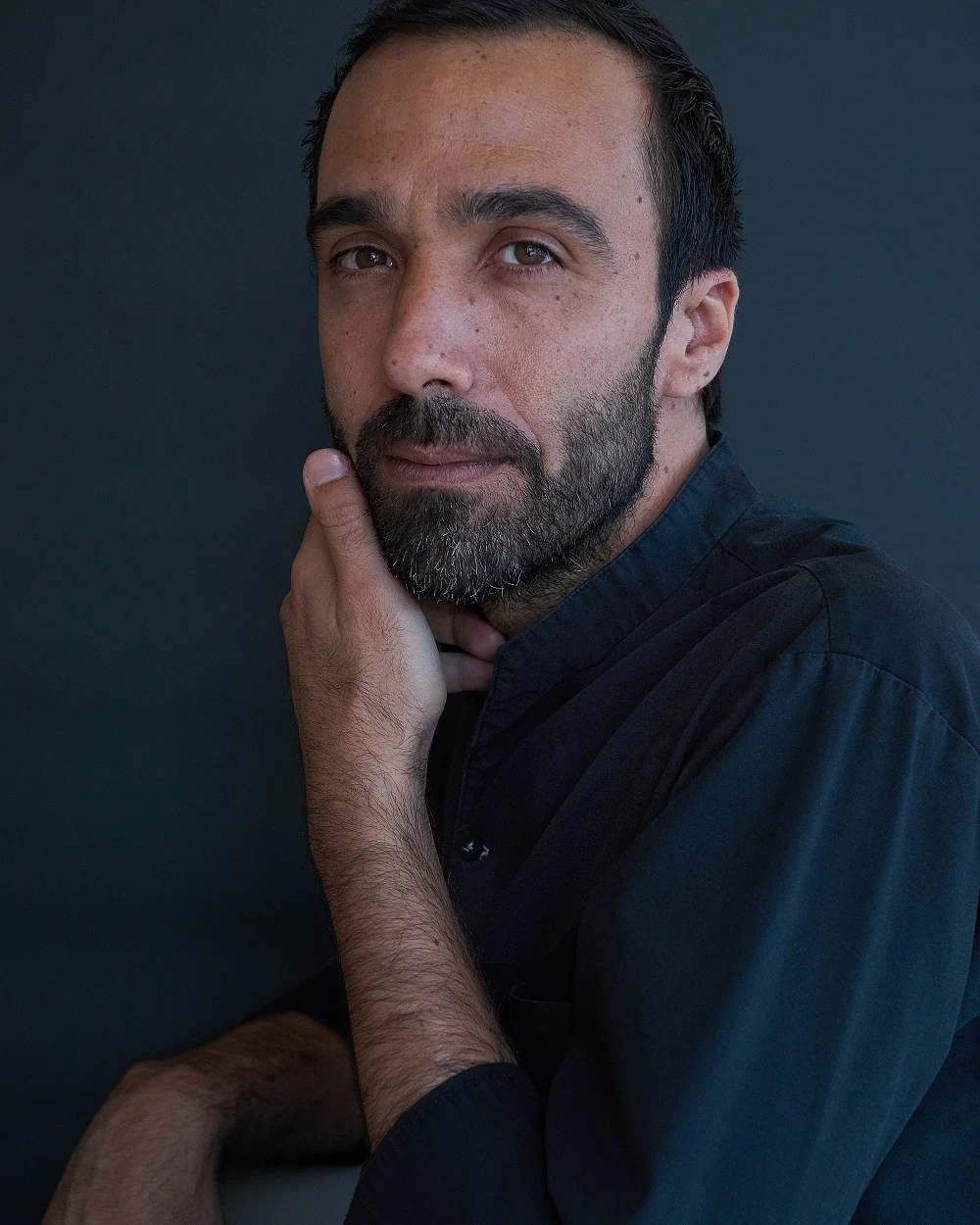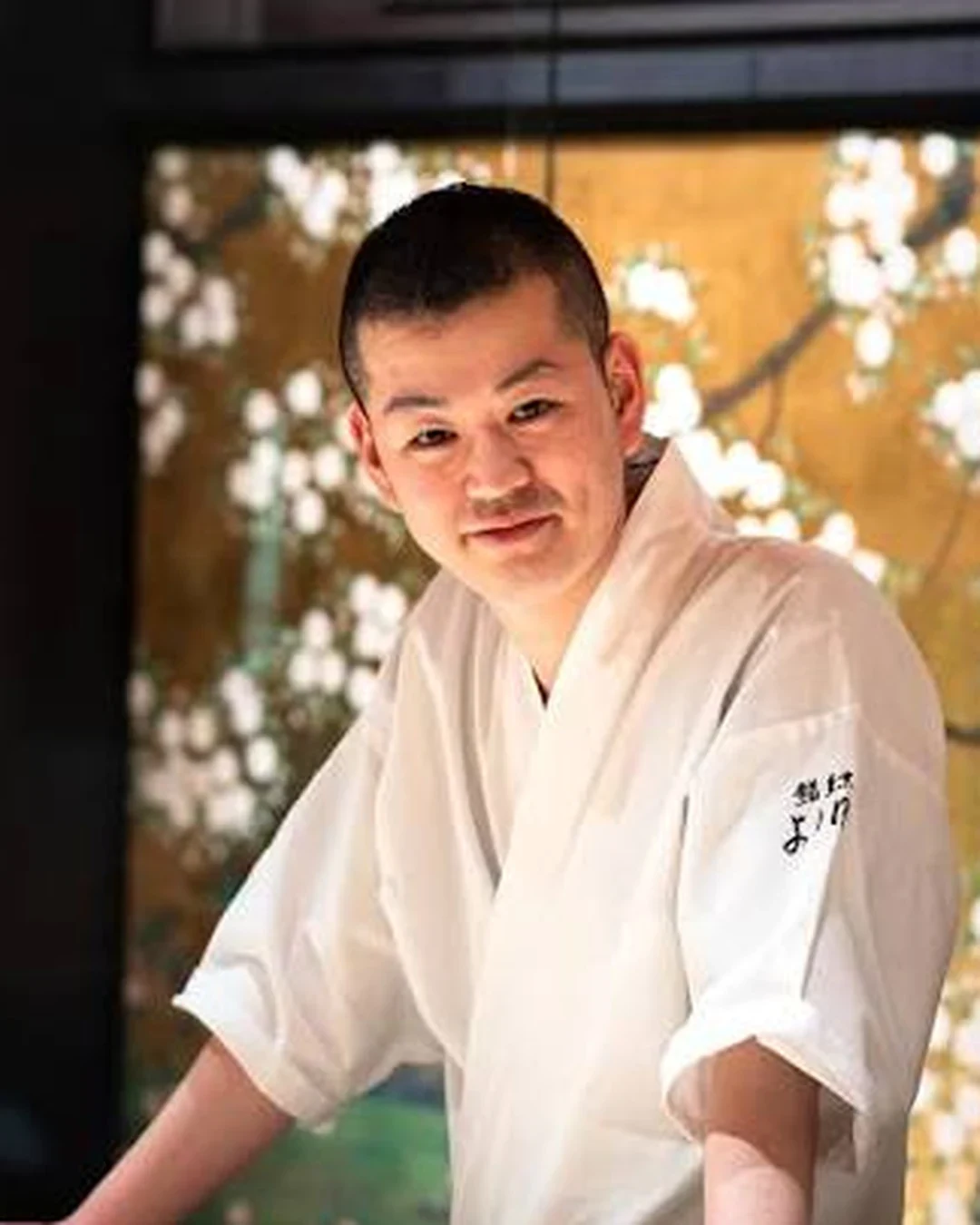
Daiki Fujimoto, chef at Sushi Tokyo Yoshida in Tokyo, leads an Edomae omakase shaped by Yamayuki tuna and binchotan heat.
- Opinionated About Dining Top Restaurants in Japan Recommended · 2026
Binchotan at the counter
Over binchotan embers, Daiki Fujimoto, chef at Sushi Tokyo Yoshida in Tokyo, brings seared fish back to the counter before the nigiri continues. He has been head chef here since 2021, the year the Hatagaya restaurant opened, and his station now carries the full weight of the omakase. The course begins with tuna from Yamayuki, a choice that sets the tempo before chutoro, otoro or akami move through the hands in the Edomae register. Fujimoto’s published lineage is spare: the restaurant states his role and tenure, not the names of teachers who shaped him. That restraint leaves the work to identify him. His focus is Edomae sushi, but not as a museum grammar. His own line, “It wouldn’t be interesting if it were the same as other restaurants,” sits close to the way the counter behaves: recognisable forms, then a heat mark, a cut, a piece of seafood pushed slightly away from expectation.
Tuna first, charcoal later
The method at Sushi Tokyo Yoshida is built around the omakase sequence rather than an à la carte parade. Yamayuki tuna opens the course with a clear statement of sourcing, and the fish that follows can move between familiar sushi bench vocabulary and cooked or warmed preparations. Kohada, kuruma ebi, aori ika, kinmedai and anago have all been part of the restaurant’s public language; so have sea urchin, abalone, keiji and seiko gani. The kitchen also works with seared golden-eye bream and Japanese bluefish over binchotan, using charcoal not as theatre but as a second seasoning. Heat alters fat, skin and aroma in a few breaths, then the piece returns to the rhythm of rice and hand pressure. The tamago-yaki is a 2-layer castella ebi preparation, a small architectural pause after a run of fish. The program keeps sake and wine close to the food, with Salon, Chevalier Montrachet, DRC, Yamato-ya and Nizaemon named among the bottles and labels associated with the pairings.
Cypress, screens and tableware
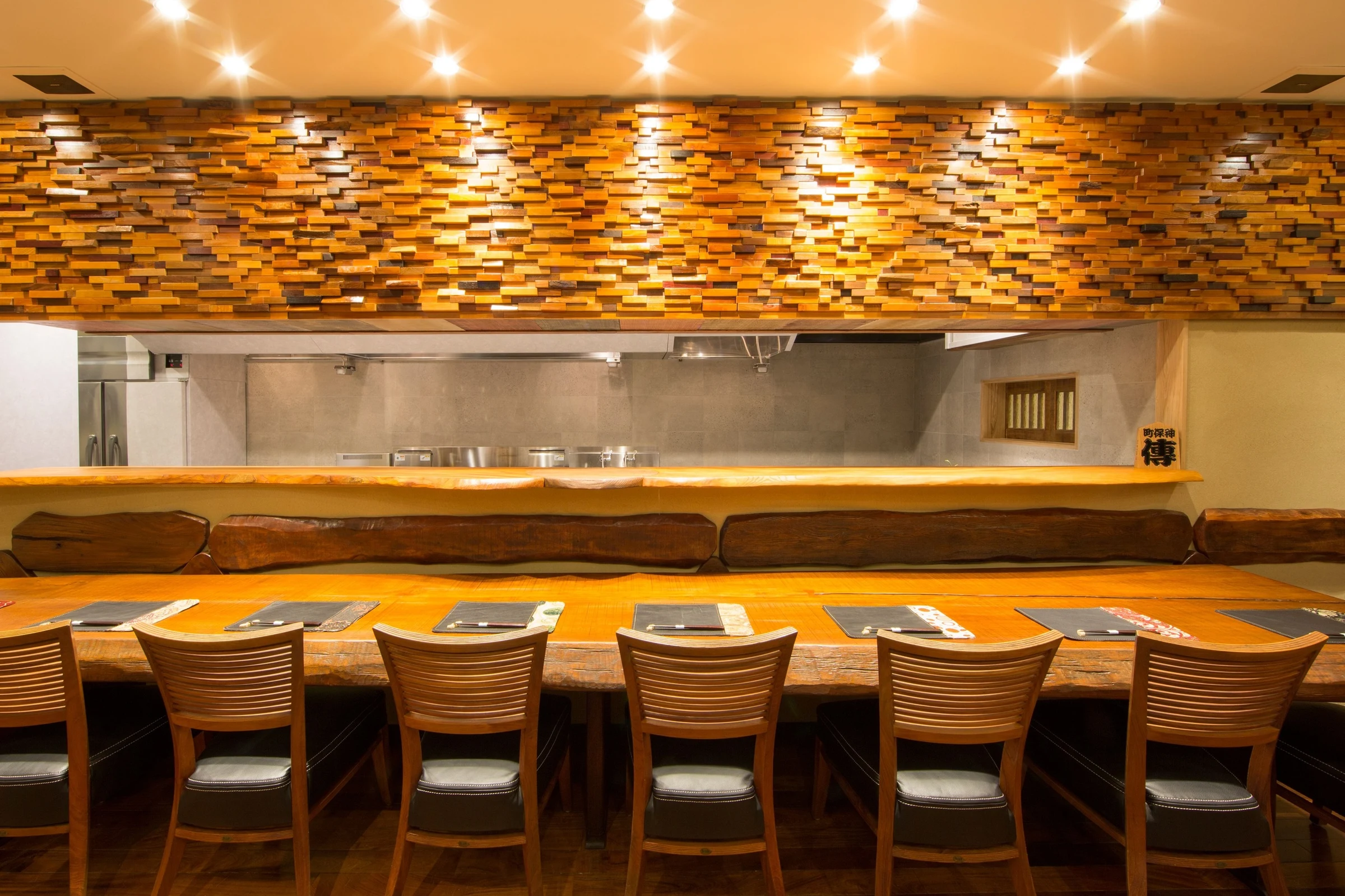
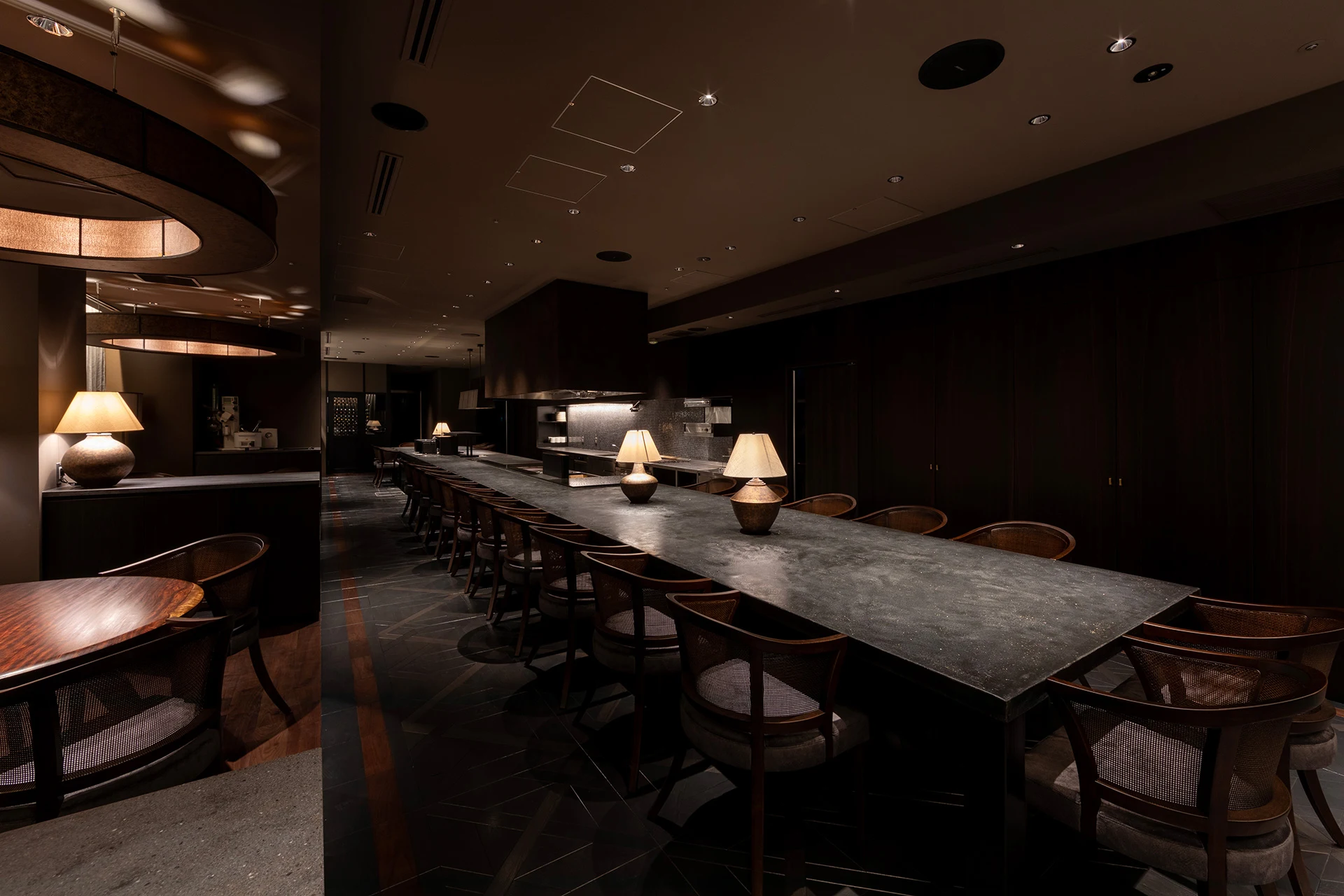
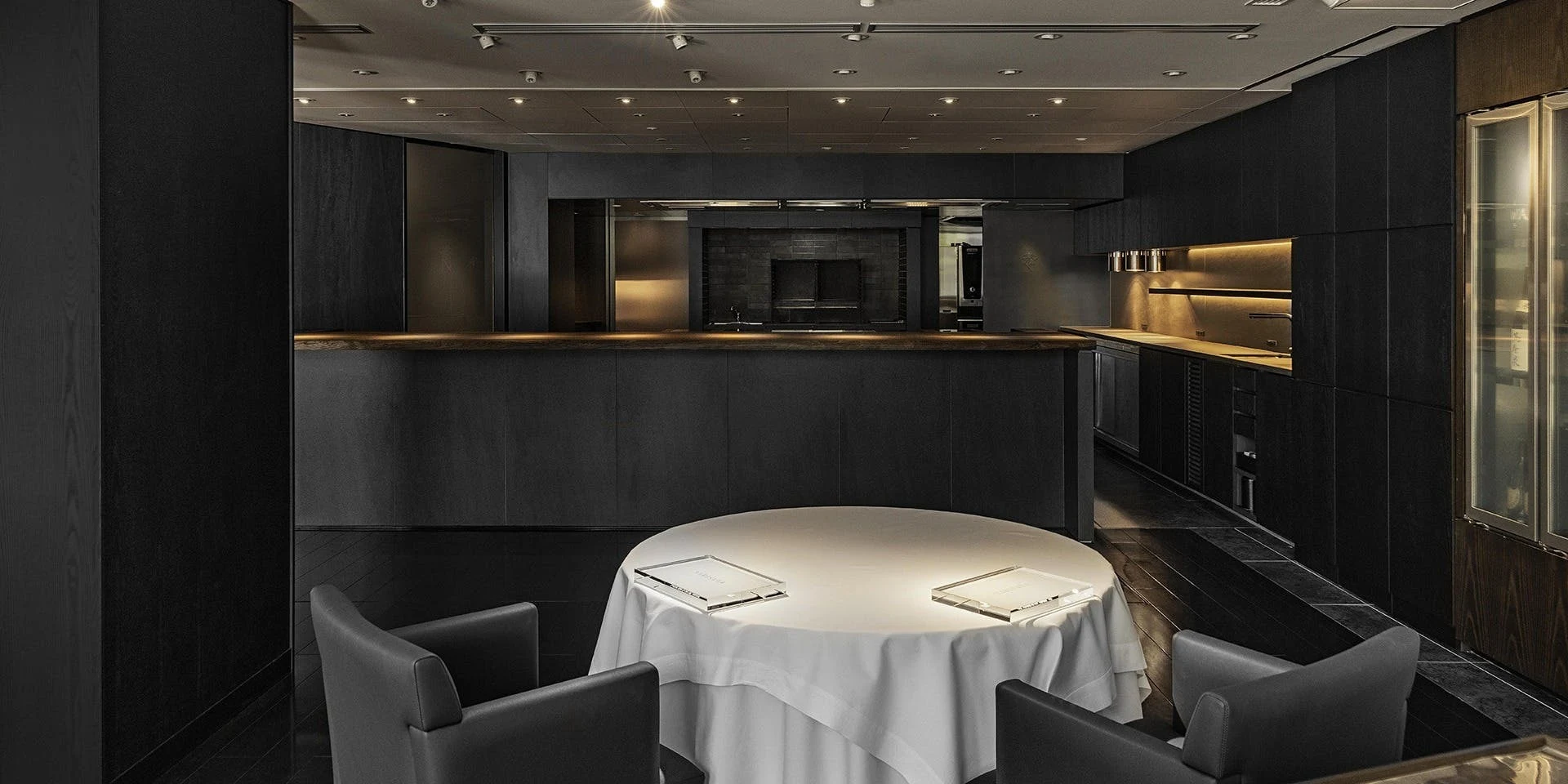
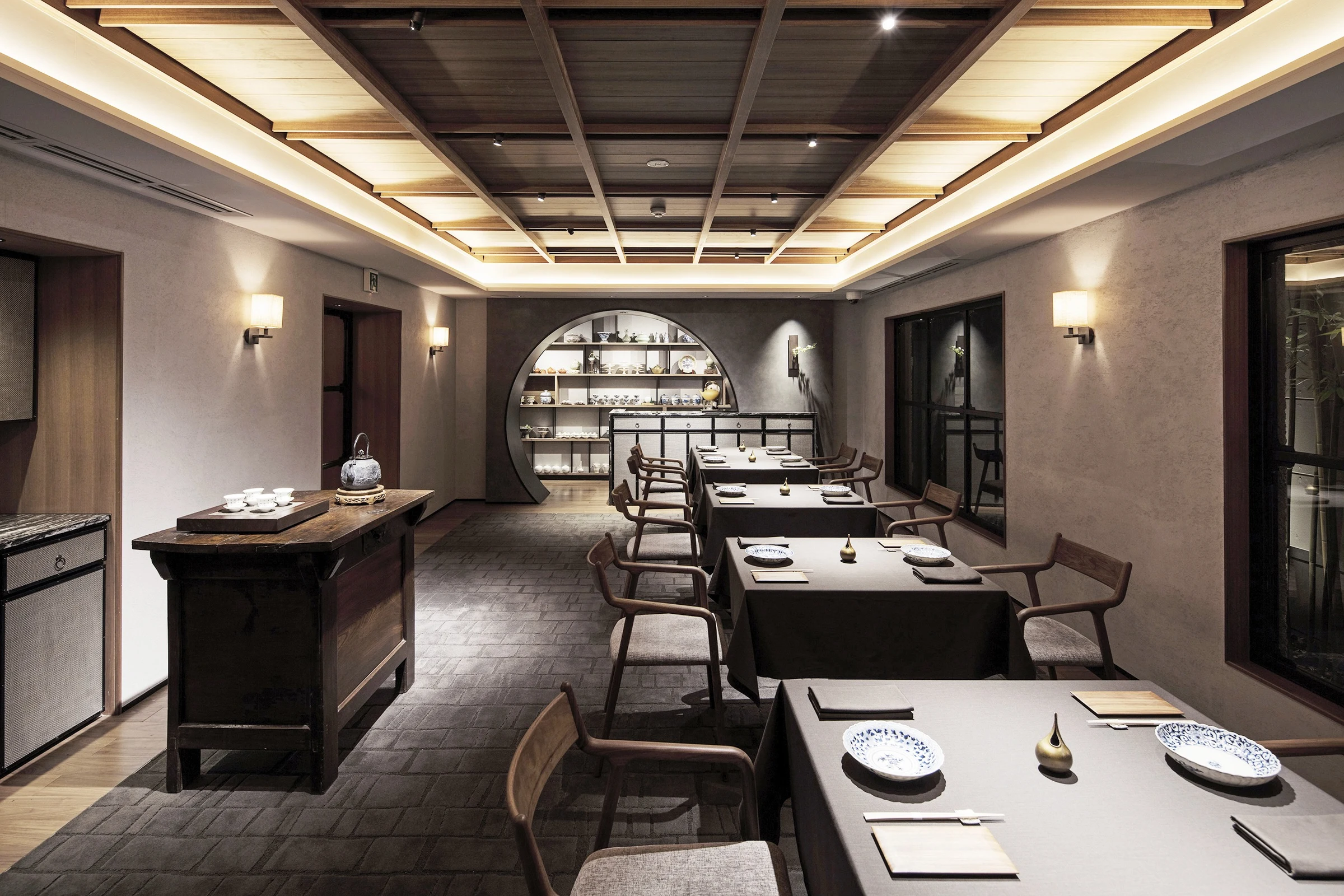
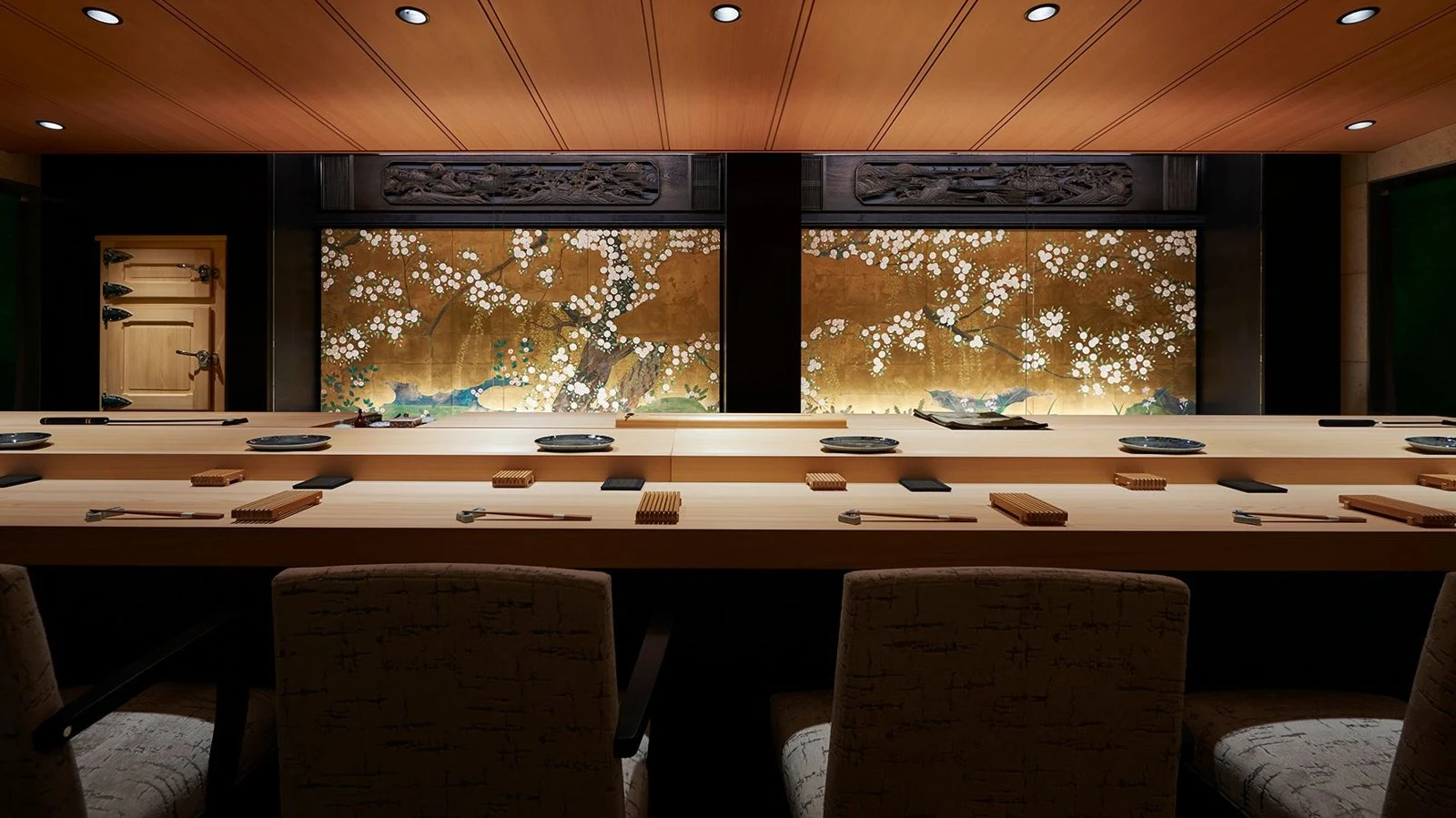
The room sits off Hatagaya Roku-go Dori in Shibuya, away from the obvious hotel corridor and closer to the scale of a residential shopping street. Inside, the counter changes the register. Fragrant cypress gives the hands a pale working surface, while Japanese screens and wood panels hold the dining room in a formal quiet. The tableware is not incidental to the pass. Pieces by Imaizumi Imaemon XIV and Wajimaya Zenni have been used here, bringing porcelain, lacquer and sushi into the same frame without asking one craft to explain the other. Guests watch from the counter as Fujimoto and the team move between knife, rice, charcoal and service. The room allows that attention. It does not need much noise.
A young house with a fixed hand
Sushi Tokyo Yoshida is still a young house by the standards of sushi lineage, but its authorship is already specific: Fujimoto at the bench, Yamayuki tuna at the beginning, binchotan heat inside the course. The next change does not need to be announced as a new concept. It can arrive as the next piece of kinmedai, set down on the cypress counter by Daiki Fujimoto.
Questions
Frequently asked
Who is the chef at Sushi Tokyo Yoshida?
Daiki Fujimoto is the head chef at Sushi Tokyo Yoshida, and he has held that role since 2021, the year the Hatagaya restaurant opened.
What style of sushi does the restaurant serve?
The restaurant serves Edomae sushi as an omakase sequence rather than an à la carte menu.
What ingredients or products are central to the omakase?
Yamayuki tuna begins the course, and the menu has included kohada, kuruma ebi, aori ika, kinmedai, anago, sea urchin, abalone, keiji and seiko gani. Binchotan is also part of the cooking, especially for seared golden-eye bream and Japanese bluefish.
What is the dining room like?
The room is on Hatagaya Roku-go Dori in Shibuya and has a cypress counter, Japanese screens and wood panels. Tableware by Imaizumi Imaemon XIV and Wajimaya Zenni has also been used there.
The field
How it compares
| Place | Cuisine | Awards | Notes |
|---|---|---|---|
| Sushi Tokyo Yoshida | Sushi | · | · |
| Den | Modern Japanese Kaiseki | Michelin 2 Stars, World's 50 Best | Tokyo |
| Florilège | Modern French-Japanese Plant-Based Fine Dining | Michelin 2 Stars, World's 50 Best | Tokyo |
| Narisawa | Modern Japanese Satoyama Fine Dining | Michelin 2 Stars, World's 50 Best | Tokyo |
| Quintessence | Modern French Fine Dining | Michelin 3 Stars | Tokyo |
| Sazenka | Modern Chinese Fine Dining | Michelin 3 Stars, World's 50 Best | Tokyo |
| Sézanne | French | Michelin 3 Stars, World's 50 Best | Tokyo |
In residence
Similar places
Modern Japanese Kaiseki
Den
Tokyo, Japan
★★ · 50 Best
Modern French-Japanese Plant-Based Fine Dining
Florilège
Tokyo, Japan
★★ · 50 Best
Modern Japanese Satoyama Fine Dining
Narisawa
Tokyo, Japan
★★ · 50 Best
Modern French Fine Dining
Quintessence
Tokyo, Japan
★★★
Modern Chinese Fine Dining
Sazenka
Tokyo, Japan
★★★ · 50 Best
French
Sézanne
Tokyo, Japan
★★★ · 50 Best